S100A9-CXCL12 activation in BRCA1-mutant breast cancer promotes an immunosuppressive microenvironment associated with resistance to immunotherapy
Jianjie Li, Xiaodong Shu, Jun Xu, Sek Man Su, Un In Chan, Lihua Mo, Jianlin Liu, Xin Zhang, Ragini Adhav, Qiang Chen, Yuqing Wang, Tingting An, Xu Zhang, Xueying Lyu, Xiaoling Li, Josh Haipeng Lei, Kai Miao, Heng Sun, Fuqiang Xing, Aiping Zhang, Chuxia Deng, Xiaoling Xu

TL;DR
This study finds that BRCA1 mutations in breast cancer lead to an immunosuppressive environment that resists immunotherapy, but this resistance can be overcome by targeting S100A9 and CXCL12.
Contribution
The study identifies S100A9-CXCL12 signaling as a novel driver of immunosuppression in BRCA1-mutant breast cancer and proposes a combinatory treatment strategy.
Findings
BRCA1 deficiency activates S100A9-CXCL12 signaling, promoting tumor progression and immunosuppression.
This signaling leads to accumulation of myeloid-derived suppressor cells, causing resistance to immunotherapy.
Combining S100A9-CXCL12 inhibitors with αPD-1 antibody effectively suppresses these oncogenic effects.
Abstract
Immune checkpoint blockade (ICB) is a powerful approach for cancer therapy although good responses are only observed in a fraction of cancer patients. Breast cancers caused by deficiency of breast cancer-associated gene 1 (BRCA1) do not have an improved response to the treatment. To investigate this, here we analyze BRCA1 mutant mammary tissues and tumors derived from both BRCA1 mutant mouse models and human xenograft models to identify intrinsic determinants governing tumor progression and ICB responses. We show that BRCA1 deficiency activates S100A9-CXCL12 signaling for cancer progression and triggers the expansion and accumulation of myeloid-derived suppressor cells (MDSCs), creating a tumor-permissive microenvironment and rendering cancers insensitive to ICB. These oncogenic actions can be effectively suppressed by the combinatory treatment of inhibitors for S100A9-CXCL12 signaling…
Genes, proteins, chemicals, diseases, species, mutations and cell lines named across the full text — each resolved to its canonical identifier and authoritative record.
Click any figure to enlarge with its caption.
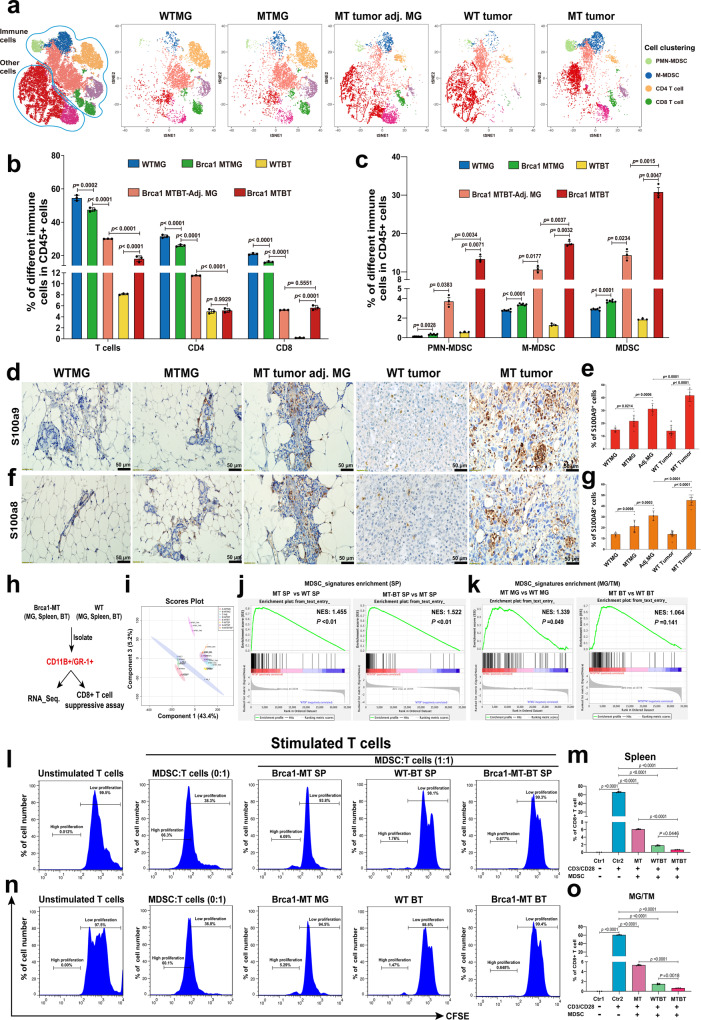 Figure 1
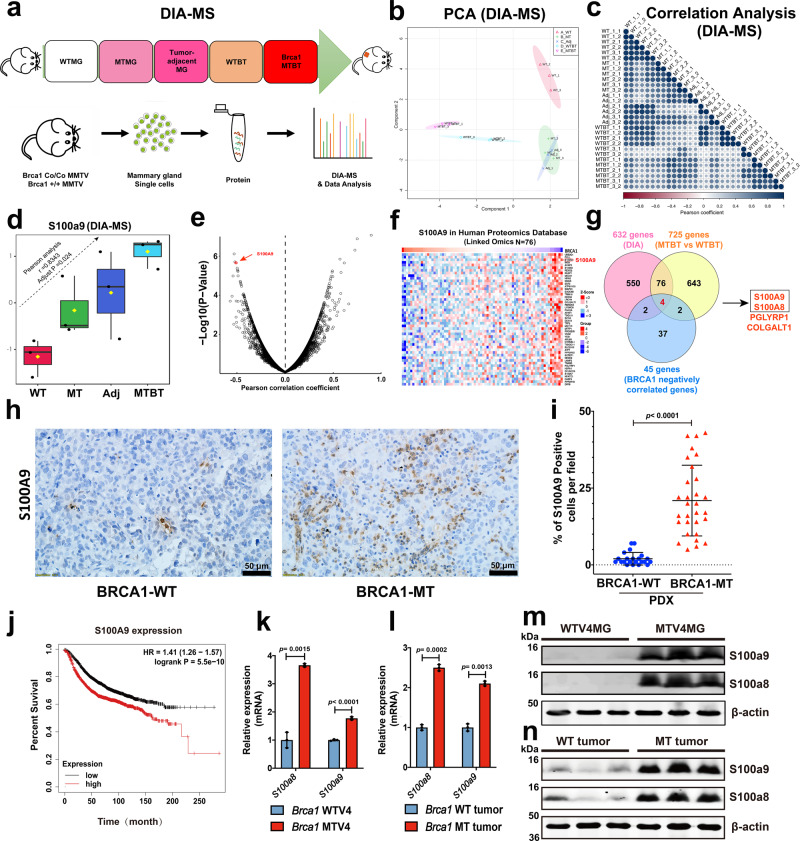 Figure 2
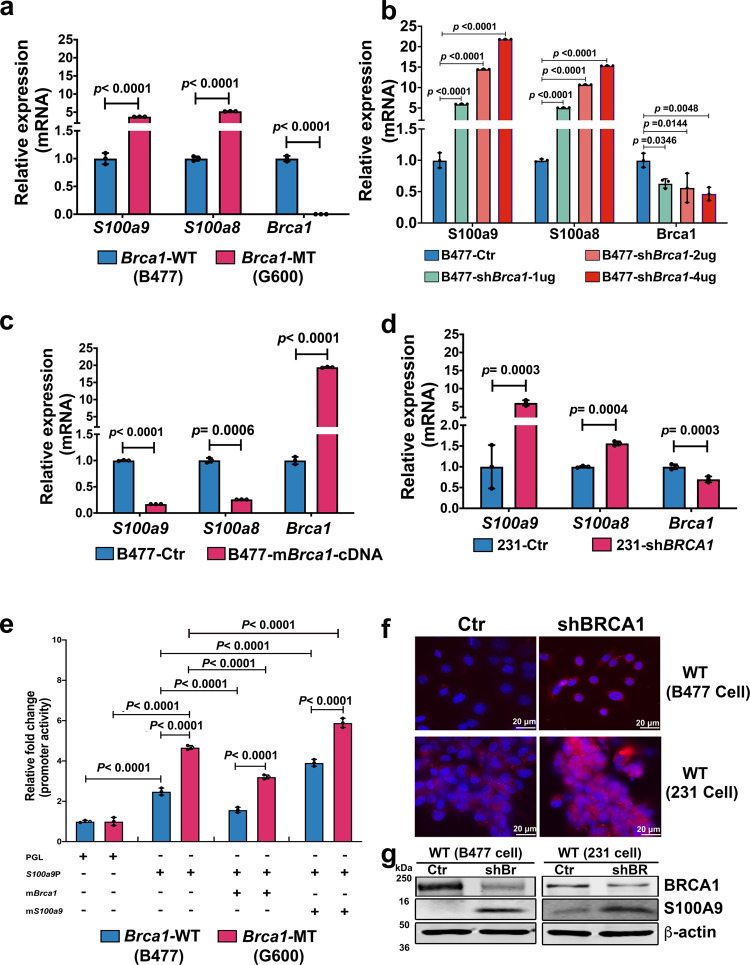 Figure 3
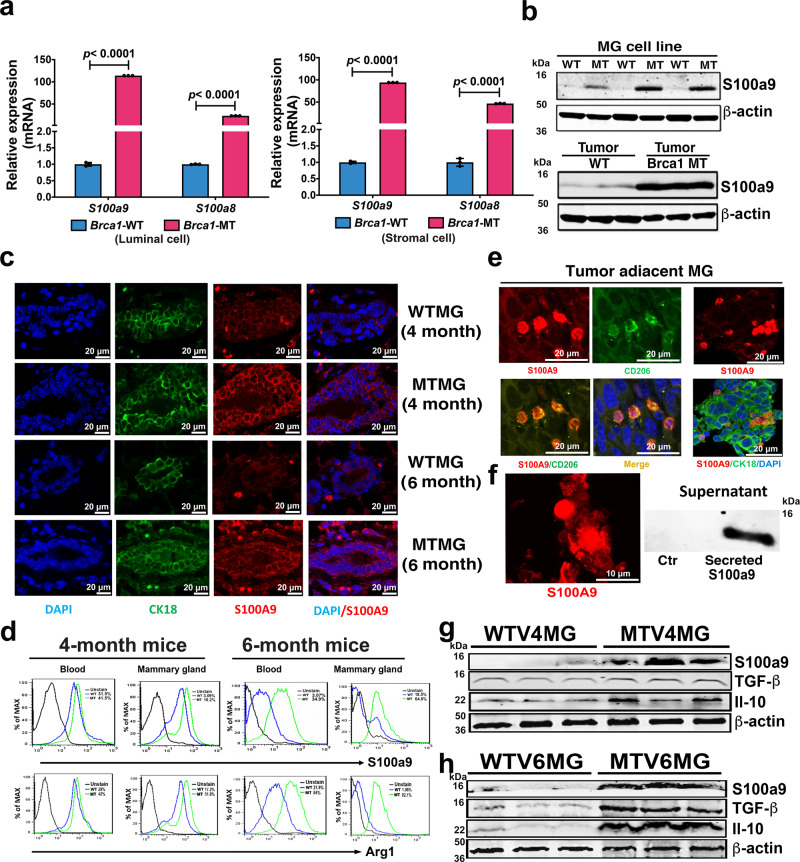 Figure 4
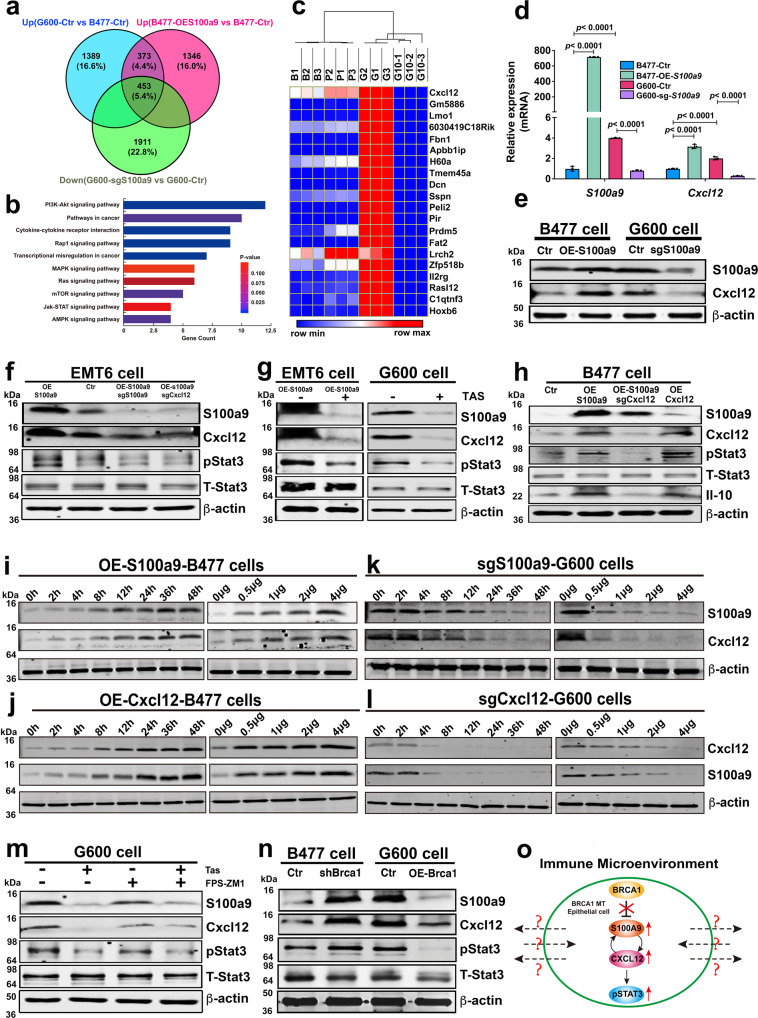 Figure 5
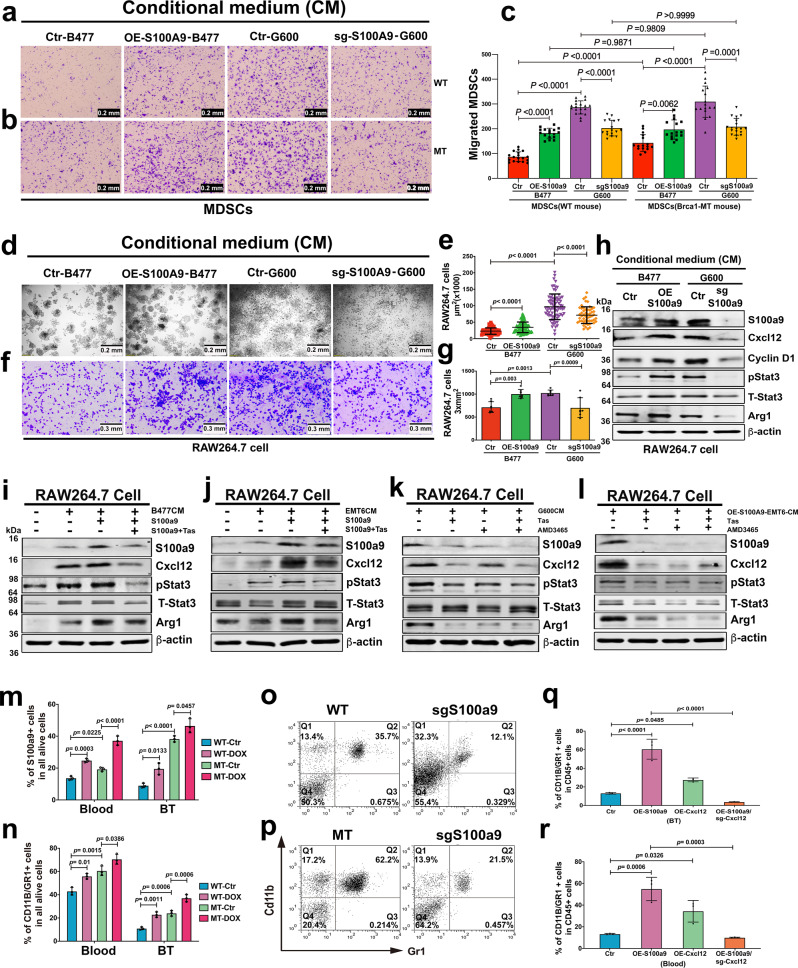 Figure 6
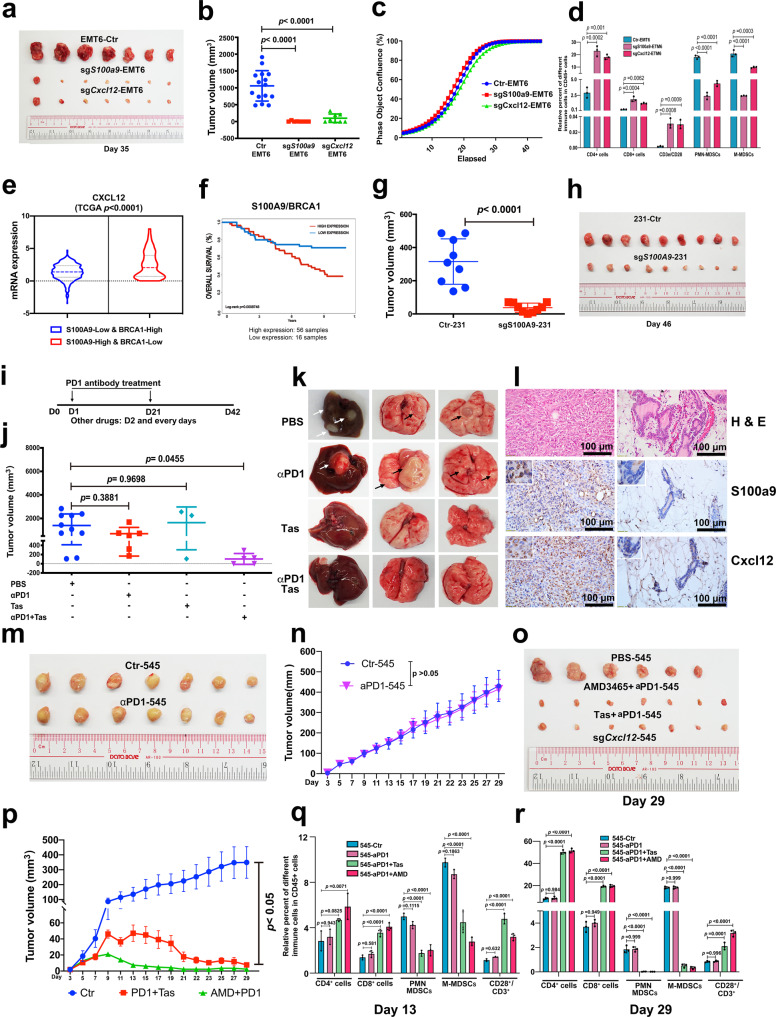 Figure 7
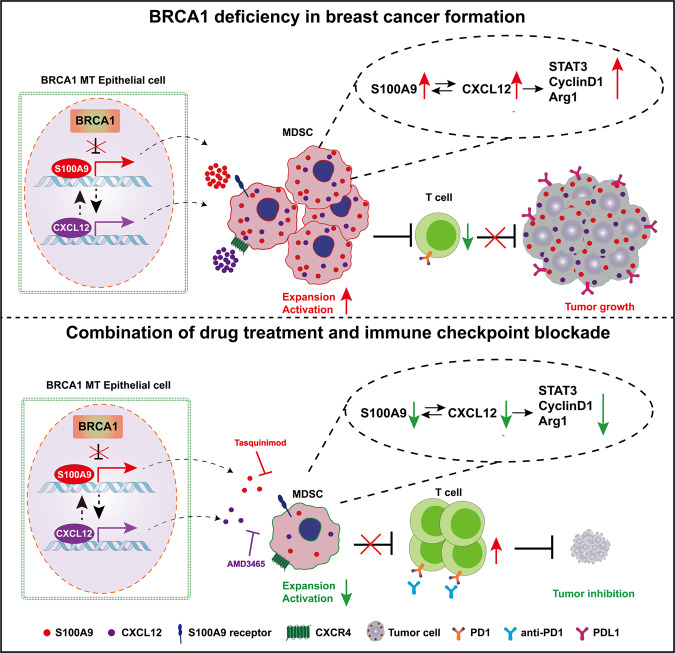 Figure 8
Peer Reviews
No public reviews on file for this paper yet. If you reviewed it on a platform where reviews are public (OpenReview, ICLR, NeurIPS, ICML), you can paste yours below so the community can read it here.
Videos
No videos yet. Explain this paper in a talk, walkthrough, or lecture? Add one.
Taxonomy
TopicsS100 Proteins and Annexins · Immune cells in cancer · Cancer Immunotherapy and Biomarkers