M6A associated TSUC7 inhibition contributed to Erlotinib resistance in lung adenocarcinoma through a notch signaling activation dependent way
Kai Li, Zi-Yang Peng, Shan Gao, Qing-Shi Wang, Rui Wang, Xiang Li, Guo-Dong Xiao, Jing Zhang, Hong Ren, Shou-Ching Tang, Xin Sun

TL;DR
This paper explores how m6A regulation and TUSC7 inhibition contribute to Erlotinib resistance in lung cancer through Notch signaling activation.
Contribution
The study reveals a novel m6A-dependent mechanism involving TUSC7 and Notch signaling in Erlotinib resistance in lung adenocarcinoma.
Findings
m6A regulators METTL3 and YTHDF2 control stemness and EMT features linked to resistance.
miR-146a/Notch signaling is activated in an m6A-dependent manner, suppressing TUSC7.
Notch signaling inhibition reverses Erlotinib resistance in PC9ER and HCC827ER cells.
Abstract
The small tyrosine kinase inhibitors (TKIs) subversively altered the lung cancer treatments, but patients will inevitably face the therapy resistance and disease recurrence. We aim to explore the potential roles of non-coding RNAs in sensitizing the TKIs effects. Methods: Multiple cellular and molecular detections were applied to confirm the mechanistic regulations and intracellular connections. We explored the specific gene features of candidates in association with resistance, and found that m6A controlled the stemness of EMT features through METTL3 and YTHDF2. The miR-146a/Notch signaling was sustained highly activated in a m6A dependent manner, and the m6A regulator of YTHDF2 suppressed TUSC7, both of which contributed to the resistant features. Functionally, the sponge type of TUSC7 regulation of miR-146a inhibited Notch signaling functions, and affected the cancer progression and…
Genes, proteins, chemicals, diseases, species, mutations and cell lines named across the full text — each resolved to its canonical identifier and authoritative record.
Click any figure to enlarge with its caption.
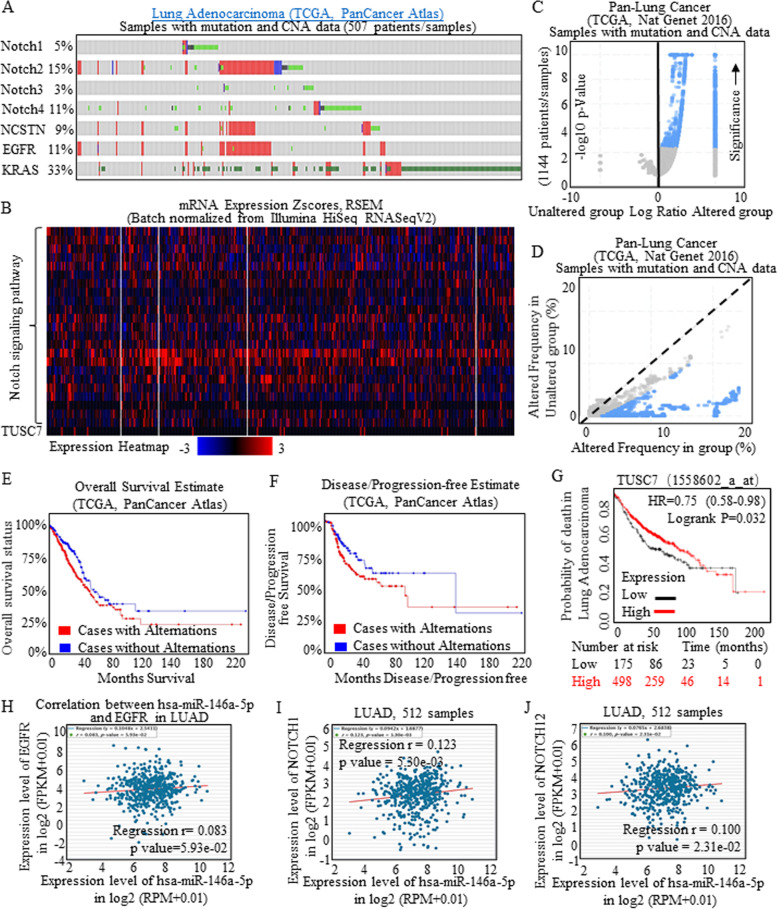 Figure 1
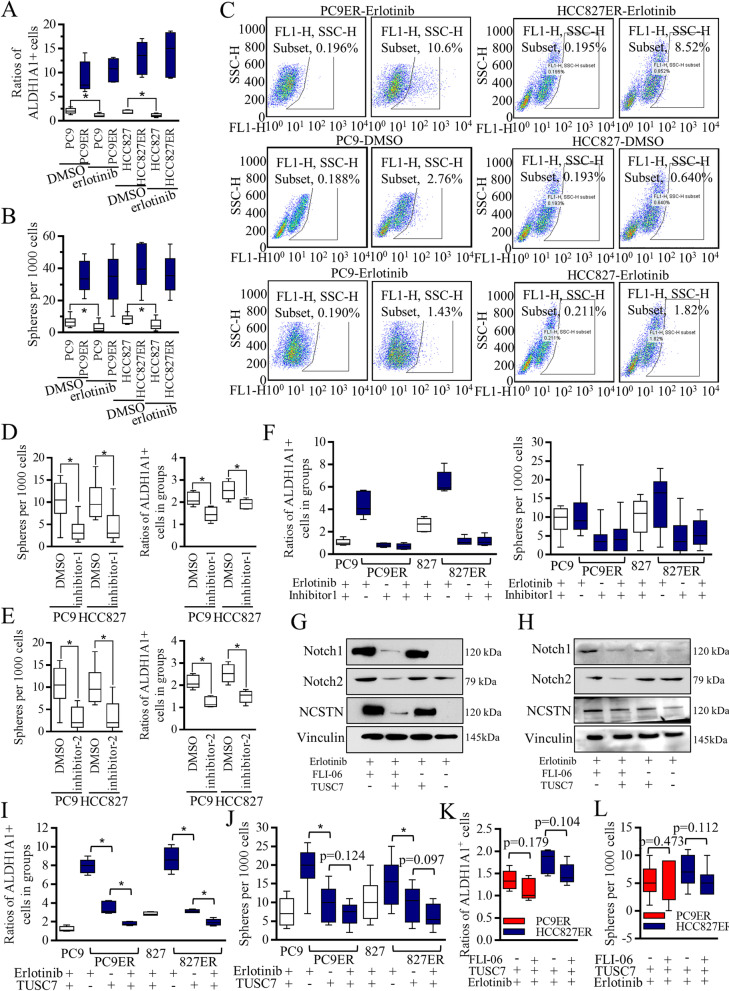 Figure 2
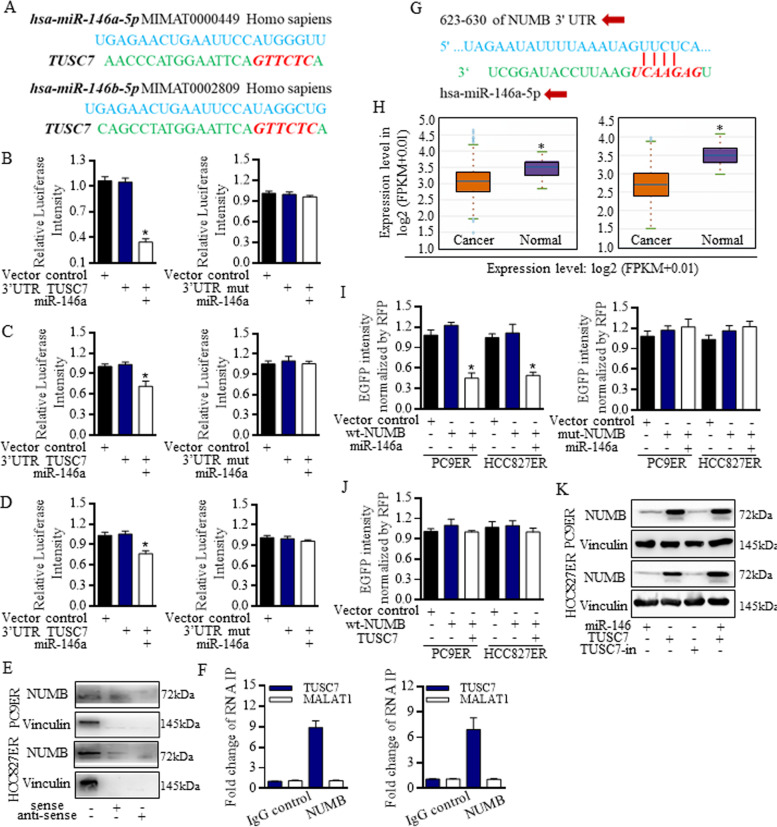 Figure 3
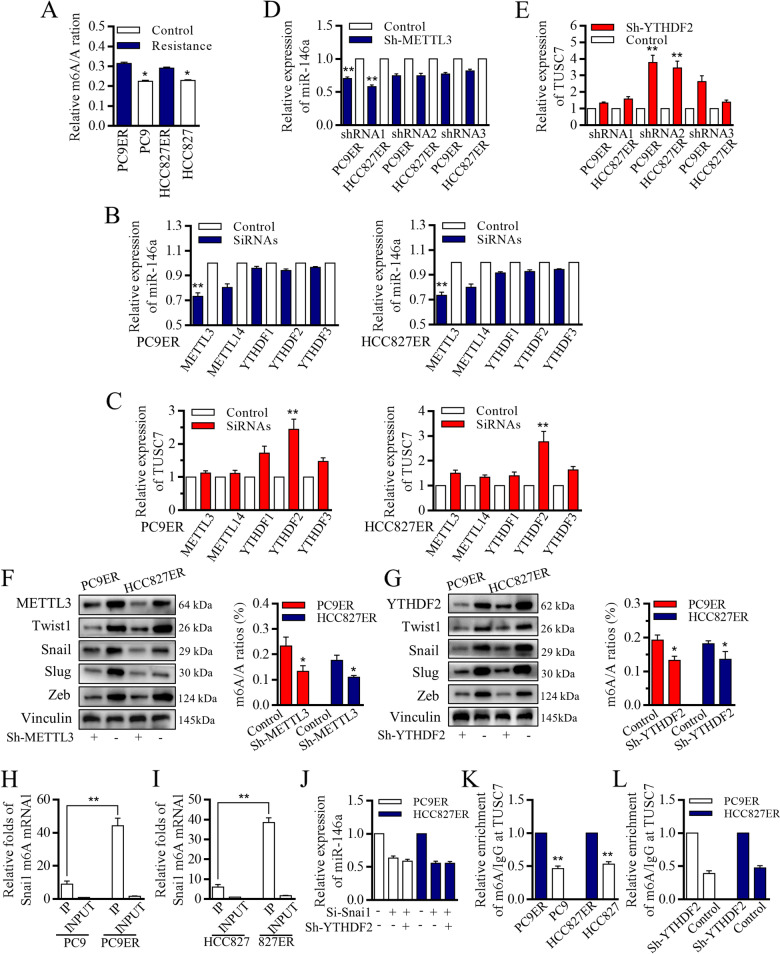 Figure 4
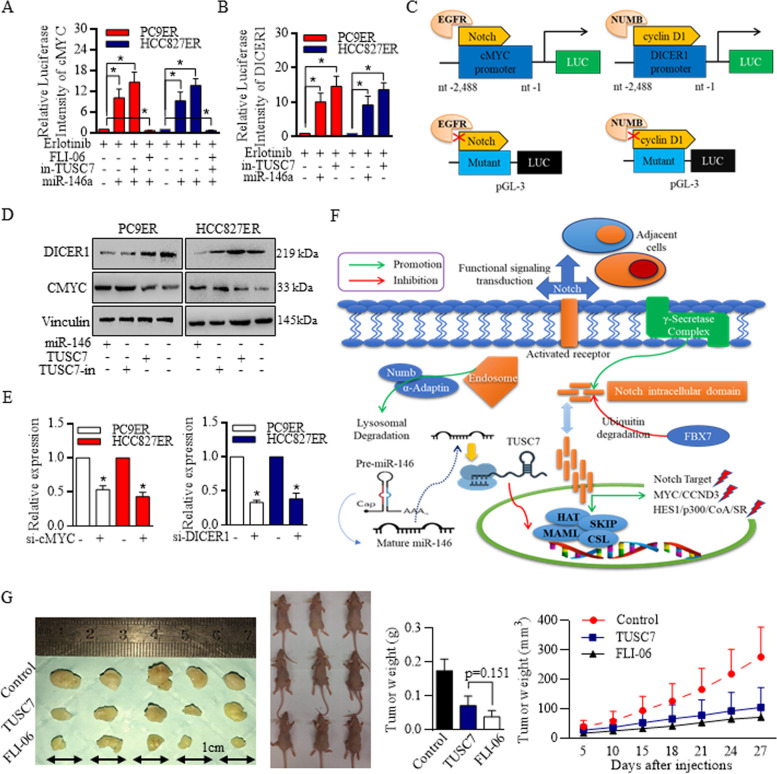 Figure 5
Peer Reviews
No public reviews on file for this paper yet. If you reviewed it on a platform where reviews are public (OpenReview, ICLR, NeurIPS, ICML), you can paste yours below so the community can read it here.
Videos
No videos yet. Explain this paper in a talk, walkthrough, or lecture? Add one.
Taxonomy
TopicsRNA modifications and cancer · Cancer-related molecular mechanisms research · MicroRNA in disease regulation