Enhancer remodeling promotes tumor-initiating activity in NRF2-activated non-small cell lung cancers
Keito Okazaki, Hayato Anzawa, Zun Liu, Nao Ota, Hiroshi Kitamura, Yoshiaki Onodera, Md. Morshedul Alam, Daisuke Matsumaru, Takuma Suzuki, Fumiki Katsuoka, Shu Tadaka, Ikuko Motoike, Mika Watanabe, Kazuki Hayasaka, Akira Sakurada, Yoshinori Okada, Masayuki Yamamoto

TL;DR
This study shows how abnormal NRF2 activity in lung cancer cells leads to aggressive tumor growth by changing gene regulation.
Contribution
The study reveals a new mechanism where NRF2 and CEBPB work together to create enhancers that promote tumor-initiating activity in lung cancer.
Findings
Persistent NRF2 activation creates enhancers at specific gene loci in non-small cell lung cancers.
The CEBPB protein is essential for forming these enhancers, particularly the NOTCH3 enhancer.
The NRF2-CEBPB interaction promotes tumor-initiating activity and cancer malignancy.
Abstract
Transcriptional dysregulation, which can be caused by genetic and epigenetic alterations, is a fundamental feature of many cancers. A key cytoprotective transcriptional activator, NRF2, is often aberrantly activated in non-small cell lung cancers (NSCLCs) and supports both aggressive tumorigenesis and therapeutic resistance. Herein, we find that persistently activated NRF2 in NSCLCs generates enhancers at gene loci that are not normally regulated by transiently activated NRF2 under physiological conditions. Elevated accumulation of CEBPB in NRF2-activated NSCLCs is found to be one of the prerequisites for establishment of the unique NRF2-dependent enhancers, among which the NOTCH3 enhancer is shown to be critical for promotion of tumor-initiating activity. Enhancer remodeling mediated by NRF2-CEBPB cooperativity promotes tumor-initiating activity and drives malignancy of NRF2-activated…
Genes, proteins, chemicals, diseases, species, mutations and cell lines named across the full text — each resolved to its canonical identifier and authoritative record.
Click any figure to enlarge with its caption.
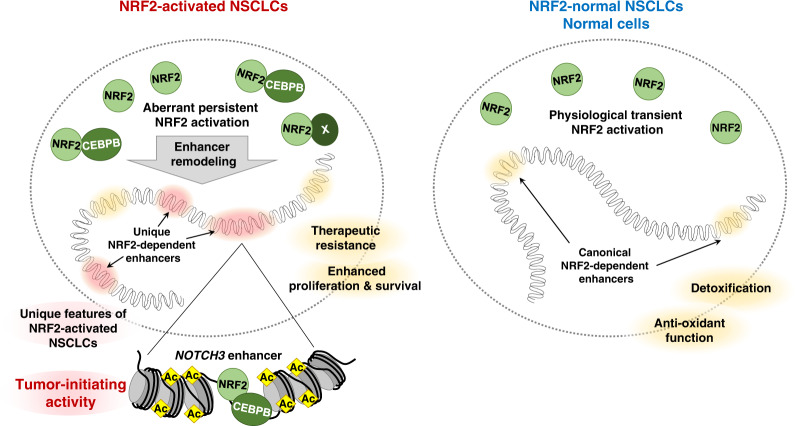 Figure 10
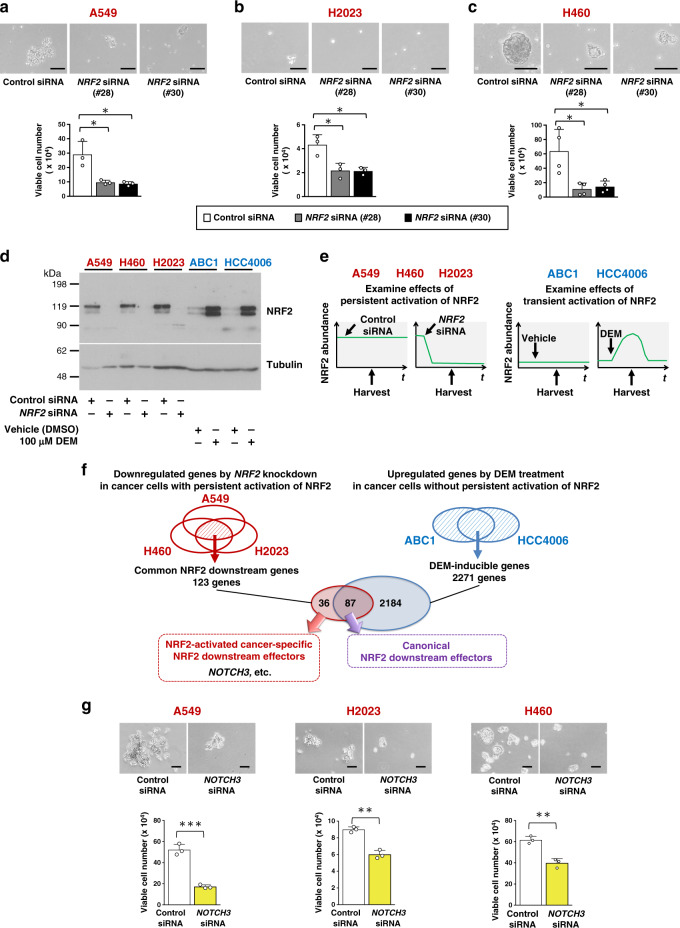 Figure 1
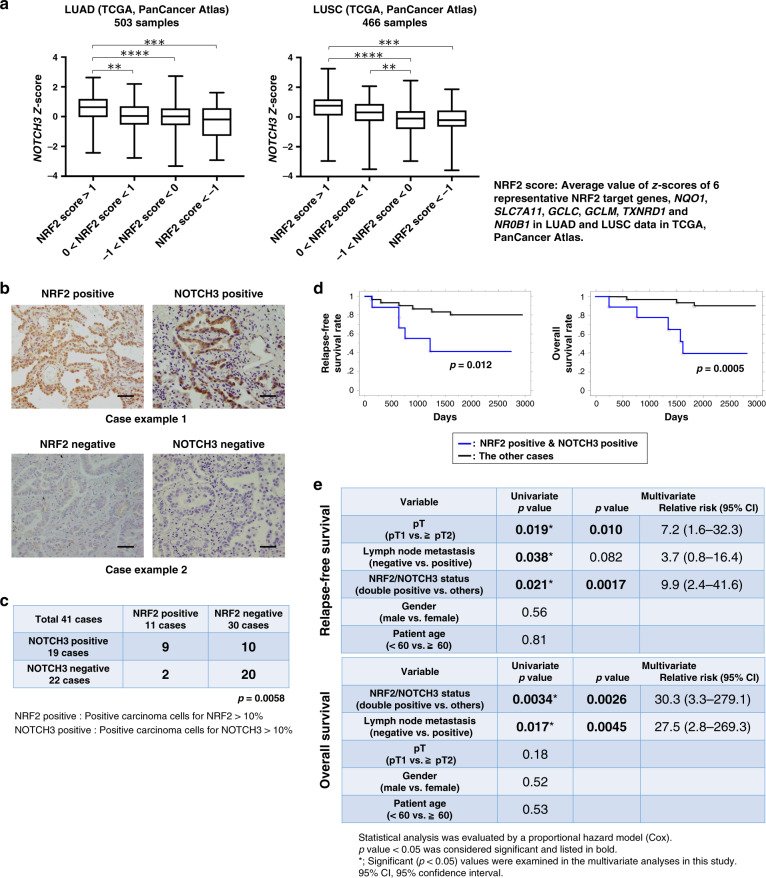 Figure 2
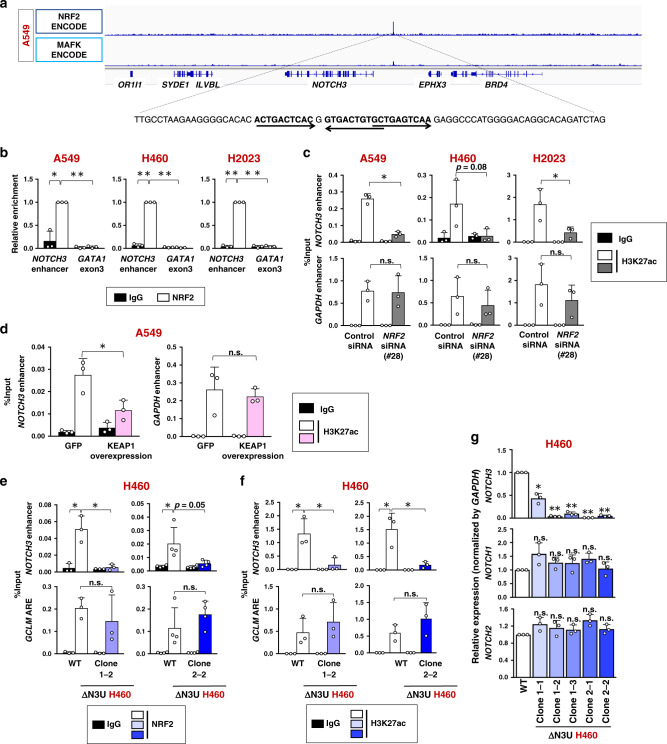 Figure 3
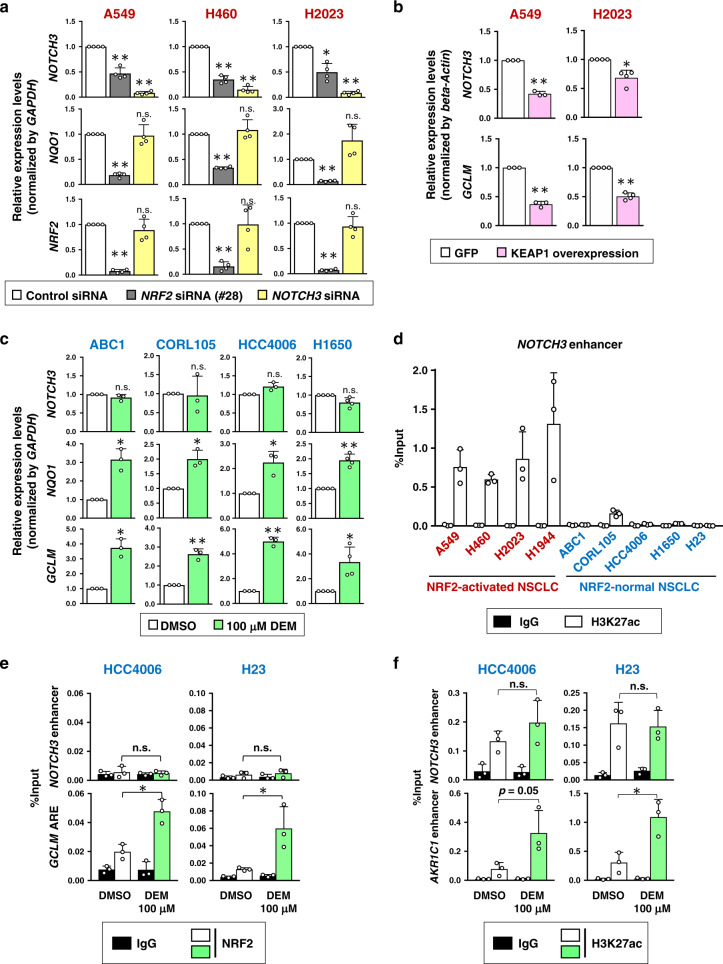 Figure 4
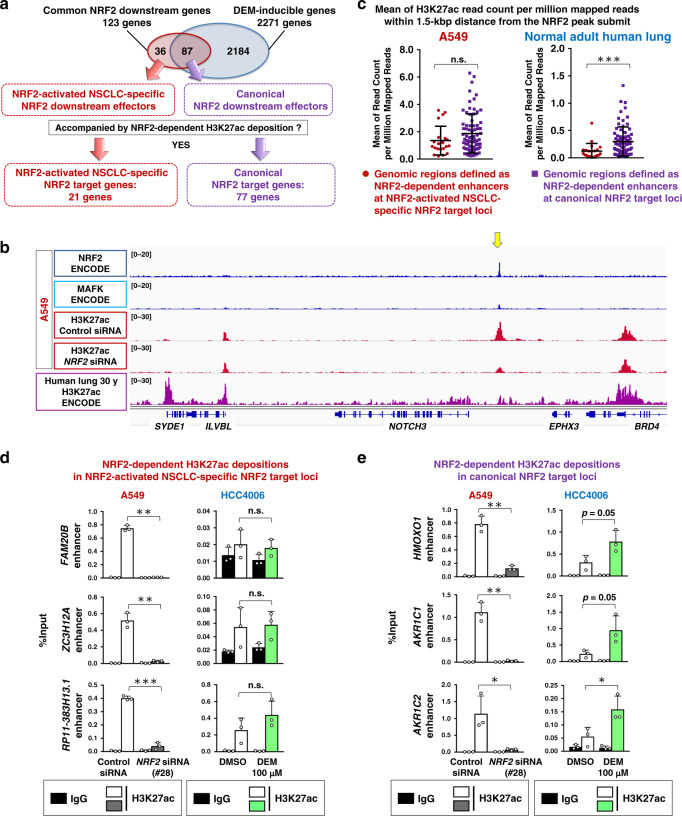 Figure 5
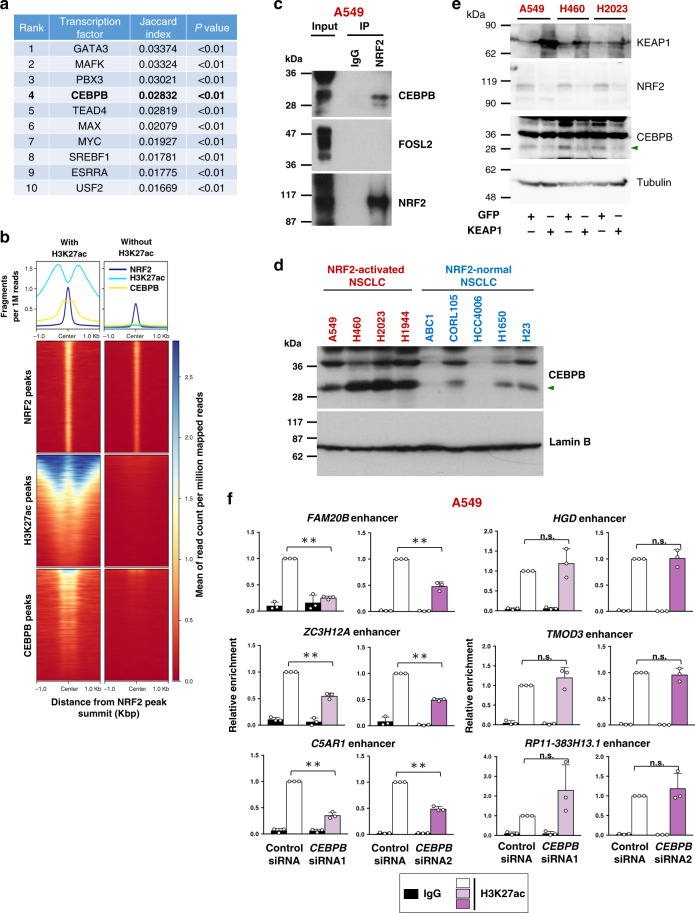 Figure 6
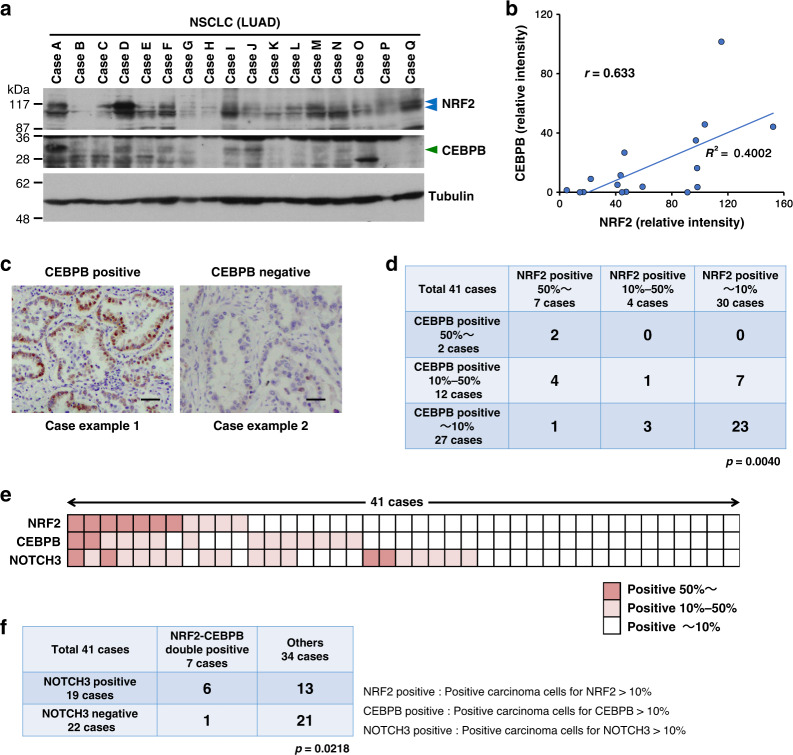 Figure 7
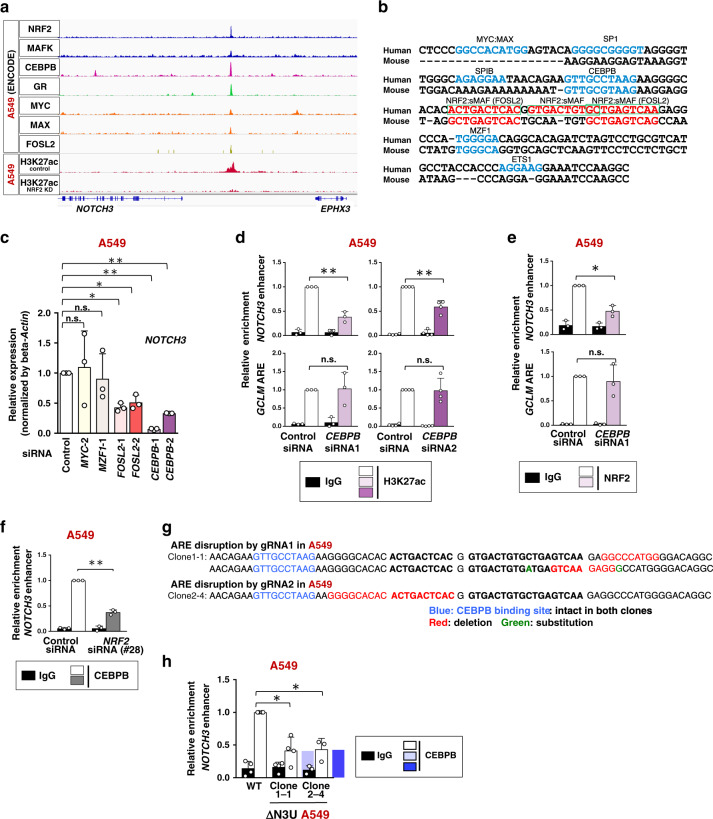 Figure 8
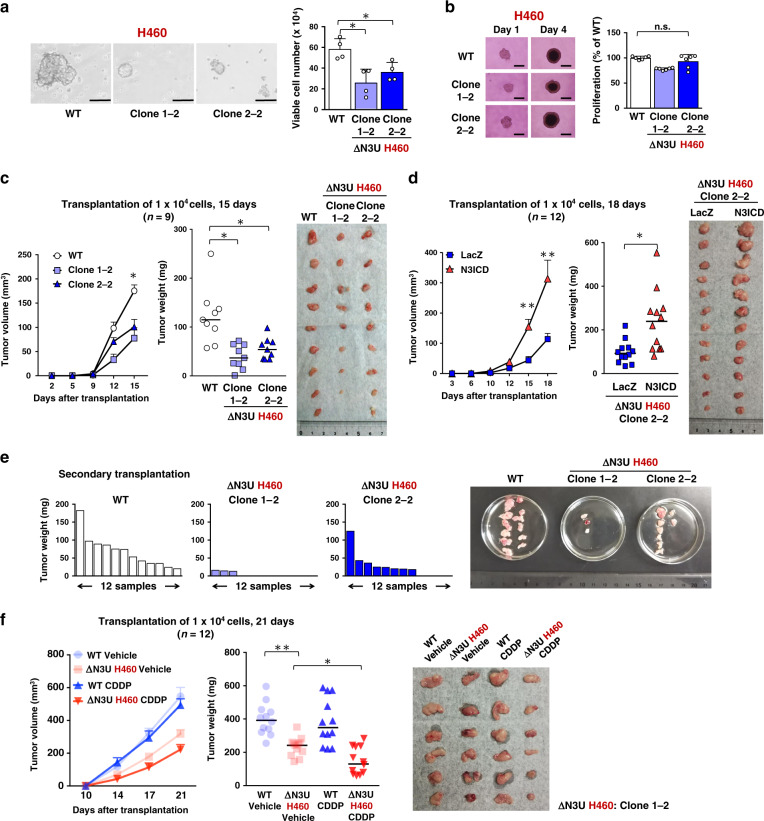 Figure 9
Peer Reviews
No public reviews on file for this paper yet. If you reviewed it on a platform where reviews are public (OpenReview, ICLR, NeurIPS, ICML), you can paste yours below so the community can read it here.
Videos
No videos yet. Explain this paper in a talk, walkthrough, or lecture? Add one.
Taxonomy
TopicsGenomics, phytochemicals, and oxidative stress · Circular RNAs in diseases · RNA modifications and cancer