Evaluation of the Broad-Range PCR/ESI-MS Technology in Blood Specimens for the Molecular Diagnosis of Bloodstream Infections
Elena Jordana-Lluch, Montserrat Giménez, Mª Dolores Quesada, Belén Rivaya, Clara Marcó, Mª Jesús Domínguez, Fernando Arméstar, Elisa Martró, Vicente Ausina

TL;DR
This study evaluates a new molecular diagnostic tool for identifying bloodstream infections, showing it can detect pathogens faster than traditional methods, especially in ICU patients.
Contribution
The study introduces and validates a PCR/ESI-MS platform for rapid pathogen detection in blood, demonstrating its potential in clinical settings.
Findings
IRIDICA detected 41 clinically significant microorganisms missed by traditional blood culture methods.
The technology showed higher sensitivity and specificity when compared to clinical infection criteria rather than blood culture alone.
It identified rare pathogens like Mycoplasma hominis and Mycobacterium simiae in immunocompromised patients.
Abstract
Rapid identification of the etiological agent in bloodstream infections is of vital importance for the early administration of the most appropriate antibiotic therapy. Molecular methods may offer an advantage to current culture-based microbiological diagnosis. The goal of this study was to evaluate the performance of IRIDICA, a platform based on universal genetic amplification followed by mass spectrometry (PCR/ESI-MS) for the molecular diagnosis of sepsis-related pathogens directly from the patient’s blood. A total of 410 whole blood specimens from patients admitted to Emergency Room (ER) and Intensive Care Unit (ICU) with clinical suspicion of sepsis were tested with the IRIDICA BAC BSI Assay (broad identification of bacteria and Candida spp.). Microorganisms grown in culture and detected by IRIDICA were compared considering blood culture as gold standard. When discrepancies were…
Genes, proteins, chemicals, diseases, species, mutations and cell lines named across the full text — each resolved to its canonical identifier and authoritative record.
Click any figure to enlarge with its caption.
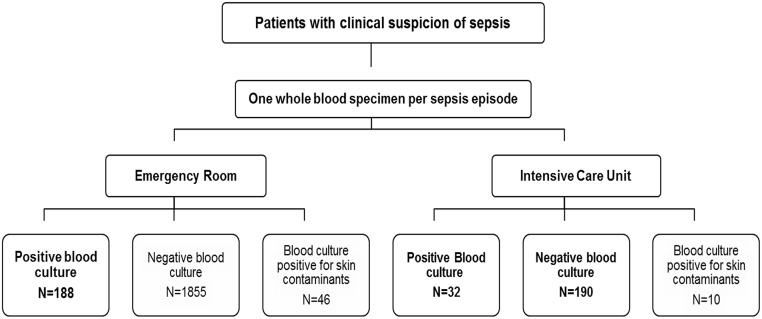 Figure 1
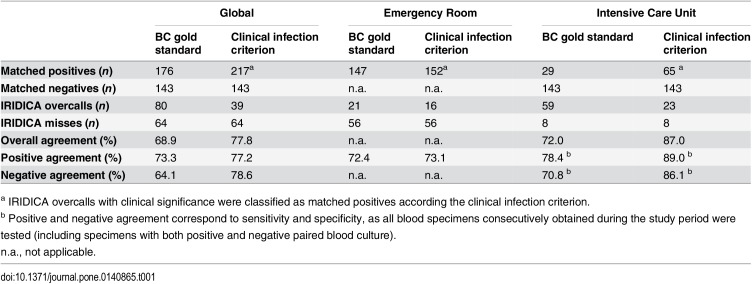 Figure 2
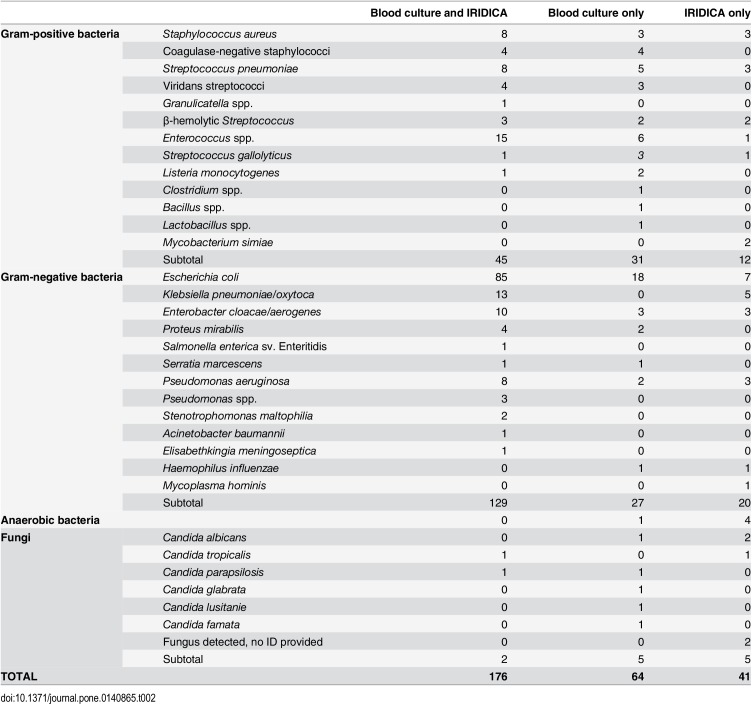 Figure 3
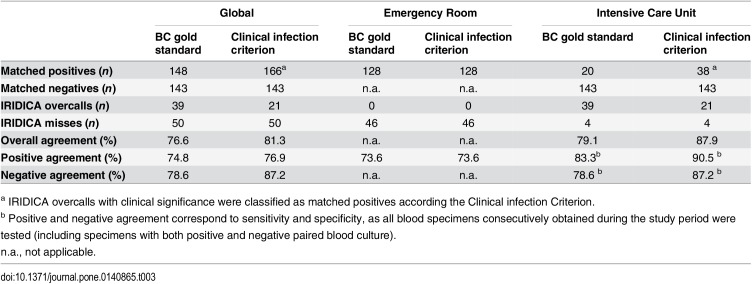 Figure 4
 Figure 5
Peer Reviews
No public reviews on file for this paper yet. If you reviewed it on a platform where reviews are public (OpenReview, ICLR, NeurIPS, ICML), you can paste yours below so the community can read it here.
Videos
No videos yet. Explain this paper in a talk, walkthrough, or lecture? Add one.
Taxonomy
TopicsEuropean Law and Migration