First Miocene rodent from Lebanon provides the 'missing link' between Asian and African gundis (Rodentia: Ctenodactylidae)
Raquel López-Antoñanzas, Fabien Knoll, Sibelle Maksoud, Dany Azar

TL;DR
A newly discovered Miocene rodent from Lebanon bridges the evolutionary gap between Asian and African gundis.
Contribution
The discovery of Proafricanomys libanensis provides the first fossil evidence linking Asian and African gundis.
Findings
Proafricanomys libanensis shares dental traits with both primitive and advanced gundis.
Cladistic analysis shows it is the sister taxon to most African ctenodactylines and a European species of African origin.
This species fills a critical gap in the evolutionary history of gundis.
Abstract
Ctenodactylinae (gundis) is a clade of rodents that experienced, in Miocene time, their greatest diversification and widest distribution. They expanded from the Far East, their area of origin, to Africa, which they entered from what would become the Arabian Peninsula. Questions concerning the origin of African Ctenodactylinae persist essentially because of a poor fossil record from the Miocene of Afro-Arabia. However, recent excavations in the Late Miocene of Lebanon have yielded a key taxon for our understanding of these issues. Proafricanomys libanensis nov. gen. nov. sp. shares a variety of dental characters with both the most primitive and derived members of the subfamily. A cladistic analysis demonstrates that this species is the sister taxon to a clade encompassing all but one of the African ctenodactylines, plus a southern European species of obvious African extraction. As such,…
Genes, proteins, chemicals, diseases, species, mutations and cell lines named across the full text — each resolved to its canonical identifier and authoritative record.
Click any figure to enlarge with its caption.
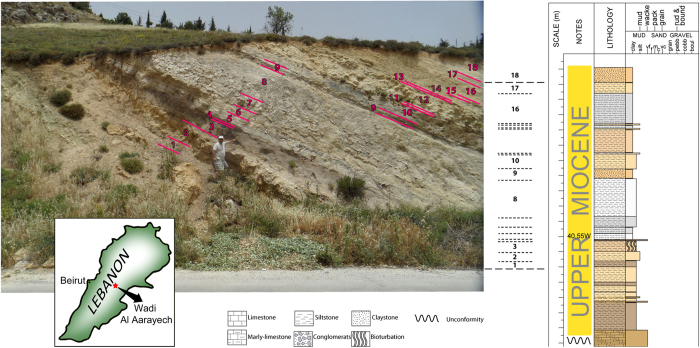 Figure 1
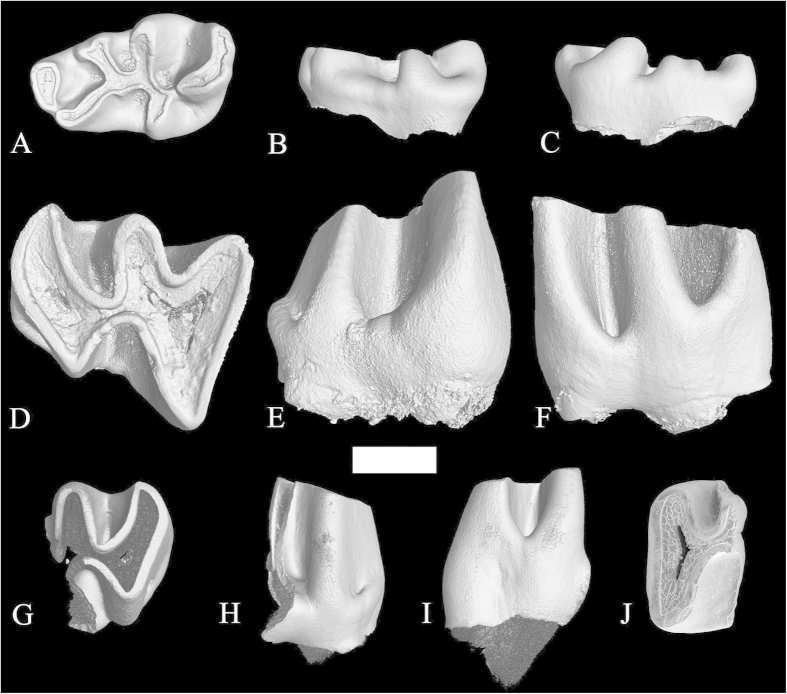 Figure 2
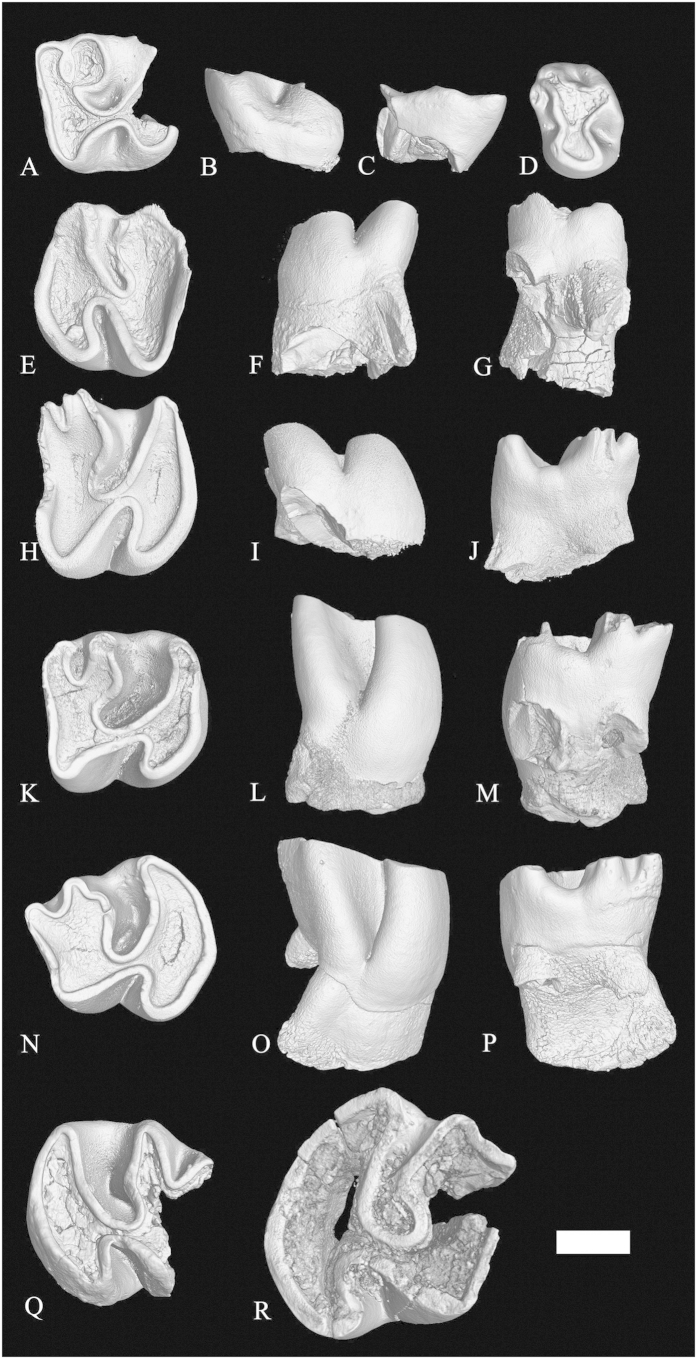 Figure 3
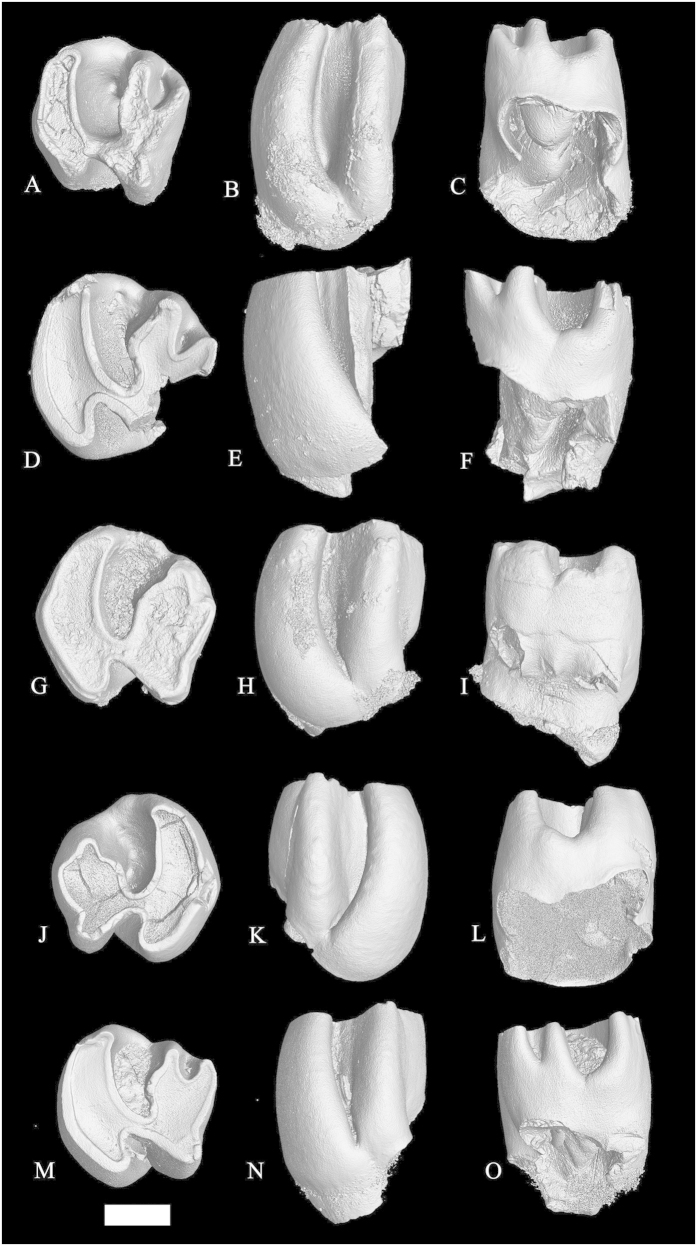 Figure 4
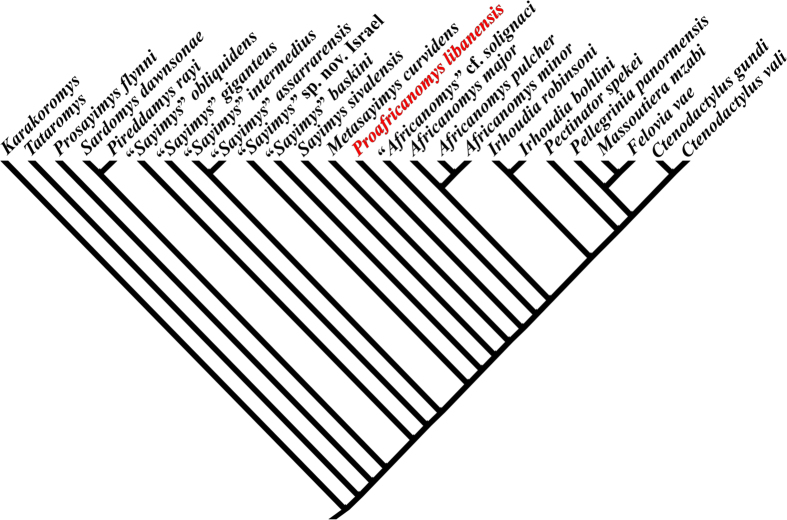 Figure 5
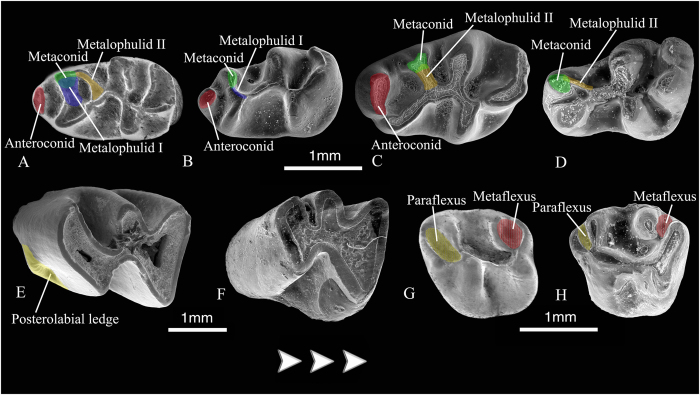 Figure 6
Peer Reviews
No public reviews on file for this paper yet. If you reviewed it on a platform where reviews are public (OpenReview, ICLR, NeurIPS, ICML), you can paste yours below so the community can read it here.
Videos
No videos yet. Explain this paper in a talk, walkthrough, or lecture? Add one.
Taxonomy
TopicsEvolution and Paleontology Studies