Association of VH4-59 Antibody Variable Gene Usage with Recognition of an Immunodominant Epitope on the HIV-1 Gag Protein
Valentine U. Chukwuma, Mark D. Hicar, Xuemin Chen, Katherine J. Nicholas, Amanda Joyner, Spyros A. Kalams, Gary Landucci, Donald N. Forthal, Paul W. Spearman, James E. Crowe

TL;DR
This study shows that a specific antibody gene, VH4-59, is linked to non-functional antibodies against a key HIV protein, potentially explaining immune system distraction during infection.
Contribution
The study identifies a molecular mechanism linking VH4-59 gene usage to non-functional anti-Gag antibodies in HIV.
Findings
VH4-59-encoded antibodies target a linear epitope on the HIV-1 Gag p17 subunit.
These antibodies do not neutralize HIV or enhance immune functions like ADCC or T cell reactivity.
The epitope may divert B cell resources, contributing to immune evasion by HIV.
Abstract
The human antibody response against HIV-1 infection recognizes diverse antigenic subunits of the virion, and includes a high level of antibodies to the Gag protein. We report here the isolation and characterization of a subset of Gag-specific human monoclonal antibodies (mAbs) that were prevalent in the antibody repertoire of an HIV-infected individual. Several lineages of Gag-specifc mAbs were encoded by a single antibody heavy chain variable region, VH4-59, and a representative antibody from this group designated mAb 3E4 recognized a linear epitope on the globular head of the p17 subunit of Gag. We found no evidence that mAb 3E4 exhibited any function in laboratory studies aimed at elucidating the immunologic activity, including assays for neutralization, Ab-dependent cell-mediated virus inhibition, or enhanced T cell reactivity caused by Gag-3E4 complexes. The findings suggest this…
Genes, proteins, chemicals, diseases, species, mutations and cell lines named across the full text — each resolved to its canonical identifier and authoritative record.
Click any figure to enlarge with its caption.
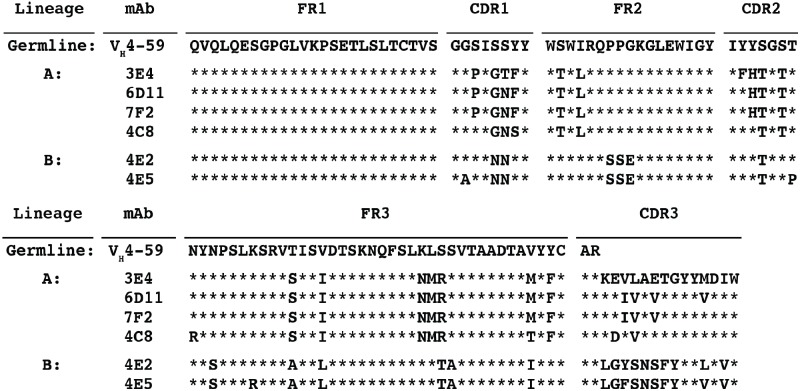 Figure 1
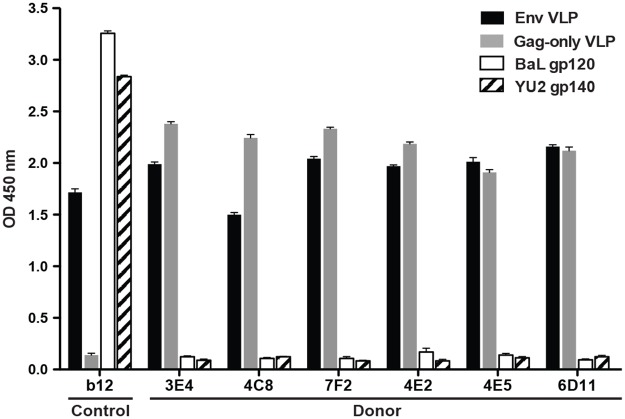 Figure 2
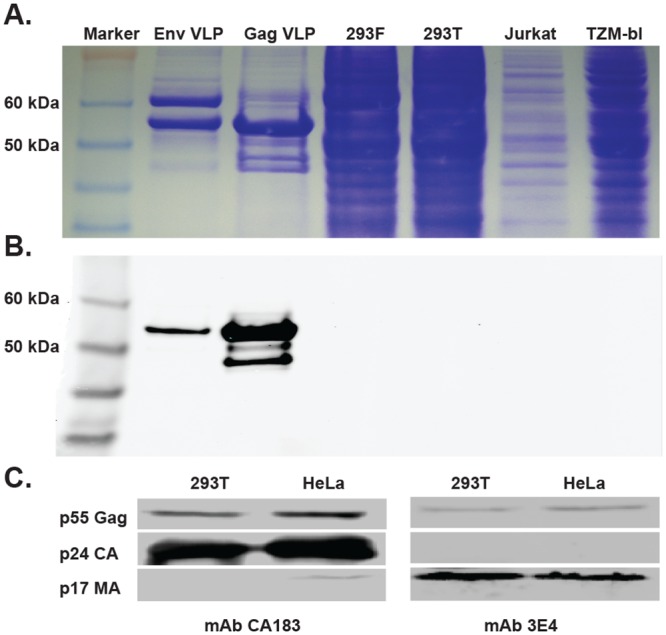 Figure 3
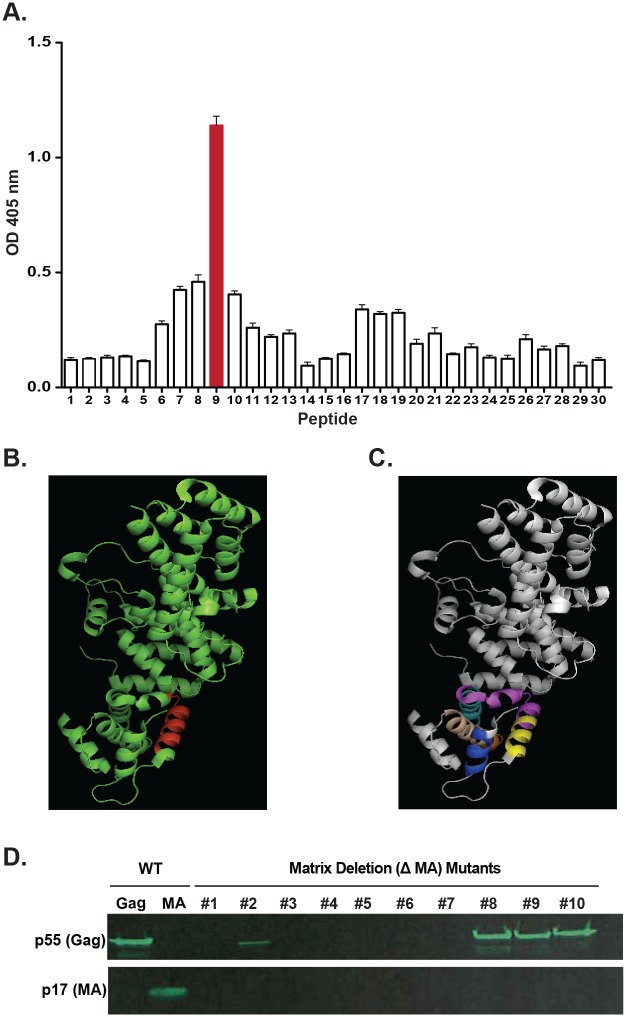 Figure 4
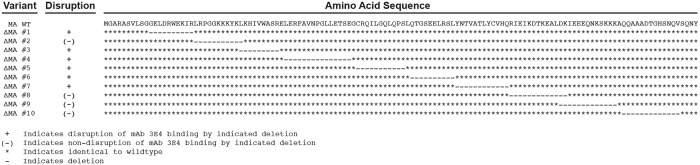 Figure 5
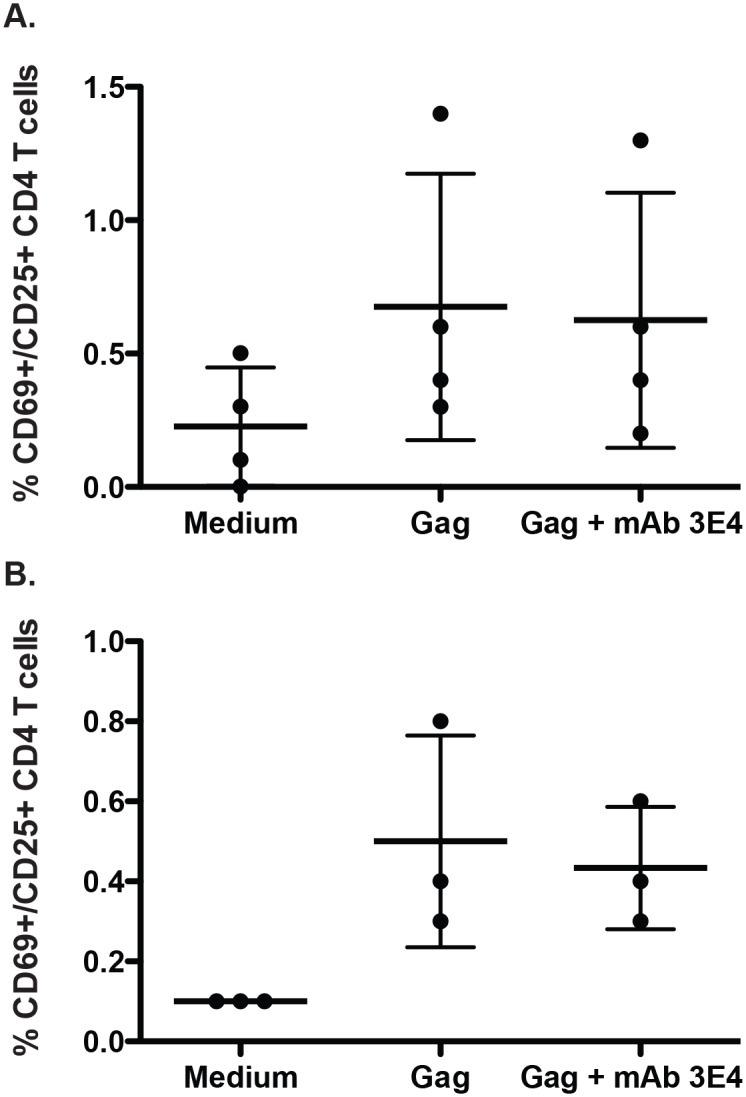 Figure 6
 Figure 7
Peer Reviews
No public reviews on file for this paper yet. If you reviewed it on a platform where reviews are public (OpenReview, ICLR, NeurIPS, ICML), you can paste yours below so the community can read it here.
Videos
No videos yet. Explain this paper in a talk, walkthrough, or lecture? Add one.
Taxonomy
TopicsHIV Research and Treatment · Immune Cell Function and Interaction · Monoclonal and Polyclonal Antibodies Research