Carbohydrate mediated drug delivery: Synthesis and characterization of new lipid-conjugates
Moghis U. Ahmad, Shoukath M. Ali, Ateeq Ahmad, Saifuddin Sheikh, Paul Chen, Imran Ahmad

TL;DR
This paper presents a new method to create lipid-drug carriers that target specific receptors using carbohydrates, tested for gene delivery in cells.
Contribution
A novel synthetic approach for cationic glycolipids with potential for targeted drug delivery is introduced.
Findings
PAPM and PAPG lipid conjugates were successfully synthesized for drug targeting.
Compound 1a showed binding inhibition with Concanavalin A using invertase enzyme.
The lipid conjugates were tested for gene transfection in A549 cells.
Abstract
A new synthetic methodology for cationic glycolipids using p-aminophenyl-α-d-mannopyranoside (PAPM), p-aminophenyl-α-d-galactopyranoside (PAPG) was developed. PAPM-lipids and PAPG-lipids conjugates were also synthesized for targeting drugs to receptors. A binding inhibition study of synthesized p-(dimethylamino butylamido) phenyl-α-d-mannopyranoside (1a) with Concanavalin A was performed using invertase enzyme. In addition, transfection of pSV-β-gal reporter gene with was investigated in A549 cells.
Genes, proteins, chemicals, diseases, species, mutations and cell lines named across the full text — each resolved to its canonical identifier and authoritative record.
Click any figure to enlarge with its caption.
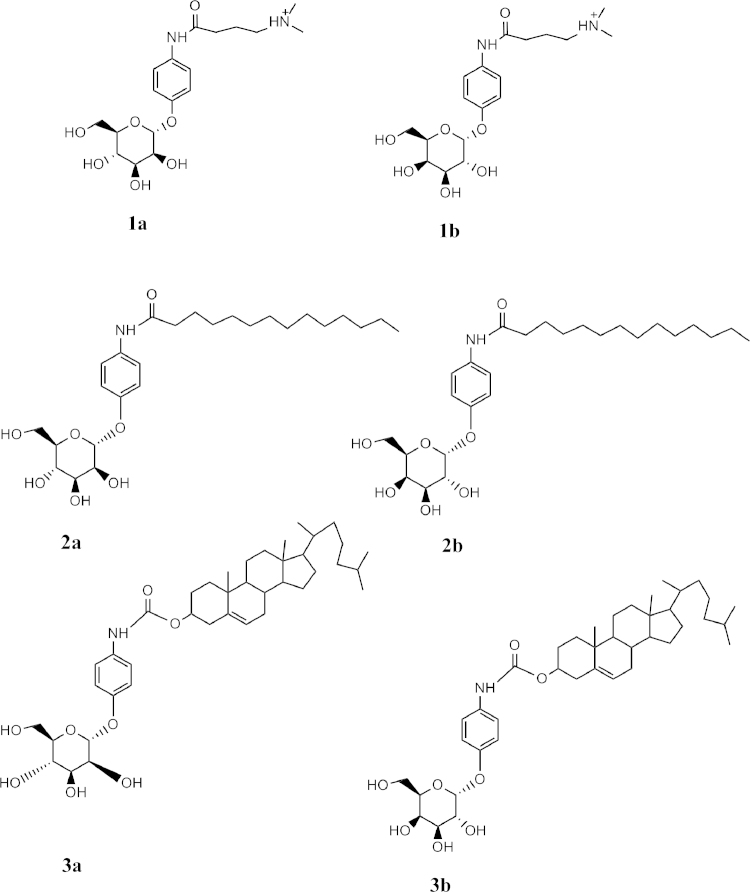 Figure 1
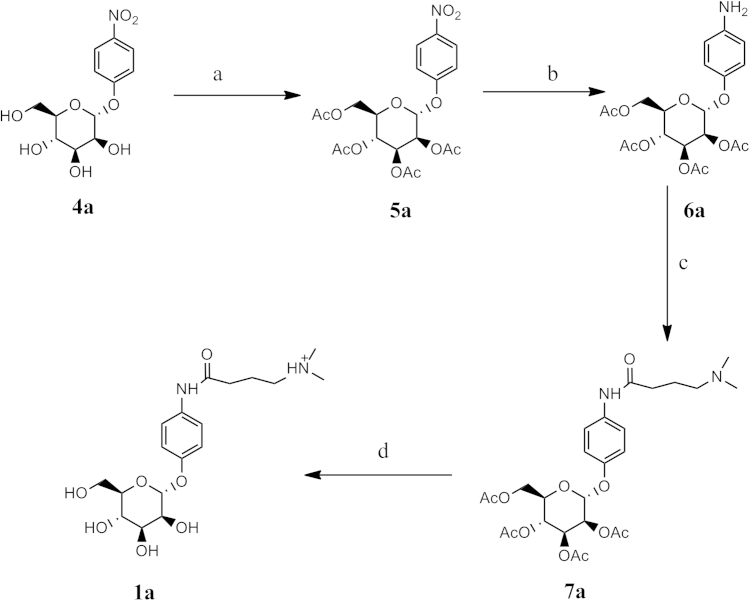 Figure 2
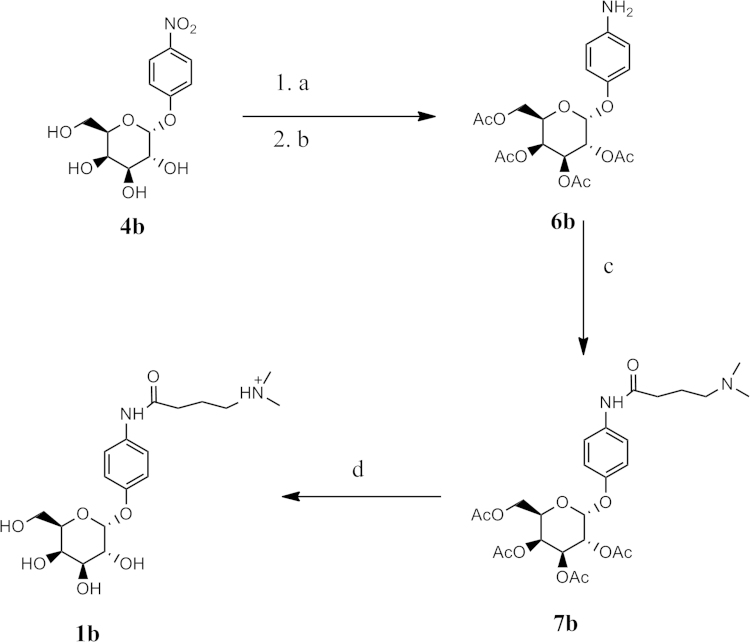 Figure 3
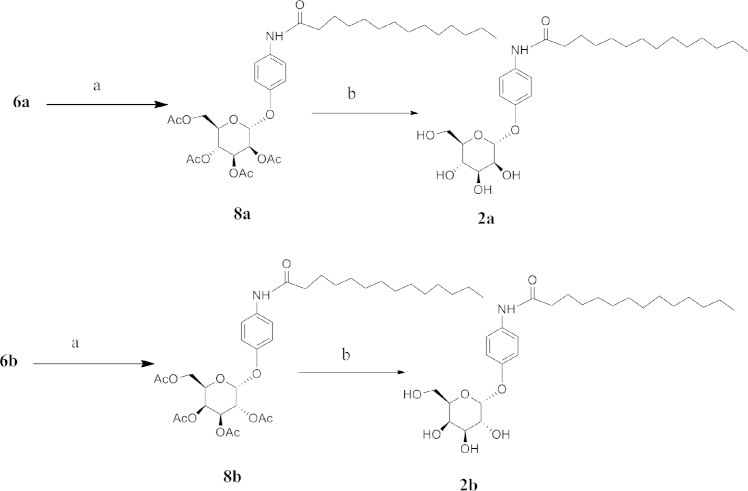 Figure 4
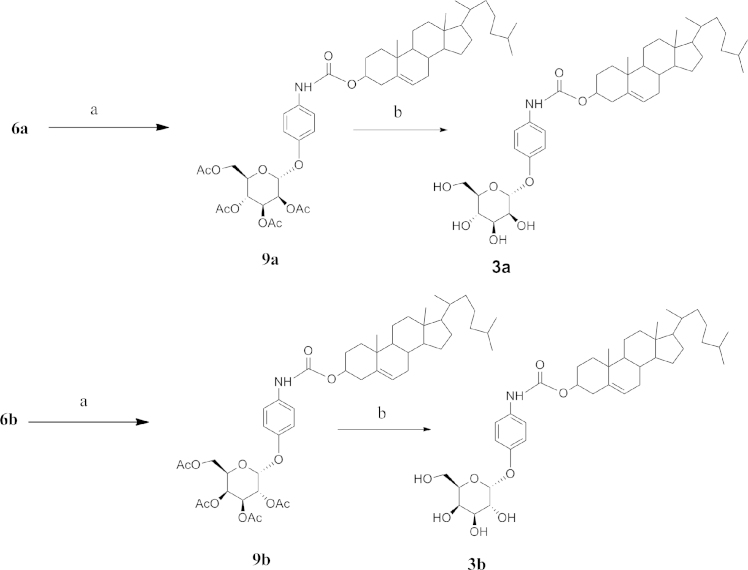 Figure 5
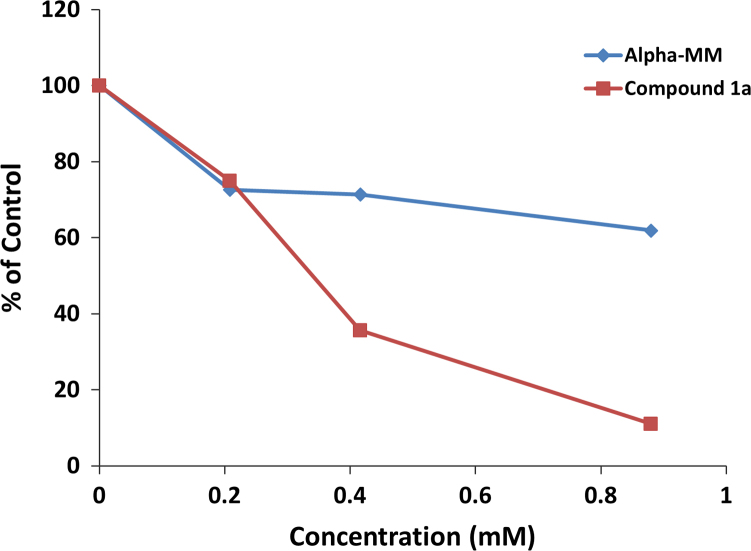 Figure 6
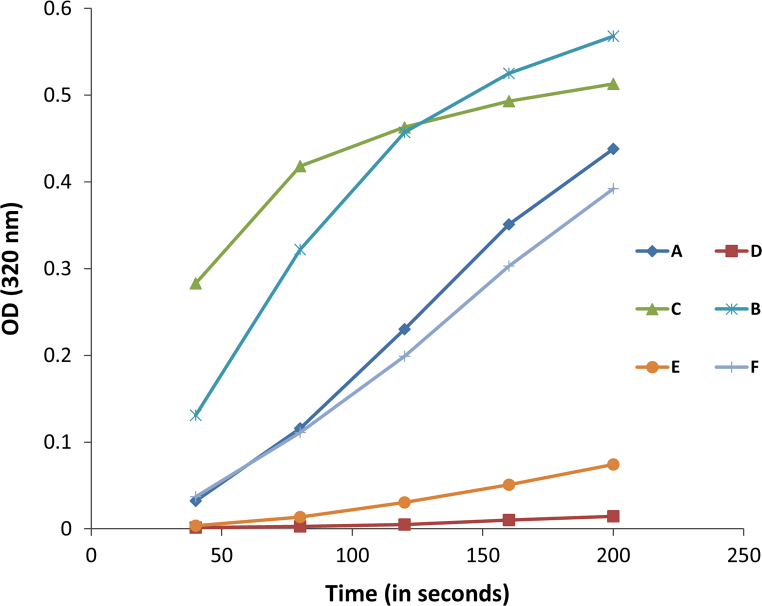 Figure 7
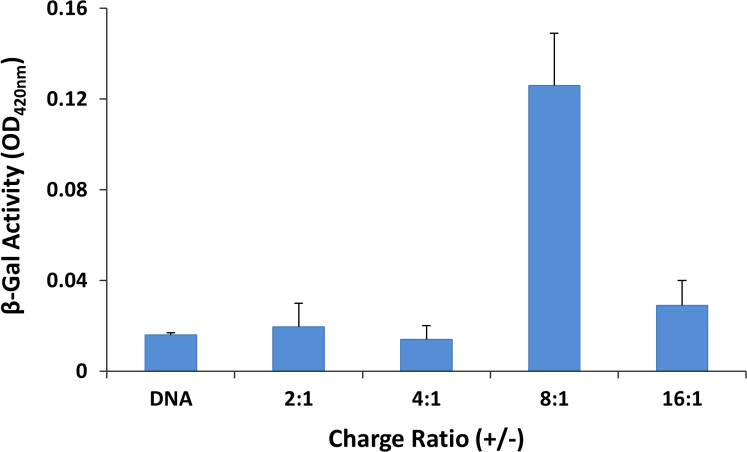 Figure 8
Peer Reviews
No public reviews on file for this paper yet. If you reviewed it on a platform where reviews are public (OpenReview, ICLR, NeurIPS, ICML), you can paste yours below so the community can read it here.
Videos
No videos yet. Explain this paper in a talk, walkthrough, or lecture? Add one.
Taxonomy
TopicsGlycosylation and Glycoproteins Research · Carbohydrate Chemistry and Synthesis · RNA Interference and Gene Delivery
Specifications tableSubject areaChemistry, lipids, and biologyMore specific subject areaSynthesis of carbohydrate-lipid conjugates and its biological activityType of dataSynthesis, spectroscopy data, graph, figureHow data was acquiredNMR (Varian Inova 500 MHz), Mass spectroscopy (Nicolet Nexus 470 FT-IR), Optical rotation (Perkin Elmer Polarimeter), IR (Nicolet Nexus 470 FT-IR), UV (SpectraMax M2e, Molecular Devices), cell cultureData formatAnalyzedExperimental factorsCells were grown in the Petri Dishes before treatment of samplesExperimental featuresCompounds 1a, 2a, 3a, and 1b, 2b, and 3b were synthesized starting from p-nitrophenyl-α-d-mannopyranoside and p-nitrophenyl-α-d-galactopyranoside, respectively. All these compounds were characterized by NMR, IR and Mass spectroscopy, optical rotation etc. Compound 1a was taken as a representative sample for binding-inhibition studies and transfection.Data source locationNAData accessibilityThe data is included in this article.
Value of the data
- •The article describes the synthesis of new lipid-carbohydrate conjugates.
- •The synthesized compounds can be potentially used to target mannose cell surface receptors.
- •The synthesized compounds 1a and 1b can potentially be used in transfection.
Experimental design, materials and methods
1
Synthesis and characterization
1.1
The schemes for synthesis of carbohydrate-lipid conjugates) are depicted in [Figs. 1–5](#f0005 f0010 f0015 f0020 f0025). All the intermediates and final products were characterized by 1H NMR, 13C NMR, IR, HRMS, and optical rotation.
Binding inhibition study
1.2
Concanavalin A (Con A), Invertase, and α-MM were purchased from Sigma Aldrich. Solutions of compound 1a (2.5 mM, 1.25 mM, 0.625 mM), α-MM (2.5 mM, 1.25 mM, 0.625 mM), Con A (20 µM) and Invertase (2 µM) were prepared in phosphate buffered saline (PBS pH 7.4). Solutions of 1a and α-MM, at various concentrations were mixed with equal volumes of Con A or PBS in triplicate in microtiter plate. Equal volumes of Invertase were added to each well resulting in the final concentration of 1a and α-MM 0.833 mM, 0.416 mM, and 0.208 mM. The final concentration of Con A, and Invertase in test wells were 6.6 µM and 0.66 µM, respectively. An increase in turbidity at 320 nm (OD320) was monitored at room temperature using SpectraMax M2e (Molecular Devices, CA, USA) ([Figs. 6 and 7](#f0030 f0035)). Binding of Con A to Invertase was used as control (100%) aggregation and PBS was used a blank.
In vitro transfection
1.3
A549 cells (human lung cancer) were obtained from the National Cancer Institute (Frederick, MD) and maintained in Dulbecco’s modified Eagle’s medium (DMEM) supplemented with 10% heat-inactivated fetal bovine serum (FBS). DMEM, FBS and other cell culture reagents were purchased from Life Technologies (Carlsbad, CA).
Log-phase A549 cells were seeded in 96-well plates (20,000 cells/well) and cultured overnight in a standard 5% CO_2_ incubator. The culture medium was removed and cells were washed with sterile phosphate-buffered saline (PBS) before adding the transfection mixture. The transfection mixture was prepared by adding reporter gene, pSV-β-gal control vector (Promega, Madison, WI) into equal volume of different concentrations of (1a) to yield a series of mixtures with +/‐ charge ratios of 2:1; 4:1; 8:1; 16:1. The mixture was added to and incubated with the cells for 6 h before replaced with regular culture medium. The cells were cultured for a total of 24 h. The total amount of DNA plasmid was 0.2 µg/well in 96-well plates. Both DNA plasmid and 1a were diluted with OptiMEM I medium (Life Technologies (Carlsbad, CA). The transfection efficiency was determined using β-Galactosidase Enzyme Assay System (Promega, Madison, WI) according to the manufacturer’s protocol (Fig. 8).