A Mutagenesis Assay for Reporter Gene Screening Using Partially Degenerate Oligonucleotides of the Tandems NNT and NNC
Huifen Xu, Cuilan Zhou, Andy K. Zhang, Wen Li, Jia Zhang, Kai Li

TL;DR
This paper introduces a new mutagenesis assay using specific DNA sequences to test how well a gene can tolerate mutations, which is important for biotechnology and drug development.
Contribution
The novel mutagenesis assay uses NNT and NNC oligonucleotides to safely test gene mutability without causing harmful mutations.
Findings
The NNT and NNC oligonucleotides prevent nonsense mutations and allow flexible insertion sizes.
The ZeoR gene was confirmed to be highly tolerant to mutagenesis using this new assay.
Abstract
Not all proteins are tolerable to mutations. Whether a specific protein can be a mutable target is of importance in the biotechnology and pharmaceutical industry. This study reported a novel mutagenesis assay using tandem NNT and NNC oligonucleotides to test the mutability of a candidate gene. These two tandem oligonucleotides avoid the risk of forming nonsense mutations and render flexibility of truncating or expanding the insertion size. As a reporter gene, ZeoR (zeocin resistance gene) was confirmed to have a high tolerance for mutagenesis by this new assay.
Genes, proteins, chemicals, diseases, species, mutations and cell lines named across the full text — each resolved to its canonical identifier and authoritative record.
Click any figure to enlarge with its caption.
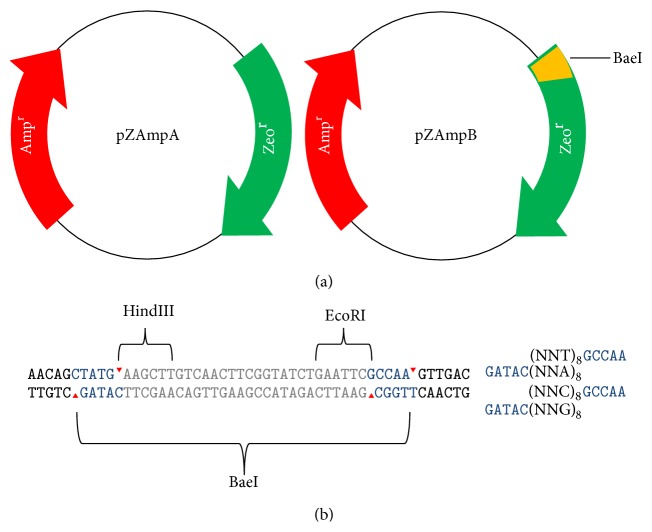 Figure 1
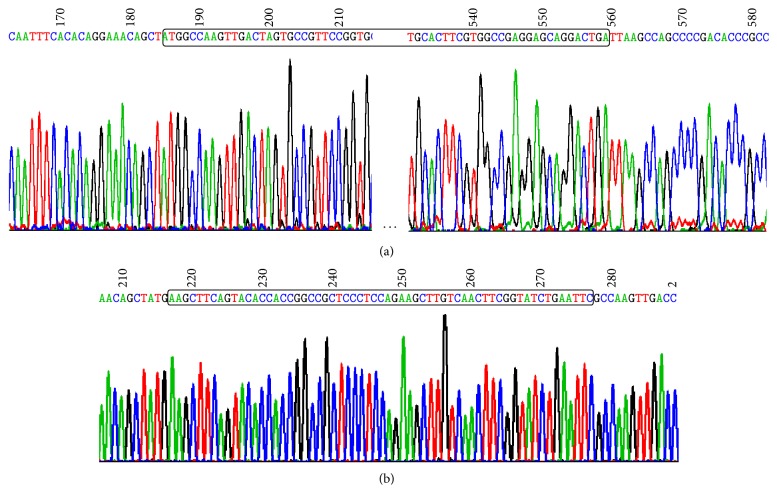 Figure 2
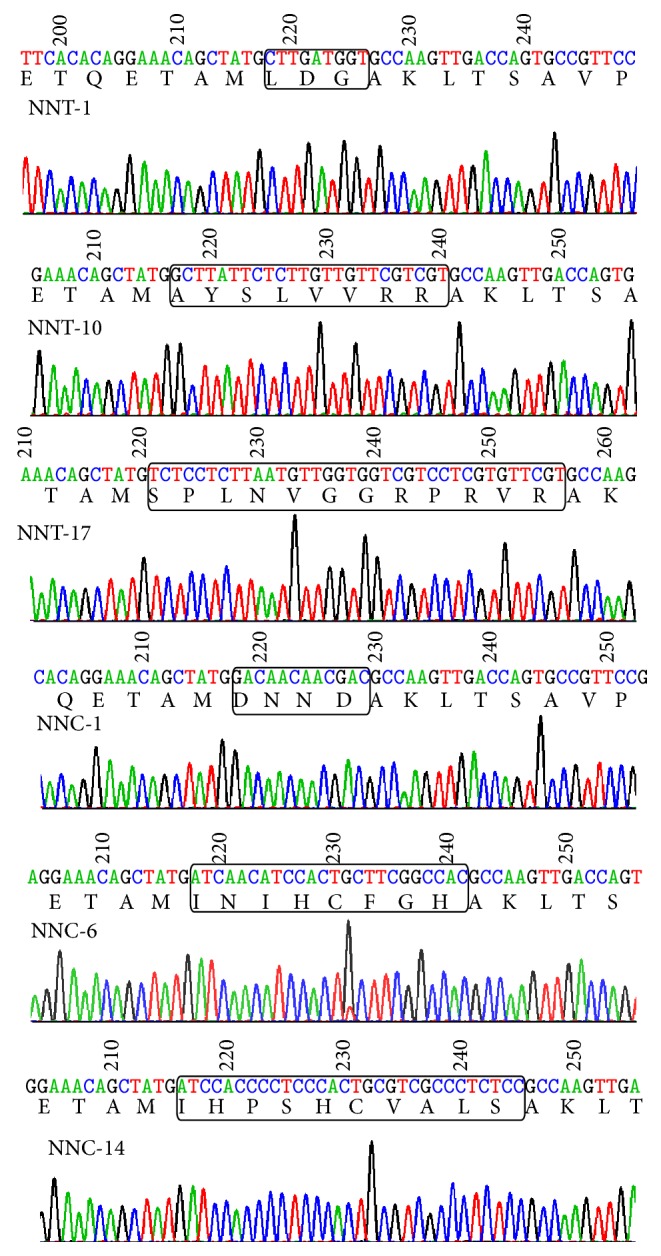 Figure 3
Peer Reviews
No public reviews on file for this paper yet. If you reviewed it on a platform where reviews are public (OpenReview, ICLR, NeurIPS, ICML), you can paste yours below so the community can read it here.
Videos
No videos yet. Explain this paper in a talk, walkthrough, or lecture? Add one.
Taxonomy
TopicsCRISPR and Genetic Engineering · Plant Genetic and Mutation Studies · RNA and protein synthesis mechanisms