Development and Evaluation of Benzofuran Oxoacetic Acid Compounds as EPAC1 Activators
David Morgan, Jolanta Wiejak, Frederick G. Powell, Chiara Fitzpatrick, Stephen J. Yarwood, Graeme Barker

TL;DR
This paper introduces new benzofuran compounds that activate EPAC1, a protein involved in fibrosis, and shows their potential as antifibrotic agents with better tolerability than existing drugs.
Contribution
The study presents benzofuran oxoacetic acids as novel EPAC1 activators with antifibrotic potential and favorable tolerability.
Findings
Several benzofuran analogues selectively activated EPAC1 in cells without activating EPAC2 or protein kinase A.
The compounds inhibited TGF-β1-induced fibroblast-to-myofibroblast transition with midmicromolar potency.
Some compounds attenuated IL-6/STAT3 signaling in endothelial cells, suggesting anti-inflammatory potential.
Abstract
Exchange protein directly activated by cAMP 1 (EPAC1) modulates Rap signaling and fibrosis. We report benzofuran oxoacetic acids as non-nucleotide EPAC1 agonists. Convergent synthesis delivered C2-diversified analogues (overall yields ≈ 3–7%). Fluorescent competition at isolated CNBDs mapped isoform engagement: several analogues favored EPAC1 (e.g., DM244, DM357, and DM408), DM312 favored EPAC2, and small C2 changes tuned bias. In cells, EPAC1-transfected U2OS assays showed significant Rap1-GTP increases for DM243, DM244, and DM245, with no activation in EPAC2 cells and no detectable protein kinase A activity. In disease-relevant contexts, the series attenuated IL-6/STAT3 signaling in human umbilical vascular endothelial cells and inhibited TGF-β1-induced fibroblast-to-myofibroblast transition (αSMA, Collagen I) with midmicromolar potencies; known drugs, SB525334 and nintedanib,…
Genes, proteins, chemicals, diseases, species, mutations and cell lines named across the full text — each resolved to its canonical identifier and authoritative record.
Click any figure to enlarge with its caption.
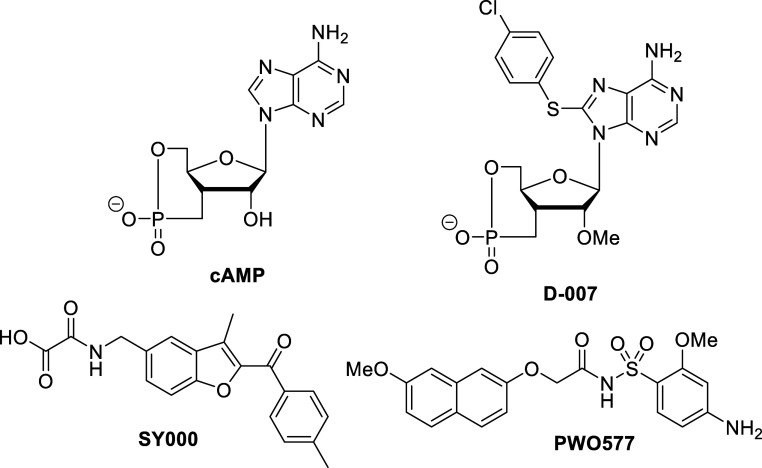 Figure 1
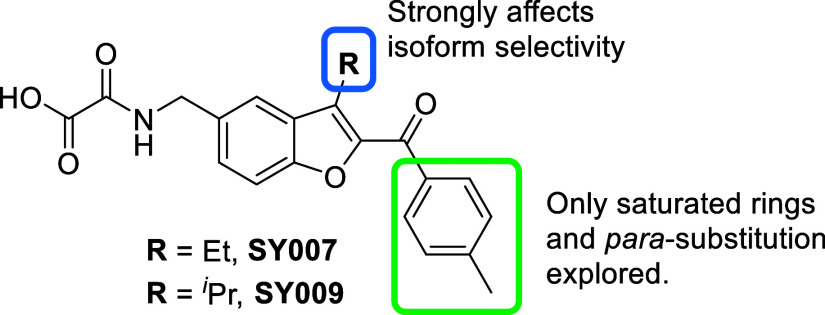 Figure 2
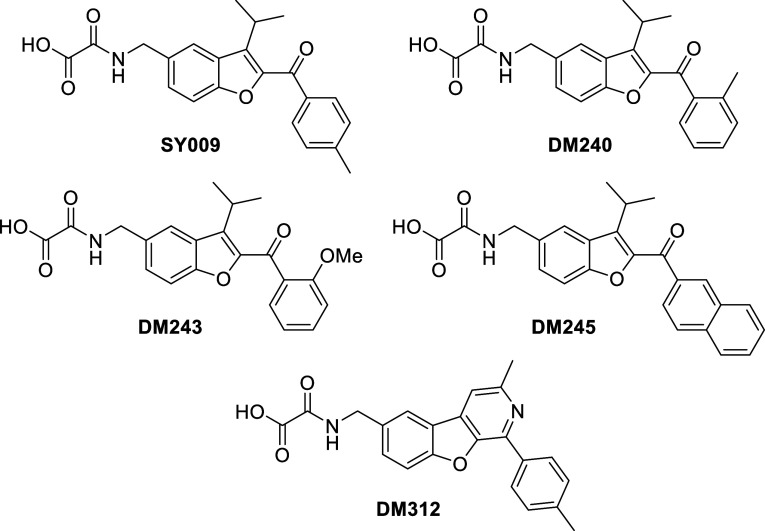 Figure 3
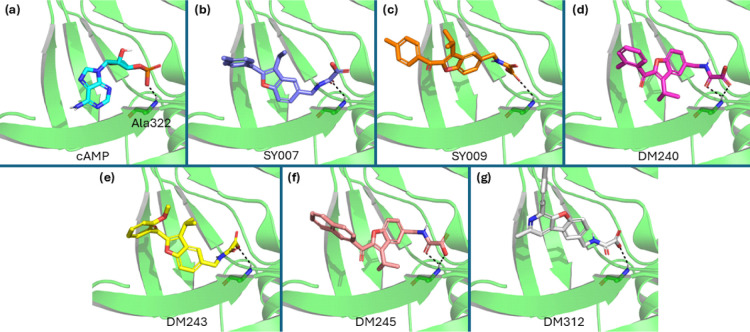 Figure 4
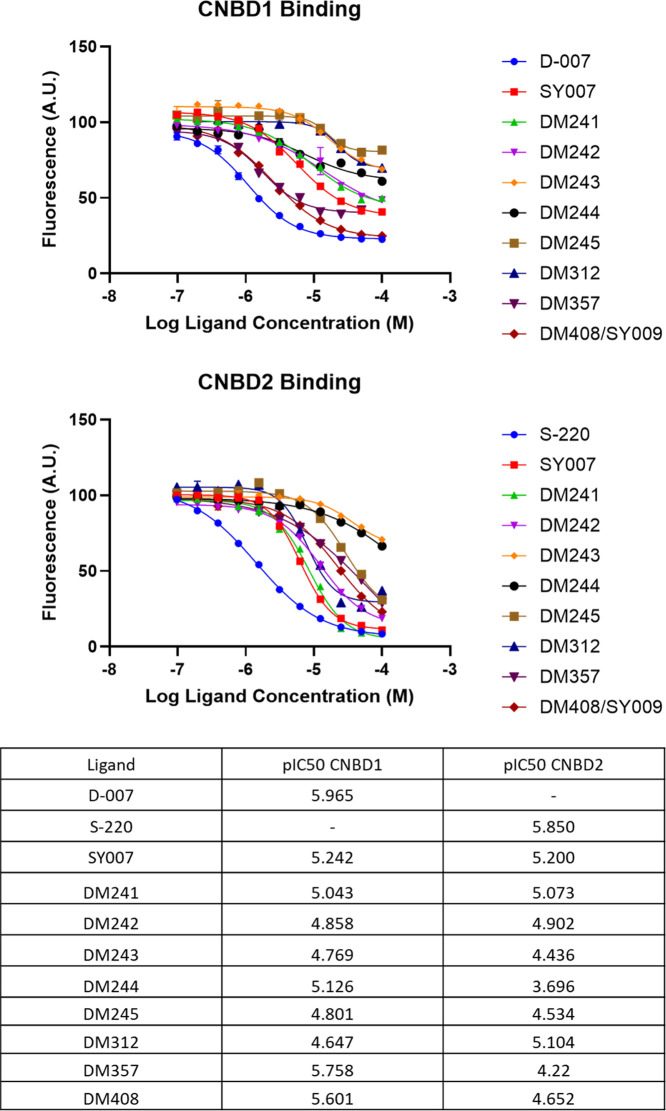 Figure 5
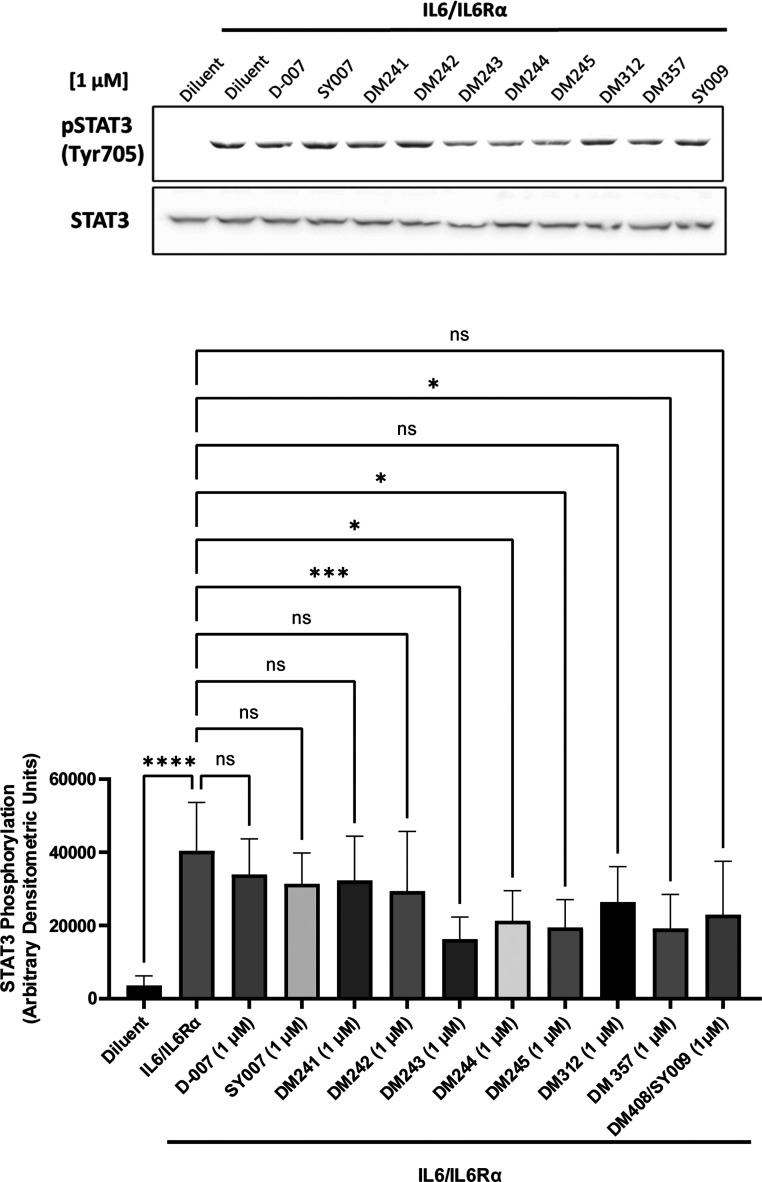 Figure 6
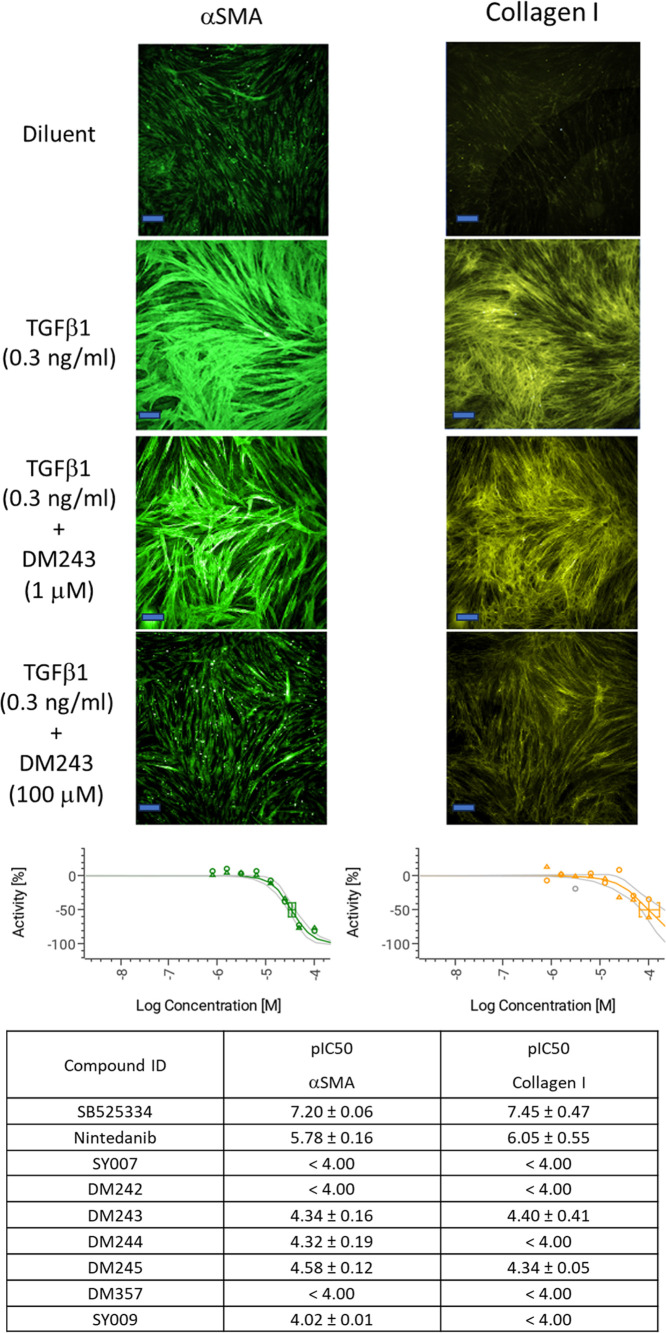 Figure 7
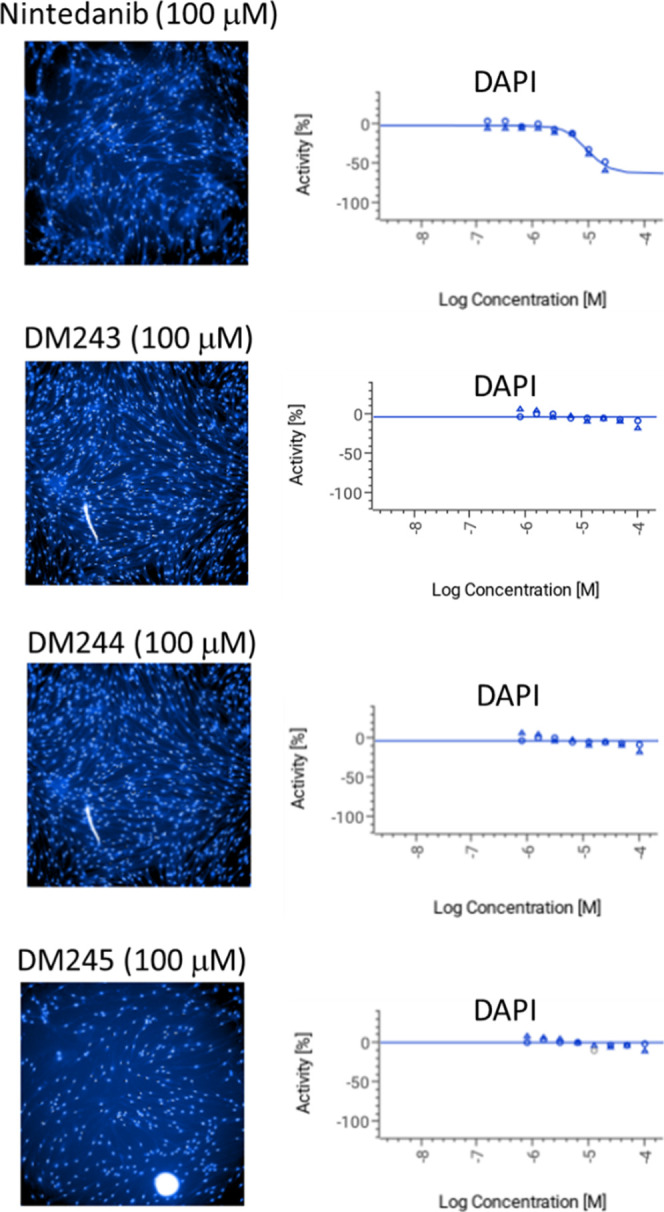 Figure 8
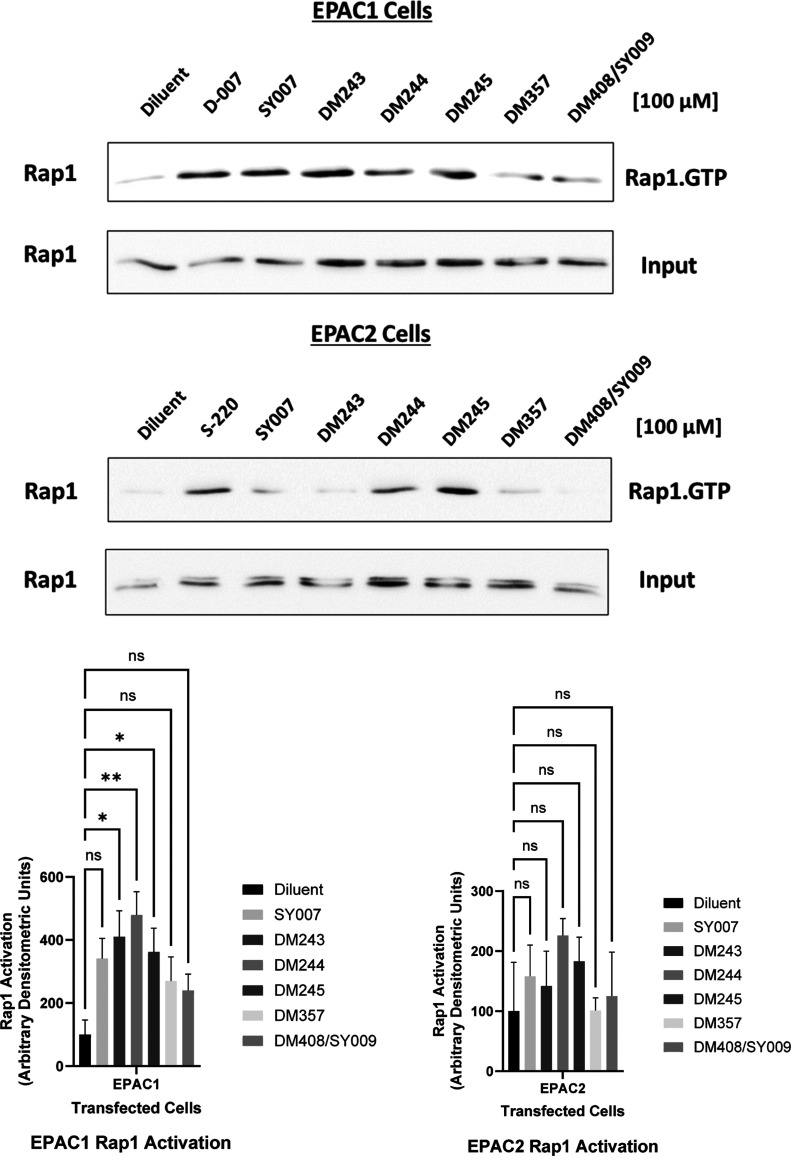 Figure 9
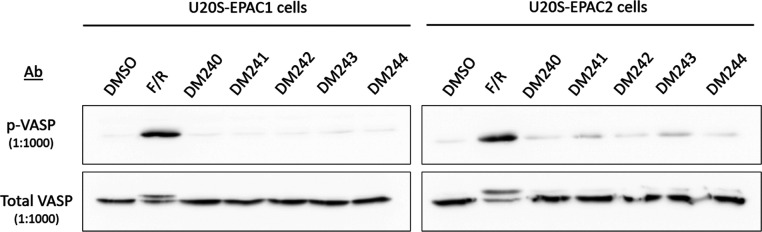 Figure 10
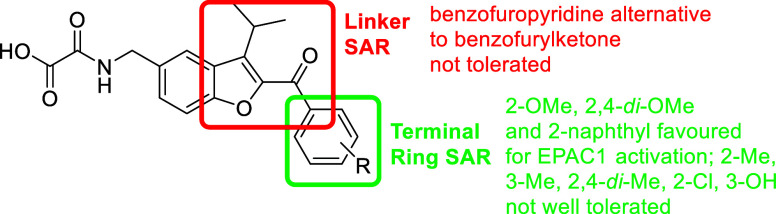 Figure 11
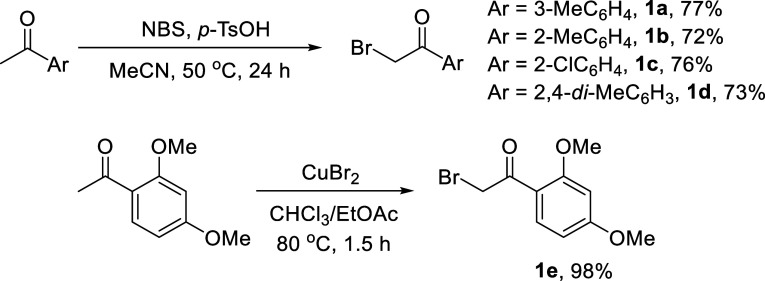 Figure 12
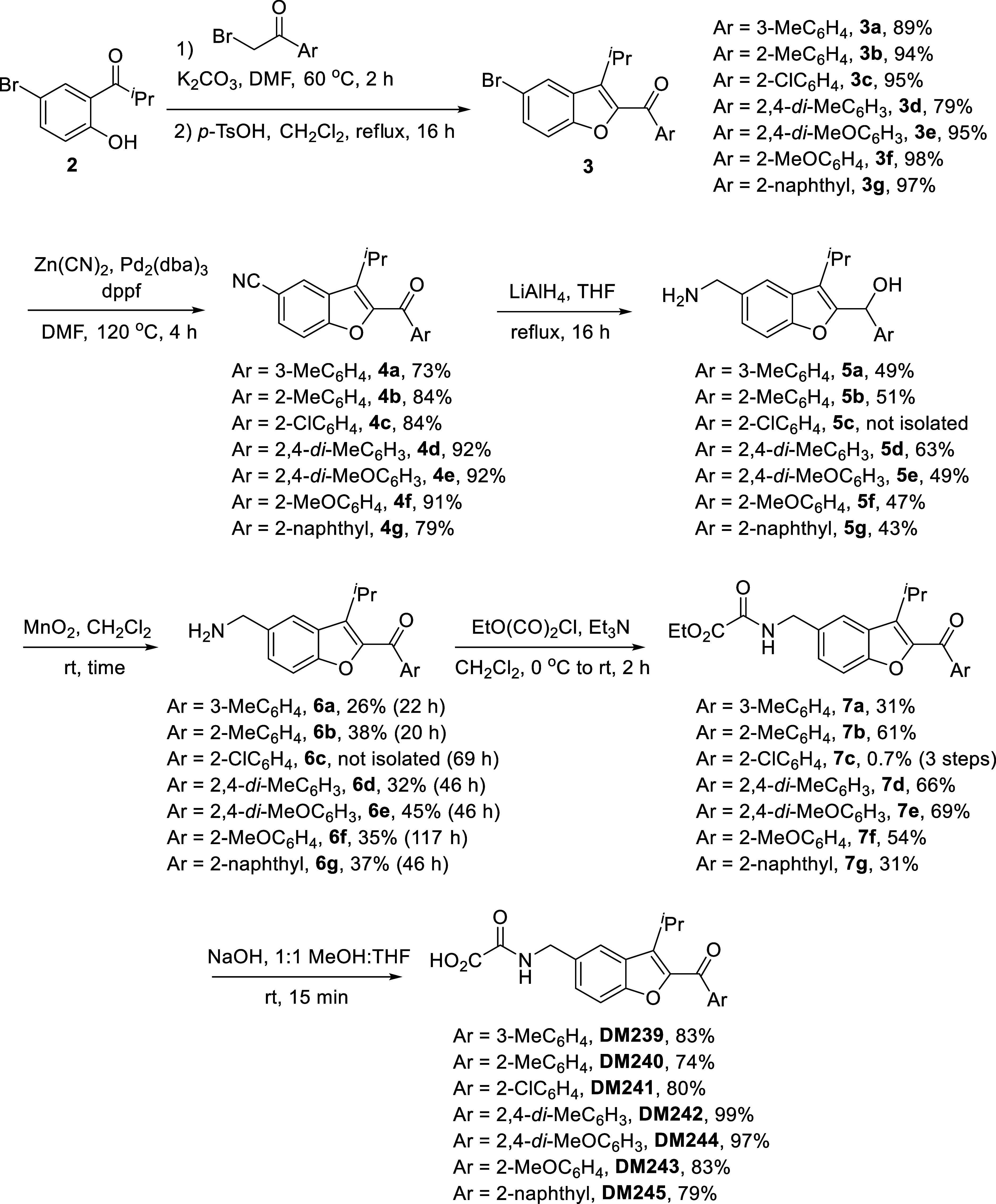 Figure 13
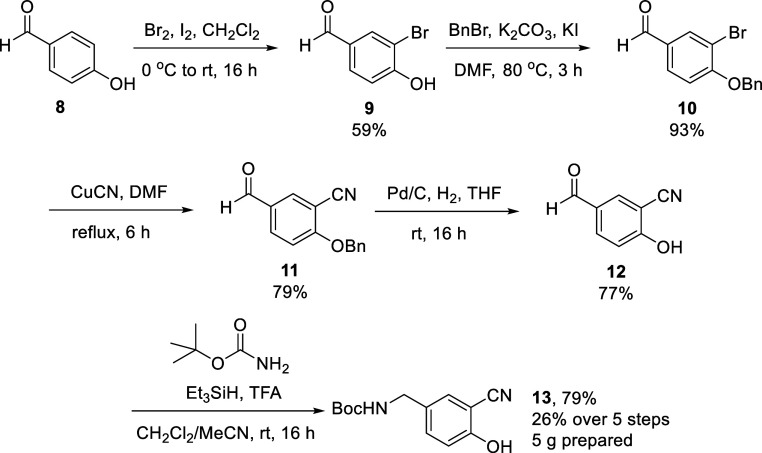 Figure 14
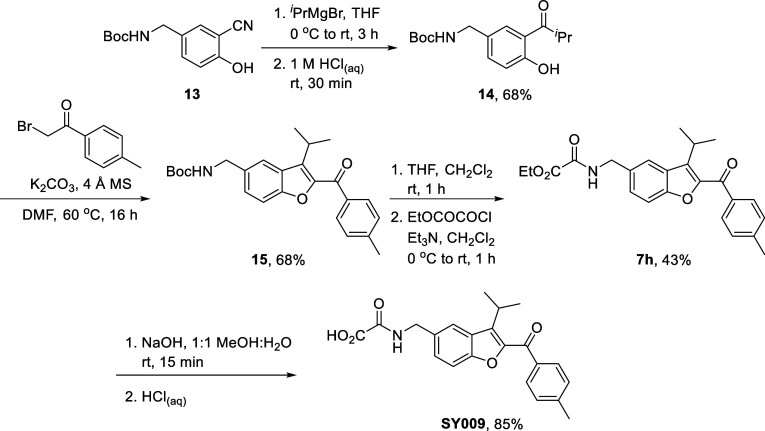 Figure 15
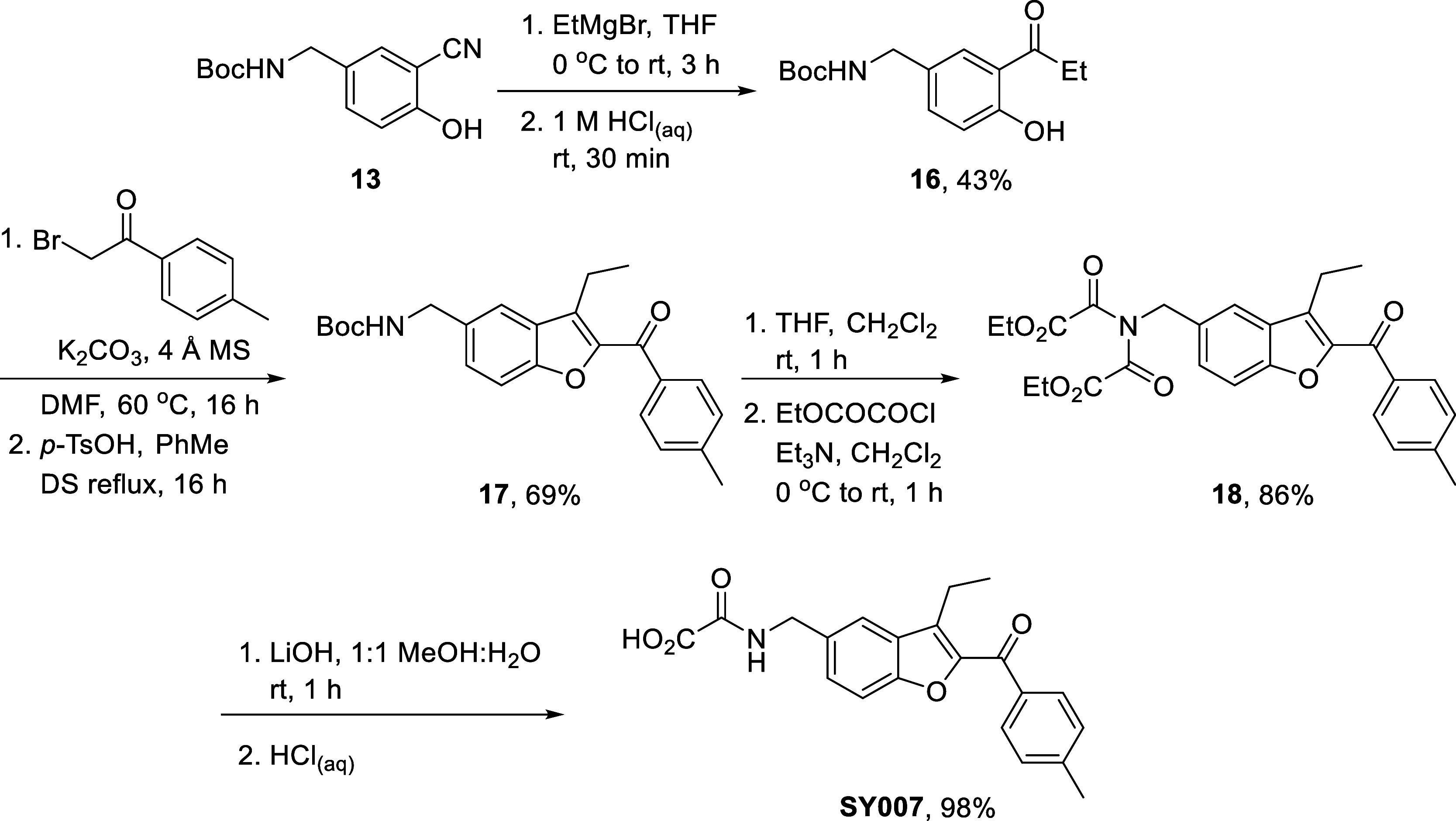 Figure 16
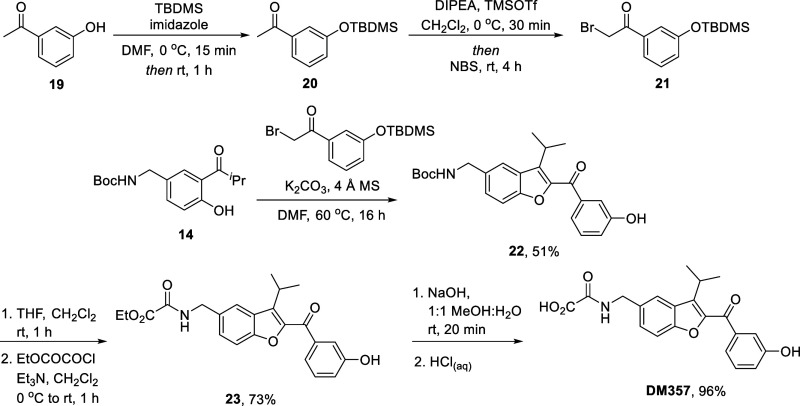 Figure 17
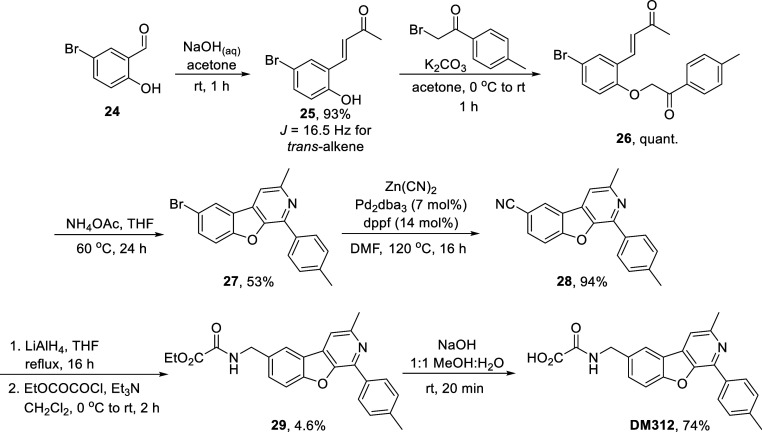 Figure 18
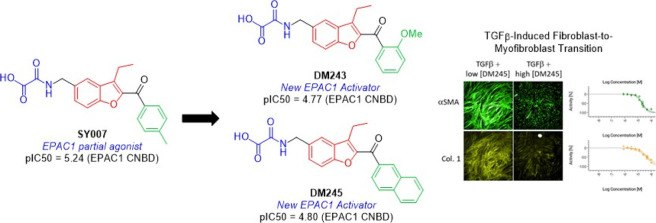 Figure 19
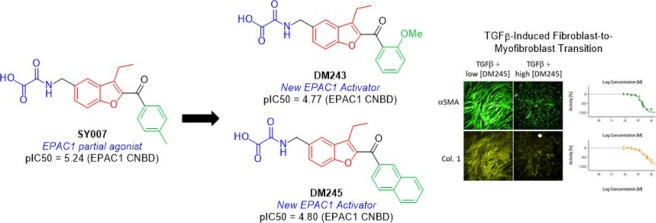 Figure 20
Peer Reviews
No public reviews on file for this paper yet. If you reviewed it on a platform where reviews are public (OpenReview, ICLR, NeurIPS, ICML), you can paste yours below so the community can read it here.
Videos
No videos yet. Explain this paper in a talk, walkthrough, or lecture? Add one.
Taxonomy
TopicsSulfur Compounds in Biology · Carcinogens and Genotoxicity Assessment · Coenzyme Q10 studies and effects