Biological and Genomic Characterization of Two Astaxanthin-Producing Paracoccus marcusii Isolates as a Potential Source for Food Additives
Keeman Lee, Eun Jeong Park, Jee Eun Han, Soojin Lim, Tae Seon Cha, Seunghui Lee, Seojeong Choi, Yejin Seo, Seon Young Park, Ji Hyung Kim

TL;DR
Two new strains of Paracoccus marcusii are found to produce astaxanthin, a valuable antioxidant pigment, making them promising for natural food and cosmetic additives.
Contribution
The study provides the first genomic and biochemical characterization of two new P. marcusii isolates as potential astaxanthin producers.
Findings
Both GCUPA1 and GCUPA3 strains produce astaxanthin as their main carotenoid.
Genome analysis shows intact biosynthetic gene clusters for astaxanthin production.
The isolates show strong antioxidant activity and potential for sustainable production.
Abstract
Astaxanthin (AST), a carotenoid pigment, has garnered significant interest due to its potent antioxidant, anti-inflammatory, and antibacterial properties, indicating that it is a valuable natural additive in the aquaculture, nutraceutical, and cosmetic industries. To date, Paracoccus spp., a known astaxanthin-producing bacteria, has emerged as a potential microbial source of substantial AST production yield and biosynthetic capabilities. This study reports the biochemical and genomic characterization of two Paracoccus isolates, GCUPA1 and GCUPA3, focusing on their potential as sources of natural carotenoids. Both strains were characterized by distinctive red-orange pigmentation and identified as P. marcusii based on 16S rRNA analysis. Spectroscopic and chromatographic analyses were performed to identify the predominant carotenoids, and the results established AST as the predominant…
Genes, proteins, chemicals, diseases, species, mutations and cell lines named across the full text — each resolved to its canonical identifier and authoritative record.
Click any figure to enlarge with its caption.
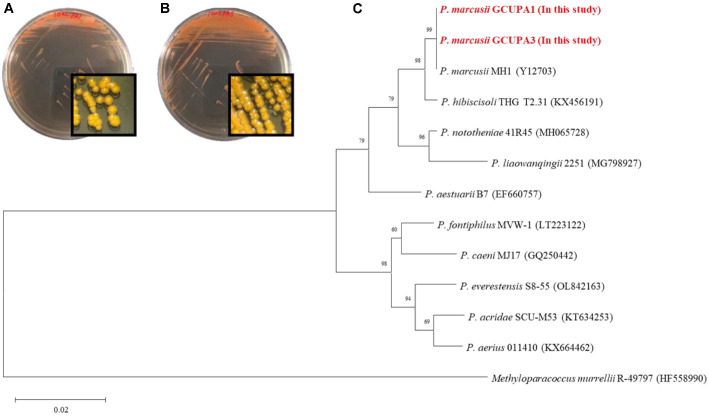 Figure 1
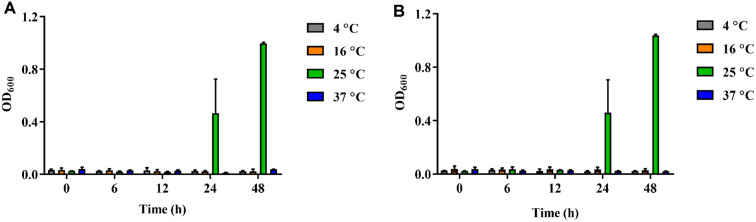 Figure 2
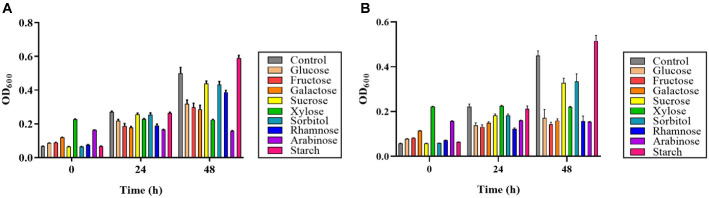 Figure 3
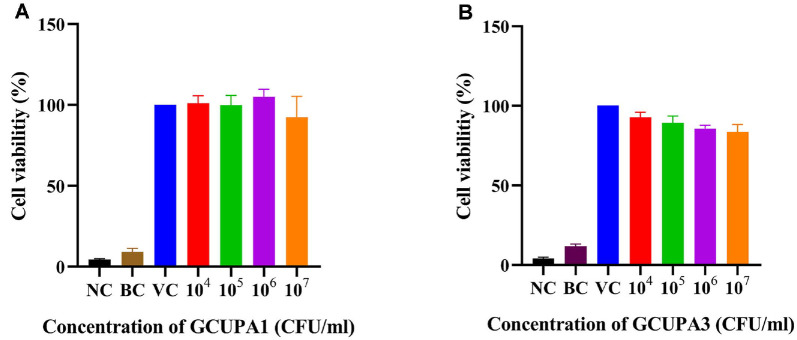 Figure 4
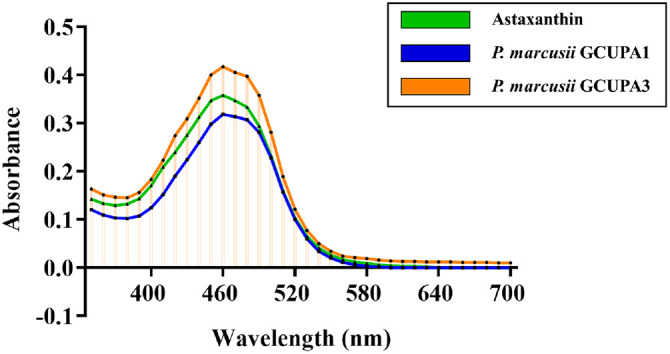 Figure 5
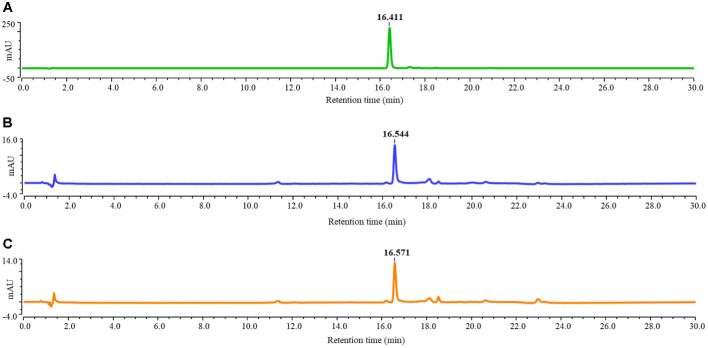 Figure 6
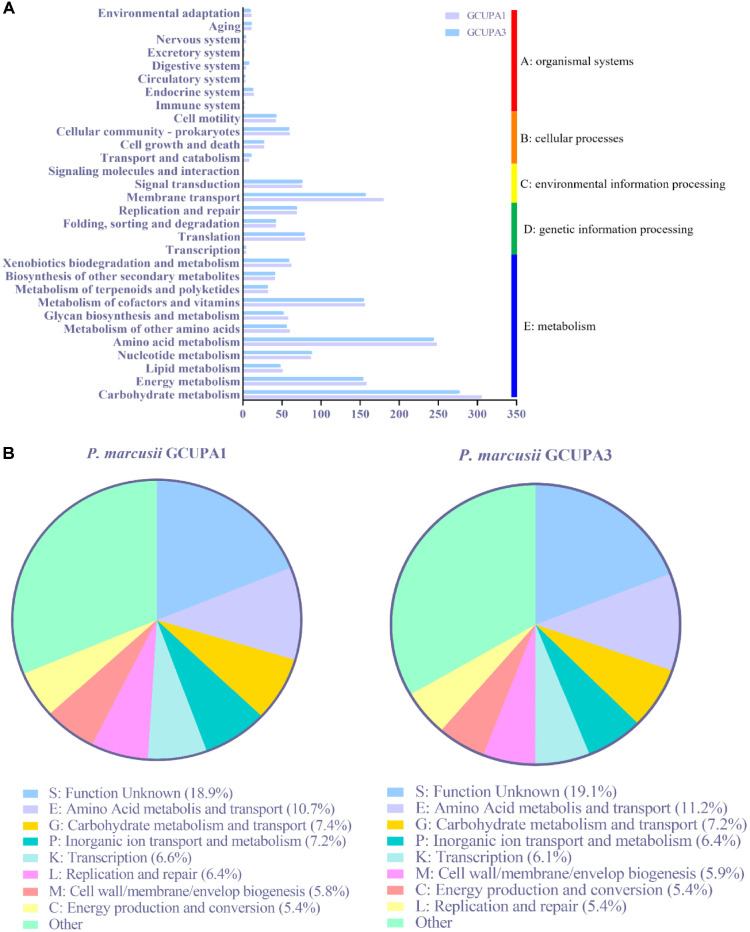 Figure 7
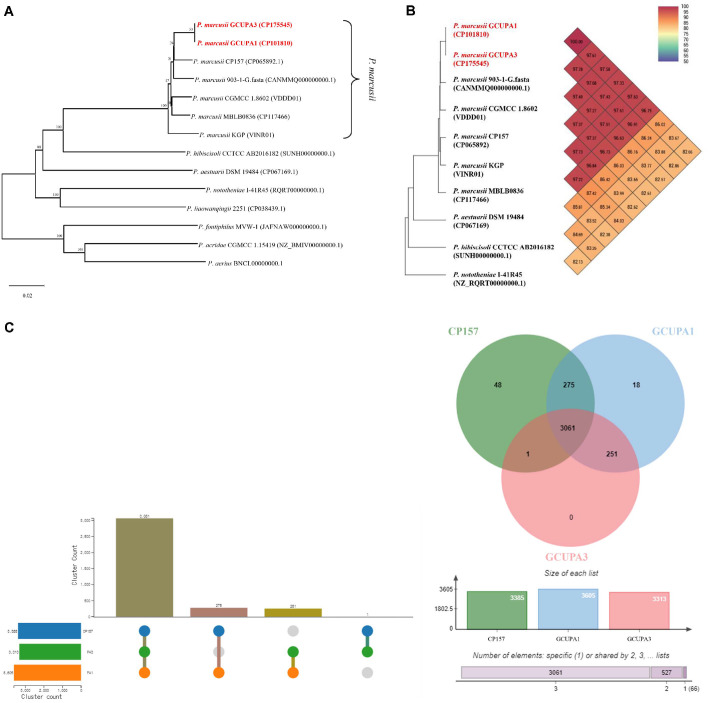 Figure 8
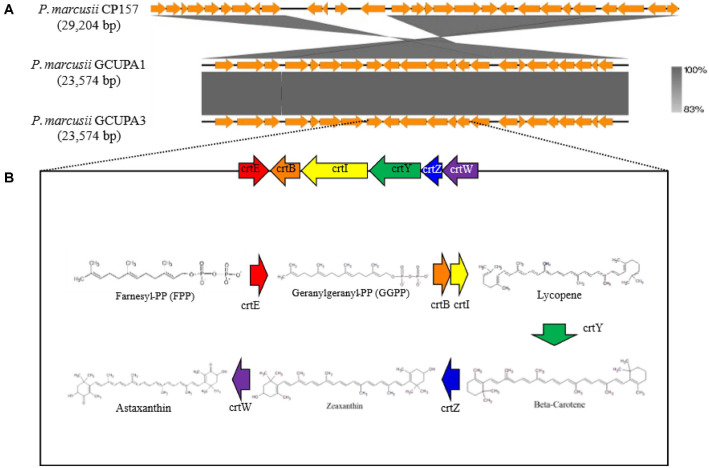 Figure 9
 Figure 10
Peer Reviews
No public reviews on file for this paper yet. If you reviewed it on a platform where reviews are public (OpenReview, ICLR, NeurIPS, ICML), you can paste yours below so the community can read it here.
Videos
No videos yet. Explain this paper in a talk, walkthrough, or lecture? Add one.
Taxonomy
TopicsMicrobial Metabolism and Applications · Antioxidant Activity and Oxidative Stress · Biochemical and biochemical processes