The NAD salvage pathway enzyme NMNAT-C sustains dark-phase NAD+ homeostasis in cyanobacteria
Feng Zhang, Hailei Zhang, Pengxi Wang, Yinyao Qi, Huankai Li, Lin Zhu, Gefei Huang, Yiji Xia, Zongwei Cai

TL;DR
A recycling enzyme helps cyanobacteria maintain levels of a vital cellular cofactor during darkness, supporting metabolic stability across daily light–dark cycles.
Contribution
NMNAT-C is identified as a key enzyme in the NAD+ salvage pathway that sustains NAD+ homeostasis during dark phases in cyanobacteria.
Findings
Deleting NMNAT-C accelerated NAD+ depletion during dark periods and increased dark stress sensitivity.
Overexpression of NMNAT-C temporarily raised NAD+ levels but caused adverse effects over time.
NMNAT-C mediates metabolic crosstalk between the NAD+ salvage and de novo pathways.
Abstract
Nicotinamide adenine dinucleotide (NAD+) is a crucial cofactor in cyanobacteria, which serve as model organisms for studying photosynthesis. Maintaining NAD+ homeostasis in cyanobacteria is critically important, and it is currently believed that multiple pathways contribute to NAD+ biosynthesis in these organisms. However, the specific contribution of each pathway to NAD+ supplementation under both light and dark conditions, which determines NAD+ homeostasis, has not yet been studied. In this study, we identified NMNAT-C, a cyanobacterial nicotinamide nucleotide adenylyltransferase (NMNAT), as a key player in NAD+ homeostasis, particularly during dark phases. NMNAT-C showed opposite-phase oscillations in expression, aligned with NAD+ fluctuations during light–dark cycles. Genetic and biochemical tests revealed that deleting NMNAT-C in one cyanobacterium (Synechococcus elongatus PCC…
Genes, proteins, chemicals, diseases, species, mutations and cell lines named across the full text — each resolved to its canonical identifier and authoritative record.
Click any figure to enlarge with its caption.
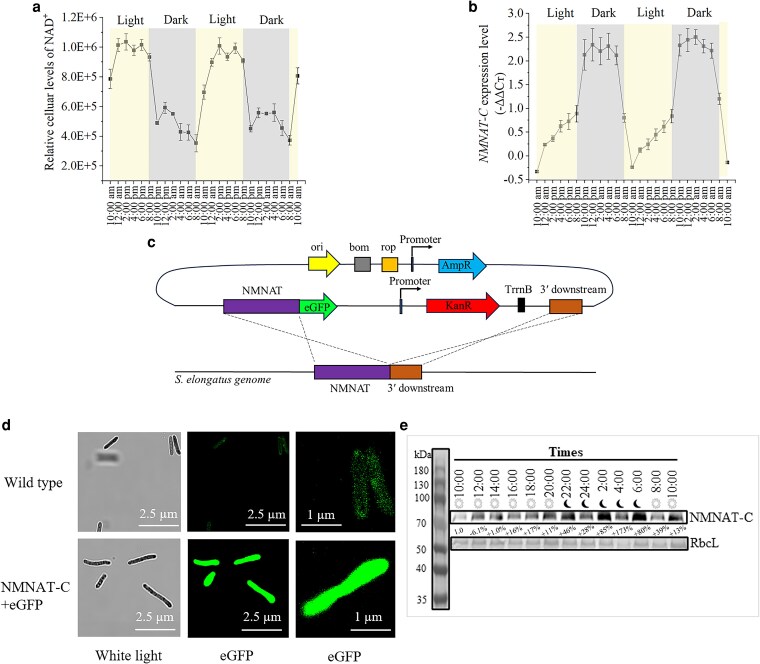 Figure 1
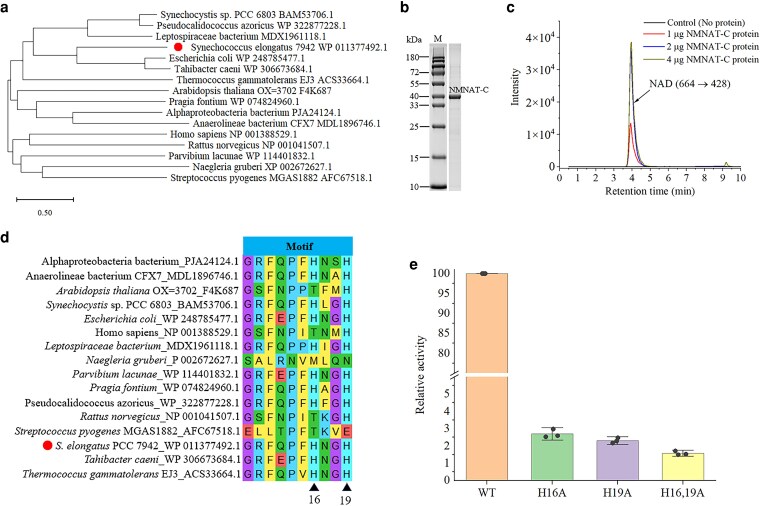 Figure 2
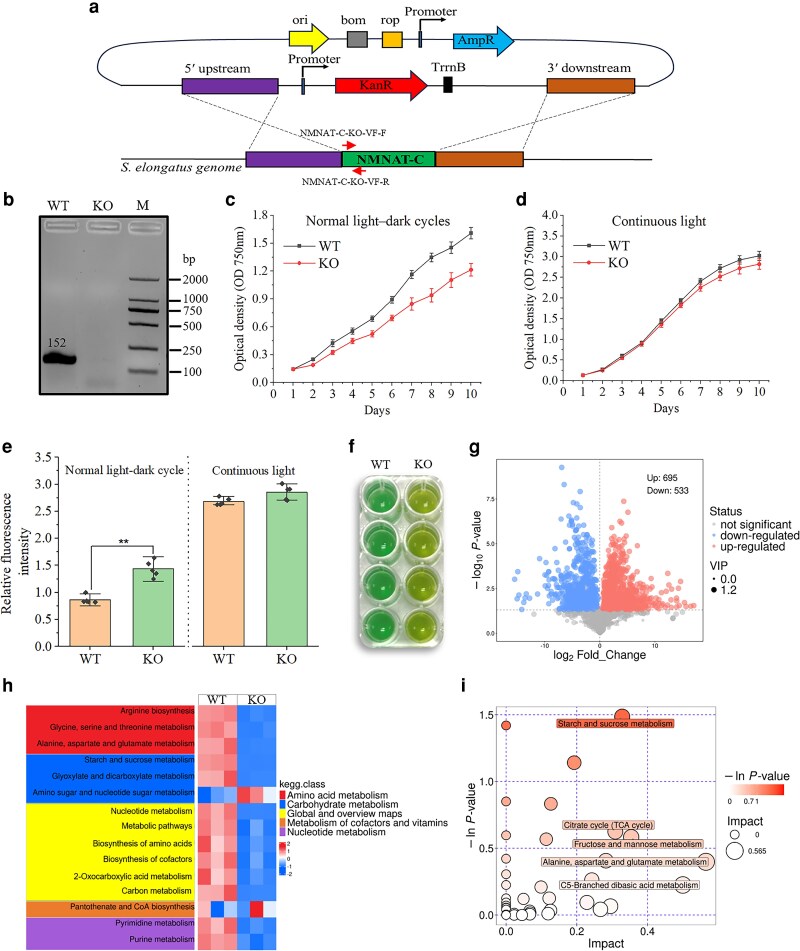 Figure 3
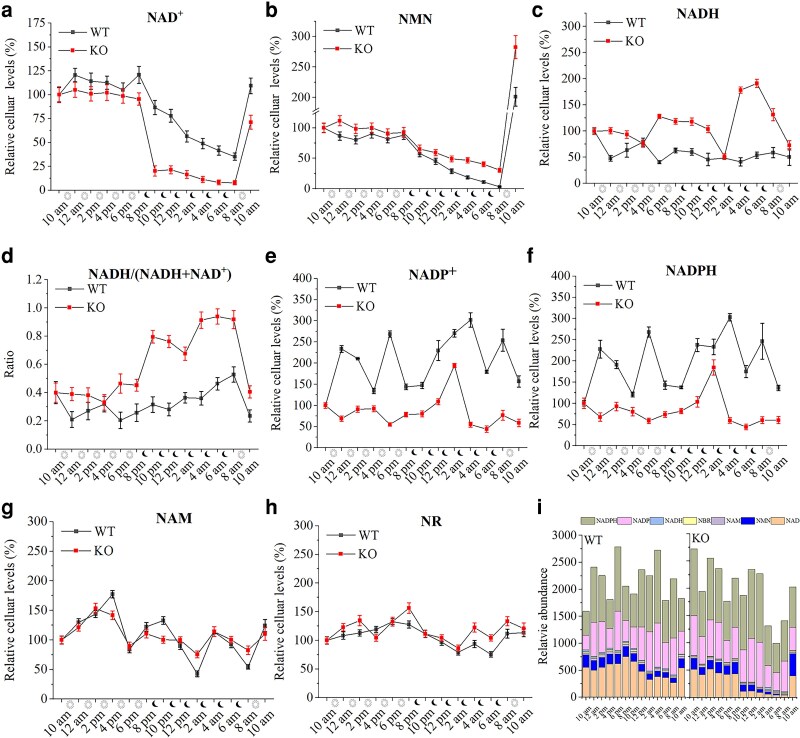 Figure 4
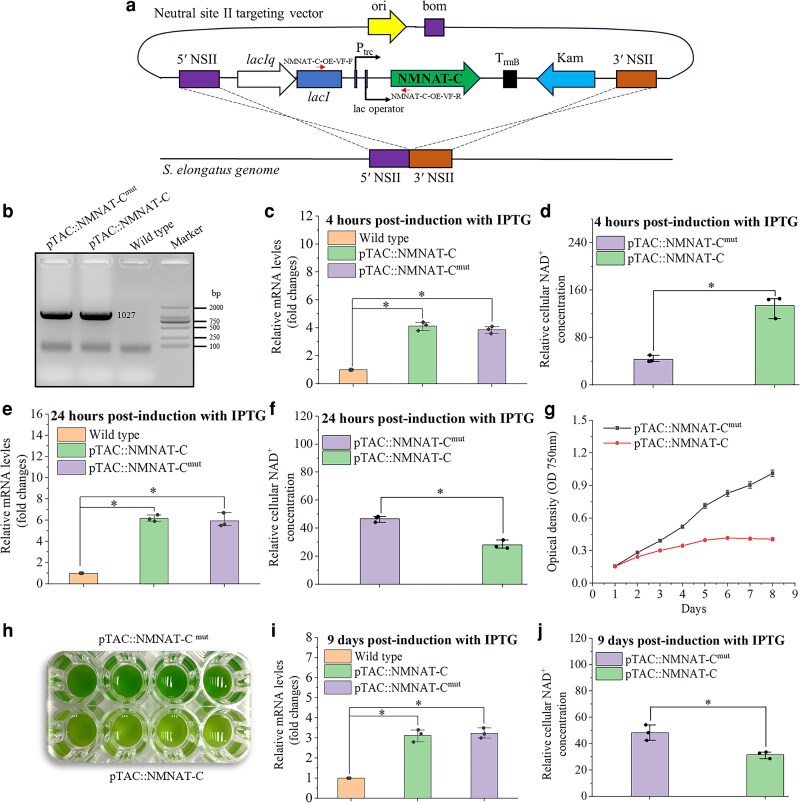 Figure 5
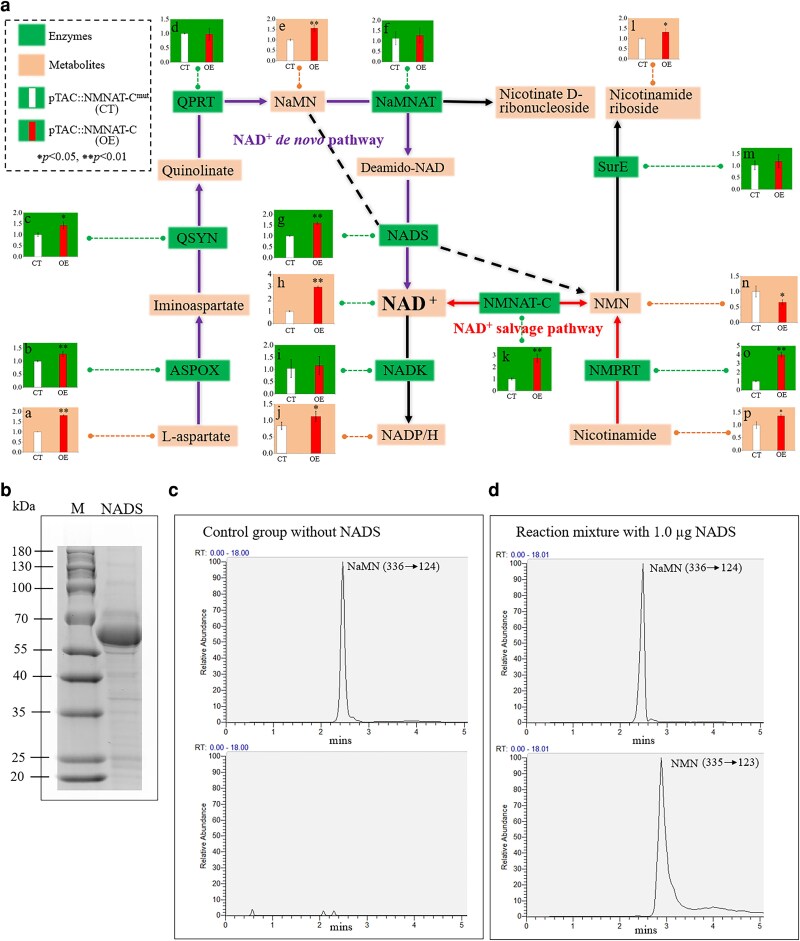 Figure 6
Peer Reviews
No public reviews on file for this paper yet. If you reviewed it on a platform where reviews are public (OpenReview, ICLR, NeurIPS, ICML), you can paste yours below so the community can read it here.
Videos
No videos yet. Explain this paper in a talk, walkthrough, or lecture? Add one.
Taxonomy
TopicsPhotosynthetic Processes and Mechanisms · Sirtuins and Resveratrol in Medicine · Enzyme Structure and Function