Assessing the invasive risk of Rhinotermitidae in China under current and future global warming scenarios using the MaxEnt model
Riaz Hussain, Lianxi Xing, Yuan Hua

TL;DR
This study uses climate data and a MaxEnt model to predict how termite species in China may spread under current and future warming scenarios, highlighting risks to ecosystems and infrastructure.
Contribution
The study introduces a novel application of the MaxEnt model to assess the invasive risk of Rhinotermitidae termites in China under global warming scenarios.
Findings
Coptotermes is mainly found in southern China, while Reticulitermes is also present in the Qinling Mountains.
Annual mean temperature strongly influences Coptotermes distribution, while Reticulitermes is affected by temperature range and dry-season precipitation.
Future warming is expected to expand termite risk areas northward, threatening infrastructure and agriculture.
Abstract
Biodiversity and distribution patterns are essential components for ecological and biogeographical research. The family Rhinotermitidae (sensu lato; Coptotermes and Reticulitermes) is among the most detrimental and widespread termites in China, causing severe damage to the ecosystem. However, their geographical distribution patterns and species richness hotspots are little comprehended, posing substantial challenges for successful management and control initiatives. After cleaning, along with bioclimatic variables, we uploaded 215 occurrence records for Coptotermes and 184 for Reticulitermes to the MaxEnt model to forecast their risk habitats during the Current (1970–2000) period and under prospective global warming scenarios. We found that Coptotermes are mainly distributed in southern China, while Reticulitermes are primarily found in southern China and the Qinling Mountains. The…
Genes, proteins, chemicals, diseases, species, mutations and cell lines named across the full text — each resolved to its canonical identifier and authoritative record.
Click any figure to enlarge with its caption.
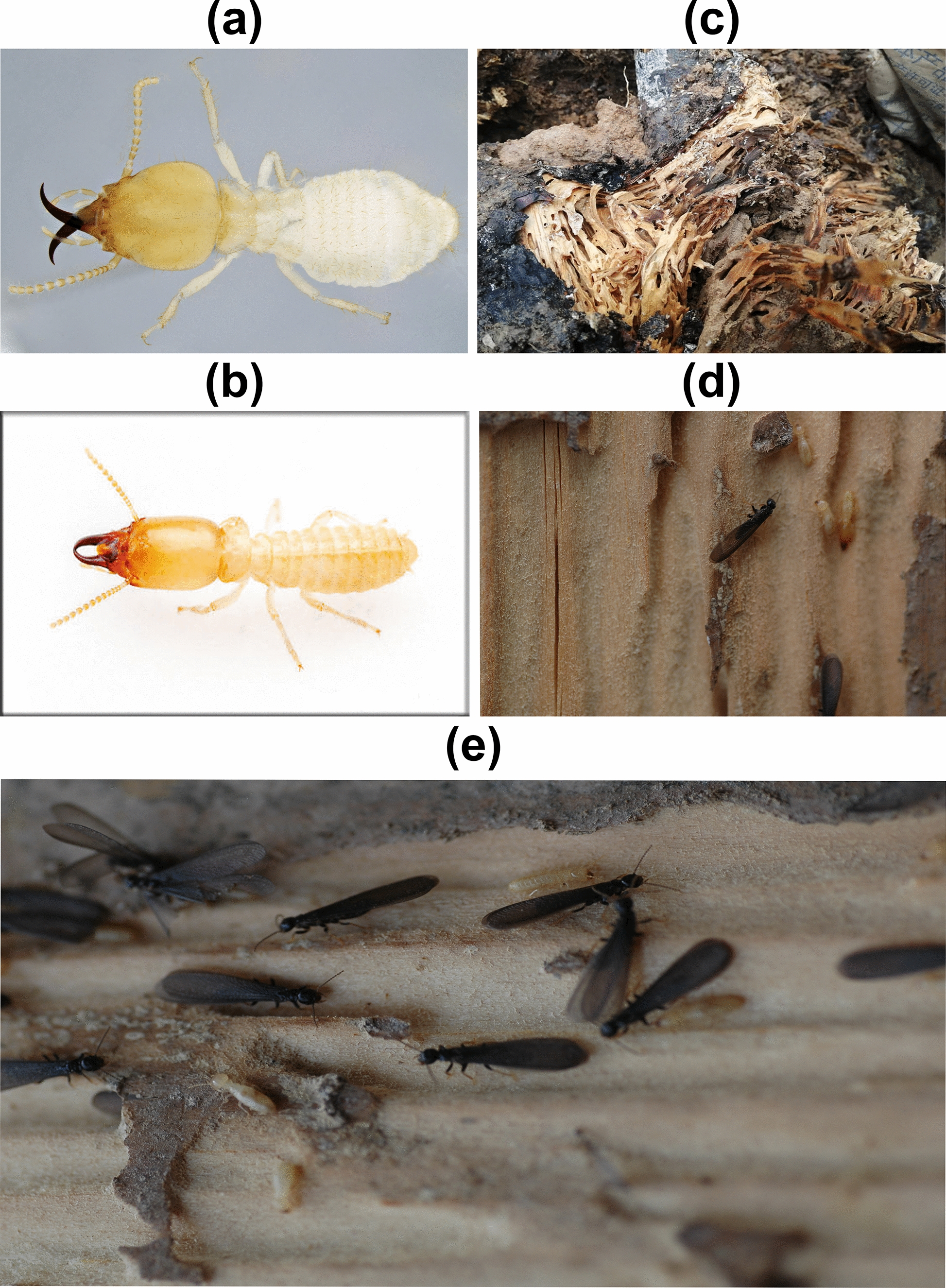 Figure 1
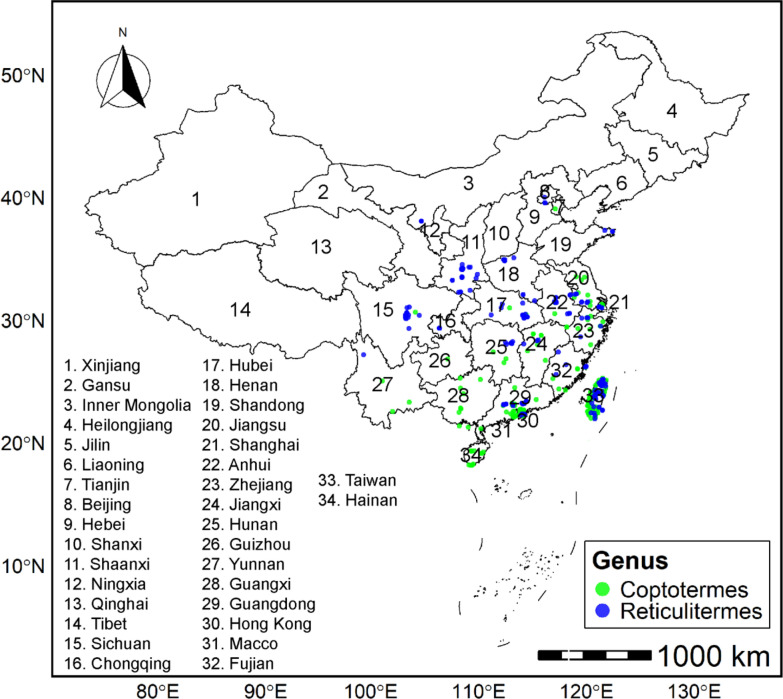 Figure 2
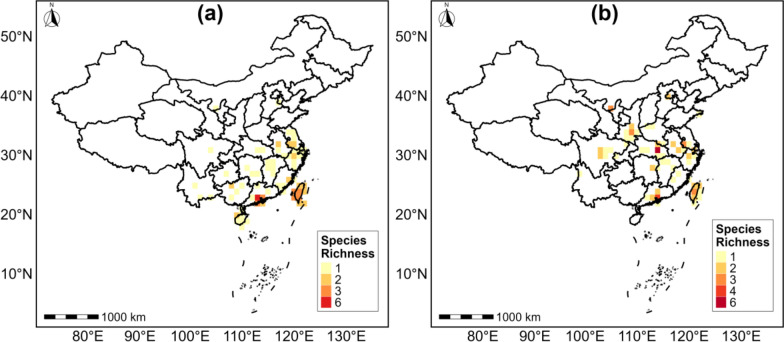 Figure 3
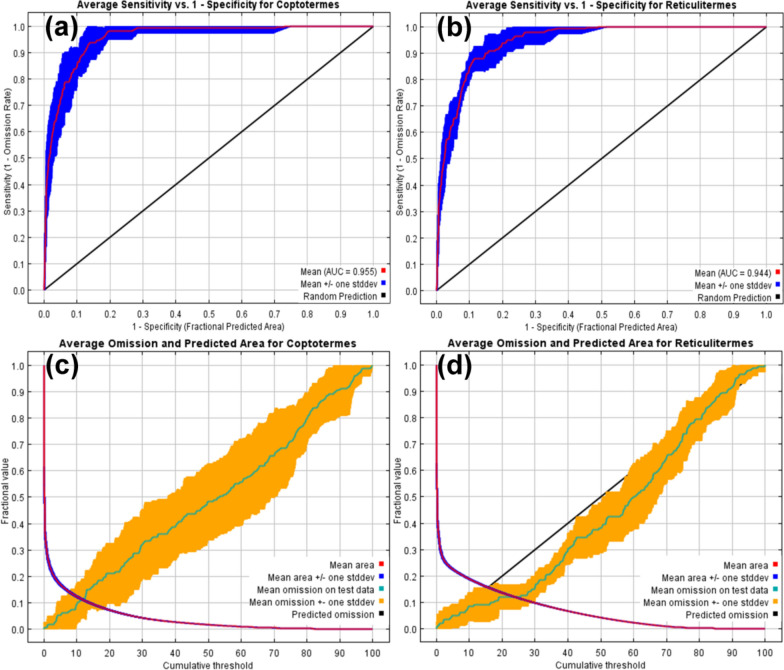 Figure 4
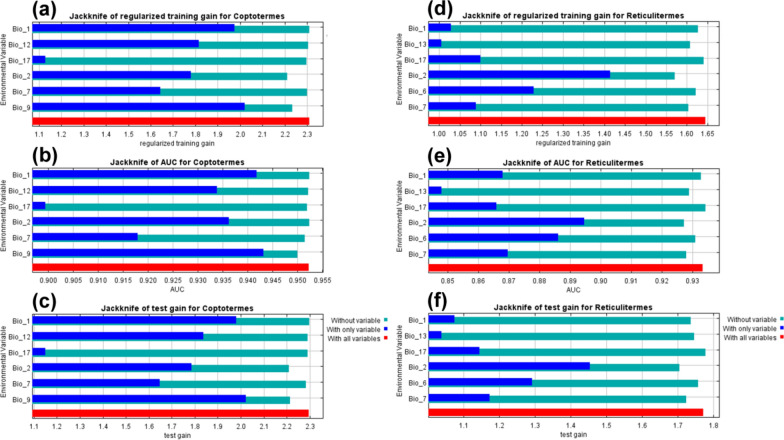 Figure 5
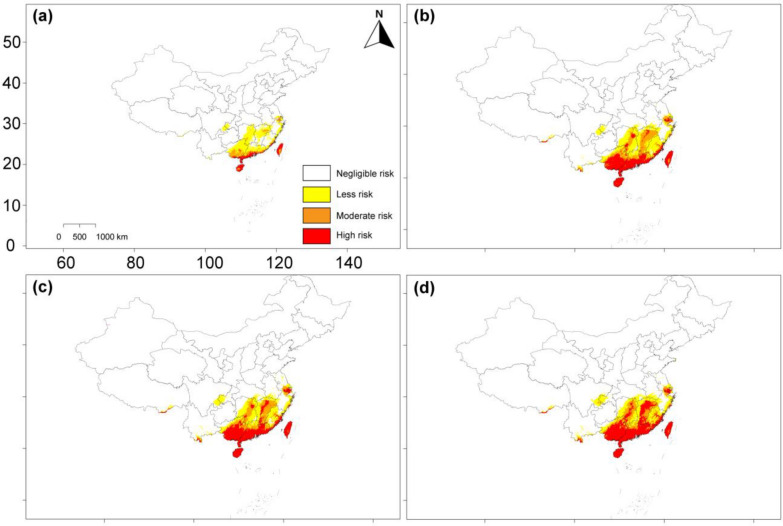 Figure 6
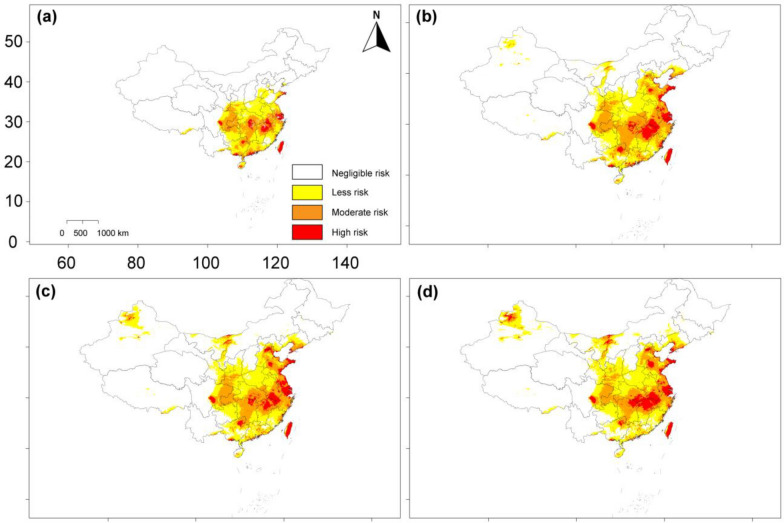 Figure 7
Peer Reviews
No public reviews on file for this paper yet. If you reviewed it on a platform where reviews are public (OpenReview, ICLR, NeurIPS, ICML), you can paste yours below so the community can read it here.
Videos
No videos yet. Explain this paper in a talk, walkthrough, or lecture? Add one.
Taxonomy
TopicsInsect and Arachnid Ecology and Behavior · Species Distribution and Climate Change · Animal and Plant Science Education