Molecular Advances and Sustainable Strategies in Mushroom Production for Food Security: A Review
Dali V. Francis, Malu Kishorkumar, Zienab F. R. Ahmed, Elke G. Neumann, Shyam S. Kurup

TL;DR
This review explores how mushrooms can support sustainable food production by combining ecological and molecular research, especially in challenging environments.
Contribution
The paper bridges ecological and molecular insights to guide sustainable mushroom production in resource-limited and arid regions.
Findings
Current research focuses on yield, substrate reuse, and enzymatic degradation, but lacks attention to molecular and climate adaptation studies.
Advancements in genomics and metabolomics are improving mushroom cultivation and bioactive compound production.
Mycorrhizal and microbial interactions are crucial for nutrient cycling and environmental resilience in mushroom ecosystems.
Abstract
Mushrooms offer a promising solution for sustainable food production due to their nutritional value, low resource requirements, and ability to grow in diverse environments. As interest in mushrooms grows, it is important to understand where current research is focused and where key gaps remain. A bibliometric analysis of 776 research articles indexed in Web of Science revealed a strong emphasis on yield, substrate reuse, and enzymatic degradation, but limited attention to molecular approaches, climate adaptation, and studies from arid regions such as the Middle East. Building on these findings, this review explores the ecological diversity of mushrooms and their adaptations across tropical, temperate, boreal, and arid ecosystems. It discusses the role of mycorrhizal and microbial interactions in nutrient cycling and environmental resilience, including desert truffle symbioses. Key…
Genes, proteins, chemicals, diseases, species, mutations and cell lines named across the full text — each resolved to its canonical identifier and authoritative record.
Click any figure to enlarge with its caption.
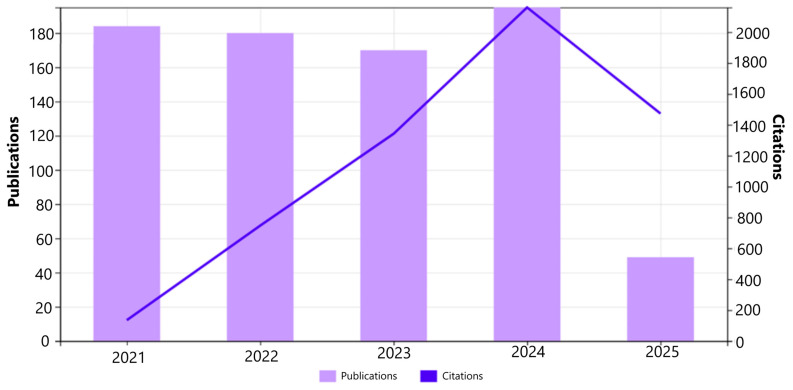 Figure 1
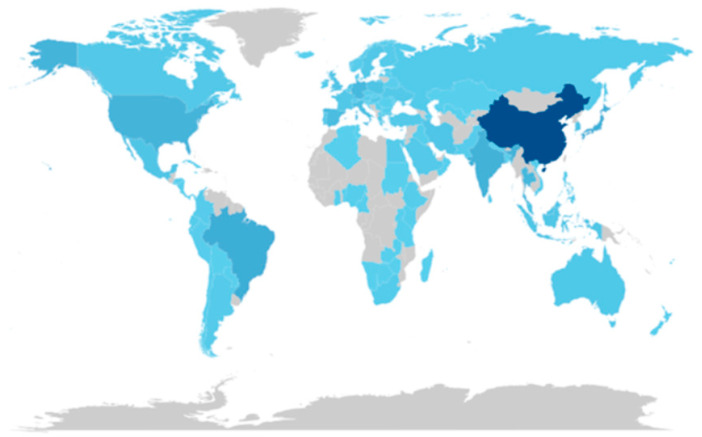 Figure 2
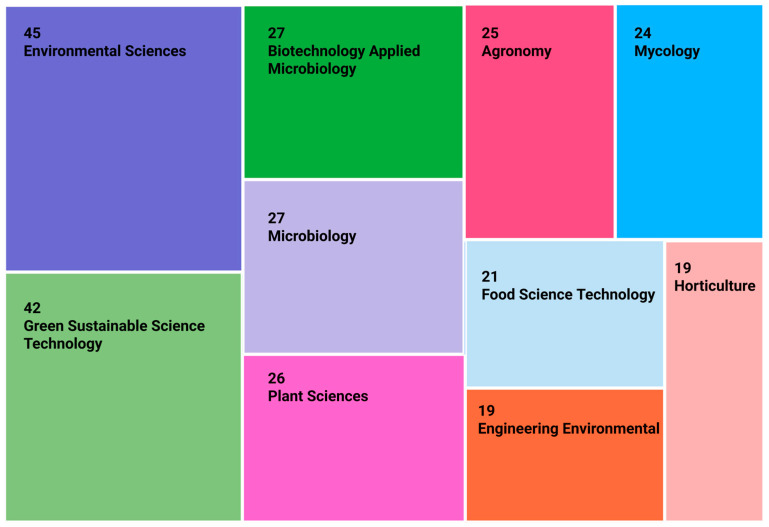 Figure 3
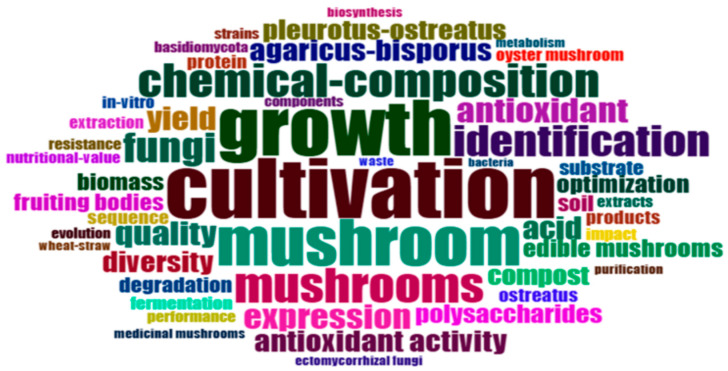 Figure 4
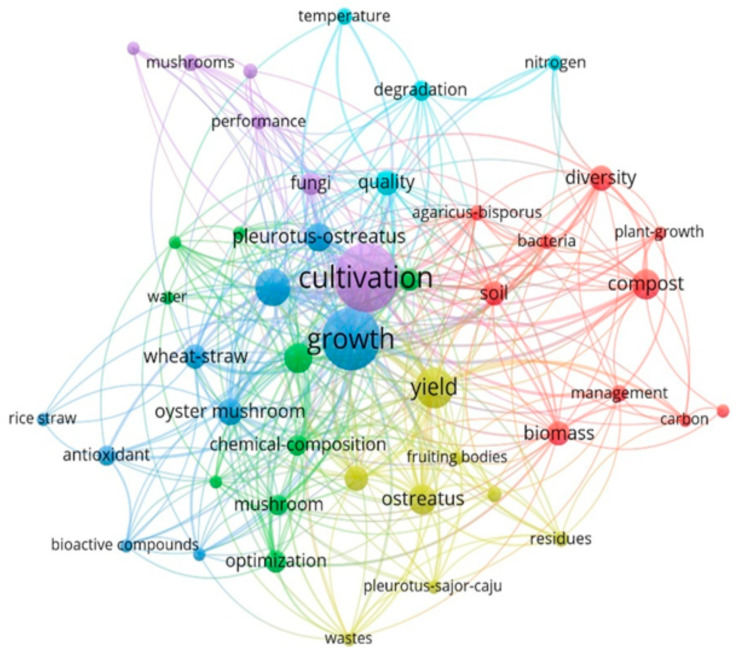 Figure 5
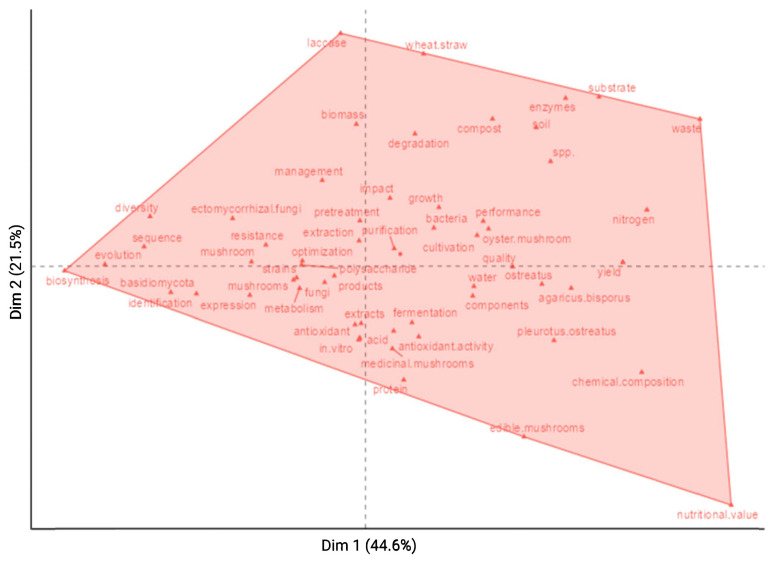 Figure 6
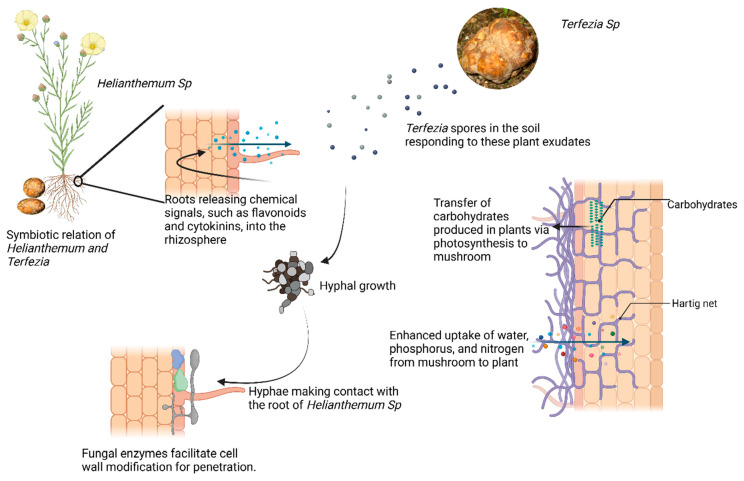 Figure 7
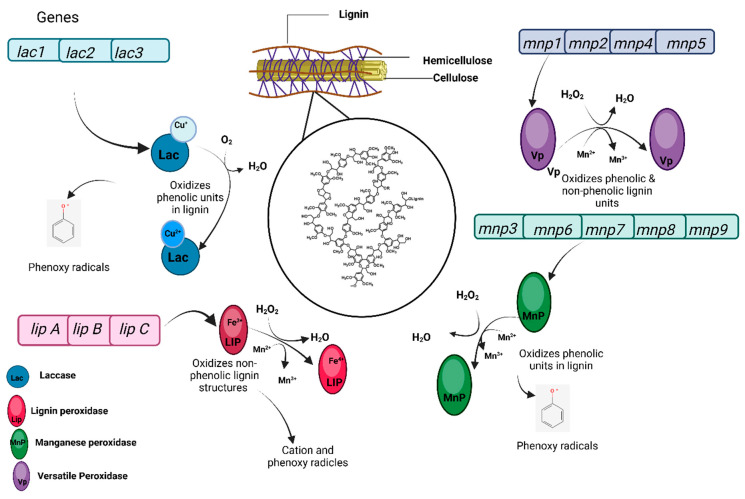 Figure 8
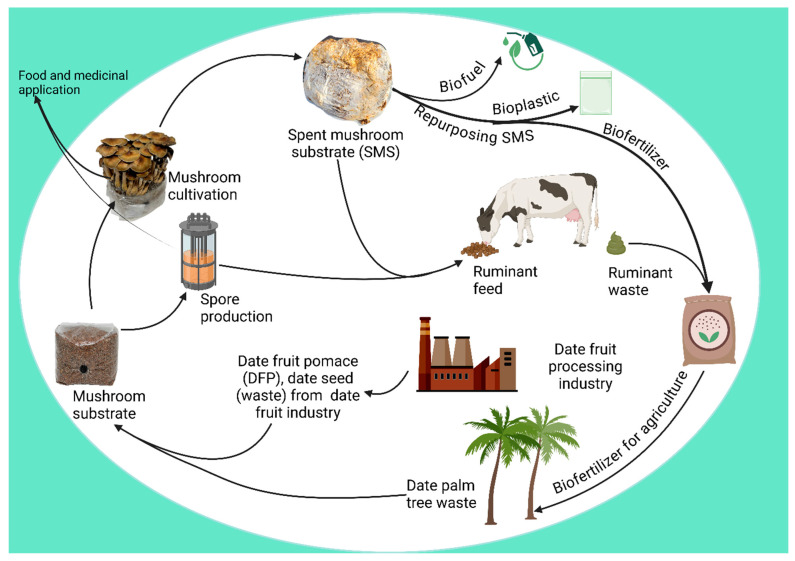 Figure 9
Peer Reviews
No public reviews on file for this paper yet. If you reviewed it on a platform where reviews are public (OpenReview, ICLR, NeurIPS, ICML), you can paste yours below so the community can read it here.
Videos
No videos yet. Explain this paper in a talk, walkthrough, or lecture? Add one.
Taxonomy
TopicsFungal Biology and Applications · Mycorrhizal Fungi and Plant Interactions · Silymarin and Mushroom Poisoning