Metabolomic Study of 7-Ethyl-9-(N-methyl)aminomethyl-10-hydroxycamptothecin Derivative (NMe)—The Chemotherapeutic Drug Candidate Versus Irinotecan (IR) on a Mouse Model
Piotr Surynt, Beata Naumczuk, Magdalena Popławska, Magdalena Urbanowicz, Katarzyna Unrug-Bielawska, Magdalena Cybulska-Lubak, Zuzanna Sadowska-Markiewicz, Jerzy Sitkowski, Elżbieta Bednarek, Natalia Zeber-Lubecka, Lech Kozerski, Michał Mikula, Jerzy Ostrowski

TL;DR
This study compares a new chemotherapy drug candidate, NMe, with irinotecan in mice, finding that NMe has a different and potentially safer metabolism profile.
Contribution
The study identifies novel NMe-specific metabolites and compares their pharmacokinetics with irinotecan, revealing potential therapeutic advantages.
Findings
NMe rapidly metabolizes and distributes more to the kidney and liver compared to irinotecan.
NMe produces higher levels of SN-38 glucuronides, which may reduce gastrointestinal toxicity.
Unique metabolites like 9-CH2-S-cysteine conjugate and NMe-formyl are specific to NMe.
Abstract
Background: In this study, we aimed to compare metabolomic profiles, biodistribution, and detoxification patterns of the novel SN-38 derivative NMe with irinotecan (IR), and to identify NMe-specific metabolites to evaluate its preclinical pharmacokinetic advantages. Methods: In vivo ADME studies were conducted for NMe, a 9-aminomethyl SN-38 derivative, and IR following a single intraperitoneal dose of 40 mg/kg in mice. Additionally, ADMET properties were predicted using ADMETlab and SwissADME tools for comparison. Levels of NMe and irinotecan absorbed into plasma, distributed to tissues, and metabolized were monitored in liver, lung, spleen, kidney, and stool samples at 15, 30, and 60 min post-administration. Tissue extracts were analysed using high-performance liquid chromatography (HPLC), liquid chromatography–electrospray ionization quadrupole time-of-flight-tandem mass spectrometry…
Genes, proteins, chemicals, diseases, species, mutations and cell lines named across the full text — each resolved to its canonical identifier and authoritative record.
Click any figure to enlarge with its caption.
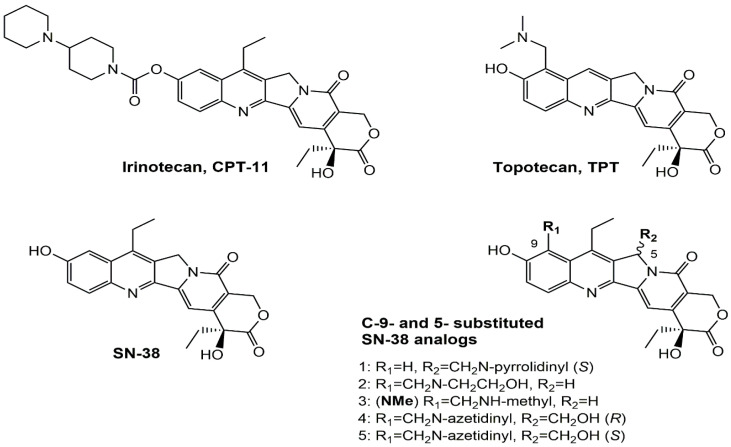 Figure 1
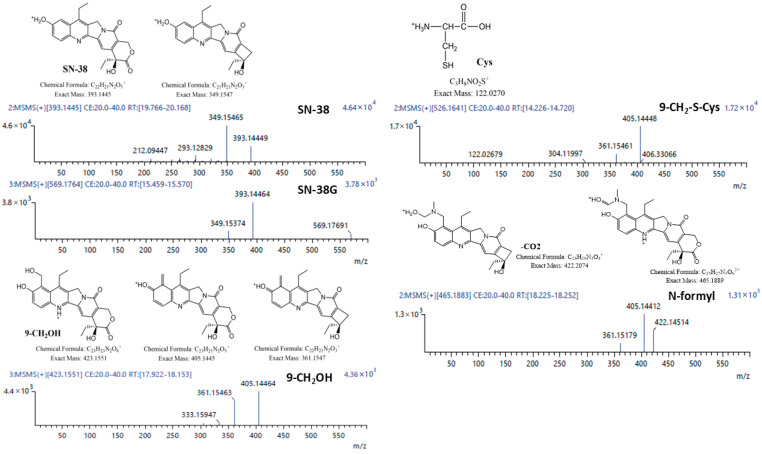 Figure 2
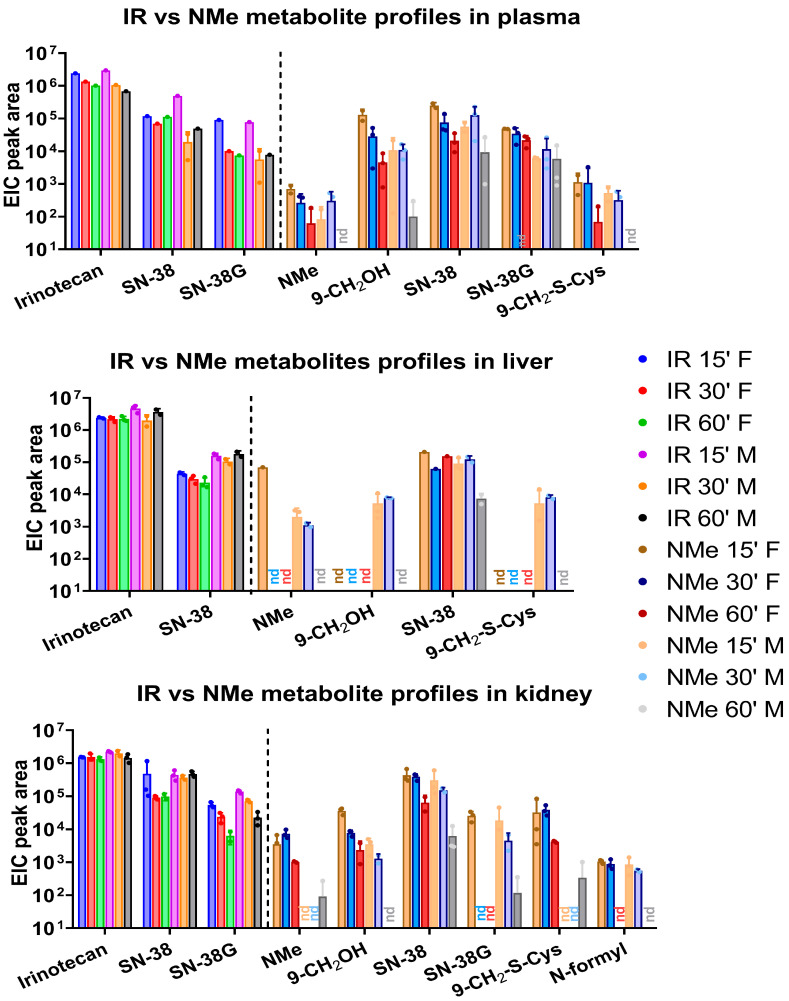 Figure 3
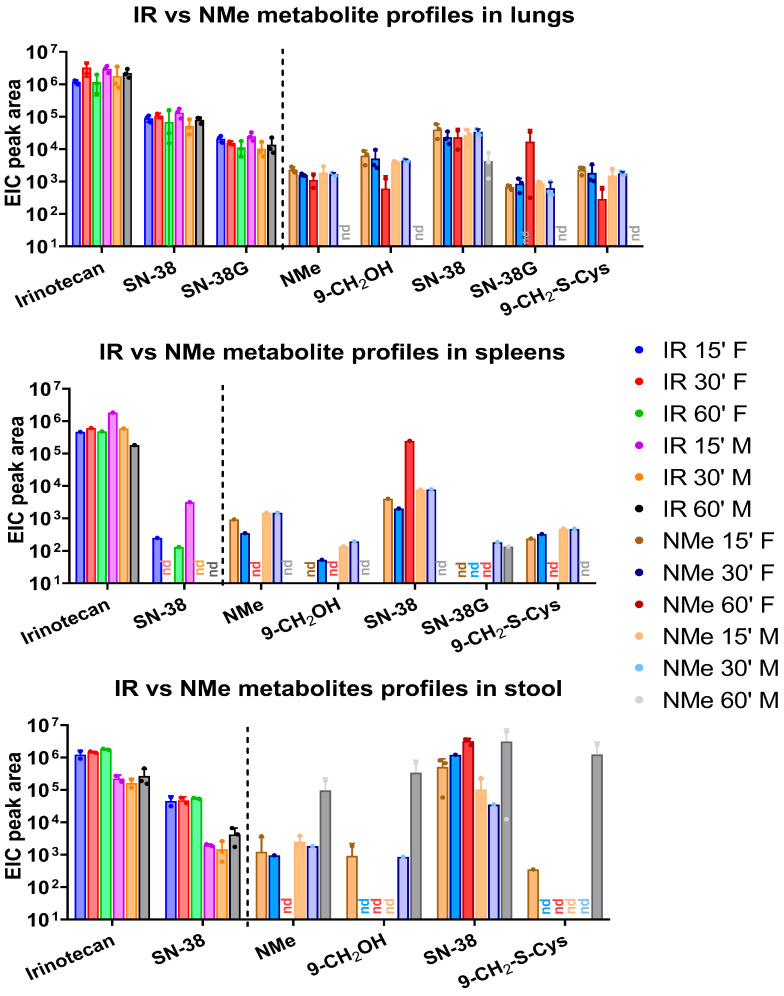 Figure 4
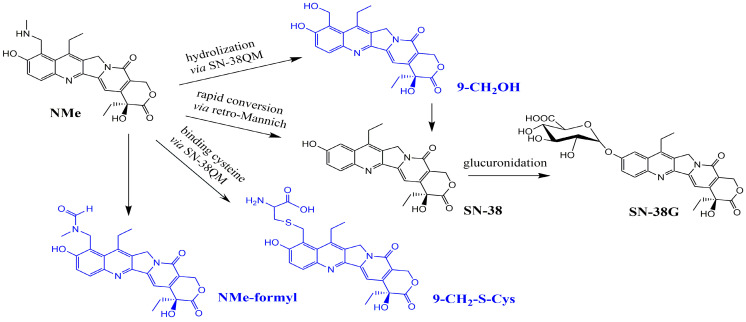 Figure 5
 Figure 6
 Figure 7
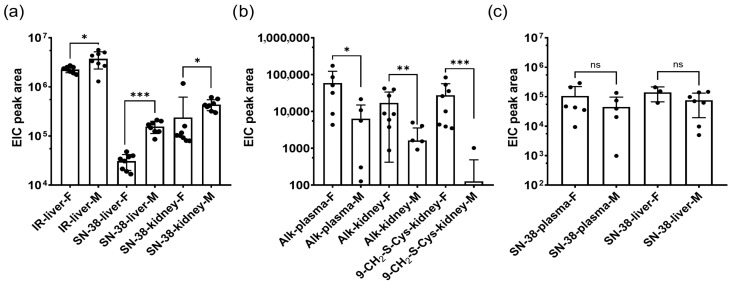 Figure 8
 Figure 9
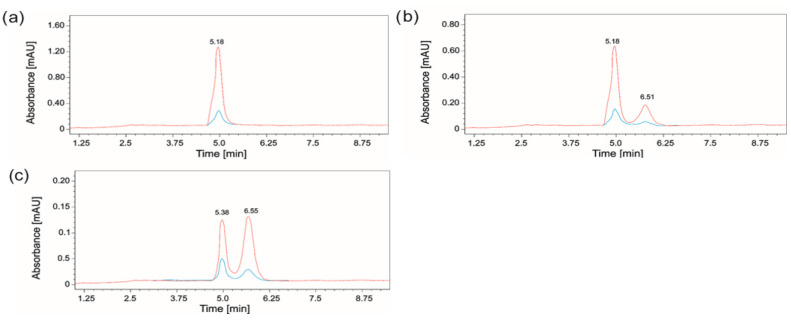 Figure 10
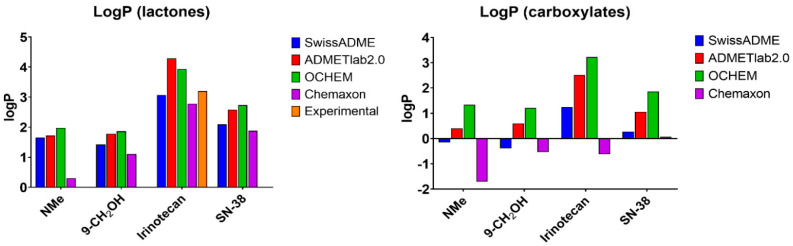 Figure 11
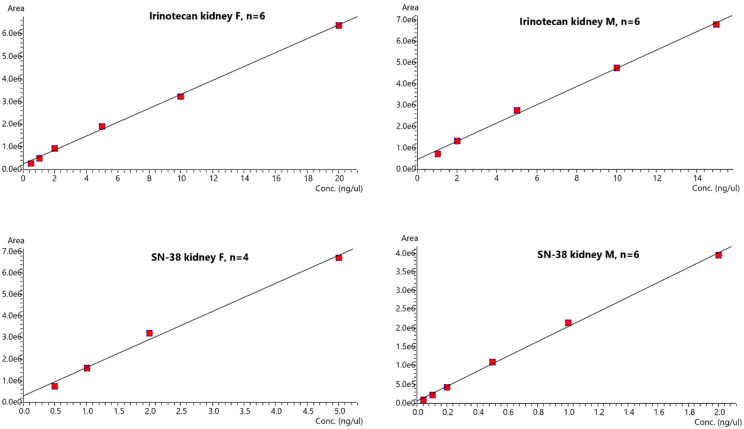 Figure 12
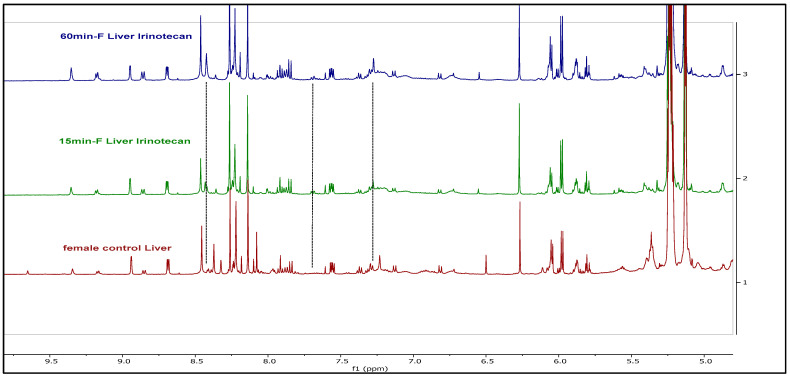 Figure 13
 Figure 14
 Figure 15
 Figure 16
 Figure 17
 Figure 18
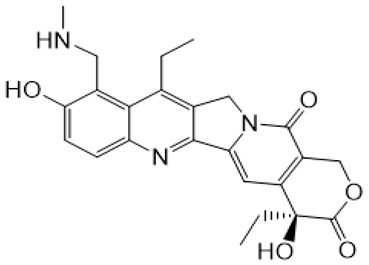 Figure 19
 Figure 20
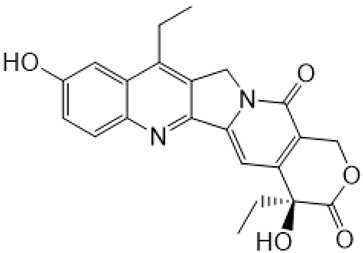 Figure 21
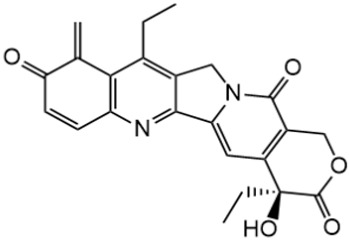 Figure 22
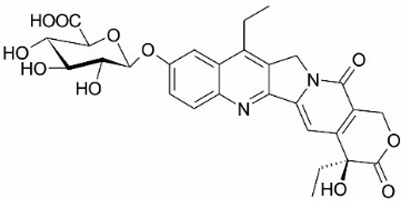 Figure 23
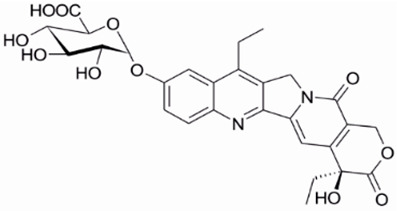 Figure 24
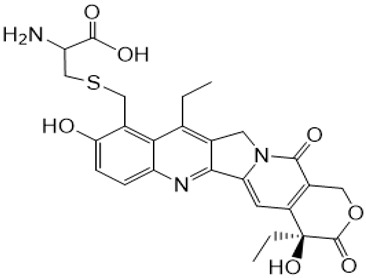 Figure 25
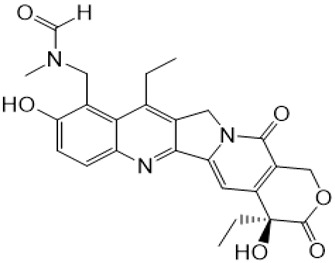 Figure 26
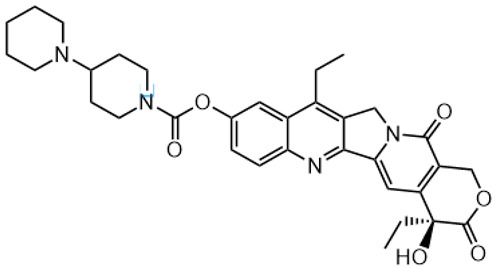 Figure 27
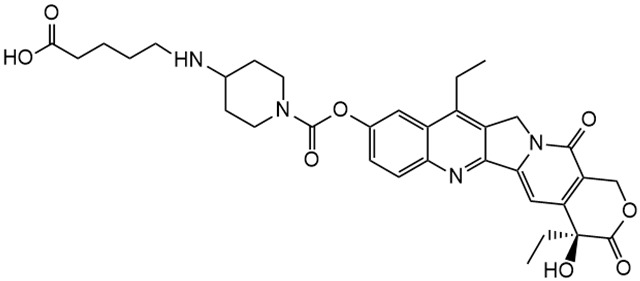 Figure 28
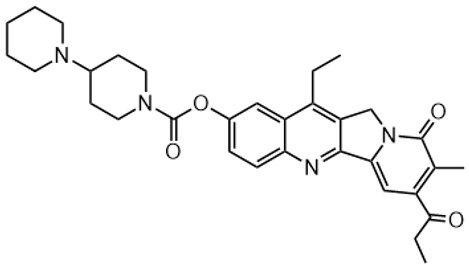 Figure 29
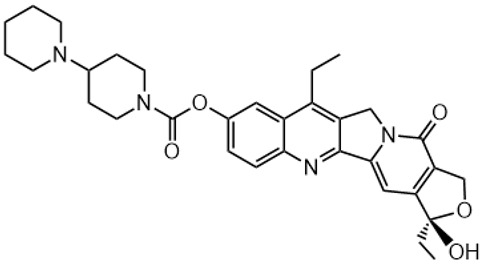 Figure 30
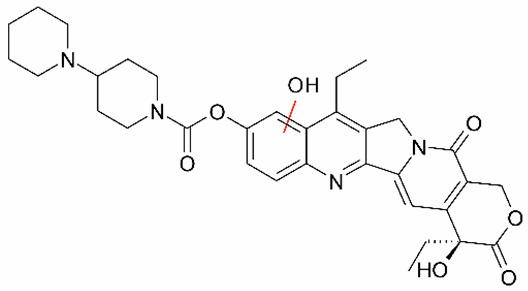 Figure 31
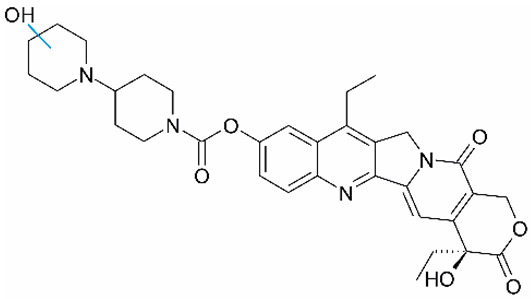 Figure 32
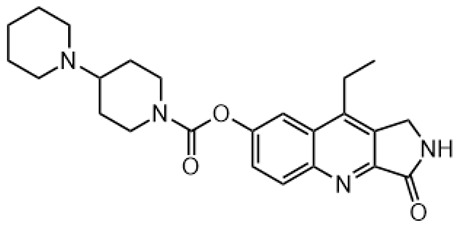 Figure 33
Peer Reviews
No public reviews on file for this paper yet. If you reviewed it on a platform where reviews are public (OpenReview, ICLR, NeurIPS, ICML), you can paste yours below so the community can read it here.
Videos
No videos yet. Explain this paper in a talk, walkthrough, or lecture? Add one.
Taxonomy
TopicsCancer therapeutics and mechanisms · Lung Cancer Research Studies · Synthesis and Biological Activity