Effect of Contact Conditions on Frictional Characteristics of Low-Carbon Deep-Drawn Steel Sheets
Tomasz Trzepieciński, Sherwan Mohammed Najm, Valentin Oleksik, Mihaela Oleksik

TL;DR
This study examines how contact conditions affect friction in low-carbon steel sheets during forming processes.
Contribution
The study identifies load force as the main factor affecting friction, using ANOVA and regression modeling.
Findings
Sheet orientation had a minor effect on the coefficient of friction (CoF), with differences less than 0.01.
Load force was the most significant factor influencing the CoF.
Friction increased as the average roughness of the countersamples decreased.
Abstract
Friction in sheet metal forming processes is a key factor determining the material flow behavior and surface quality of products. Controlling friction conditions is crucial for ensuring the stability of the forming process. This article focuses on evaluating the influence of strip sample orientation, tool surface roughness, and contact forces on the coefficient of friction in the strip drawing test. Low-carbon, deep-drawing-quality steel sheets produced by rolling were used as the test material. Due to the complex influence of numerous parameters on the coefficient of friction, analysis of variance (ANOVA) was employed to evaluate the experimental results. A two-factor interaction model was used to analyze the data from the strip drawing test. An adequate precision of approximately 104.74 and coefficients of determination of R2 = 0.9367, an adjusted R2 = 0.9350, and a predicted R2 =…
Genes, proteins, chemicals, diseases, species, mutations and cell lines named across the full text — each resolved to its canonical identifier and authoritative record.
Click any figure to enlarge with its caption.
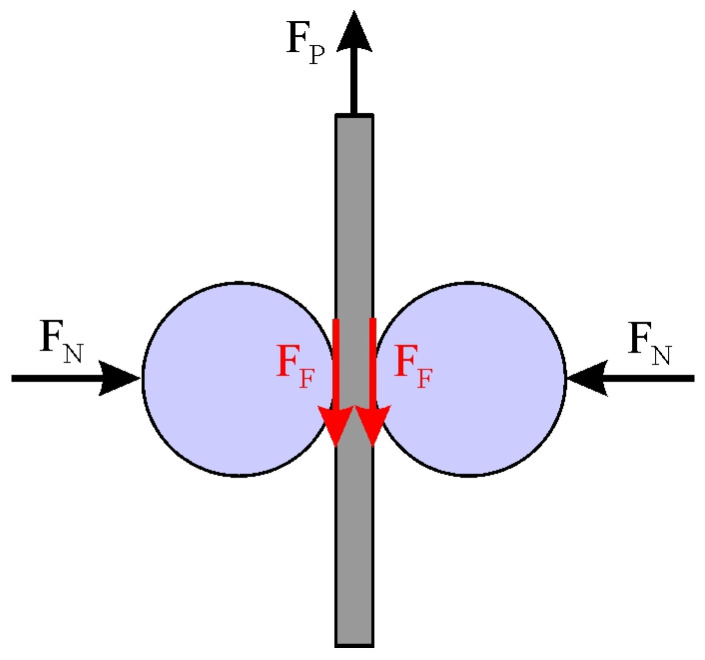 Figure 1
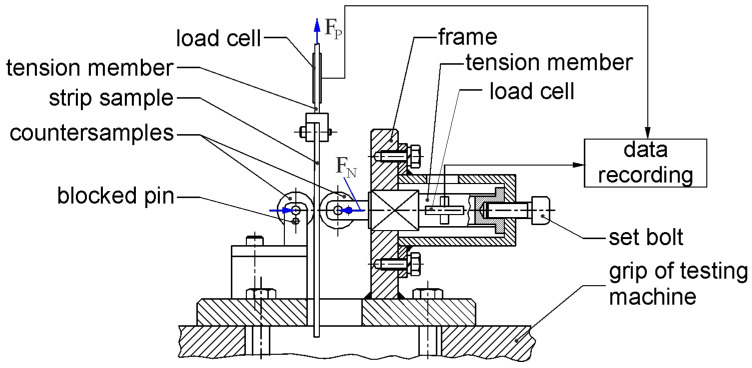 Figure 2
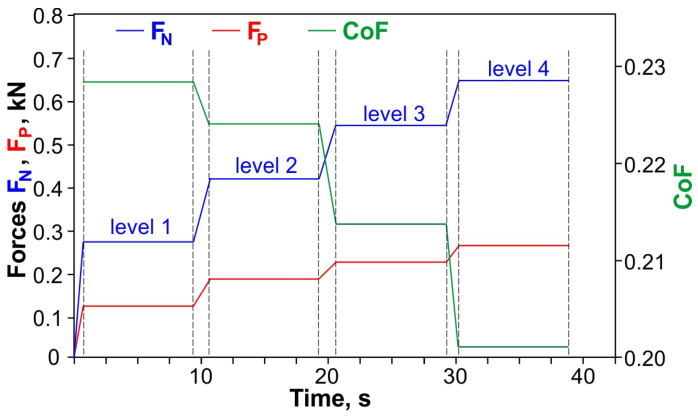 Figure 3
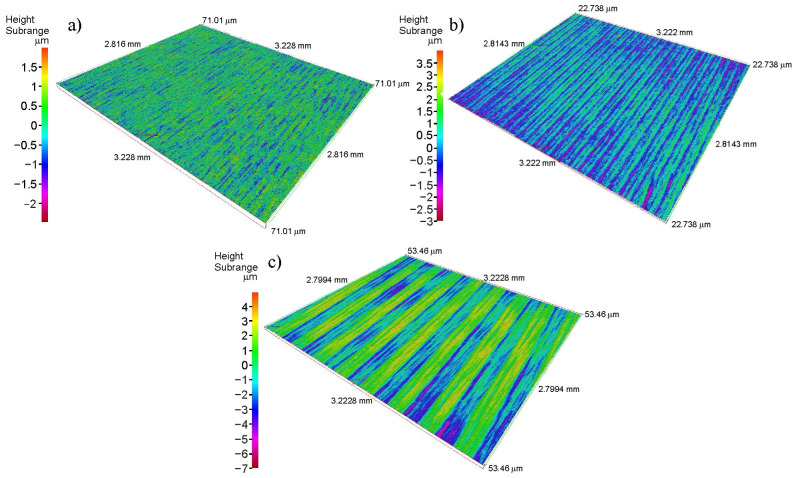 Figure 4
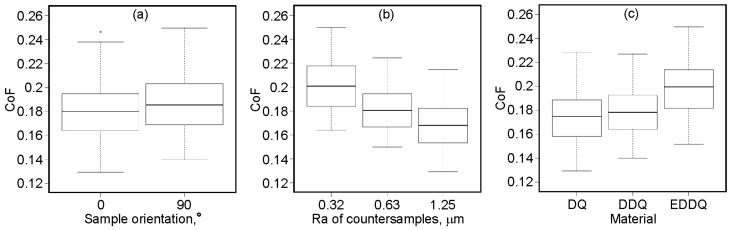 Figure 5
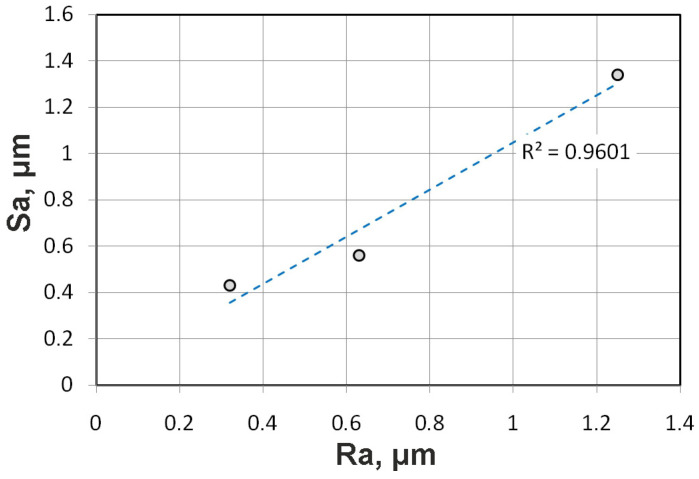 Figure 6
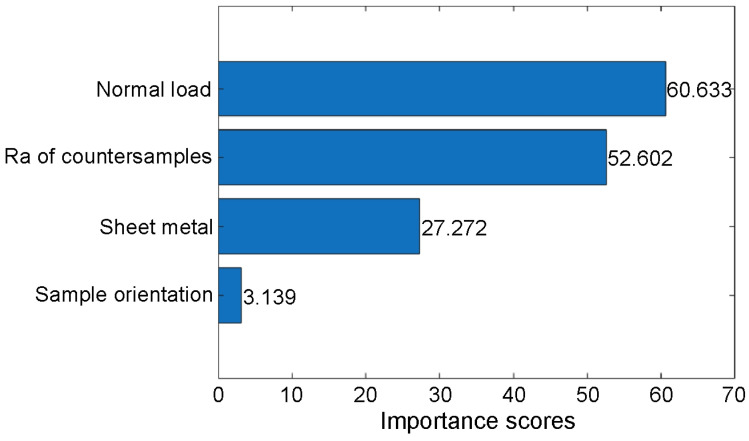 Figure 7
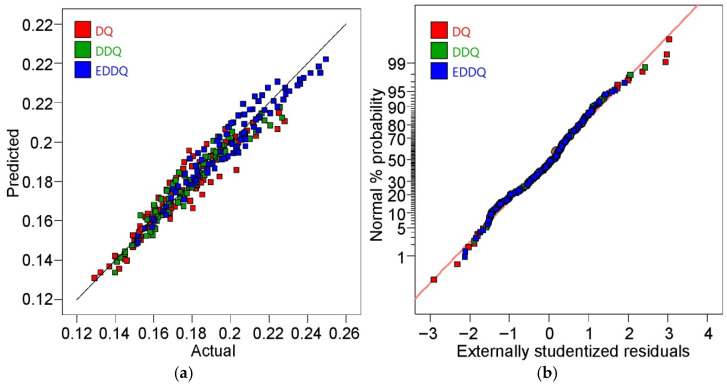 Figure 8
 Figure 9
 Figure 10
 Figure 11
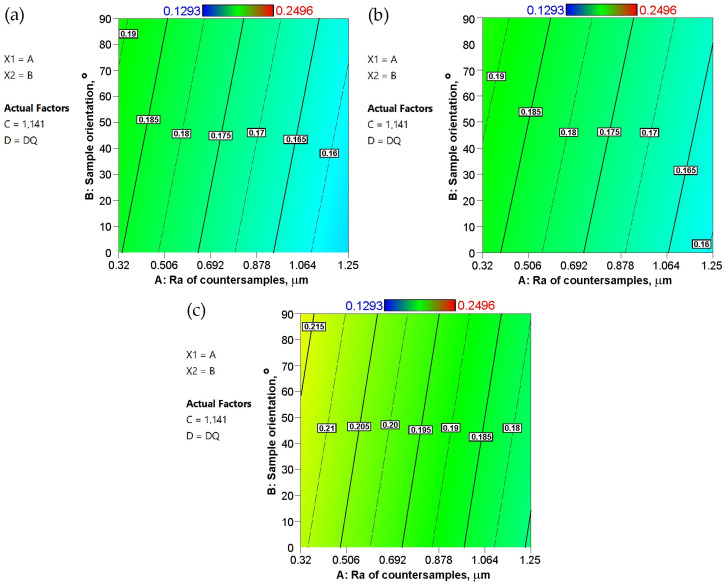 Figure 12
 Figure 13
 Figure 14
 Figure 15
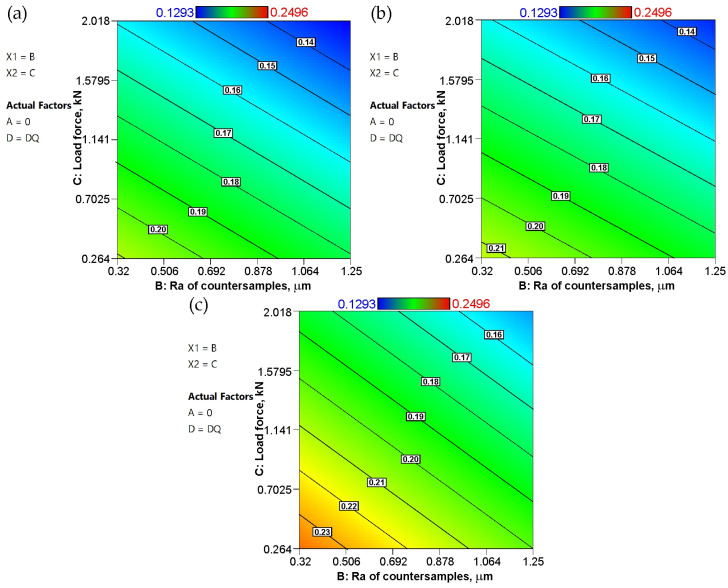 Figure 16
 Figure 17
Peer Reviews
No public reviews on file for this paper yet. If you reviewed it on a platform where reviews are public (OpenReview, ICLR, NeurIPS, ICML), you can paste yours below so the community can read it here.
Videos
No videos yet. Explain this paper in a talk, walkthrough, or lecture? Add one.
Taxonomy
TopicsMetal Forming Simulation Techniques · Metallurgy and Material Forming · Microstructure and mechanical properties