Understanding Mechanical Properties of Nothofagus alpina (Poepp. & Endl.) Oerst. Wood Through Controlled Freeze–Heat Treatments: Linking Physical, Chemical, and Structural Changes
Rodrigo Valle, Romina E. Inostroza, Luis Soto-Cerda, Wilmer Bueno-Silva, Marcelo Muñoz-Vera, Víctor Tuninetti, Ricardo I. Castro

TL;DR
This study explores how extreme temperatures affect the properties of raulí wood, finding that controlled heat treatments can significantly enhance its mechanical strength.
Contribution
The novel contribution is demonstrating how controlled freeze-heat treatments can improve mechanical properties of Nothofagus alpina wood through physical and chemical changes.
Findings
Moisture content decreased significantly at temperatures above 5°C but increased slightly at -20°C after 60 days.
Color changes were minimal at low temperatures but significant at 120°C, indicating cell wall polymer degradation.
Heat treatments at 120°C for 60 days improved modulus of elasticity, modulus of rupture, and fracture energy by up to 118%.
Abstract
Wood is a versatile material; however, it is susceptible to changes when exposed to extreme temperatures. This study investigated the physical, chemical, and mechanical properties of raulí (Nothofagus alpina) under different thermal stress conditions. The results showed that the moisture content at temperatures below 5 °C exhibited a significant reduction from 9.7% to 7.5% within the first 20 days. Conversely, under extreme cold (−20 °C), significant changes only occurred after 60 days, with an increase from 9.7% to 11%. At higher temperatures (50 °C, 95 °C, and 120 °C), moisture content dropped sharply after 40 days, nearing 0%. Additionally, analysis showed minor color changes in samples at low temperatures: RW2 (20 d; 5 °C, ΔE* = 3.46) and RW7 (40 d; 5 °C, ΔE* = 0.61); however, color changes were observed at higher temperatures (95–120 °C). RW15 (60 d; 120 °C, ΔE* = 37.16),…
Genes, proteins, chemicals, diseases, species, mutations and cell lines named across the full text — each resolved to its canonical identifier and authoritative record.
Click any figure to enlarge with its caption.
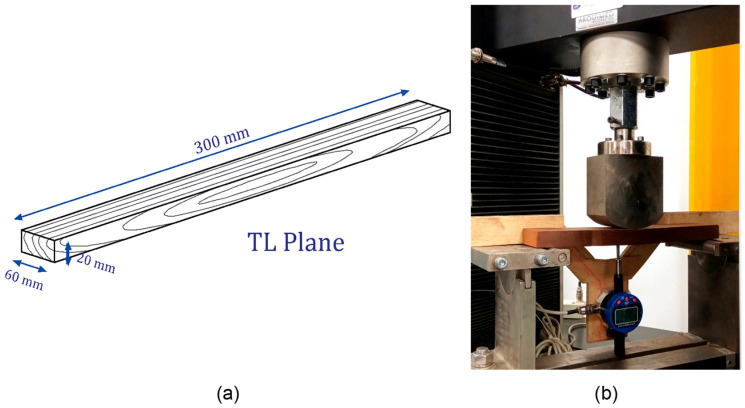 Figure 1
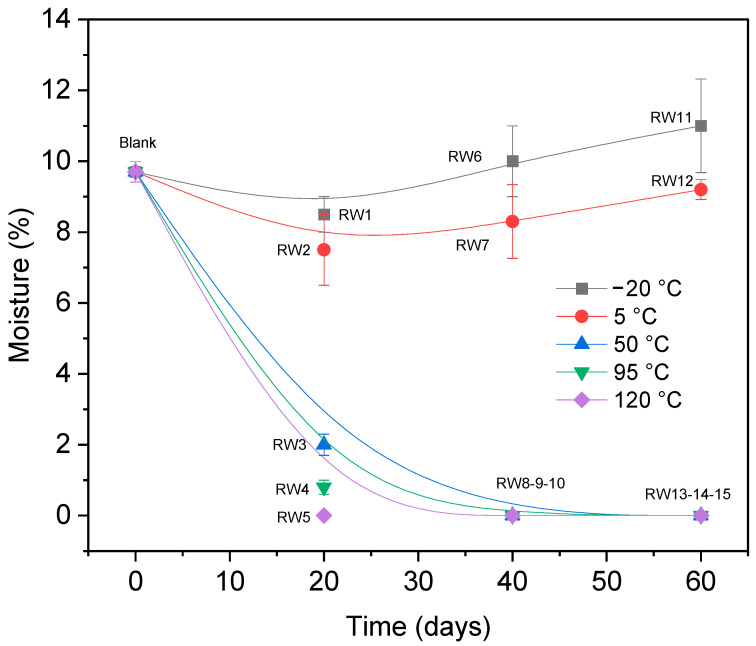 Figure 2
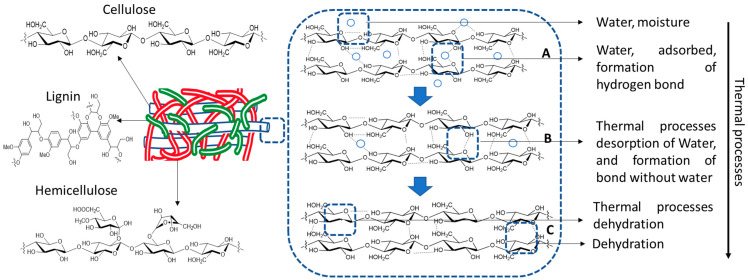 Figure 3
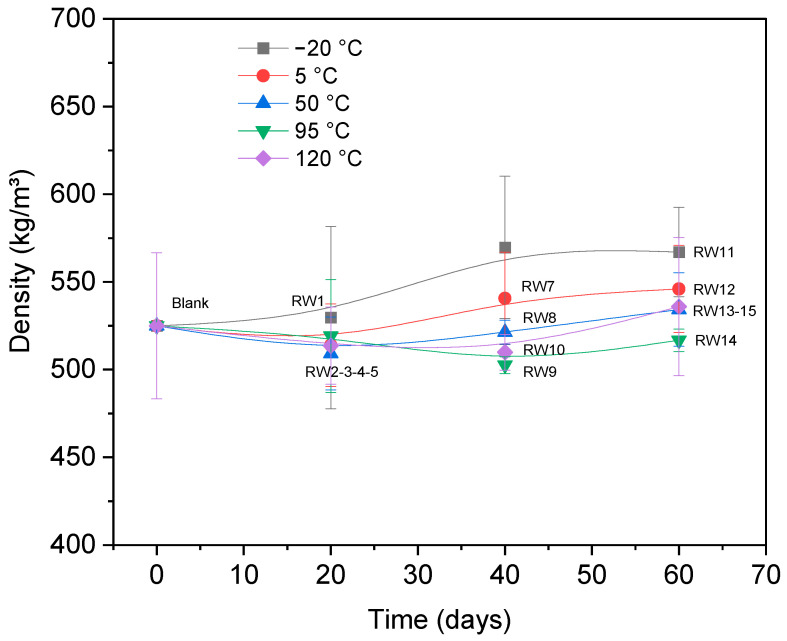 Figure 4
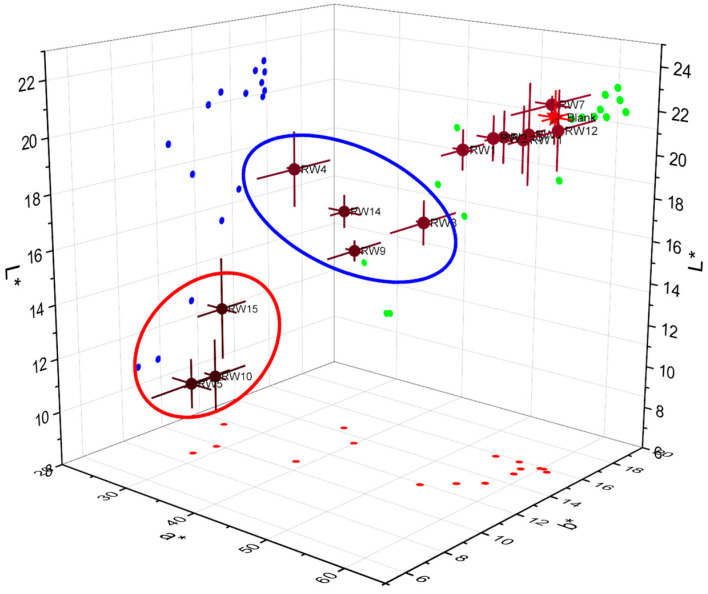 Figure 5
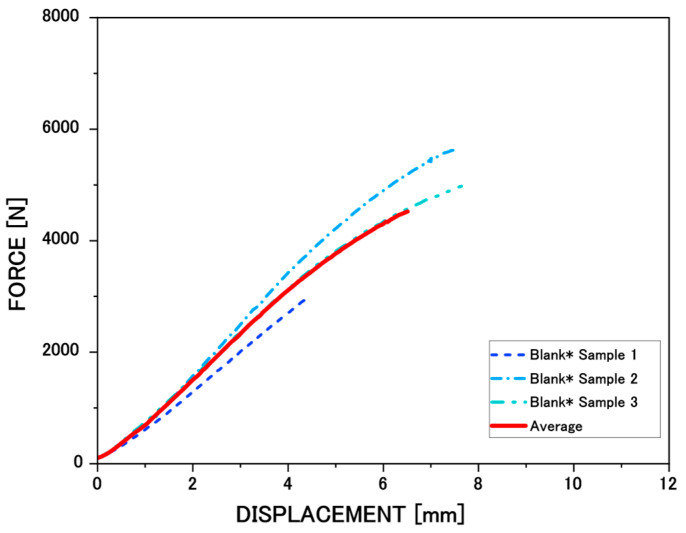 Figure 6
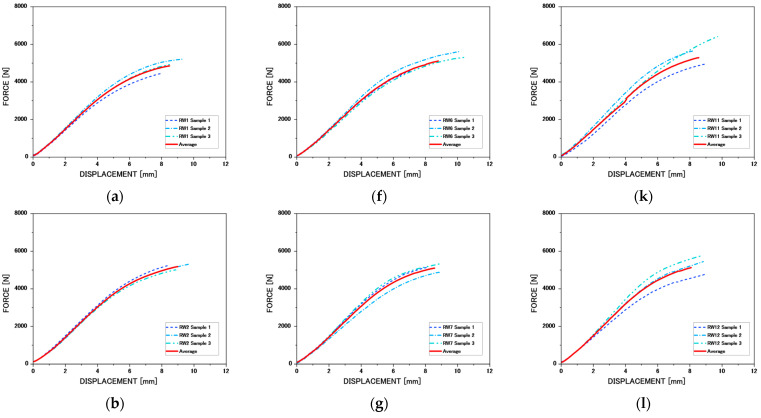 Figure 7
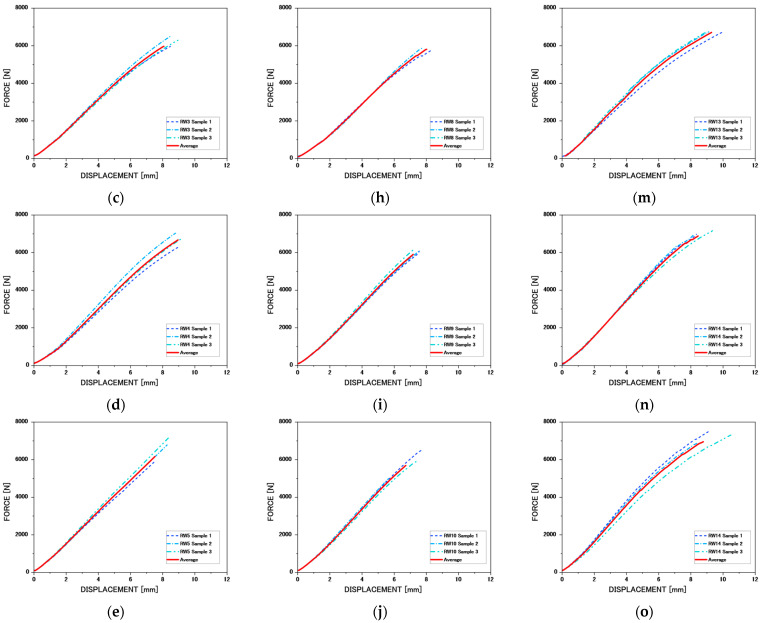 Figure 8
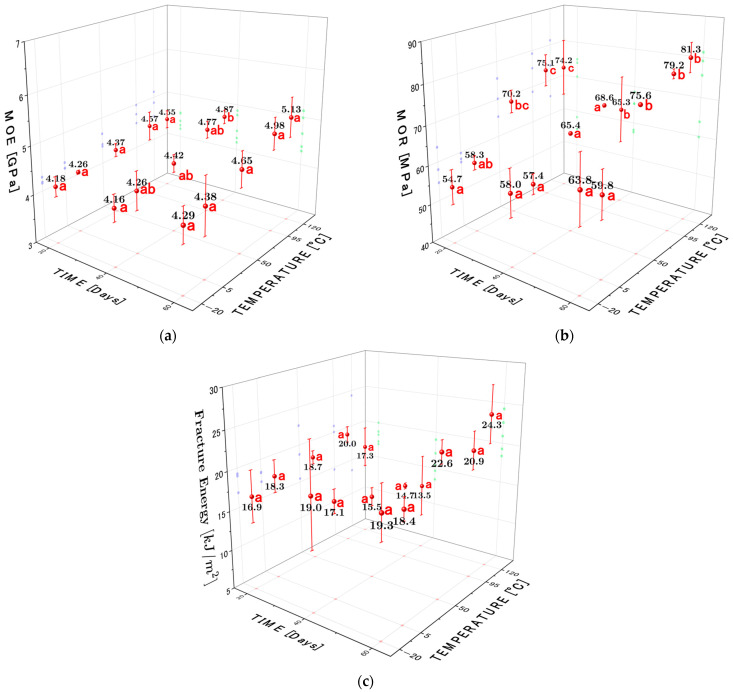 Figure 9
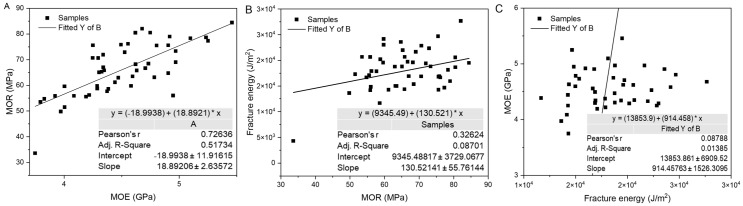 Figure 10
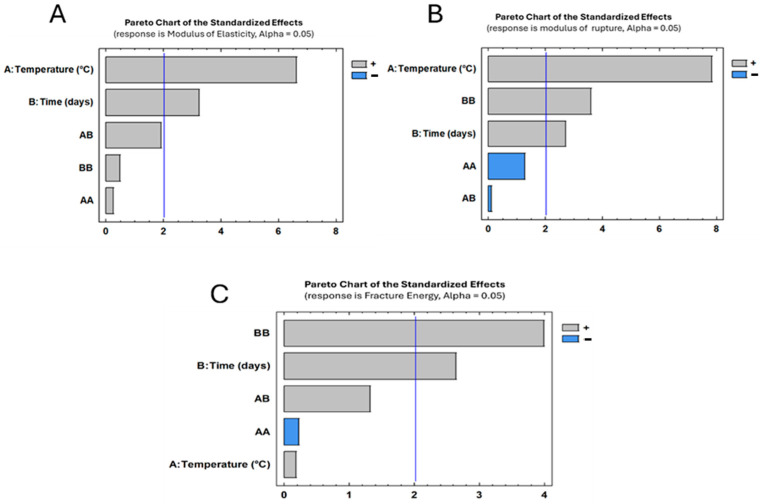 Figure 11
Peer Reviews
No public reviews on file for this paper yet. If you reviewed it on a platform where reviews are public (OpenReview, ICLR, NeurIPS, ICML), you can paste yours below so the community can read it here.
Videos
No videos yet. Explain this paper in a talk, walkthrough, or lecture? Add one.
Taxonomy
TopicsWood Treatment and Properties · Bamboo properties and applications · Tree Root and Stability Studies