Development and Assessment of Heavy Oil-Degrading Fungal Consortia (Aspergillus and Alternaria) for Soil Bioremediation
Shujuan Peng, Junhao Zhu, Weiguo Liu, Junhui Zhang

TL;DR
Researchers developed a fungal consortium that efficiently degrades heavy oil in soil, offering a promising solution for environmental cleanup.
Contribution
The study identifies a fungal consortium with high heavy oil degradation efficiency and provides molecular insights into its mechanisms.
Findings
The F13 consortium achieved 72.0% heavy oil removal in 30 days, outperforming other consortia and single strains.
The F13 consortium degraded long-chain alkanes (C24–C28) at a rate of 95.9%.
Genome analysis revealed key genes like CYP505 and ALDH involved in heavy oil degradation.
Abstract
Leveraging fungal consortia to degrade heavy oil is an emerging strategy for mitigating/cleaning up environmental pollution. However, many consortia are predominantly evaluated by measuring the biodegradation efficiency of heavy oil, with insufficient attention paid to the mechanistic underpinnings and metabolic pathways. In this study, heavy oil-degrading fungal consortia were developed for potential application in soil bioremediation. Whole-genome sequencing was used to predict the metabolic pathways and interspecific interactions driving heavy oil biodegradation. Three heavy oil-degrading fungal strains, designated Aspergillus corrugatus FH2, Aspergillus terreus FL4, and Alternaria alstroemeriae FW1, were isolated from oil sludge in the Karamay Oilfield in Xinjiang, China. Four consortia were constructed through the combination of two or three strains. The consortium F13 (FH2 + FW1)…
Genes, proteins, chemicals, diseases, species, mutations and cell lines named across the full text — each resolved to its canonical identifier and authoritative record.
Click any figure to enlarge with its caption.
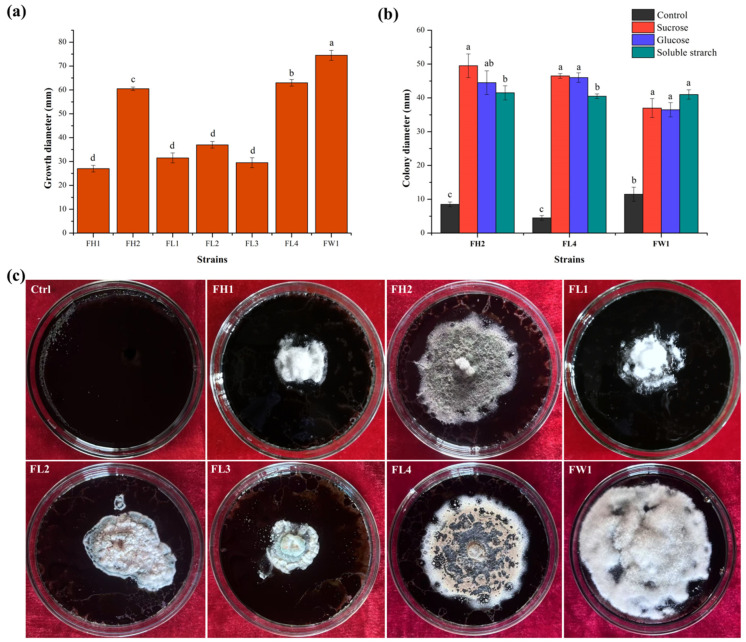 Figure 1
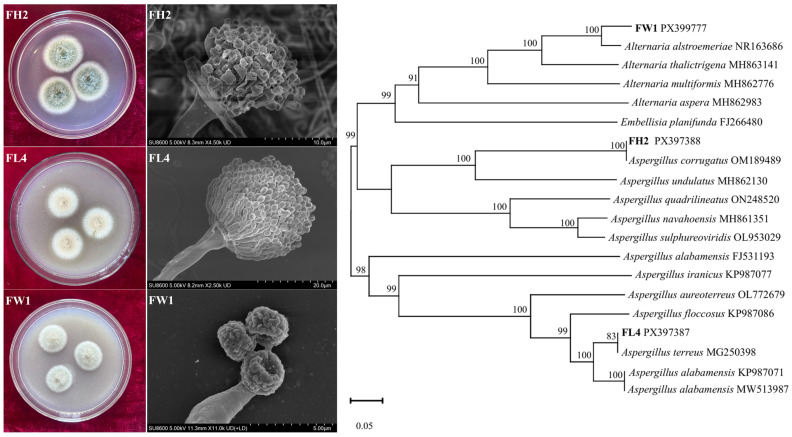 Figure 2
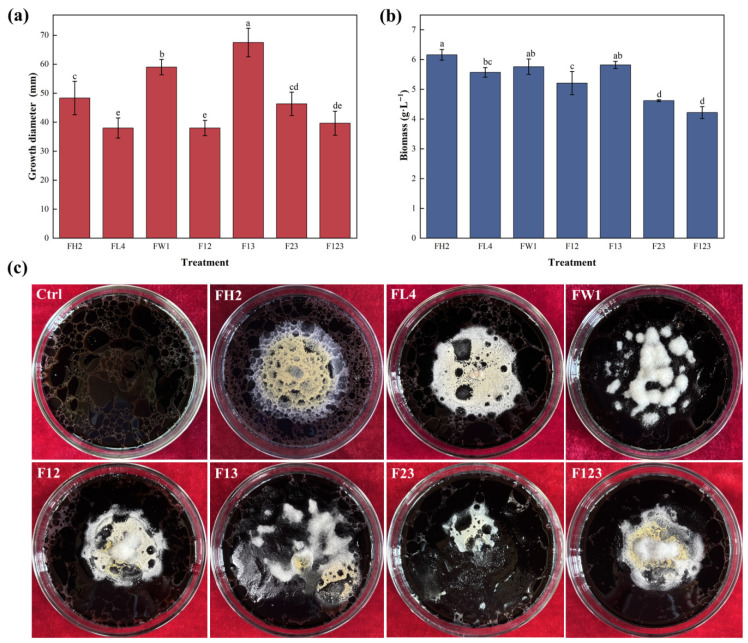 Figure 3
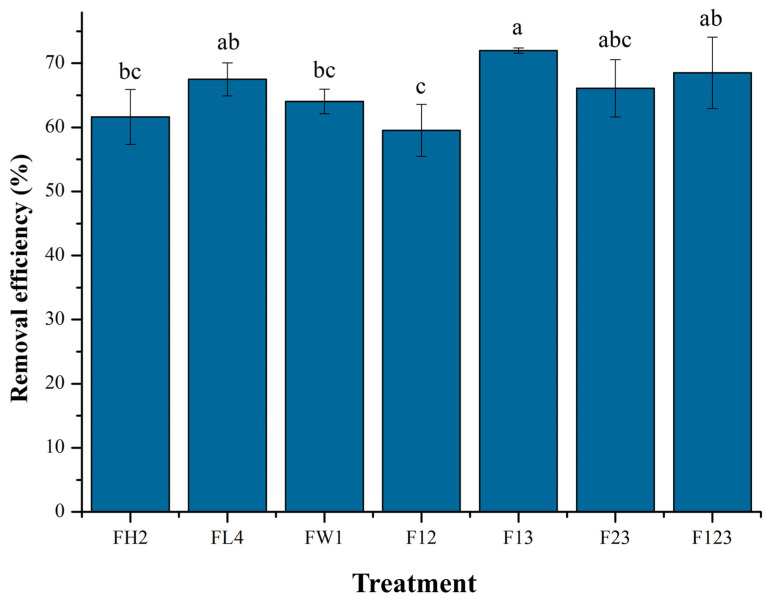 Figure 4
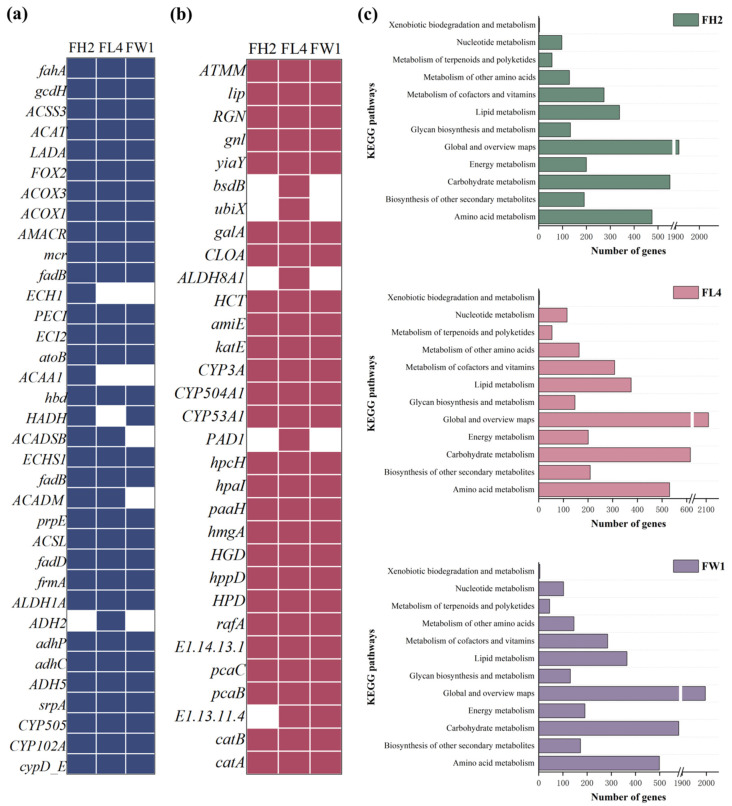 Figure 5
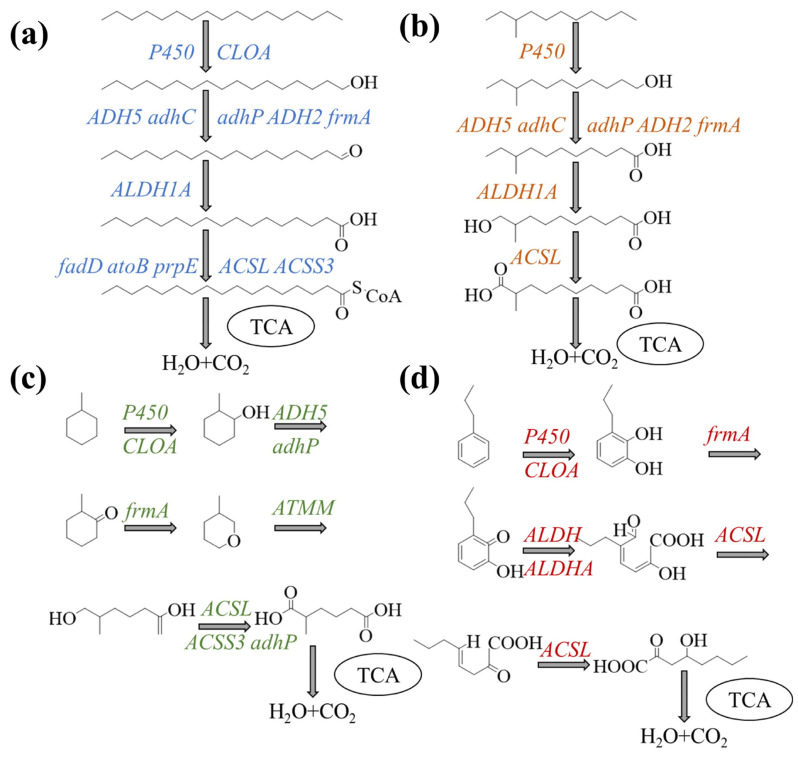 Figure 6
Peer Reviews
No public reviews on file for this paper yet. If you reviewed it on a platform where reviews are public (OpenReview, ICLR, NeurIPS, ICML), you can paste yours below so the community can read it here.
Videos
No videos yet. Explain this paper in a talk, walkthrough, or lecture? Add one.
Taxonomy
TopicsMicrobial bioremediation and biosurfactants · Enzyme-mediated dye degradation · Enhanced Oil Recovery Techniques