Tribological Performance of CAM-Processed Interim Dental Restoration Materials: Effects of 3D Printing, Milling, and Post-Processing on Wear and Surface Topography
Liliana Porojan, Roxana Diana Vasiliu, Flavia Roxana Bejan, Mihaela Ionela Gherban, Diana Uțu, Anamaria Matichescu

TL;DR
This study evaluates how 3D printing and milling affect the wear and surface quality of dental restoration materials, finding that printed resins perform better with optimized post-processing.
Contribution
The study introduces a comprehensive tribological analysis of CAM-processed dental materials, linking wear behavior to manufacturing and post-processing methods.
Findings
3D-printed resins showed lower wear compared to milled materials.
Optimized post-processing, especially prolonged post-curing, improves wear resistance and surface topography.
Hardness is a primary factor in wear performance, with nanoroughness playing a secondary role.
Abstract
In order to provide clinically significant evidence on the long-term functional performance of CAD/CAM provisional materials, especially 3D-printed and milled resins, accurate tribologically in vitro wear tests that integrate wear parameters and surface topography analysis are necessary. The goal of the study was to assess the wear resistance of several CAM-obtained dental crown materials and the relationship between wear and the manufacturing process, distinctive postprocessing, microhardness, microroughness, and surface topography. A standardized ball-on-flat tribological protocol was applied to (n = 70) CAD/CAM-fabricated PMMA specimens (four 3D-printed groups with distinct post-processing protocols (Optiprint) and three milled materials (TelioCAD, Shaded PMMA, Copra Temp Symphony)) to quantify wear parameters micro- and nanoroughness (Ra, Rz, Sa, Sy), and Vickers microhardness,…
Genes, proteins, chemicals, diseases, species, mutations and cell lines named across the full text — each resolved to its canonical identifier and authoritative record.
Click any figure to enlarge with its caption.
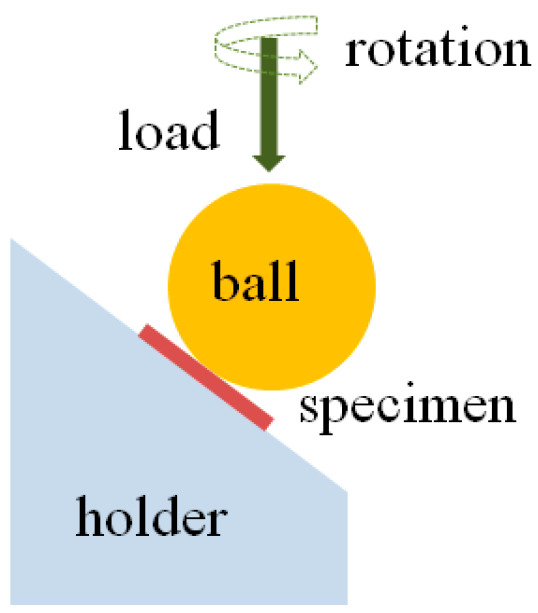 Figure 1
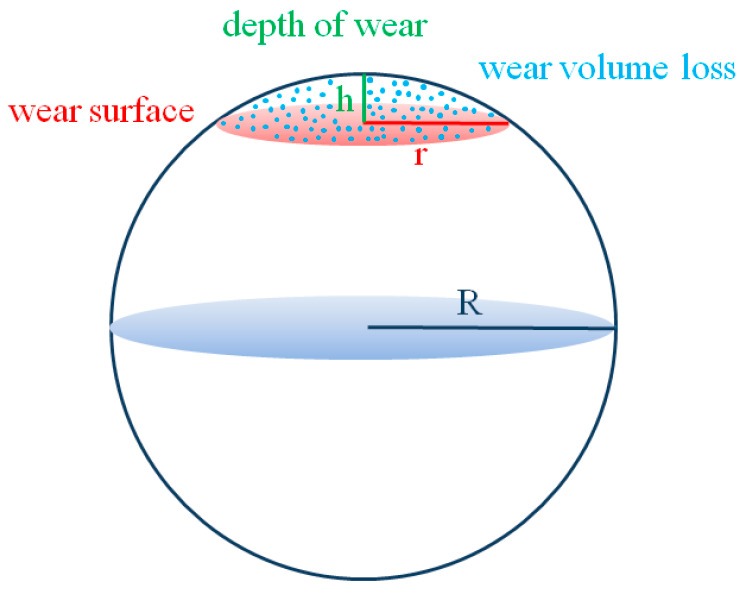 Figure 2
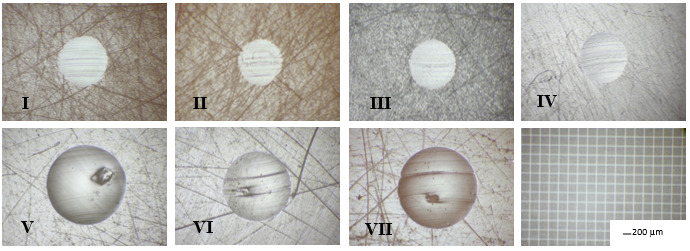 Figure 3
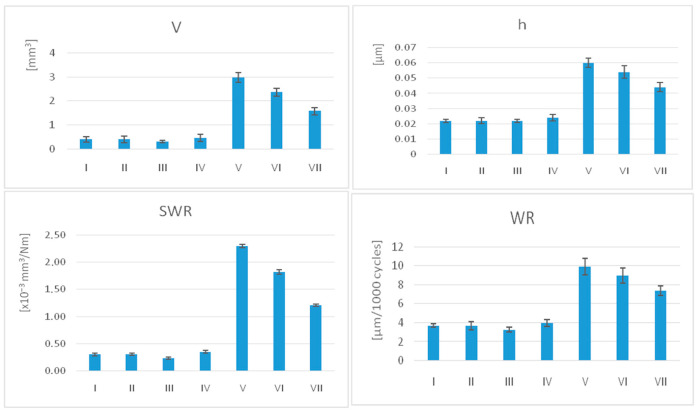 Figure 4
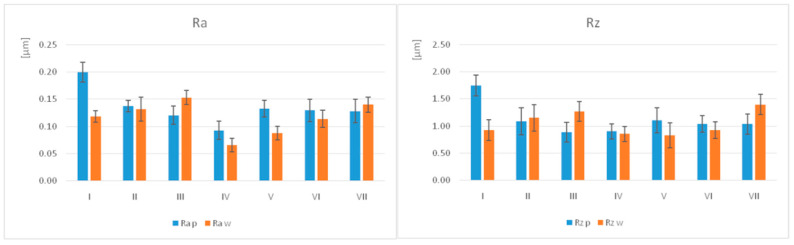 Figure 5
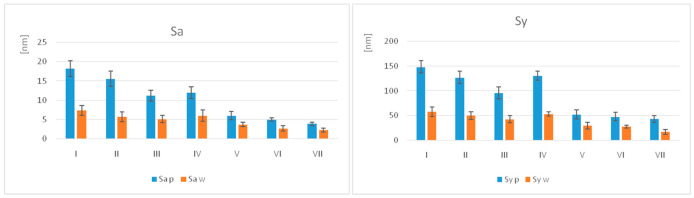 Figure 6
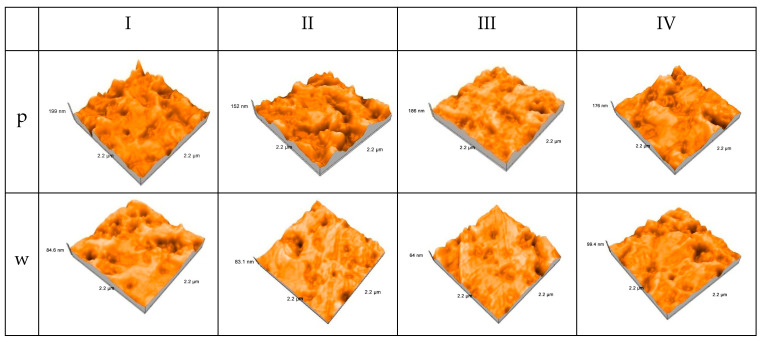 Figure 7
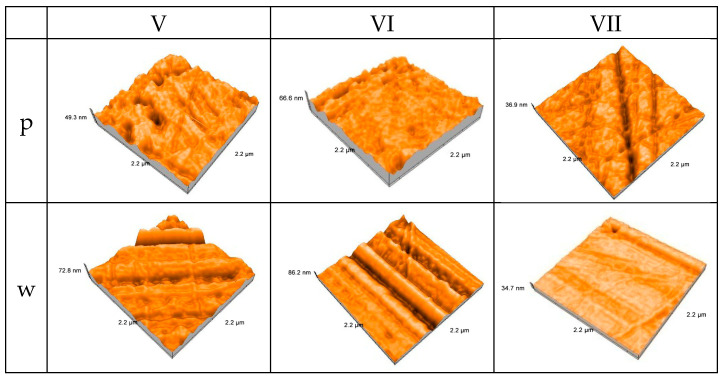 Figure 8
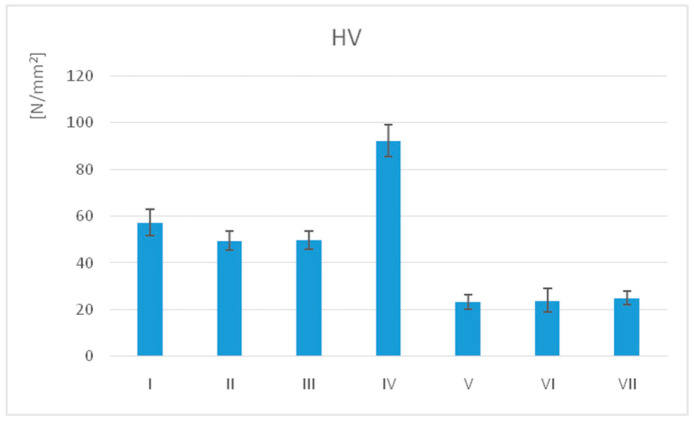 Figure 9
Peer Reviews
No public reviews on file for this paper yet. If you reviewed it on a platform where reviews are public (OpenReview, ICLR, NeurIPS, ICML), you can paste yours below so the community can read it here.
Videos
No videos yet. Explain this paper in a talk, walkthrough, or lecture? Add one.
Taxonomy
TopicsDental materials and restorations · Dental Erosion and Treatment · Orthopaedic implants and arthroplasty