Triptonide Suppresses AML via PI3K/AKT Signaling: A Network Pharmacology Approach Validated by Molecular Docking and Experimental Studies
Lixia Song, Jing Meng, Huijie Li, Wanxin Fu, Kun Hong, Shengnan Shen, Zheping Zhang, Shilan Ding, Shengpeng Li, Zifan Zhang, Weijian Bei, Hairu Huo, Yuqing Tan, Feng Sui, Li Liu

TL;DR
Triptonide, a natural compound, shows promise in treating AML by inhibiting the PI3K/AKT pathway, supported by computational and experimental evidence.
Contribution
This study identifies the PI3K/AKT pathway as a key target of triptonide in AML using network pharmacology and experimental validation.
Findings
Triptonide binds strongly to AKT1 and PIK3R1, key components of the PI3K/AKT pathway.
In vitro and in vivo experiments confirm triptonide's anti-AML effects via PI3K/AKT inhibition.
Triptonide suppresses AML cell proliferation and induces apoptosis without organ toxicity.
Abstract
Triptonide (TN), a natural bioactive compound derived from Tripterygium wilfordii with multiple antitumor activities, has a poorly defined exact mechanism in acute myeloid leukemia (AML)—a hematologic malignancy with limited treatment options. This study systematically clarifies TN’s mechanisms in AML through an integrative strategy combining network pharmacology, molecular docking, molecular dynamics simulation, and in vitro/in vivo experiment validation. Predicted TN targets using Swiss Target Prediction and PharmMapper, and AML-associated genes via GeneCards, OMIM, and CTD. Verall, O198 overlapping targets were mapped to build a PPI network using STRING and Cytoscape. Identified hub gene (AKT1, EGFR, HSP90AA1, HSP90AB1, and PIK3R1) using CytoNCA, MCODE, and CytoHubba algorithms. GO and KEGG enrichment analyses highlighted marked enrichment in the PI3K/AKT pathway. TN exhibited high…
Genes, proteins, chemicals, diseases, species, mutations and cell lines named across the full text — each resolved to its canonical identifier and authoritative record.
Click any figure to enlarge with its caption.
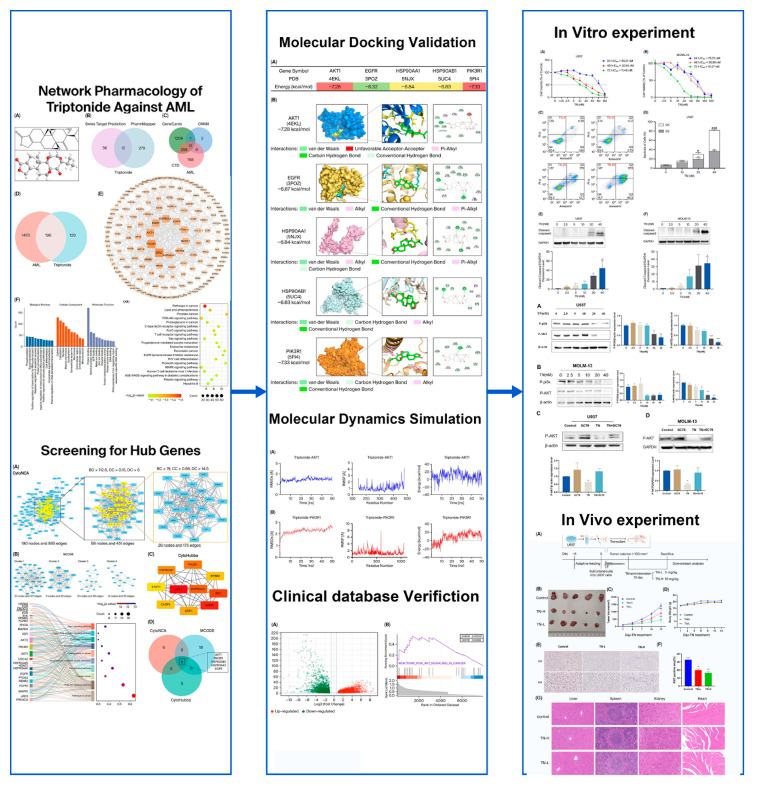 Figure 1
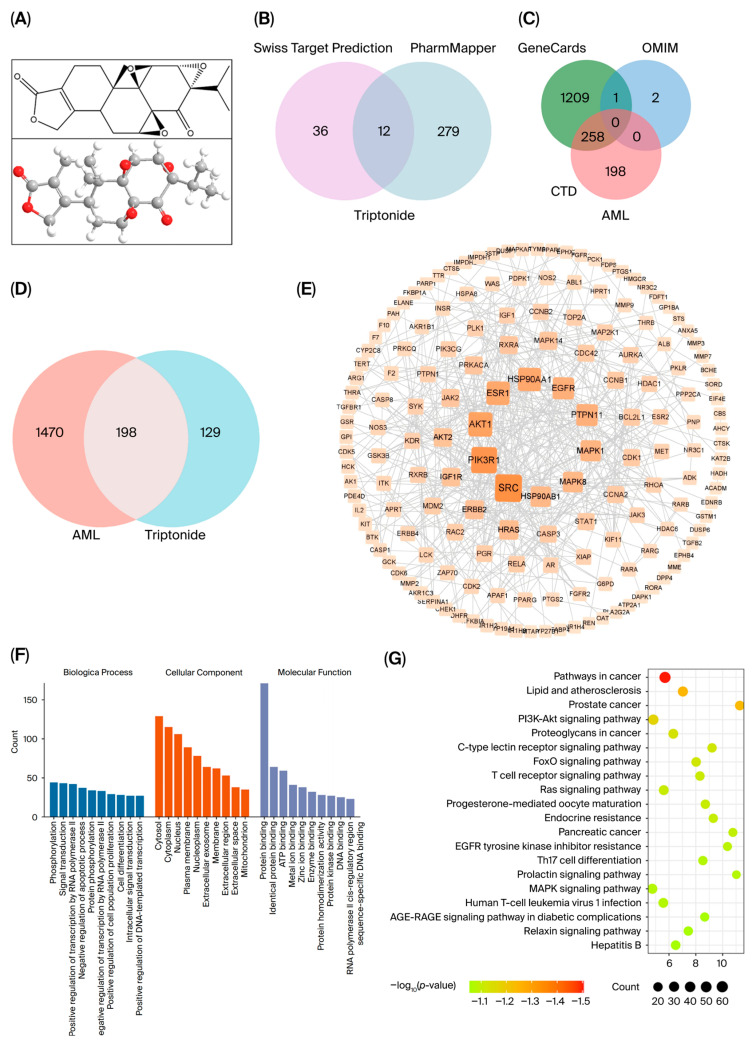 Figure 2
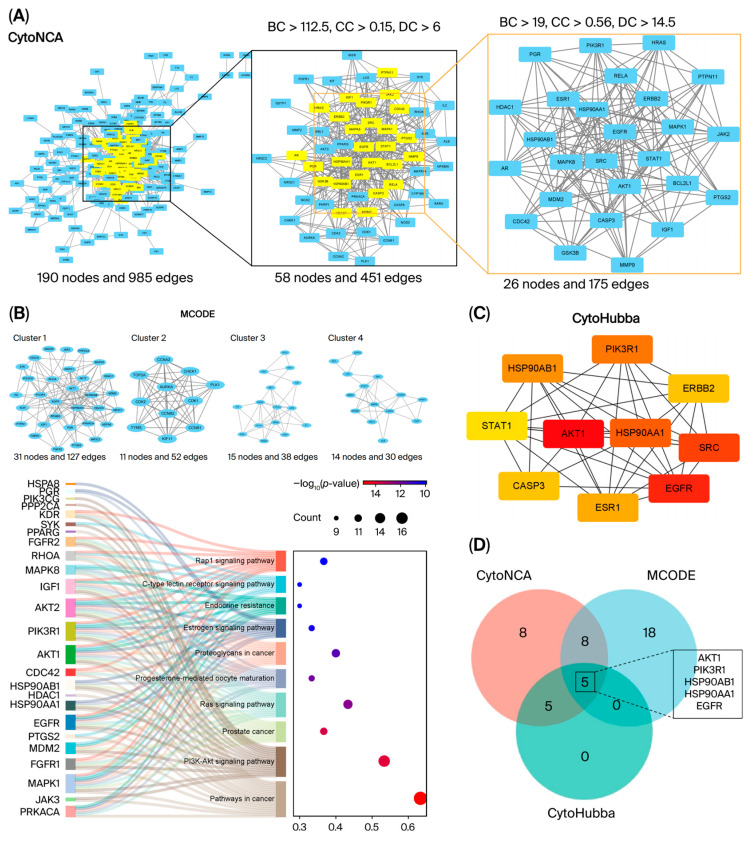 Figure 3
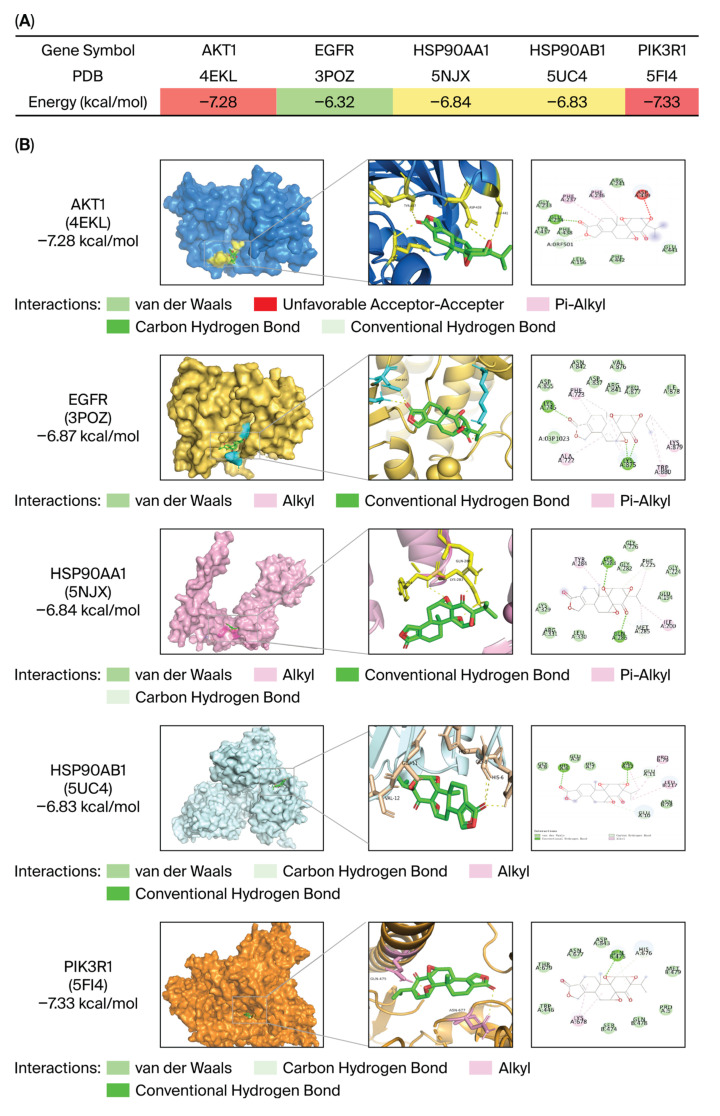 Figure 4
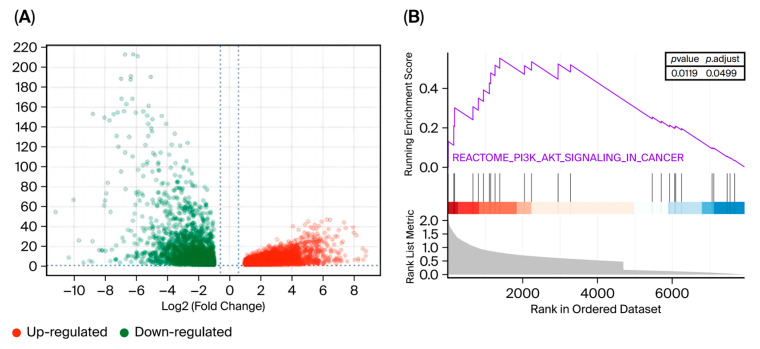 Figure 5
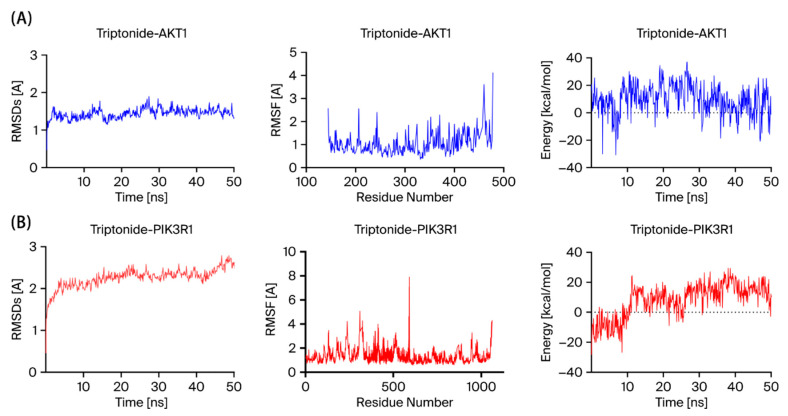 Figure 6
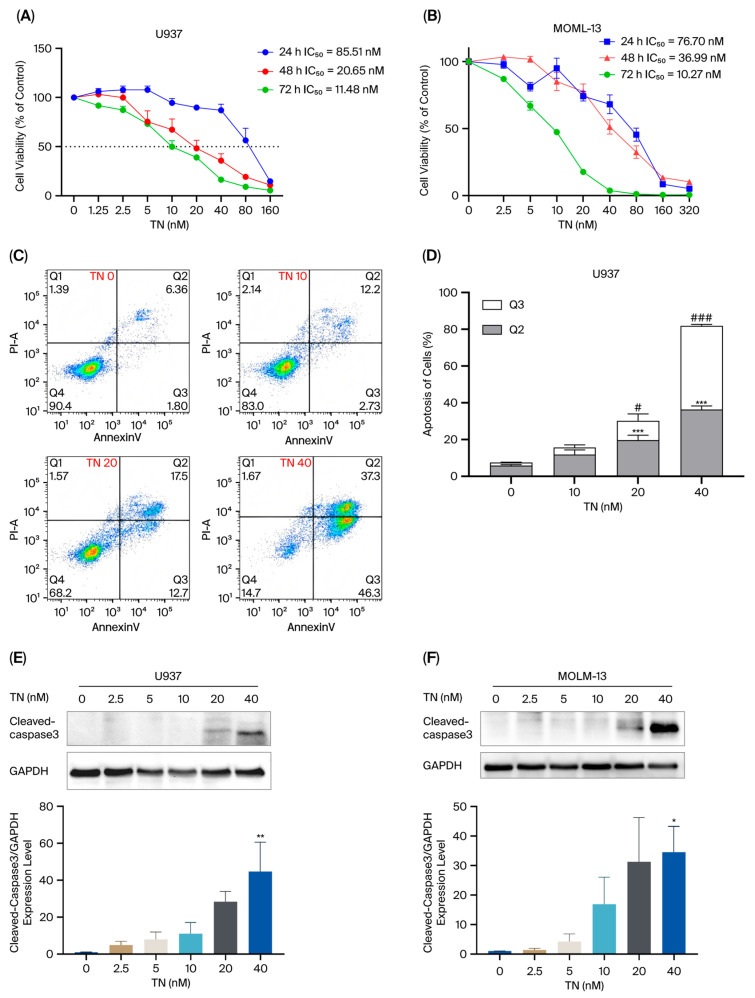 Figure 7
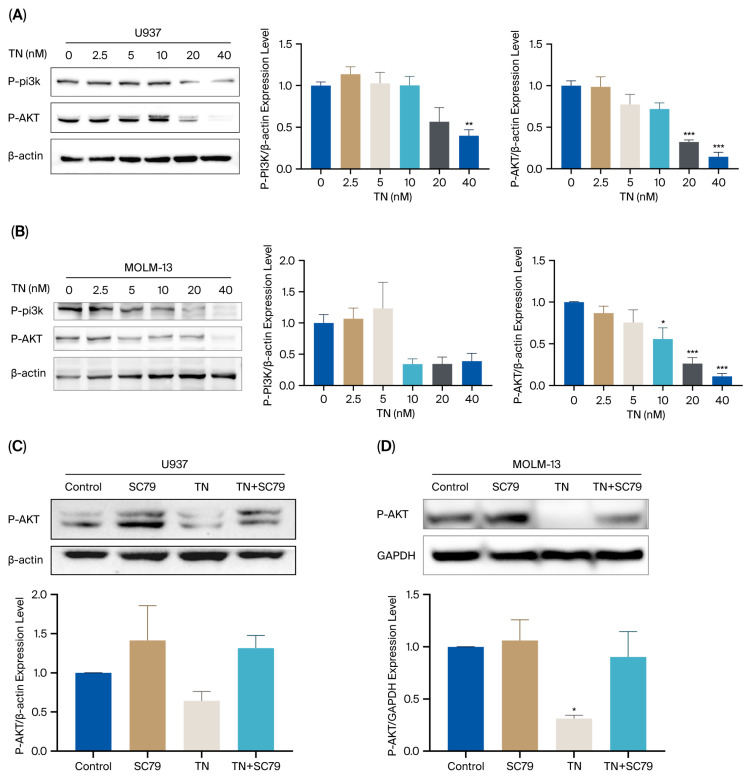 Figure 8
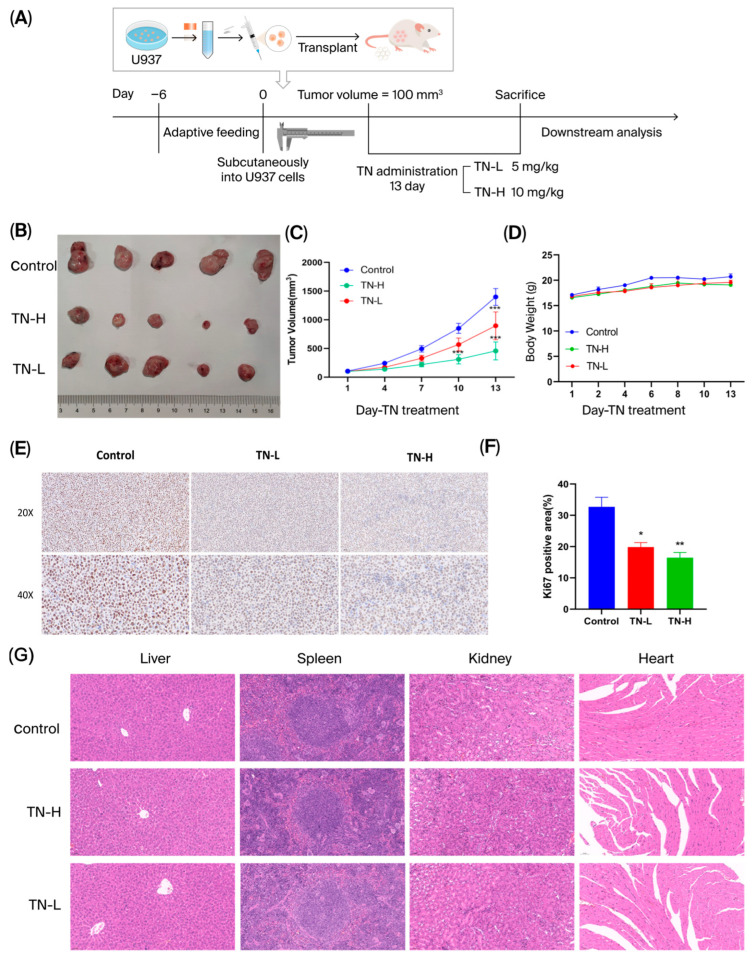 Figure 9
Peer Reviews
No public reviews on file for this paper yet. If you reviewed it on a platform where reviews are public (OpenReview, ICLR, NeurIPS, ICML), you can paste yours below so the community can read it here.
Videos
No videos yet. Explain this paper in a talk, walkthrough, or lecture? Add one.
Taxonomy
TopicsNatural Compounds in Disease Treatment · Histone Deacetylase Inhibitors Research · Cell death mechanisms and regulation