Discovery of Tyrosinase Inhibitors from Lysinibacillus sp. JNUCC 52 via Genome Mining, Secondary Metabolites Profiling, and In Silico Analysis
Xuhui Liang, Yang Xu, Chang-Gu Hyun

TL;DR
Researchers found a compound from a Lysinibacillus strain that strongly inhibits tyrosinase, an enzyme involved in melanin production, suggesting potential for therapeutic and cosmetic use.
Contribution
The study identifies cyclo(L-Pro-L-Leu) as a potent tyrosinase inhibitor from Lysinibacillus sp. JNUCC 52, supported by in silico and experimental analyses.
Findings
Cyclo(L-Pro-L-Leu) showed strong tyrosinase inhibition with an IC50 of 79.5 ± 2.3 μM.
In silico analysis confirmed favorable drug-like properties and stable binding to tyrosinase.
Lysinibacillus sp. JNUCC 52 is a promising source of bioactive secondary metabolites.
Abstract
Tyrosinase is a key enzyme in melanin biosynthesis, and natural inhibitors have potential therapeutic and cosmetic applications. Lysinibacillus sp. JNUCC 52, a member of the Bacillaceae family, shows potential for producing bioactive secondary metabolites. However, the tyrosinase inhibitory potential of metabolites from this strain has not been previously reported. This study investigates its genomic features, secondary metabolites, and tyrosinase inhibitory activity to identify promising enzyme inhibitors. Integrated COG, GO, and KEGG annotation revealed a metabolically robust network supporting secondary metabolite biosynthesis. Chemical investigation of the ethyl acetate extract yielded five known compounds, among which cyclo(L-Pro-L-Leu) displayed the strongest tyrosinase inhibition (IC50 = 79.5 ± 2.3 μM), whereas uracil showed weaker activity. In silico ADMET and drug-likeness…
Genes, proteins, chemicals, diseases, species, mutations and cell lines named across the full text — each resolved to its canonical identifier and authoritative record.
Click any figure to enlarge with its caption.
 Figure 1
 Figure 2
 Figure 3
 Figure 4
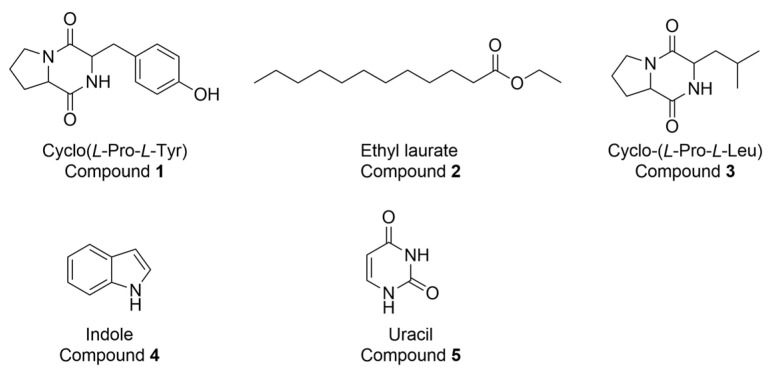 Figure 5
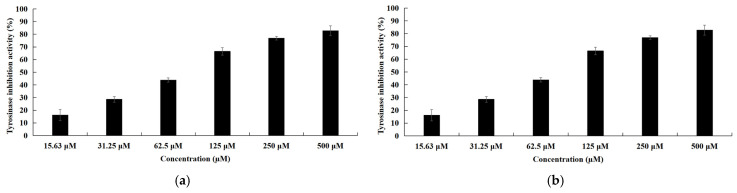 Figure 6
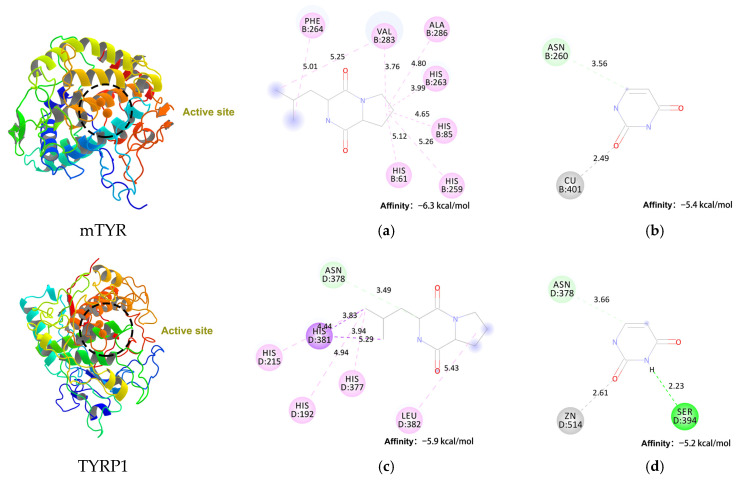 Figure 7
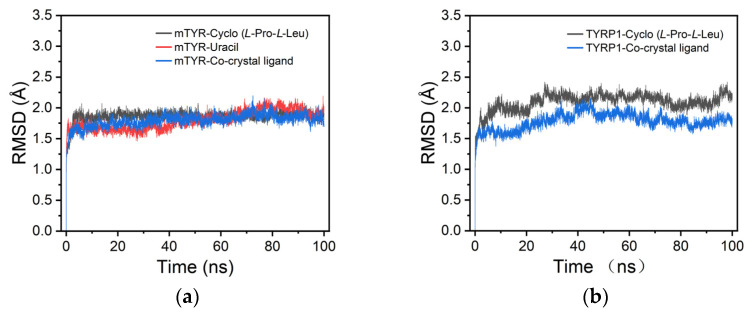 Figure 8
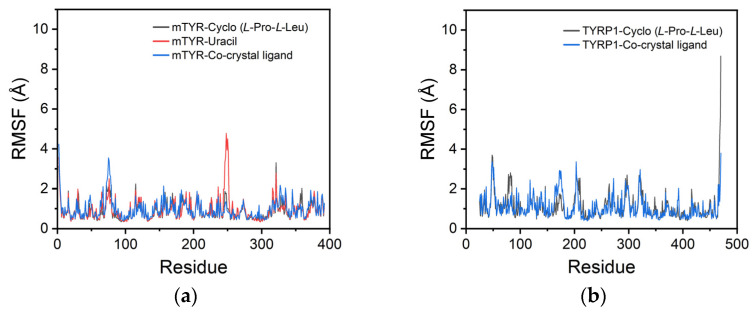 Figure 9
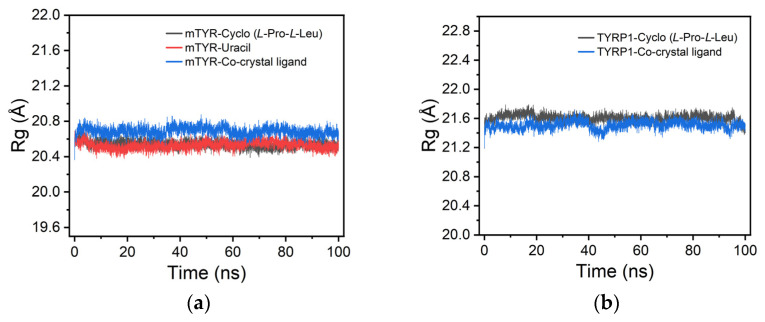 Figure 10
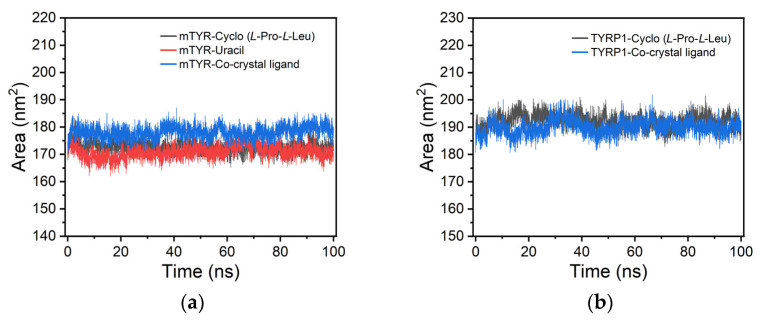 Figure 11
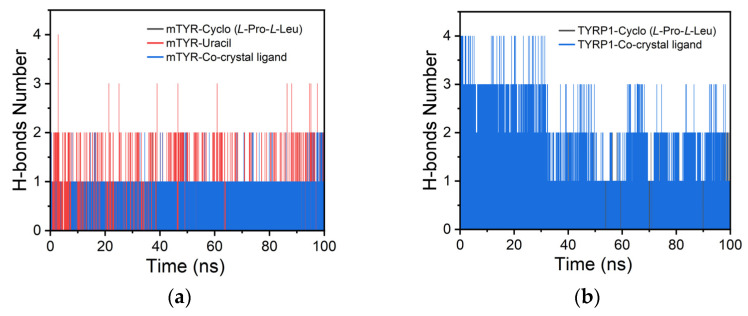 Figure 12
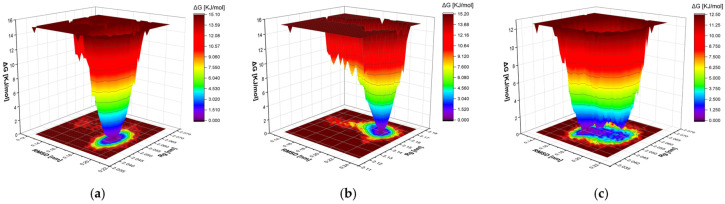 Figure 13
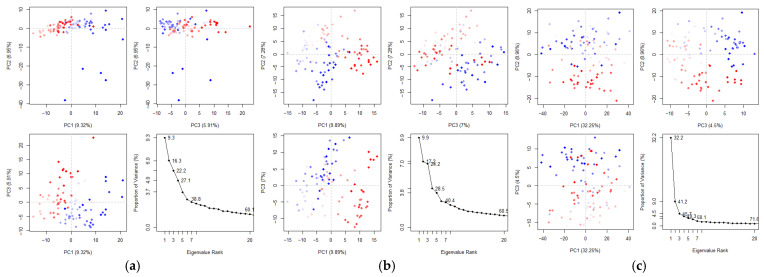 Figure 14
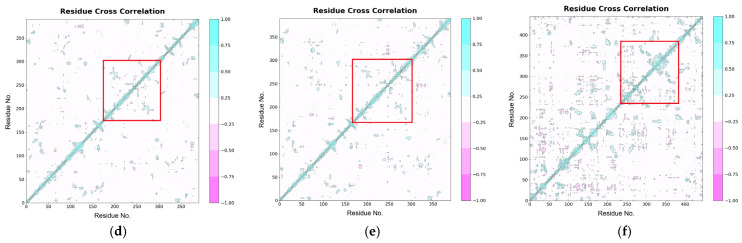 Figure 15
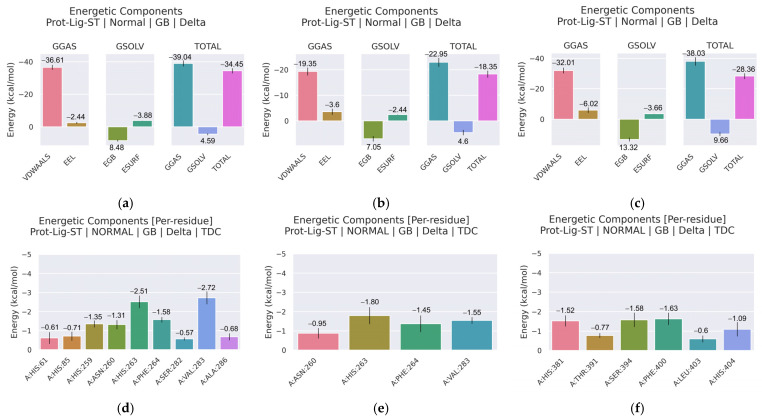 Figure 16
Peer Reviews
No public reviews on file for this paper yet. If you reviewed it on a platform where reviews are public (OpenReview, ICLR, NeurIPS, ICML), you can paste yours below so the community can read it here.
Videos
No videos yet. Explain this paper in a talk, walkthrough, or lecture? Add one.
Taxonomy
Topicsmelanin and skin pigmentation · Glycosylation and Glycoproteins Research · Plant Gene Expression Analysis