SMR Peptide Modulates Tumor-Derived Extracellular Vesicles microRNA and Inflammatory Transcript Signatures in TNBC
Ming-Bo Huang, Fengxia Yan, Uswa Jadoon, Jennifer Y. Wu, Dara Brena, Erica L. Johnson, Jonathan Stiles, Lily Yang, Brian M. Rivers, Vincent C. Bond

TL;DR
A synthetic peptide called SMRwt changes the microRNA and inflammatory signals in tumor cells, potentially offering a new treatment for aggressive breast cancer.
Contribution
SMRwt is shown to simultaneously restore tumor-suppressive microRNAs and reduce inflammasome-driven inflammation in TNBC.
Findings
SMRwt treatment enriched 11 tumor-suppressive microRNAs linked to reduced cancer progression.
SMRwt reduced inflammasome-associated cytokines like IL-1β in TNBC cells.
SMRwt inhibits NLRP3 inflammasome signaling by suppressing ASC-mediated caspase-1 activation.
Abstract
What changes with SMRwt? Extracellular vesicle microRNAs shift to tumor suppression. What signaling is affected? Inflammasome cytokine transcripts are reduced in cells. Triple-negative breast cancer (TNBC) is an aggressive subtype lacking targeted therapies and characterized by pronounced heterogeneity and widespread dysregulation of microRNAs (miRNAs) that influence epithelial-to-mesenchymal transition (EMT) and metastasis. Tumor-derived extracellular vesicles (tEVs) further contribute to TNBC progression by transporting oncogenic cargo that can enhance pro-inflammatory signaling. The synthetic SMRwt peptide has been suggested to modulate oncogenic pathways; however, its effects on EV miRNA composition and inflammatory transcript profiles in TNBC remain unclear. Here, we investigated whether SMRwt alters tEV-associated miRNAs and cytokine transcript signatures relevant to EMT and…
Genes, proteins, chemicals, diseases, species, mutations and cell lines named across the full text — each resolved to its canonical identifier and authoritative record.
Click any figure to enlarge with its caption.
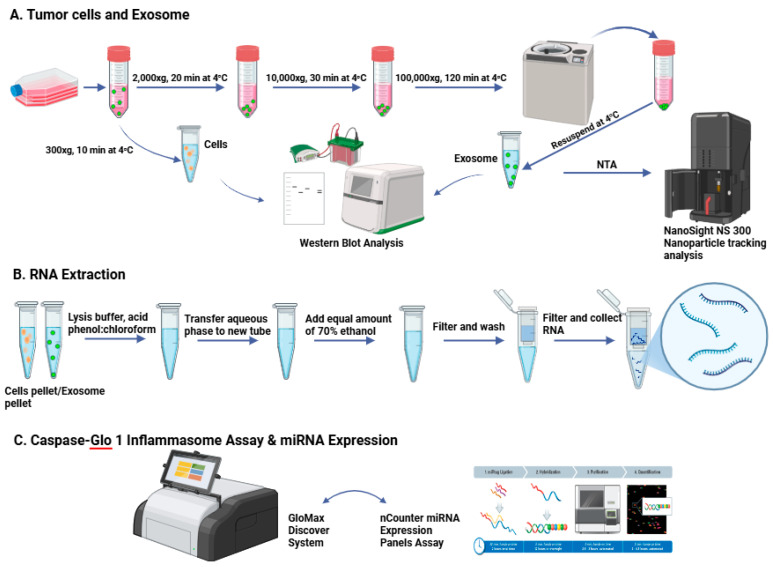 Figure 1
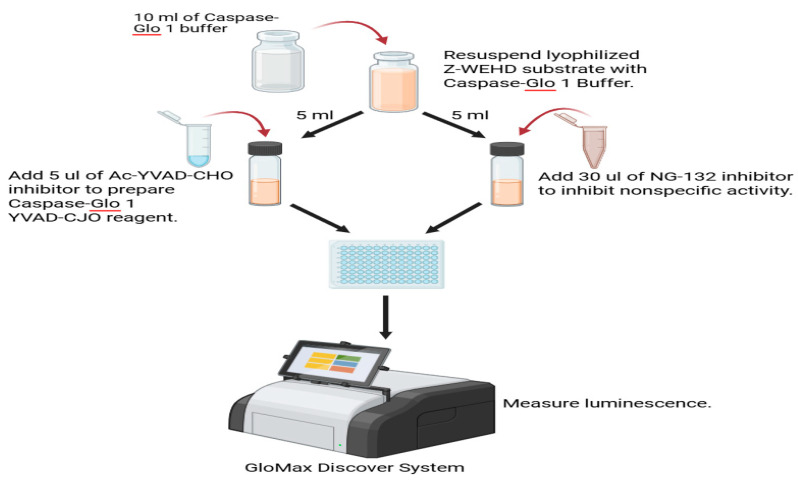 Figure 2
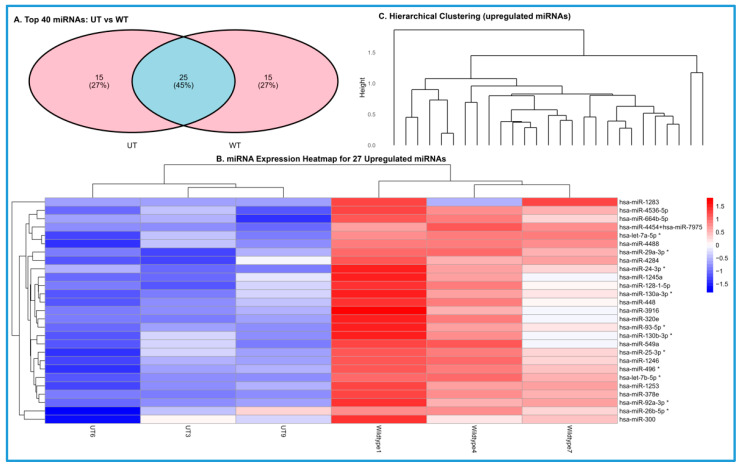 Figure 3
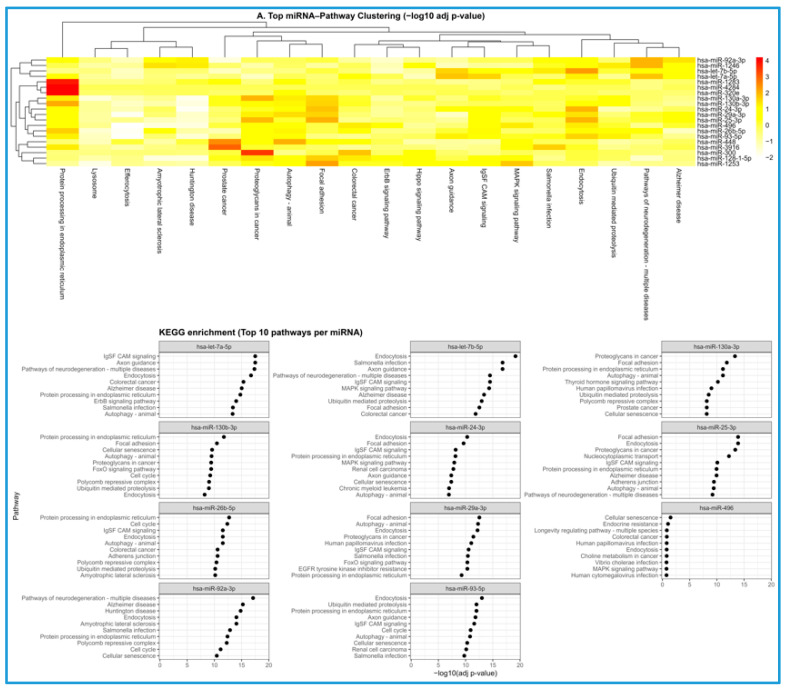 Figure 4
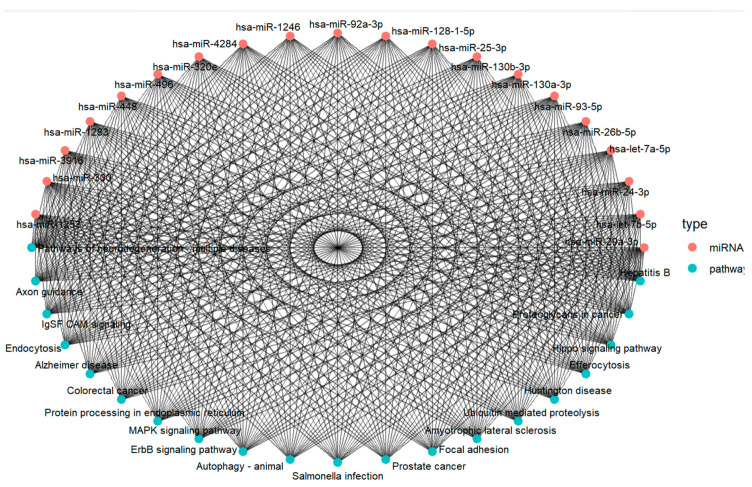 Figure 5
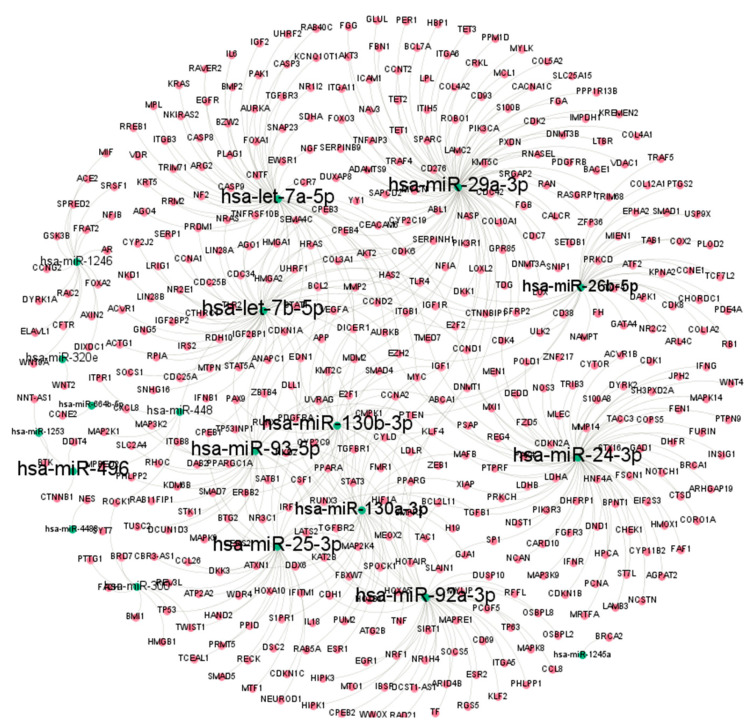 Figure 6
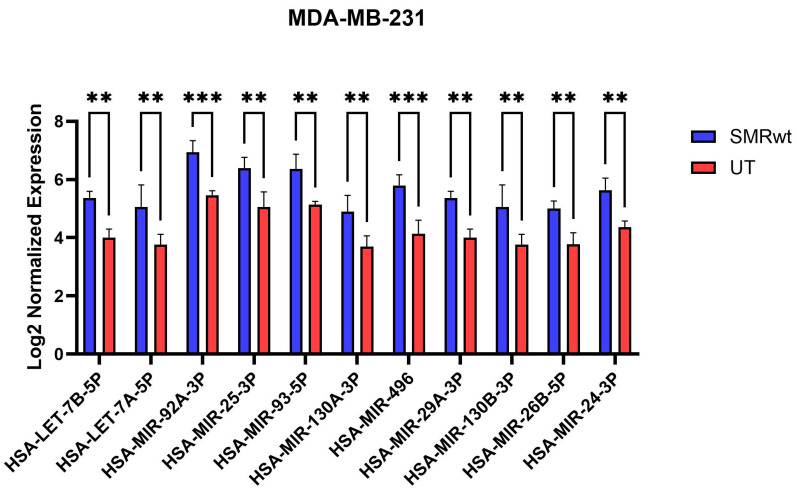 Figure 7
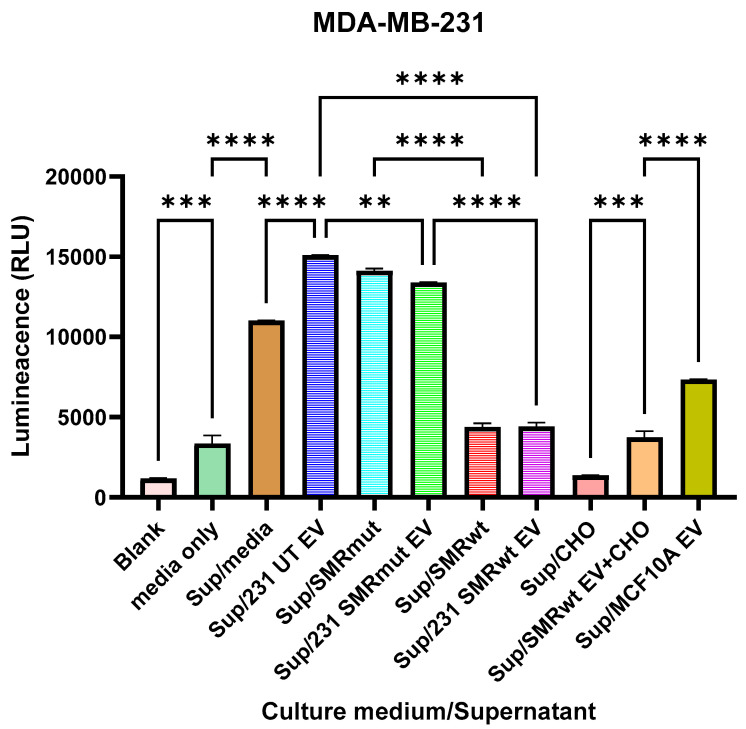 Figure 8
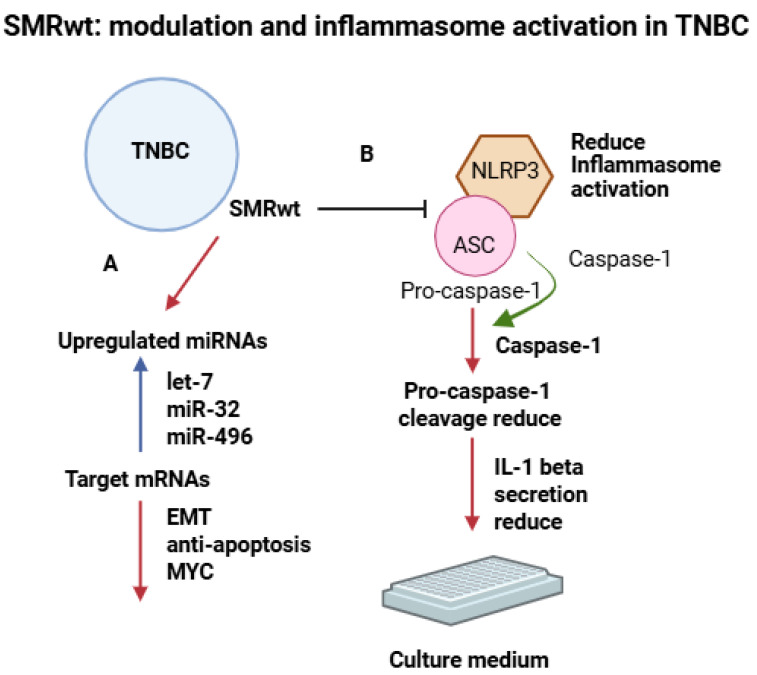 Figure 9
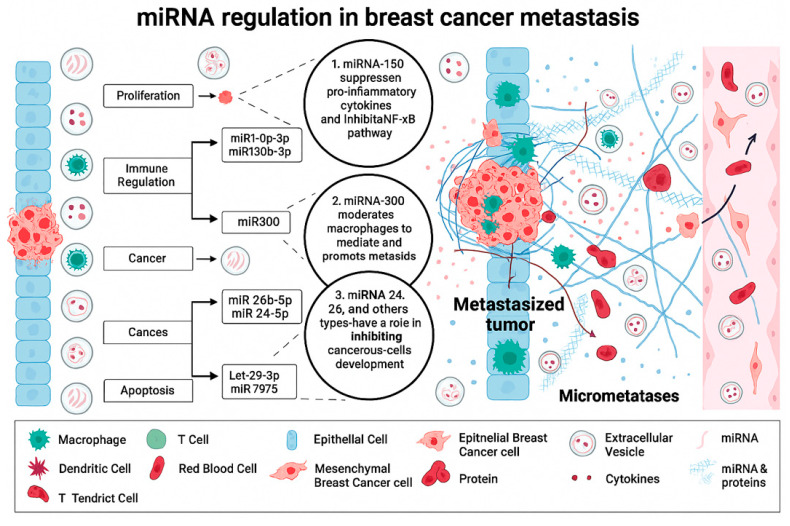 Figure 10
Peer Reviews
No public reviews on file for this paper yet. If you reviewed it on a platform where reviews are public (OpenReview, ICLR, NeurIPS, ICML), you can paste yours below so the community can read it here.
Videos
No videos yet. Explain this paper in a talk, walkthrough, or lecture? Add one.
Taxonomy
TopicsExtracellular vesicles in disease · MicroRNA in disease regulation · Nanoplatforms for cancer theranostics