Evaluation of Antitumor and Antimicrobial Photobiological Activity of Nanocarrier Containing Photosensitizer and Magnetic Nanoparticle
Raphaela Aparecida Schuenck Rodrigues, Sandro Pinheiro da Costa, Veronica da Silva Cardoso, Alane Beatriz Vermelho, Ralph Santos-Oliveira, Franklin Chimaobi Kenechukwu, Eduardo Ricci-Junior

TL;DR
This study evaluates nanocarriers with a photosensitizer and magnetic nanoparticles for improved antitumor and antimicrobial photodynamic therapy.
Contribution
The novel contribution is the development and characterization of PNPs-PS and PNPs-PS-MagNPs for enhanced photobiological activity against tumors and microbes.
Findings
PNPs-PS and PNPs-PS-MagNPs showed excellent antitumor activity with cell viabilities of 42% and 34%, respectively.
PNPs-PS exhibited strong antibacterial activity against MRSA with an IC50 of 8.26 μg/mL, better than free Al-Pc-Cl.
PNPs-PS and PNPs-PS-MagNPs had significantly lower IC50 values against C. albicans compared to free PS and fluconazole.
Abstract
Nanotechnology combined with photodynamic therapy (PDT) has been explored to enhance antitumor and antimicrobial photobiological activity. Aluminum phthalocyanine chloride (Al-Pc-Cl), with or without magnetic nanoparticles (MagNPs), was incorporated into polymeric nanoparticles (PNPs) to improve the PDT for treating tumors and infectious diseases. Three batches of the nanoparticles (MagNPs, PNPs-PS and PNPs-PS-MagNPs) were developed and characterized in terms of size, PdI, morphology by TEM, release study, and antitumor (against A549 cells) and antimicrobial (against MRSA and C. albicans) photobiological activity. The developed nanoparticles were nanometric in size, with MagNPs, PNPs-PS, and PNPs-PS-MagNPs showing 33.6, 186.9, and 333.5 nm, respectively, maintained the magnetic properties (for MagNPs and PNPs-PS-MagNPs), and provided slow and sustained release of the photosensitizer.…
Genes, proteins, chemicals, diseases, species, mutations and cell lines named across the full text — each resolved to its canonical identifier and authoritative record.
Click any figure to enlarge with its caption.
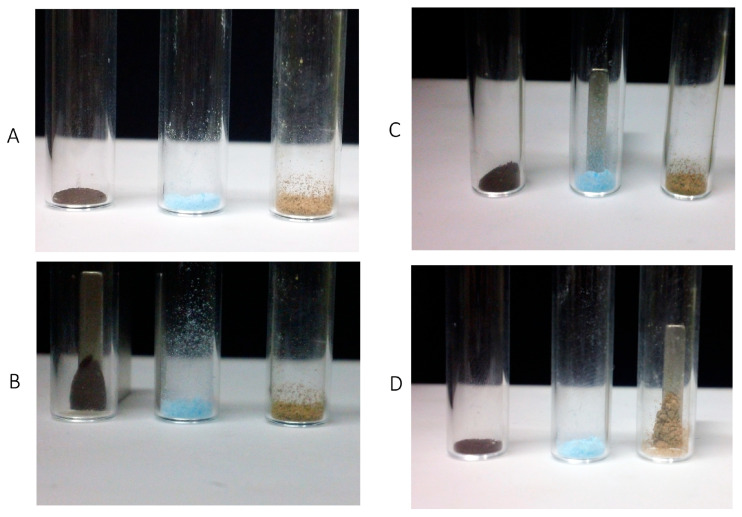 Figure 1
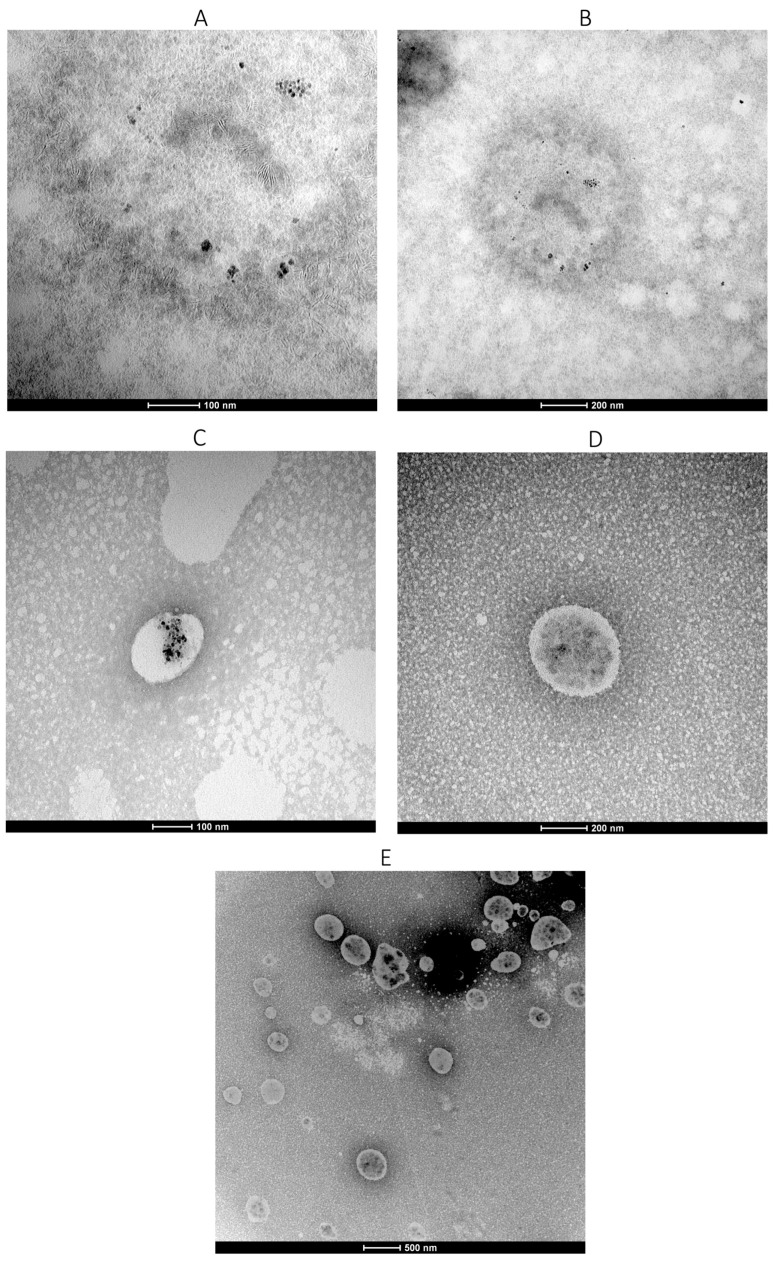 Figure 2
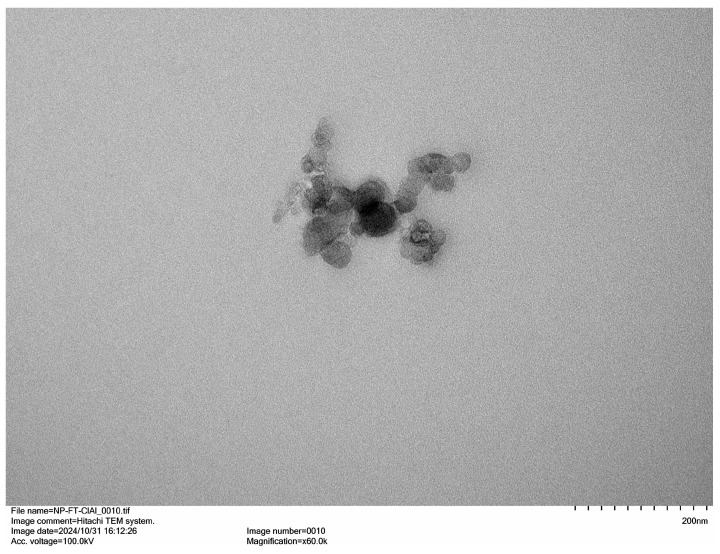 Figure 3
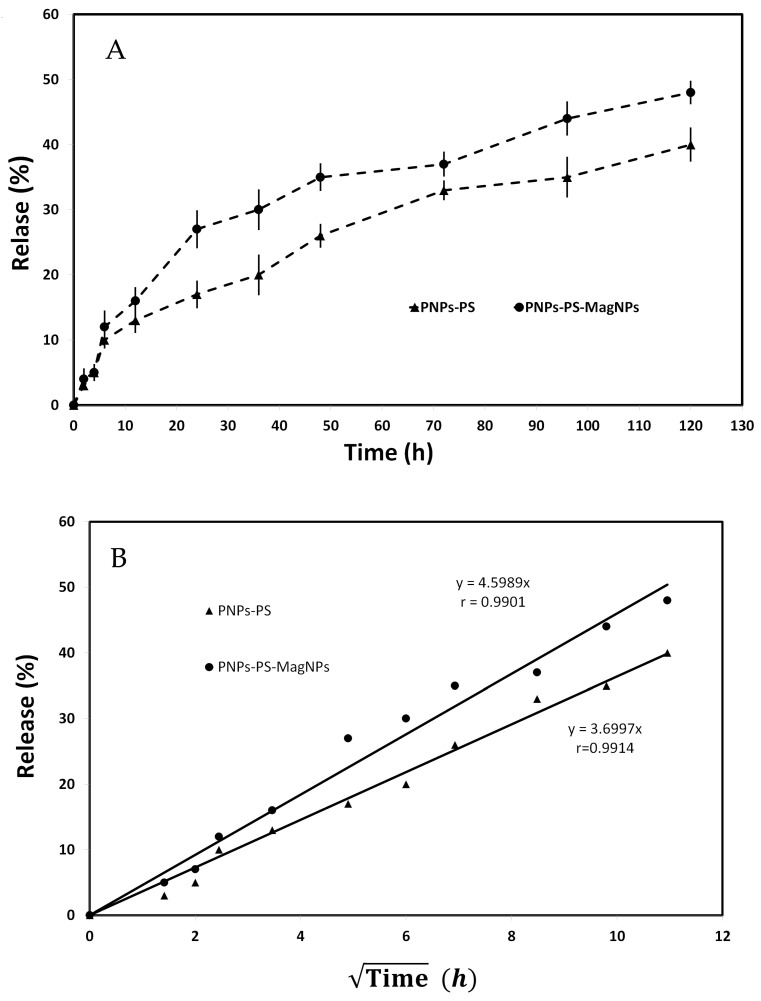 Figure 4
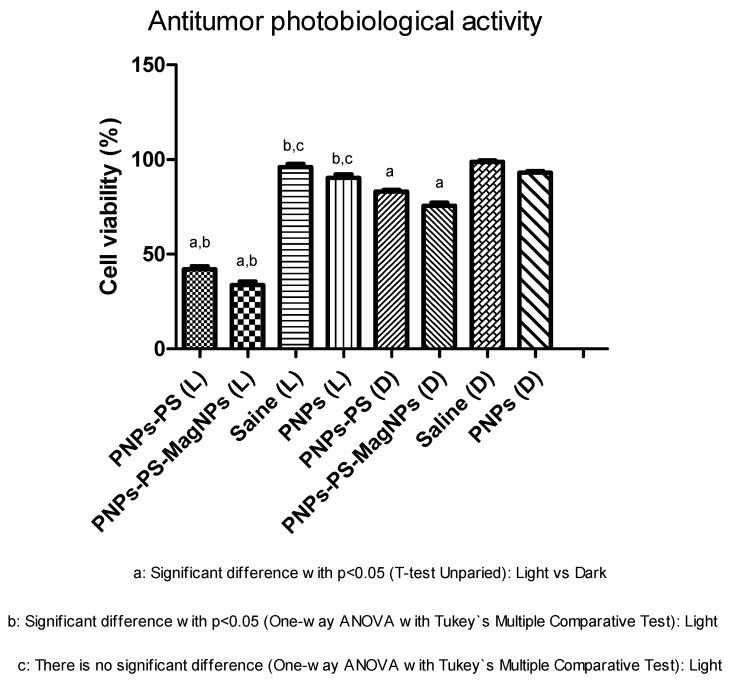 Figure 5
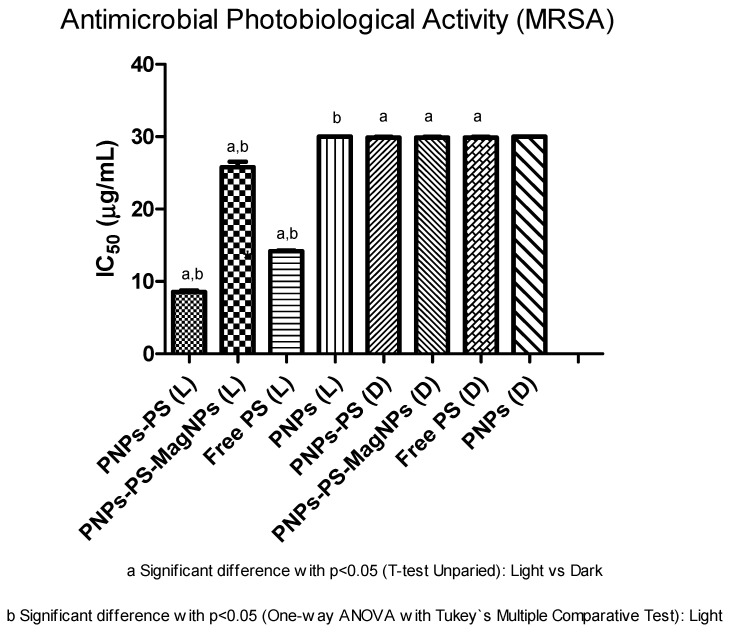 Figure 6
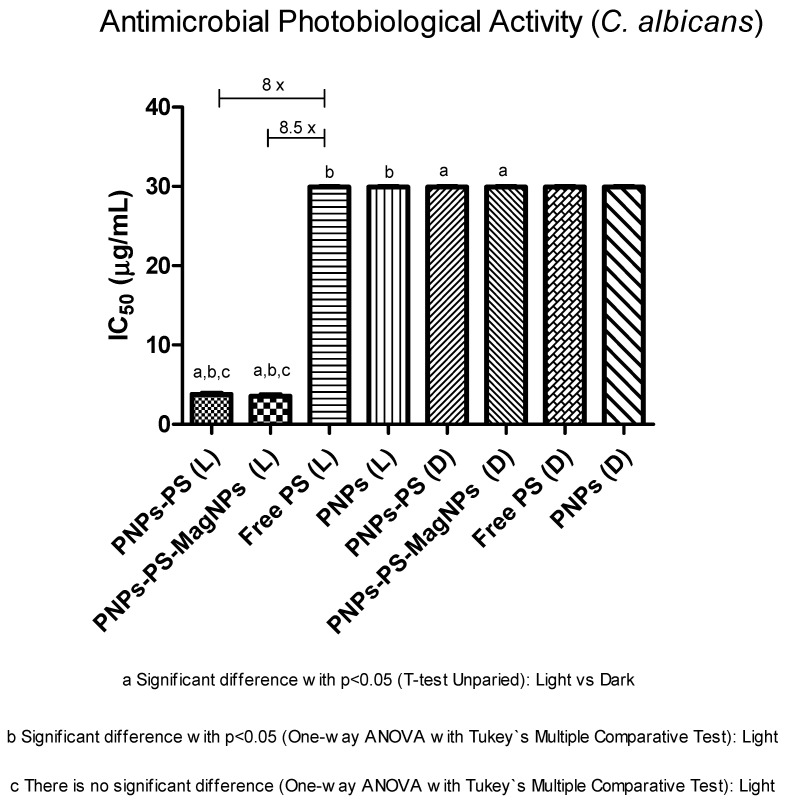 Figure 7
Peer Reviews
No public reviews on file for this paper yet. If you reviewed it on a platform where reviews are public (OpenReview, ICLR, NeurIPS, ICML), you can paste yours below so the community can read it here.
Videos
No videos yet. Explain this paper in a talk, walkthrough, or lecture? Add one.
Taxonomy
TopicsPhotodynamic Therapy Research Studies · Nanoplatforms for cancer theranostics · Antimicrobial agents and applications