Marine medaka PKCα promotes red-spotted grouper nervous necrosis virus entry by orchestrating MYL3-mediated macropinocytosis and cofilin-dependent actin remodeling
Lan Yao, Xiaogang Yang, Haifeng Li, Xingchen Xiong, Meisheng Yi, Kuntong Jia

TL;DR
This study reveals how a virus infects fish by hijacking a signaling pathway involving PKCα, myosin, and actin, offering a new target for antiviral treatments.
Contribution
The study identifies a novel MmMYL3-MmPKCα-cofilin signaling axis exploited by NNV for host cell entry.
Findings
MmPKCα enhances NNV entry through its kinase activity and interaction with MmMYL3.
MmPKCα activates cofilin by suppressing its phosphorylation, promoting actin remodeling for macropinocytosis.
MmPKCα is not a viral receptor but is essential for RGNNV entry via macropinocytosis.
Abstract
Protein kinase C alpha (PKCα) is a central signaling molecule implicated in various cellular processes, including viral infections. However, its role in fish viruses, particularly nervous necrosis virus (NNV), remains elusive. Here, we report that PKCα from marine medaka (MmPKCα) facilitates red-spotted grouper NNV (RGNNV) entry by bridging viral receptor marine medaka myosin light chain 3 (MmMYL3, a known RGNNV receptor mediating macropinocytosis) binding to downstream actin dynamics. RGNNV infection upregulates MmPKCα expression and activates its phosphorylation. Gain- and loss-of-function studies demonstrated that MmPKCα enhances NNV entry, dependent on its kinase activity. We found that MmPKCα interacts with the RGNNV capsid protein via its C-terminal (CT) domain. Although MmPKCα localized to the cell surface, it did not function as an RGNNV receptor, evidenced by unaltered viral…
Genes, proteins, chemicals, diseases, species, mutations and cell lines named across the full text — each resolved to its canonical identifier and authoritative record.
Click any figure to enlarge with its caption.
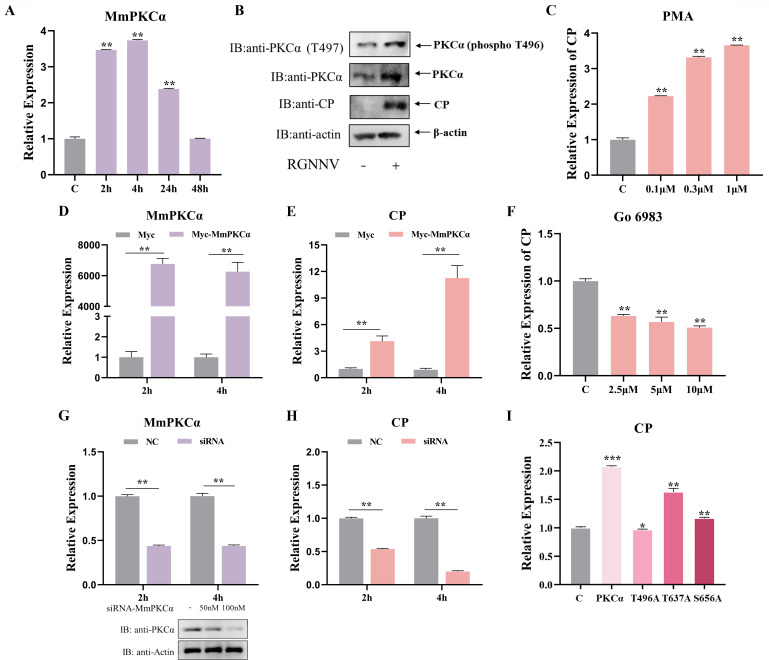 Figure 1
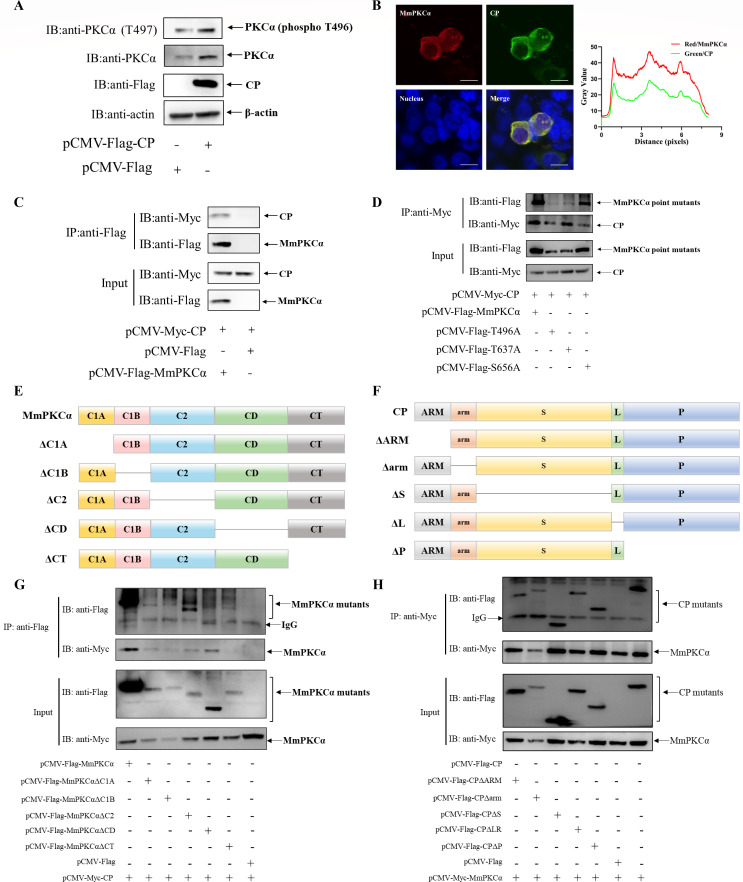 Figure 2
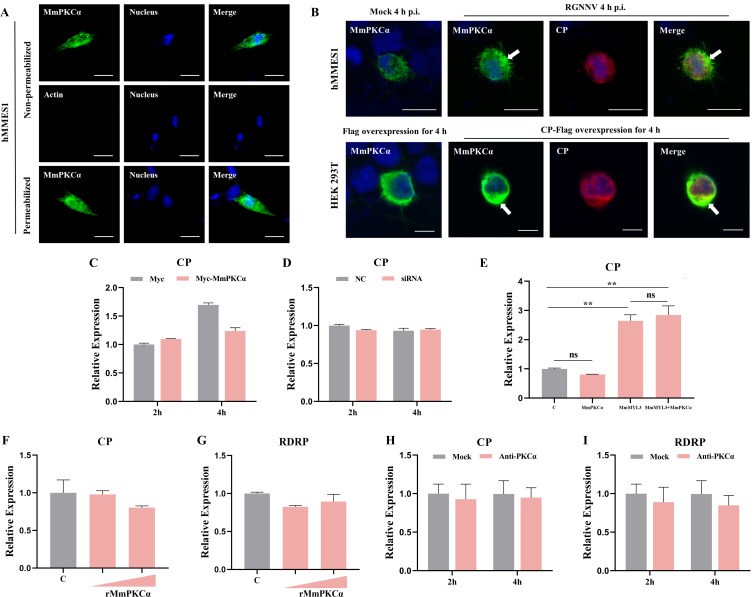 Figure 3
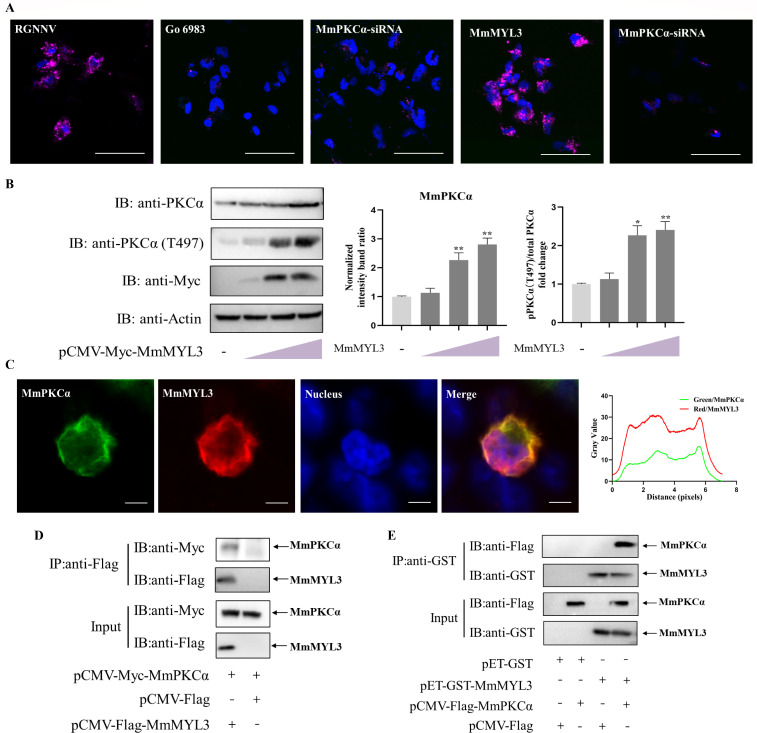 Figure 4
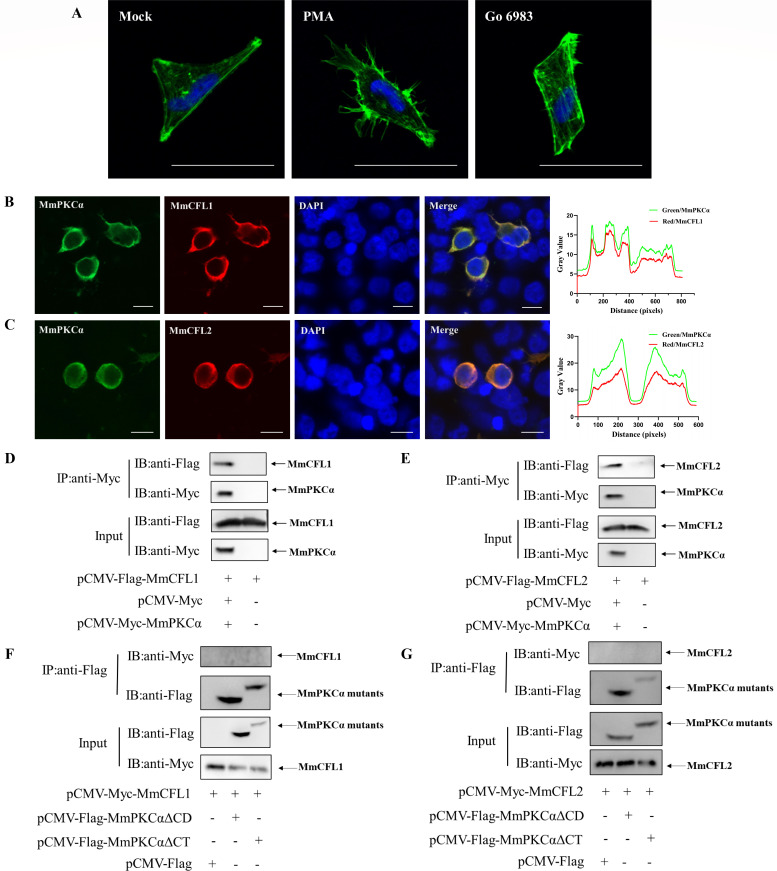 Figure 5
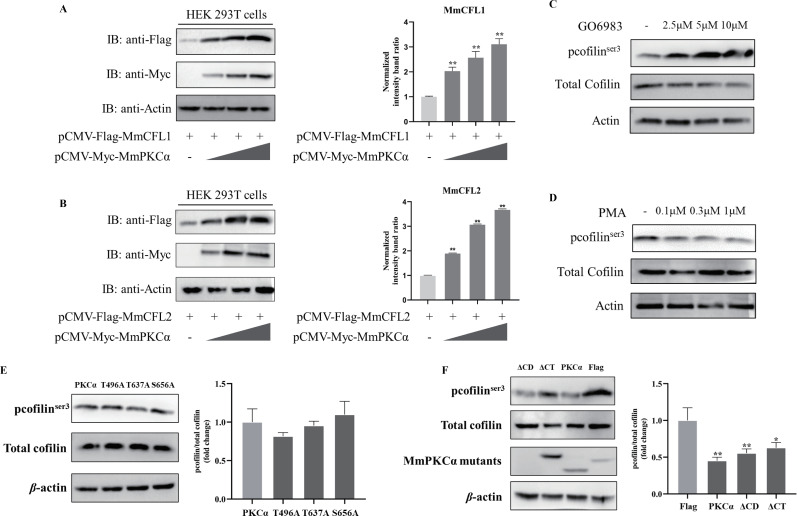 Figure 6
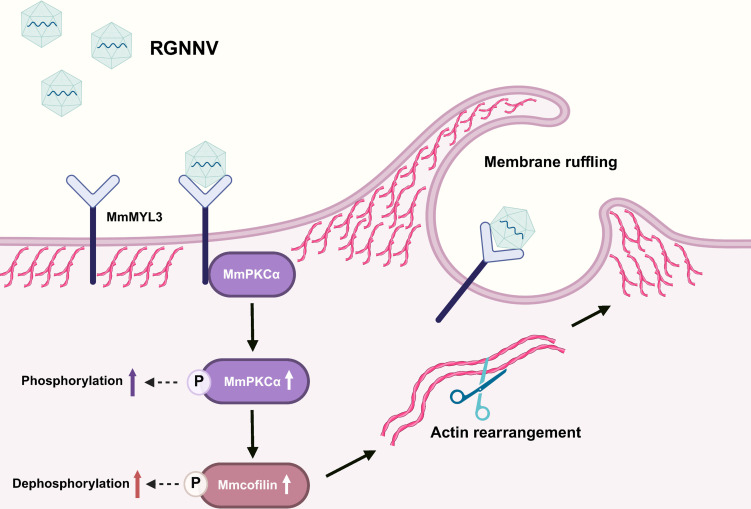 Figure 7
Peer Reviews
No public reviews on file for this paper yet. If you reviewed it on a platform where reviews are public (OpenReview, ICLR, NeurIPS, ICML), you can paste yours below so the community can read it here.
Videos
No videos yet. Explain this paper in a talk, walkthrough, or lecture? Add one.
Taxonomy
Topicsinterferon and immune responses · Aquaculture disease management and microbiota · Invertebrate Immune Response Mechanisms