Alternative splicing in voltage-gated sodium channels: mechanisms, regulatory networks and therapeutic implications
Jiaying Qiu, Pei Wu, Yalin Zhang, Yiqing Li, Chunli Xia, Siwan Peng, Junjie Sun

TL;DR
Alternative splicing in sodium channels expands their function, and correcting splicing defects could treat related diseases.
Contribution
This review systematically catalogs splicing variants in all nine VGSC α-subunits and evaluates their clinical and functional impacts.
Findings
Alternative splicing significantly expands the proteomic and functional diversity of voltage-gated sodium channels.
Dysregulation of splicing contributes to channelopathies, and antisense oligonucleotides offer a promising therapeutic strategy.
RNA-binding proteins like Rbfox and Nova2 regulate splicing events in a cell-type-specific manner.
Abstract
Voltage-gated sodium channels (VGSCs) are fundamental to electrical signalling in excitable cells, and their dysfunction underlies a wide range of channelopathies. While the existence of nine distinct α-subunit genes contributes to VGSC diversity, alternative splicing serves as a significant post-transcriptional mechanism that profoundly expands their proteomic and functional repertoire. Dysregulation of this splicing process is increasingly linked to disease pathogenesis. This review aims to provide a comprehensive synthesis of the alternative splicing landscape across all nine VGSC α-subunits. It systematically catalogs known splicing variants, details their roles in developmental regulation, tissue-specific expression and fine-tuning of channel biophysics, and examines the regulatory networks controlling these events. We detail conserved splicing switches (e.g. the 5N/5A exon in…
Genes, proteins, chemicals, diseases, species, mutations and cell lines named across the full text — each resolved to its canonical identifier and authoritative record.
Click any figure to enlarge with its caption.
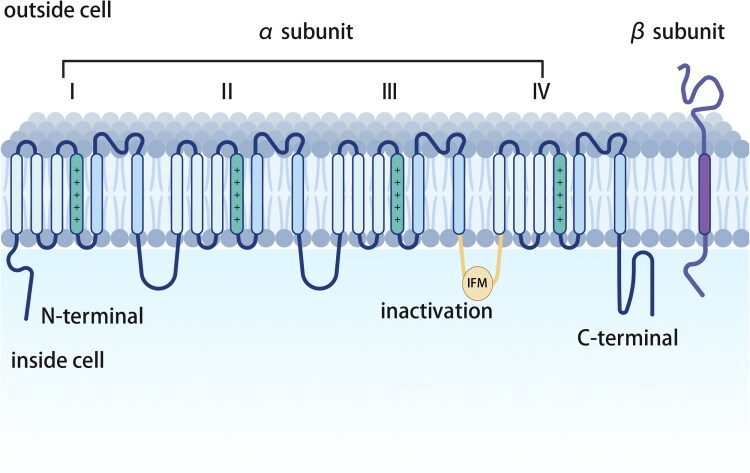 Figure 1
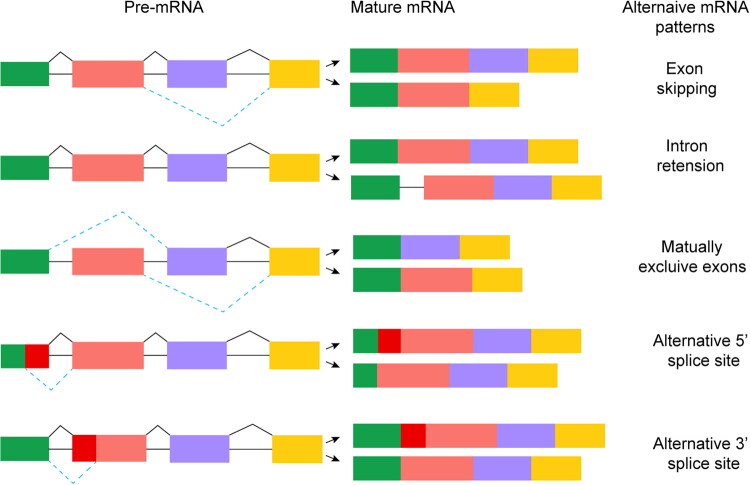 Figure 2
Peer Reviews
No public reviews on file for this paper yet. If you reviewed it on a platform where reviews are public (OpenReview, ICLR, NeurIPS, ICML), you can paste yours below so the community can read it here.
Videos
No videos yet. Explain this paper in a talk, walkthrough, or lecture? Add one.
Taxonomy
TopicsIon channel regulation and function · Cardiac electrophysiology and arrhythmias · Ion Channels and Receptors