Development of a colloidal gold immunochromatographic strip for the rapid detection of fowl adenovirus serotype 4 using prepared penton protein-specific monoclonal antibodies
Sisi Luo, Bingyi Yang, Jiaoling Huang, You Wei, Zhixun Xie, Xiaofeng Li, Aiqiong Wu, Zhihua Ruan, Sheng Wang, Yanfang Zhang, Meng Li, Liji Xie, Ming Yan, Weiwei Wang, Ping Wei

TL;DR
This study developed a fast and accurate test strip using monoclonal antibodies to detect a deadly chicken virus, which could help control outbreaks.
Contribution
A new colloidal gold immunochromatographic strip for rapid FAdV-4 detection using penton-specific monoclonal antibodies.
Findings
Monoclonal antibodies 6B3 and 8G11 showed high specificity for FAdV-4 without cross-reactivity.
The developed test strip detected FAdV-4 with 98.6% concordance compared to ELISA in clinical samples.
The method achieved a detection sensitivity of 7.81 × 10⁴ TCID₅₀/0.1 mL within 15 minutes.
Abstract
Fowl adenovirus serotype 4 (FAdV-4) is the primary pathogen responsible for hydropericardium-hepatitis syndrome (HHS) and is associated with high mortality rates (20–80%) in 3–6-week-old chickens. This study aimed to develop a rapid and specific method for detecting FAdV-4. Two monoclonal antibodies (mAbs 6B3 and 8G11) against the FAdV-4 penton protein were successfully generated using hybridoma technology, both of which exhibited high titers (1:100,000) and strong serotype specificity. Specificity analysis confirmed that these mAbs recognized 12 FAdV-4 isolates from diverse origins without cross-reactivity to other FAdV serotypes or common avian pathogens. On this basis, a colloidal gold immunochromatographic assay was developed; systematic optimization of its key parameters yielded an optimal labeling pH of 8.3, an antibody labeling concentration of 7.2 μg/mL, and optimal coating…
Genes, proteins, chemicals, diseases, species, mutations and cell lines named across the full text — each resolved to its canonical identifier and authoritative record.
Click any figure to enlarge with its caption.
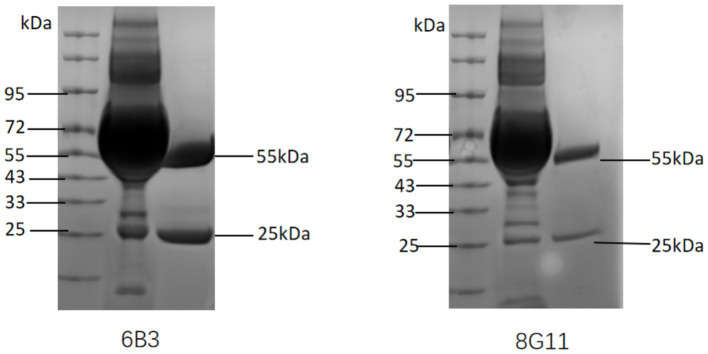 Figure 1
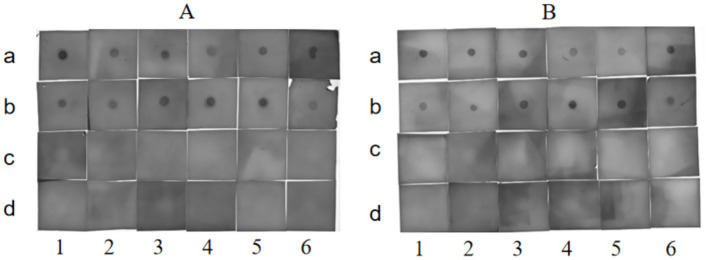 Figure 2
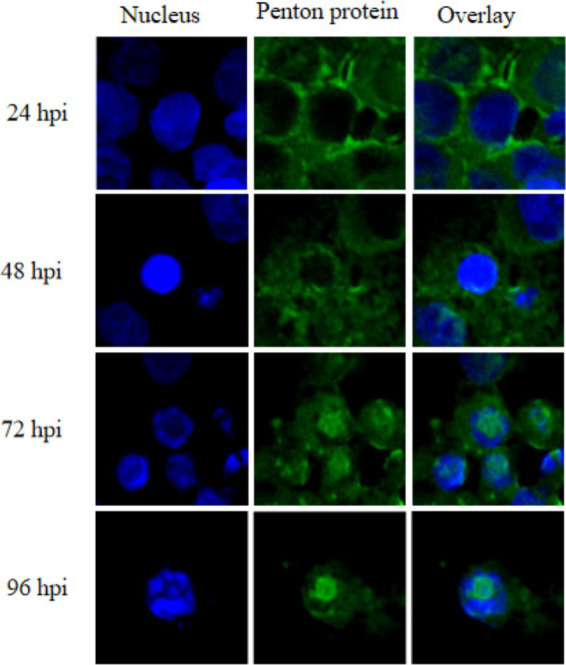 Figure 3
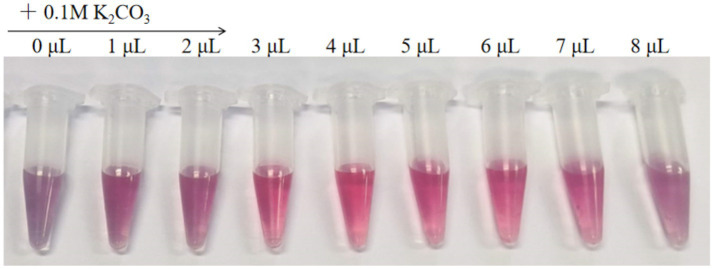 Figure 4
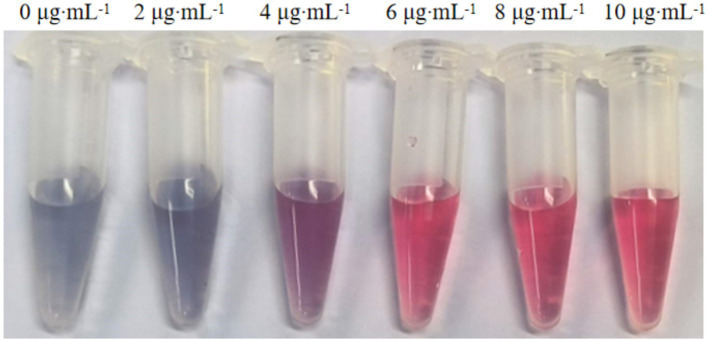 Figure 5
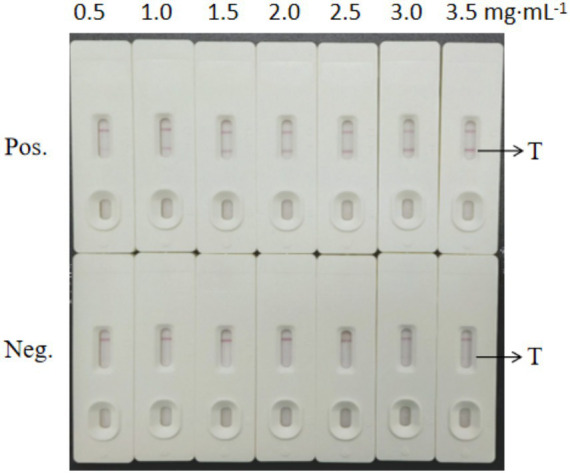 Figure 6
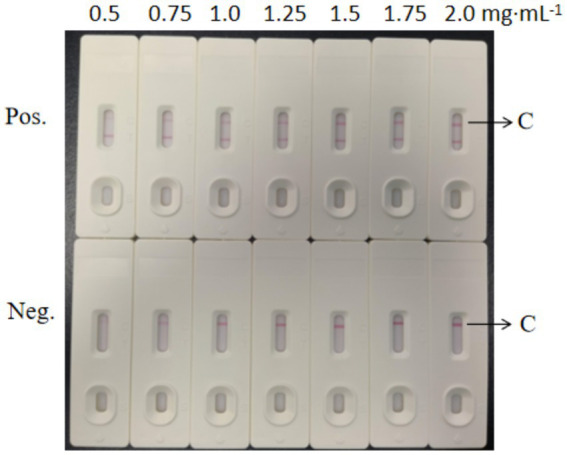 Figure 7
 Figure 8
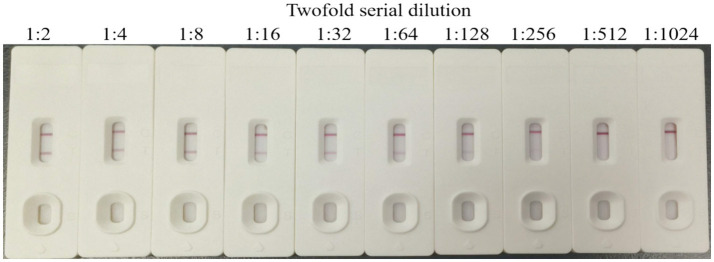 Figure 9
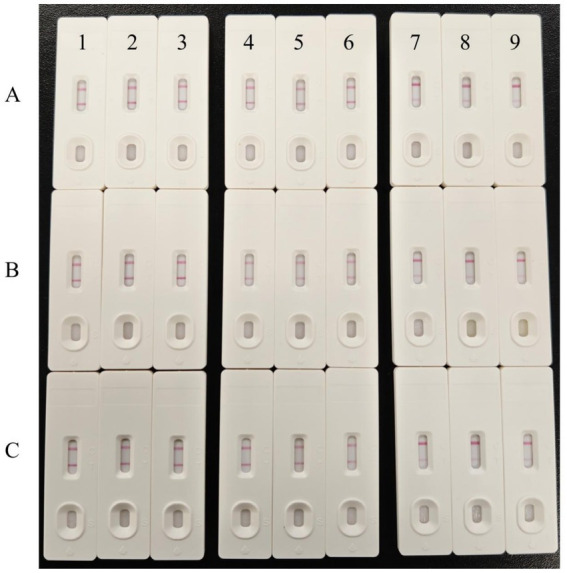 Figure 10
Peer Reviews
No public reviews on file for this paper yet. If you reviewed it on a platform where reviews are public (OpenReview, ICLR, NeurIPS, ICML), you can paste yours below so the community can read it here.
Videos
No videos yet. Explain this paper in a talk, walkthrough, or lecture? Add one.
Taxonomy
TopicsVirus-based gene therapy research · Viral gastroenteritis research and epidemiology · Respiratory viral infections research