Subjective and psychophysiological response to pictures of ancestral and modern threats: Not all evolutionary threats are alike
Iveta Štolhoferová, Tereza Hladíková, Markéta Janovcová, Šárka Peterková, Daniel Frynta, Eva Landová, Alberto Greco, Alberto Greco, Alberto Greco, Alberto Greco

TL;DR
This study compares how people react to pictures of ancient and modern threats, finding that both can trigger similar physiological responses depending on perceived danger.
Contribution
The study reveals that electrodermal responses to threats depend on subjective fear, not just evolutionary history.
Findings
Participants showed stronger skin resistance responses to heights and venomous snakes than to control stimuli.
Subjective fear ratings correlated with the likelihood of a skin resistance change.
Modern threats like firearms and airborne diseases can elicit responses similar to ancestral threats.
Abstract
After encountering a potentially dangerous stimulus, the human body and mind might react with a cascade of physiological, emotional, and cognitive responses to minimize impending harm. However, whether this system can be activated by modern (ontogenetic) threats to the same extent as by ancestral (evolutionary) threats remains uncertain, since the existing results are ambiguous. In this study, we aimed to compare the skin resistance (SR) response to ancestral and modern threats; the focal categories were venomous snakes, heights, airborne diseases, and firearms. We collected recordings of 119 participants, about 30 per threat category, supplemented by participants’ rating of the stimuli according to elicited fear. Results showed that participants reacted (SR change) with higher probability to all experimental categories than to control stimuli, with the most frequent reactions to photos…
Genes, proteins, chemicals, diseases, species, mutations and cell lines named across the full text — each resolved to its canonical identifier and authoritative record.
Click any figure to enlarge with its caption.
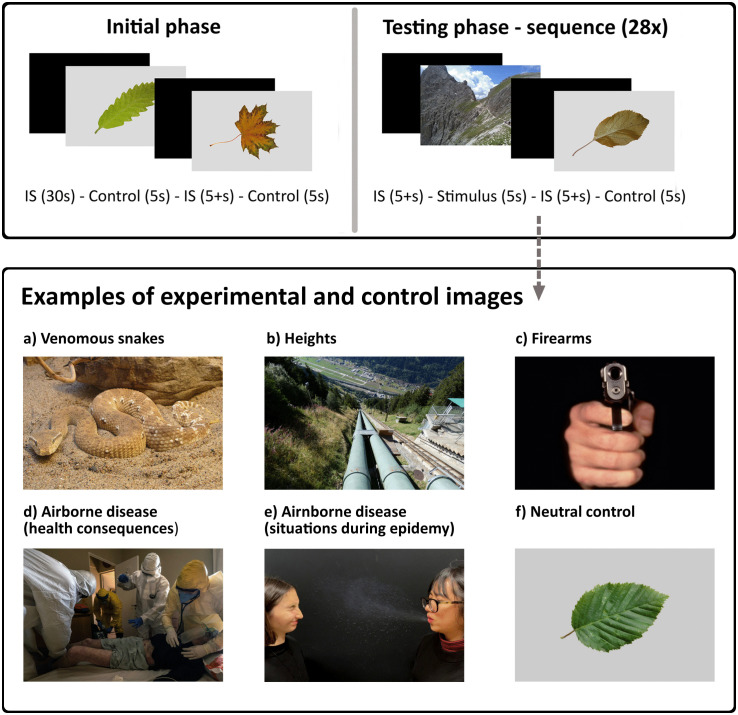 Figure 1
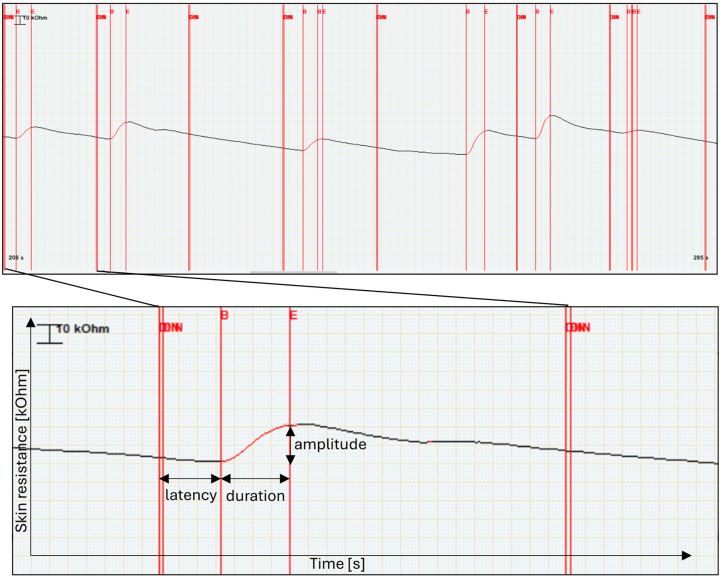 Figure 2
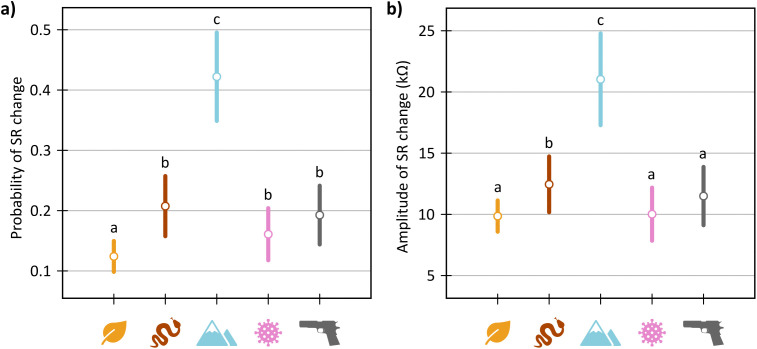 Figure 3
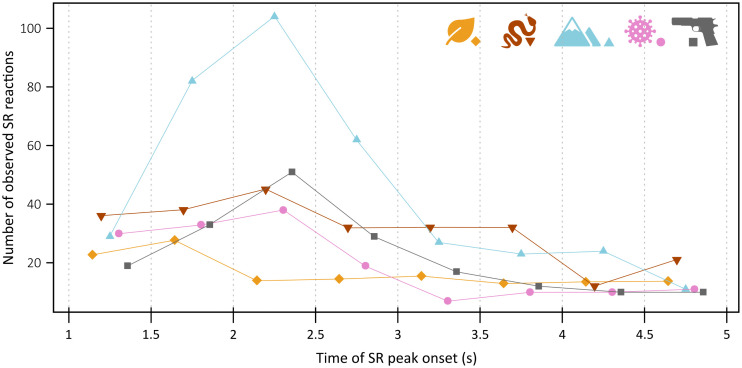 Figure 4
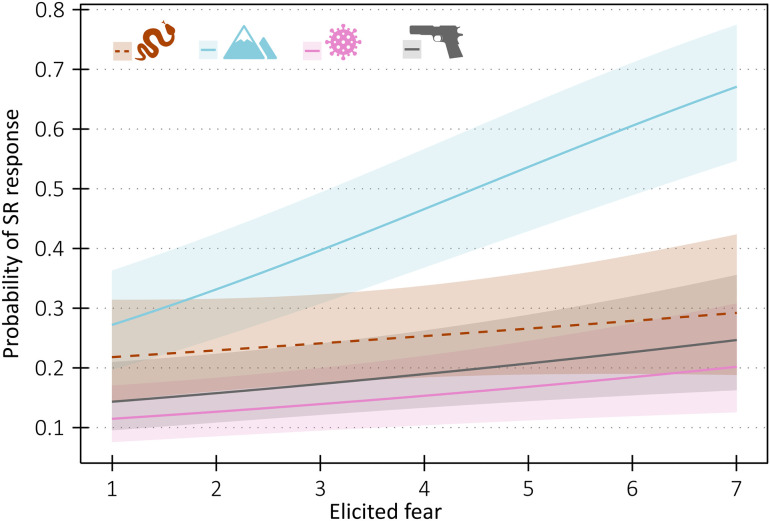 Figure 5
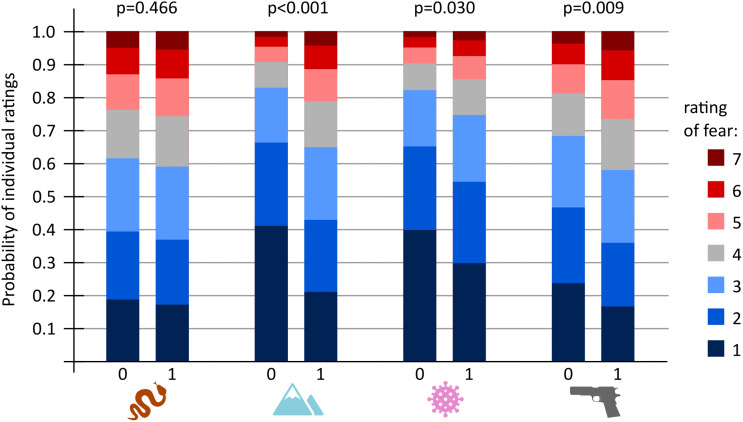 Figure 6
Peer Reviews
No public reviews on file for this paper yet. If you reviewed it on a platform where reviews are public (OpenReview, ICLR, NeurIPS, ICML), you can paste yours below so the community can read it here.
Videos
No videos yet. Explain this paper in a talk, walkthrough, or lecture? Add one.
Taxonomy
TopicsPsychology of Moral and Emotional Judgment · Neural and Behavioral Psychology Studies · Death Anxiety and Social Exclusion