Anterolateral Papillary Muscle Rupture After Acute Myocardial Infarction Leading to Severe Mitral Regurgitation: A Case Report
Zeyan Liu, Shou Zhou, Xuexiang Li, Qi Yang, Xiaodong Pan

TL;DR
A rare case of anterolateral papillary muscle rupture after a heart attack caused severe mitral regurgitation, highlighting unusual clinical signs.
Contribution
Reports a rare case of anterolateral papillary muscle rupture after acute myocardial infarction without left main lesion.
Findings
Anterolateral papillary muscle rupture is rare in acute myocardial infarction without left main lesion.
Early 'pseudo-normalization' of ejection fraction may mislead clinical assessment.
Severe mitral regurgitation occurred with partial valve body prolapse.
Abstract
Due to dual blood supply, ischemic mitral anterolateral papillary muscle rupture is less common than that of posteromedial papillary muscle and is rare in acute myocardial infarction without left main lesion. “Pseudo‐normalization” phenomenon of left ventricular ejection fraction may occur in the early stage, which is inconsistent with clinical symptoms. Mitral anterolateral papillary muscle rupture with partial valve body prolapse and severe mitral regurgitation after acute myocardial infarction (ultrasound schematic).
Genes, proteins, chemicals, diseases, species, mutations and cell lines named across the full text — each resolved to its canonical identifier and authoritative record.
Click any figure to enlarge with its caption.
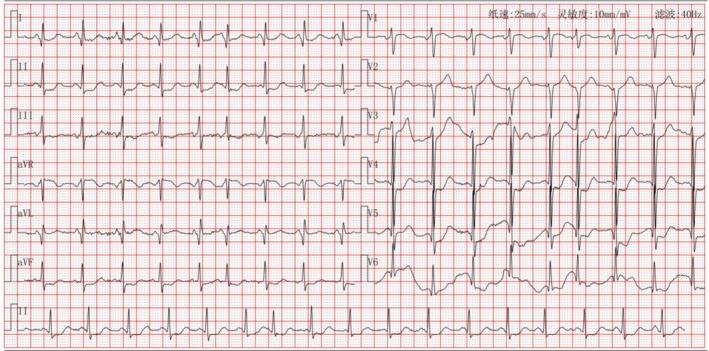 Figure 1
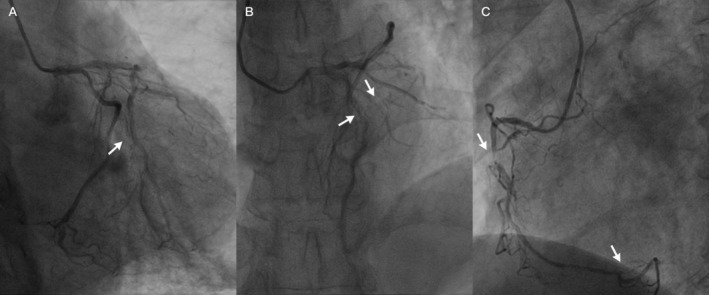 Figure 2
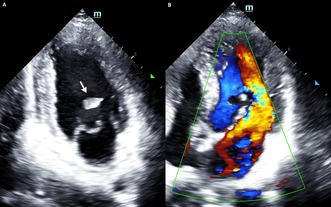 Figure 3
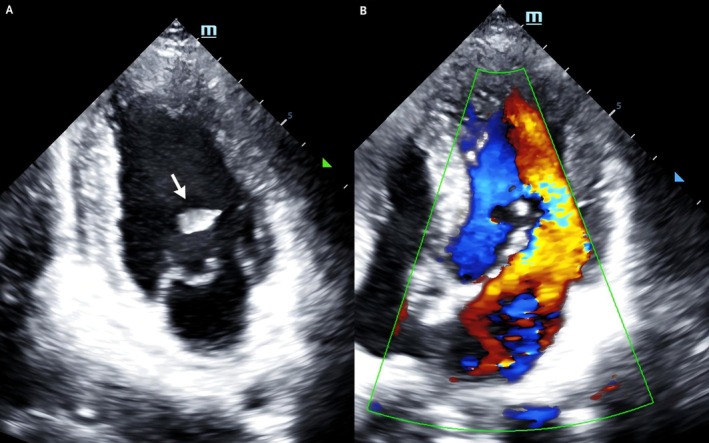 Figure 4
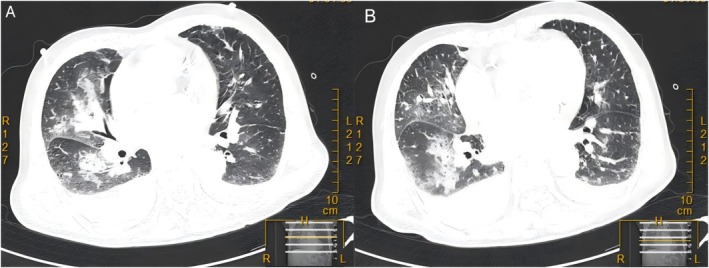 Figure 5
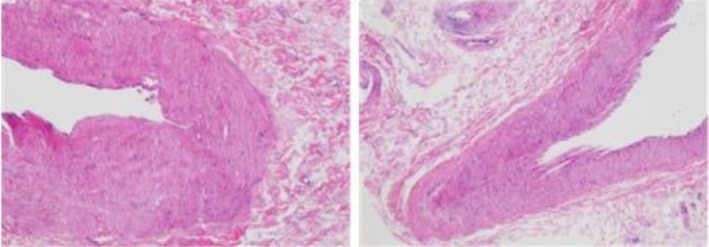 Figure 6
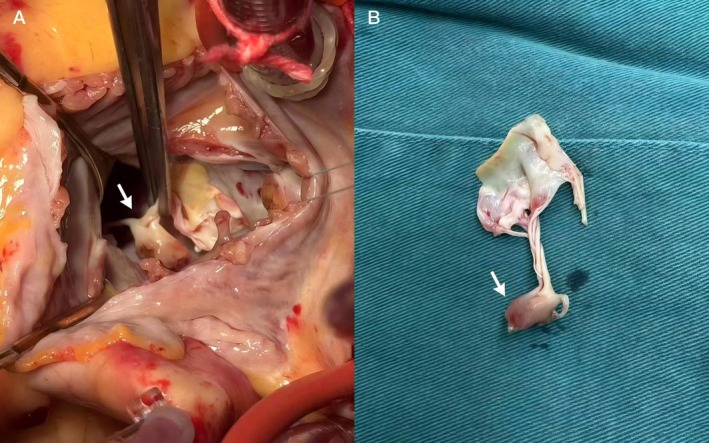 Figure 7
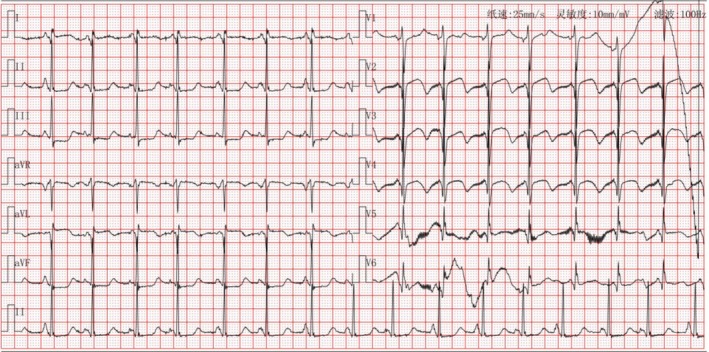 Figure 8
Peer Reviews
No public reviews on file for this paper yet. If you reviewed it on a platform where reviews are public (OpenReview, ICLR, NeurIPS, ICML), you can paste yours below so the community can read it here.
Videos
No videos yet. Explain this paper in a talk, walkthrough, or lecture? Add one.
Taxonomy
TopicsCardiac Structural Anomalies and Repair · Cardiac Valve Diseases and Treatments · Cardiac pacing and defibrillation studies