Recurrent Symptomatic Hyponatremia Revealing a Late Diagnosis of Sheehan Syndrome and Effectively Treated With Levothyroxine: A Case Report and Brief Review of Literature
Hayatu Awel Abdela, Germen Temam Abdulmalik, Numeri Husein Kimo, Kumel Nur Muktar, Rebi Ali Oumer, Tamirat Godebo Woyimo

TL;DR
A woman with a history of postpartum hemorrhage was diagnosed with Sheehan syndrome after experiencing chronic symptoms, and her condition improved with levothyroxine treatment.
Contribution
This case highlights the importance of considering Sheehan syndrome in women with postpartum hemorrhage and chronic symptoms.
Findings
Recurrent hyponatremia led to the late diagnosis of Sheehan syndrome in a postpartum woman.
Levothyroxine treatment effectively managed the symptoms of the patient.
Early hormonal replacement therapy is crucial for reversing complications and improving quality of life.
Abstract
In women with a history of postpartum hemorrhage presenting with chronic symptoms such as hyponatremia, amenorrhea, weight loss, or cold intolerance, suspect Sheehan's syndrome. Early diagnosis and prompt hormonal replacement therapy are essential for reversing complications and improving quality of life. Prioritize evaluation of pituitary function in these patients to ensure timely intervention.
Genes, proteins, chemicals, diseases, species, mutations and cell lines named across the full text — each resolved to its canonical identifier and authoritative record.
Click any figure to enlarge with its caption.
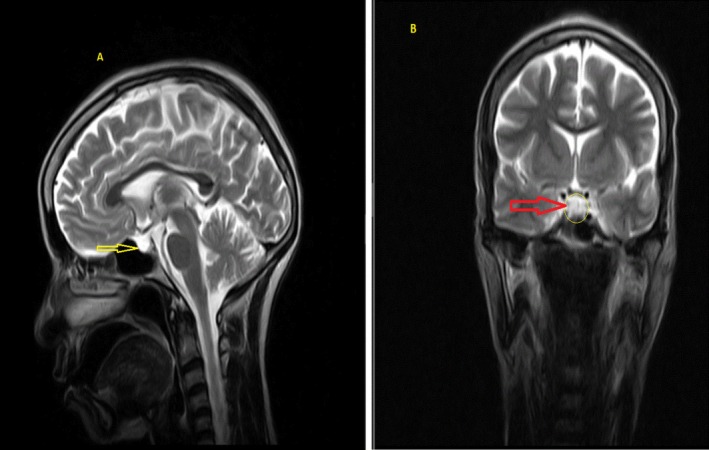 Figure 1
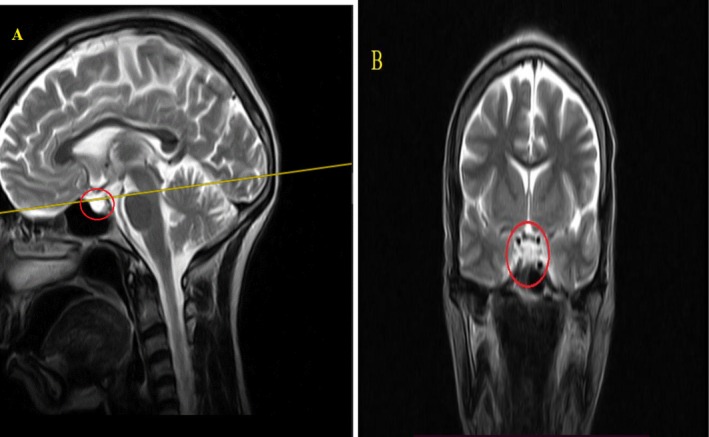 Figure 2
Peer Reviews
No public reviews on file for this paper yet. If you reviewed it on a platform where reviews are public (OpenReview, ICLR, NeurIPS, ICML), you can paste yours below so the community can read it here.
Videos
No videos yet. Explain this paper in a talk, walkthrough, or lecture? Add one.
Taxonomy
TopicsElectrolyte and hormonal disorders · Pituitary Gland Disorders and Treatments · Neurological and metabolic disorders