Recent Advances in Metal Phthalocyanine for Sensing Applications
Hao Wu, Qifubo Geng, Xunjun He, Mingze Zhang, Sergey Maksimenko

TL;DR
Metal phthalocyanines are promising materials for sensors due to their stability and tunable properties, useful in environmental, biomedical, and industrial applications.
Contribution
The paper reviews recent advancements in metal phthalocyanine-based sensors and highlights their potential for future development.
Findings
Metal phthalocyanines offer high sensitivity and selectivity for sensing various targets.
Their structural versatility allows modulation for different sensing applications.
MPcs are used in photoelectric, gas, and biosensors with excellent performance.
Abstract
In recent years, metal phthalocyanine (MPc)-based sensors have garnered significant interest for applications in environmental monitoring, biomedical diagnostics, and industrial process control, owing to their efficient and cost-effective sensing capabilities. In contrast to conventional inorganic materials, MPcs are a class of small-molecule materials characterized by a stable, π-conjugated macrocyclic framework with a tunable central metal ion. This structural architecture imparts unique physicochemical properties, including high chemical stability, excellent redox activity, structural versatility, considerable dielectric constant and electrical conductivity, along with pronounced optical absorption and excellent environmental stability. By incorporating different metal ions into the macrocyclic core, their functional characteristics can be precisely modulated to achieve high…
Genes, proteins, chemicals, diseases, species, mutations and cell lines named across the full text — each resolved to its canonical identifier and authoritative record.
Click any figure to enlarge with its caption.
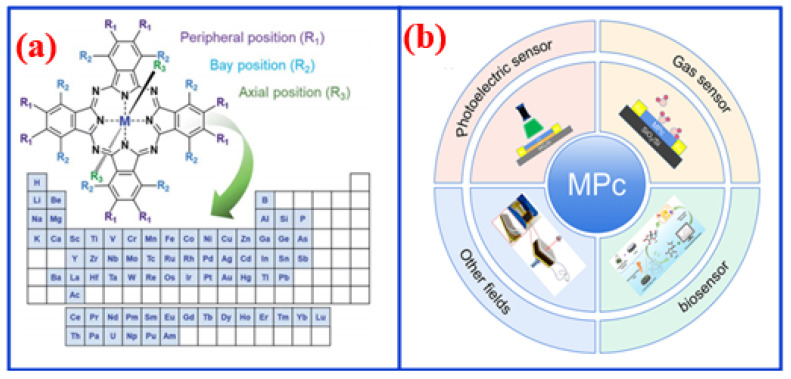 Figure 1
 Figure 2
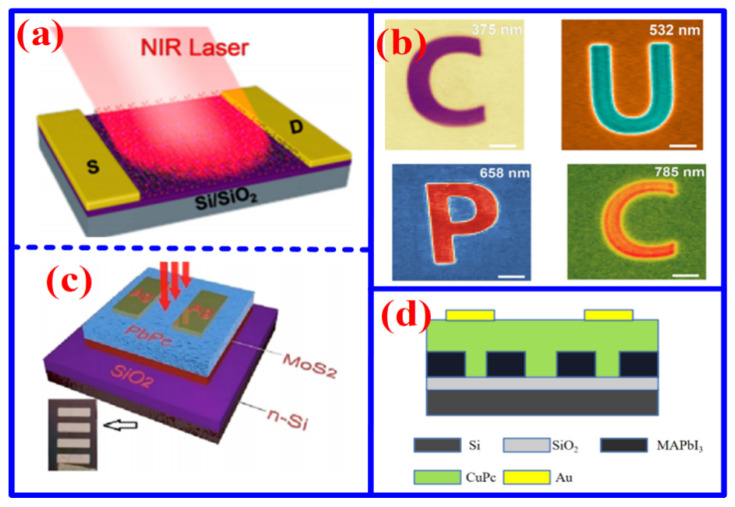 Figure 3
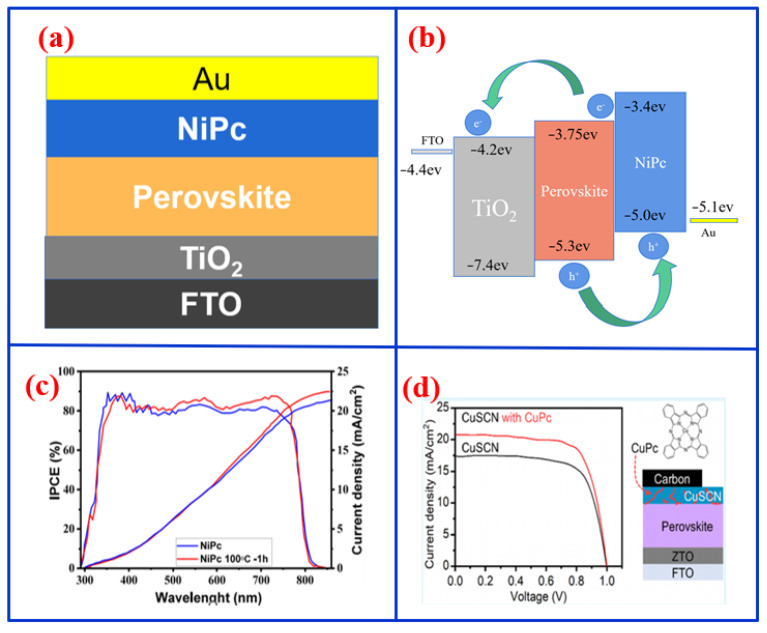 Figure 4
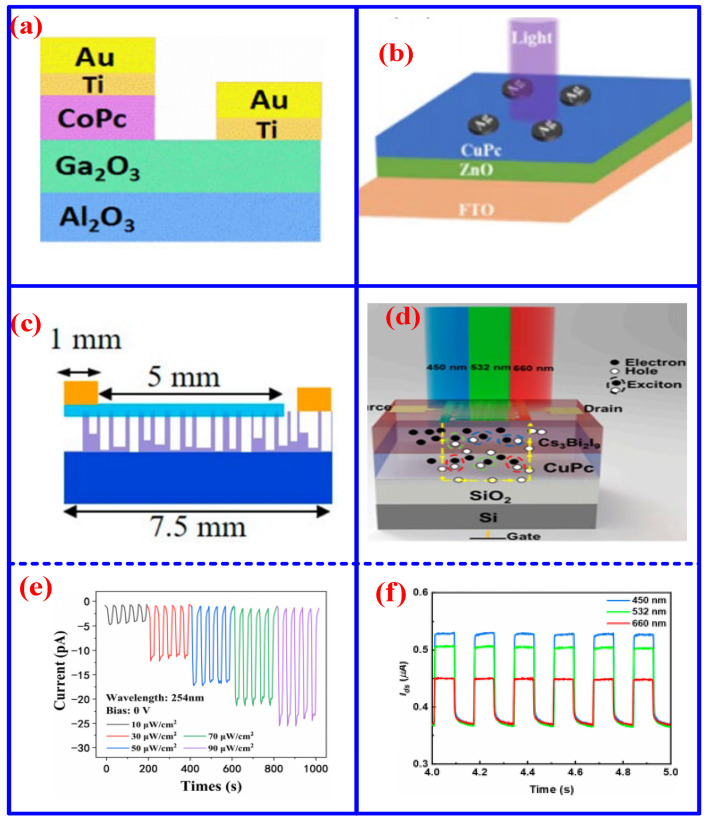 Figure 5
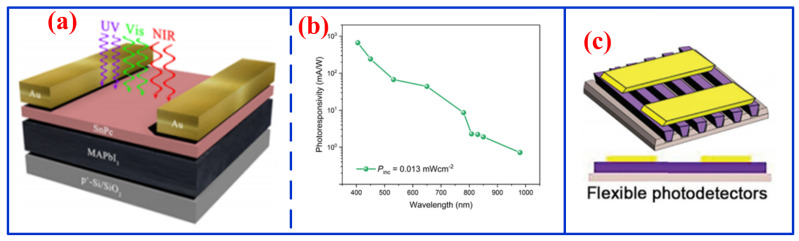 Figure 6
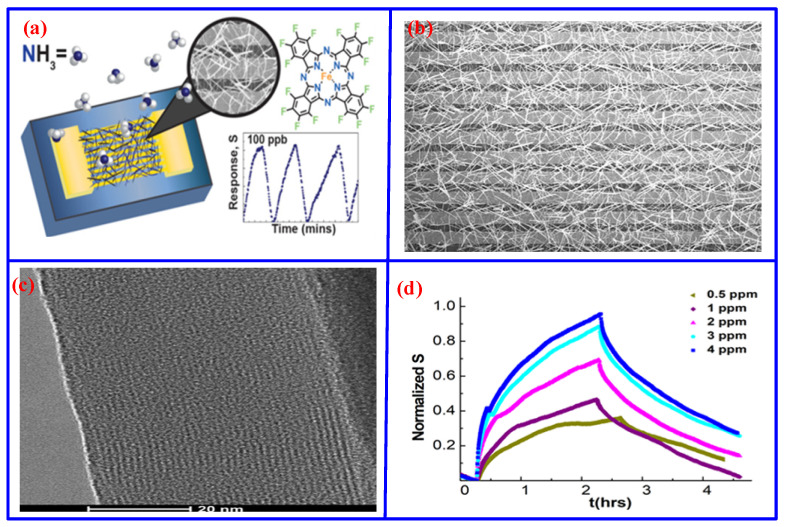 Figure 7
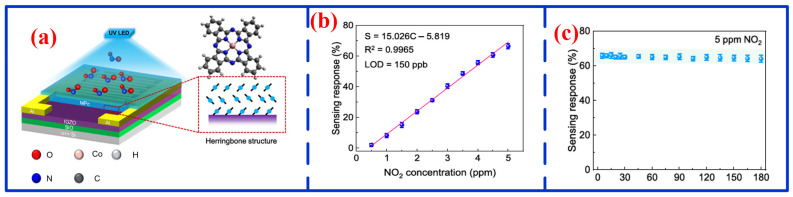 Figure 8
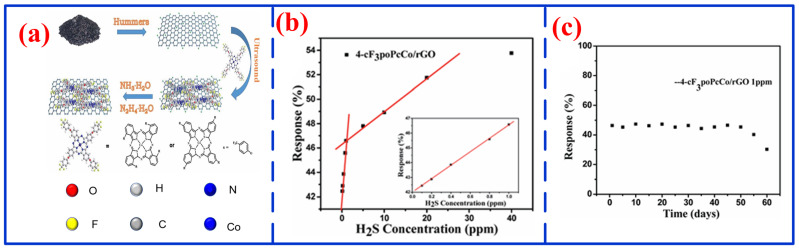 Figure 9
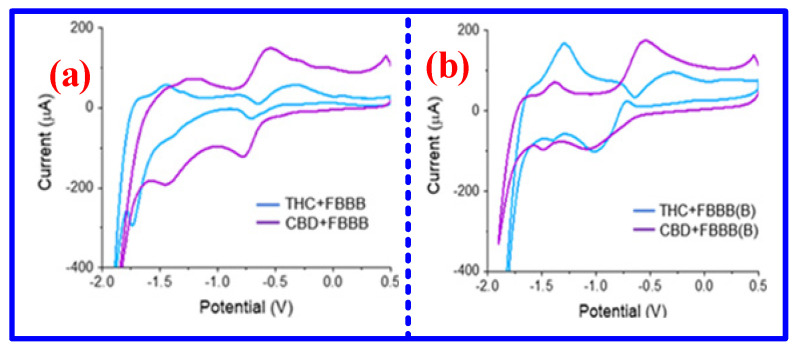 Figure 10
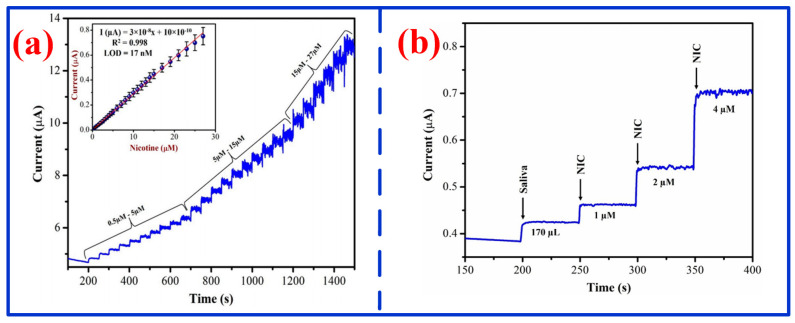 Figure 11
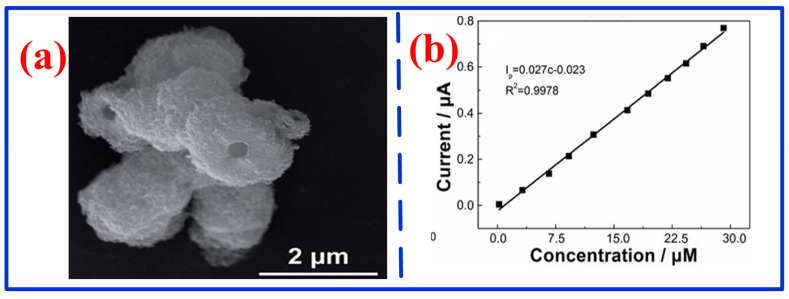 Figure 12
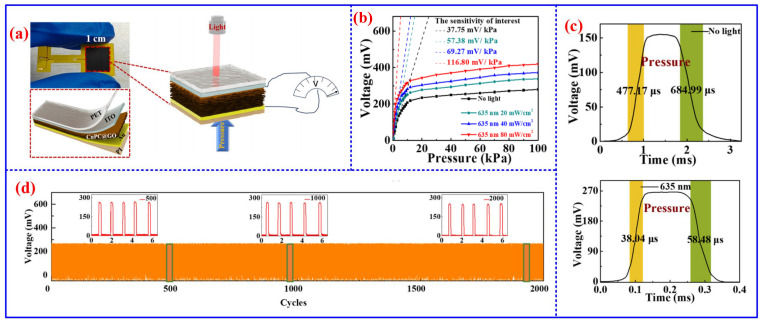 Figure 13
Peer Reviews
No public reviews on file for this paper yet. If you reviewed it on a platform where reviews are public (OpenReview, ICLR, NeurIPS, ICML), you can paste yours below so the community can read it here.
Videos
No videos yet. Explain this paper in a talk, walkthrough, or lecture? Add one.
Taxonomy
TopicsPorphyrin and Phthalocyanine Chemistry · Conducting polymers and applications · Polydiacetylene-based materials and applications