Strut Size-Dependent Compressive Behavior and Failure Mechanisms of Laser-Based Powder Bed Fusion NiTi Octahedral Porous Scaffolds
Ning Zhang, Wangwei Zhan, Hongsen Liu, Chuanhui Huang, Guangqing Zhang, Yinghong Zhang, Jinguo Ge

TL;DR
This paper studies how strut size affects the compressive strength and failure of laser-printed NiTi scaffolds, showing how design changes influence performance.
Contribution
The study establishes a structure-property-failure relationship for NiTi scaffolds fabricated via laser-based powder bed fusion.
Findings
Elastic modulus and compressive strength increase with larger strut sizes in NiTi scaffolds.
Smaller struts (280 μm) show oscillatory collapse, while larger struts fail via shear-band-dominated fracture.
Simulations confirm experimentally observed failure mechanisms and stress concentration at nodal junctions.
Abstract
Nickel-titanium (NiTi) alloys are attractive for functional and biomedical applications due to their shape memory effect, superelasticity, and favorable corrosion resistance and biocompatibility. In this work, the influence of strut size on the compressive response of laser-based powder bed fusion (PBF-LB/M) fabricated NiTi ortho-octahedral porous scaffolds was systematically investigated using combined experiments and finite element simulations. Four scaffold designs with identical unit-cell size (2 mm) but different strut sizes (280, 320, 360, and 400 μm) were fabricated, and their forming quality and deformation behaviors were examined. The as-built scaffolds exhibited high geometric fidelity to the CAD models and stable manufacturability across the investigated parameter range. Quasi-static compression tests revealed a typical three-stage response (linear-elastic regime,…
Genes, proteins, chemicals, diseases, species, mutations and cell lines named across the full text — each resolved to its canonical identifier and authoritative record.
Click any figure to enlarge with its caption.
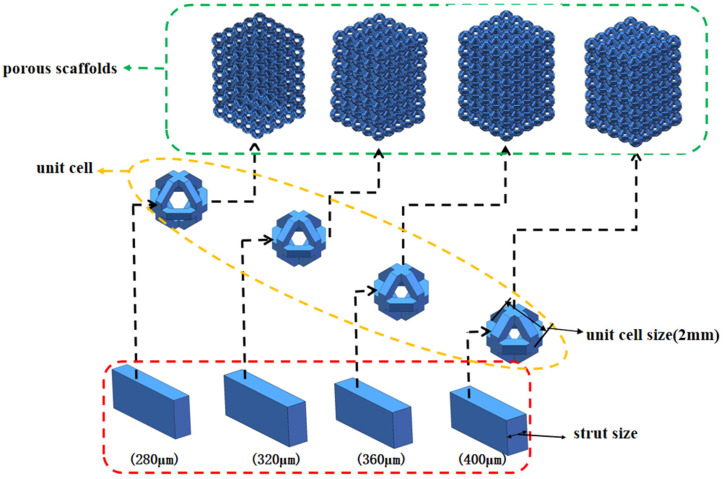 Figure 1
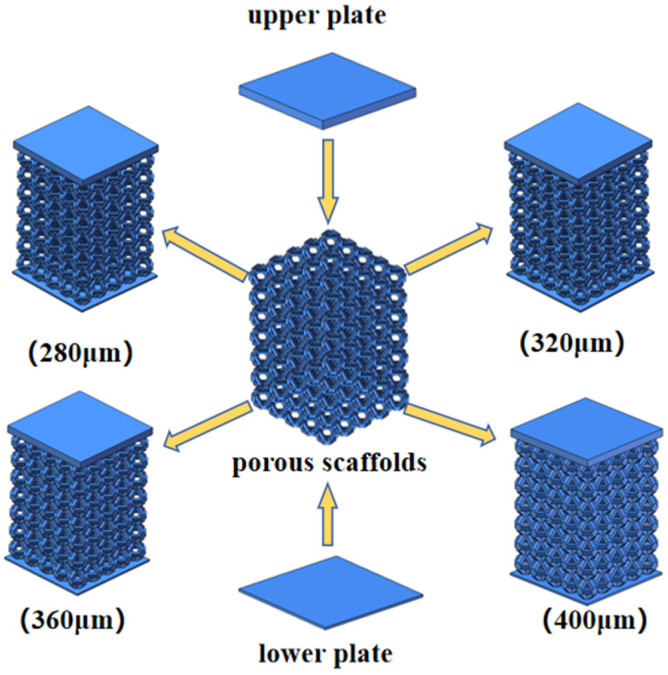 Figure 2
 Figure 3
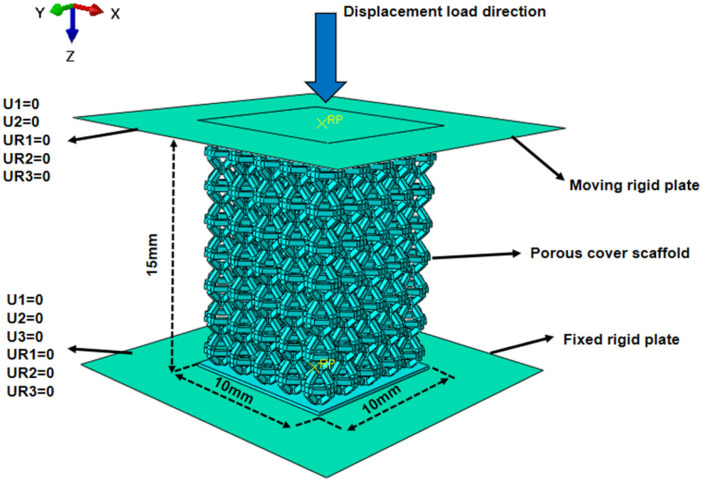 Figure 4
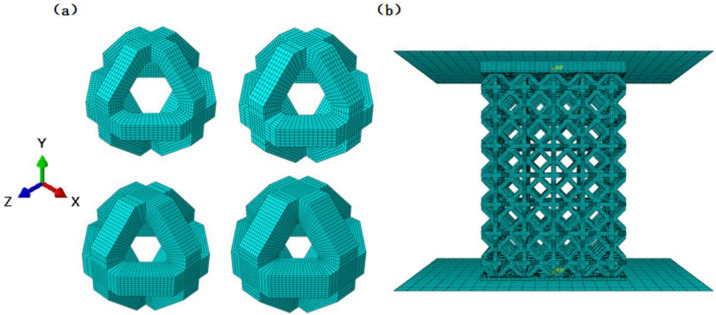 Figure 5
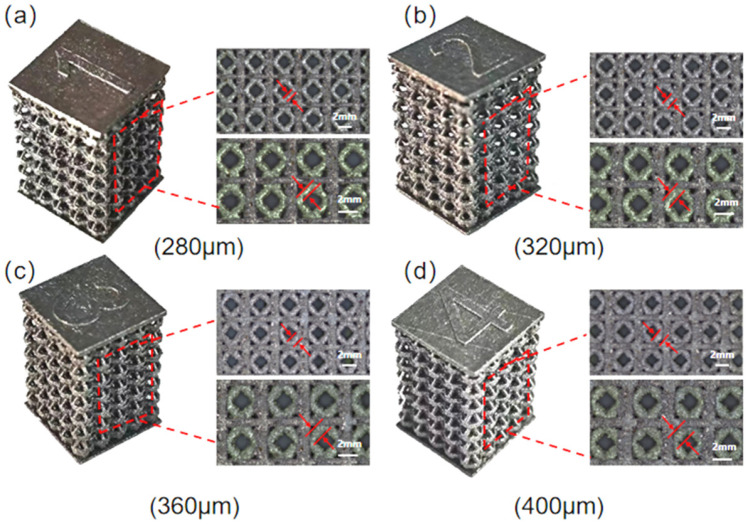 Figure 6
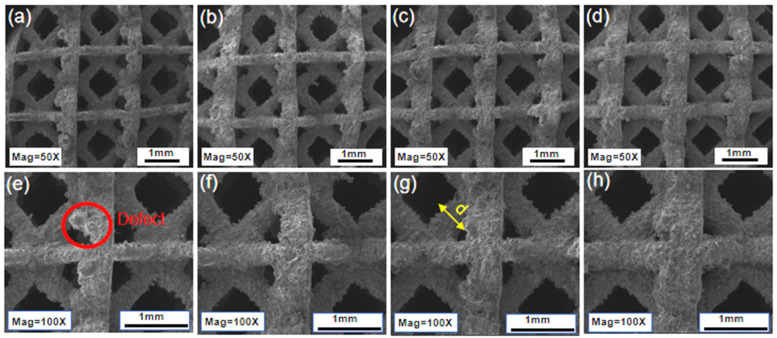 Figure 7
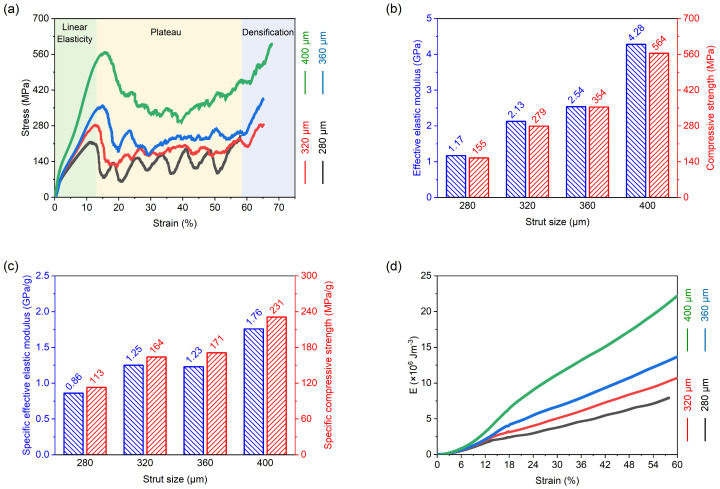 Figure 8
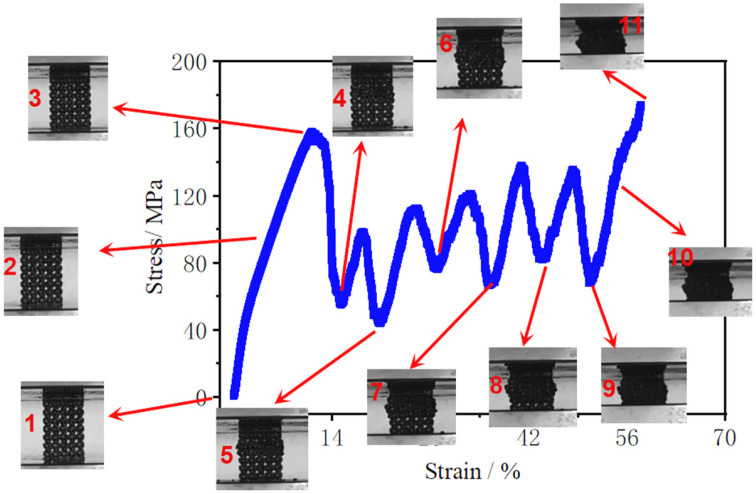 Figure 9
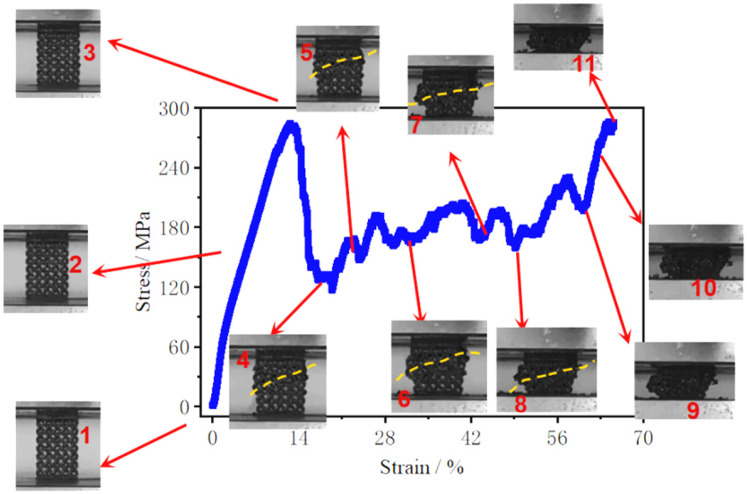 Figure 10
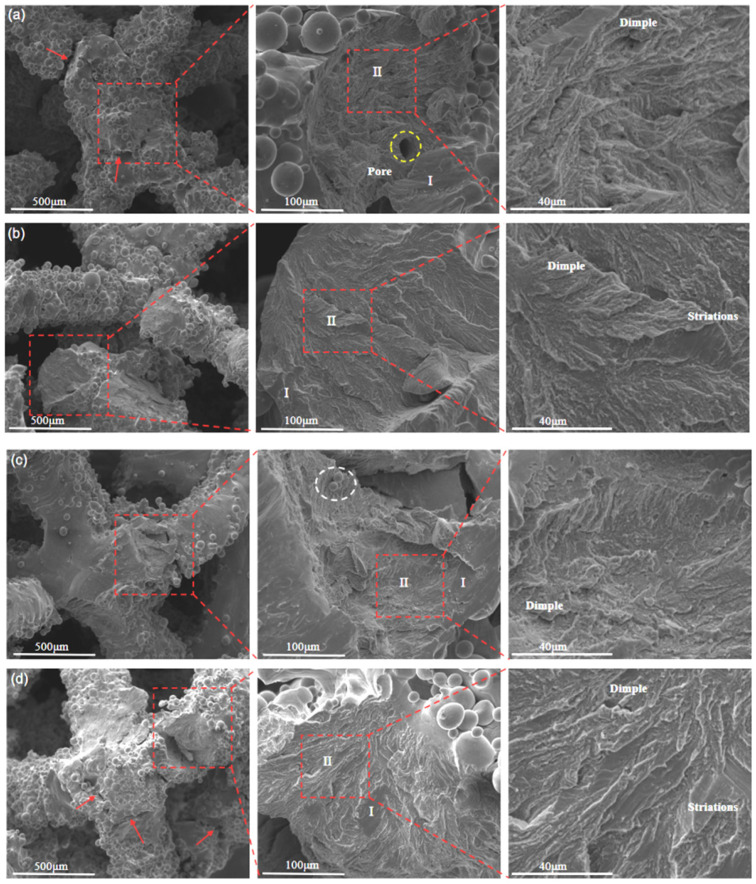 Figure 11
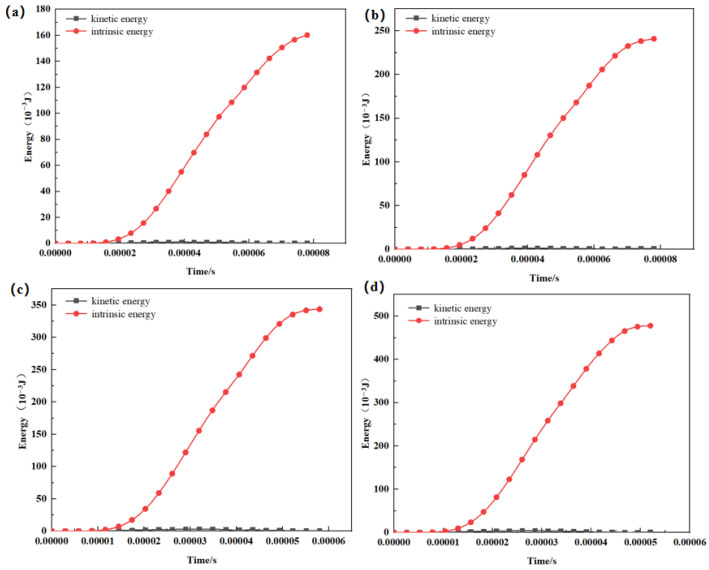 Figure 12
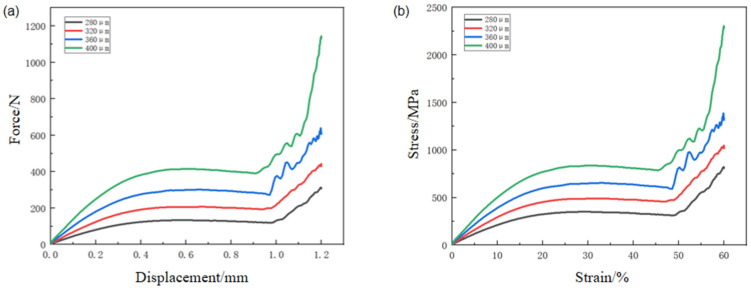 Figure 13
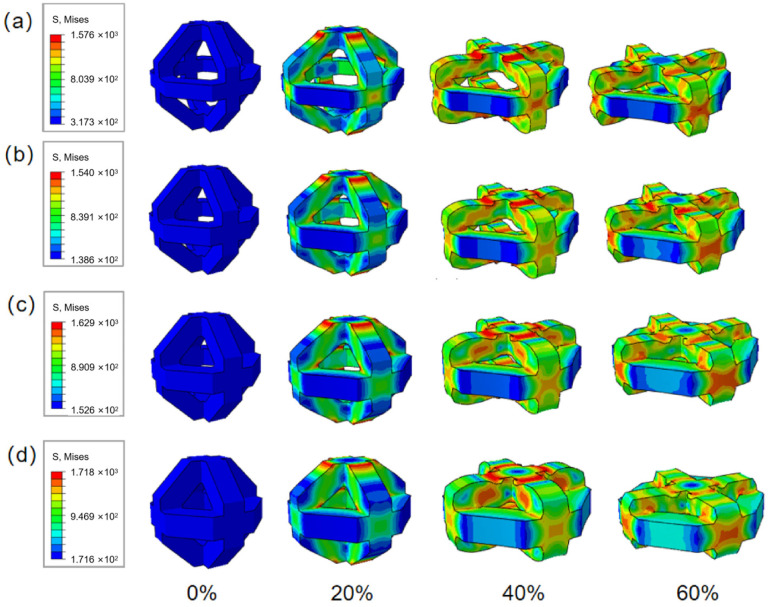 Figure 14
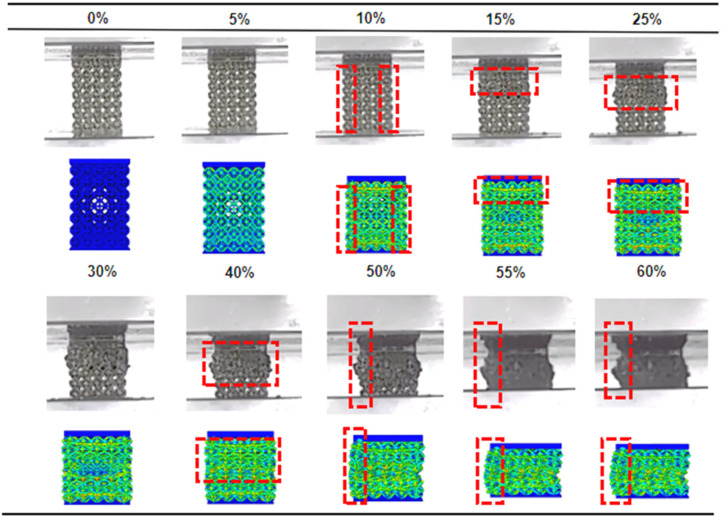 Figure 15
Peer Reviews
No public reviews on file for this paper yet. If you reviewed it on a platform where reviews are public (OpenReview, ICLR, NeurIPS, ICML), you can paste yours below so the community can read it here.
Videos
No videos yet. Explain this paper in a talk, walkthrough, or lecture? Add one.
Taxonomy
TopicsCellular and Composite Structures · Shape Memory Alloy Transformations · Additive Manufacturing Materials and Processes