On the Adiabatic Shear Band Sensitivity of Extruded Ti-6Al-4V Alloy Under Dynamic Compression Along the Extrusion and Transverse Directions
Chenxing Zheng, Weikang Fu, Tianyuan Gong, Yingqian Fu, Xinlu Yu

TL;DR
This study investigates how extruded titanium alloy behaves under high-speed compression in different directions, revealing that direction affects failure mechanisms like adiabatic shear bands.
Contribution
The paper introduces a crystal plasticity model to explain directional differences in adiabatic shear banding sensitivity in titanium alloys.
Findings
TD specimens show higher yield strength and earlier adiabatic shear band initiation compared to ED specimens.
Texture-controlled slip modes and thermomechanical coupling explain directional differences in strain localization.
CPFEM simulations successfully reproduce experimental stress-strain responses and localization patterns.
Abstract
Adiabatic shear banding (ASB) is a critical failure mechanism in titanium alloys subjected to high-strain-rate deformation, and its initiation is strongly influenced by the initial crystallographic texture. The dynamic response and ASB sensitivity of extruded and annealed Ti-6Al-4V (TC4) alloy rods were investigated under dynamic compression of cubic specimens along the extrusion direction (ED) and the transverse direction (TD) at a strain rate of 2500 s−1. Split Hopkinson pressure bar (SHPB) tests combined with digital image correlation (DIC) were employed to obtain the stress–strain response and the evolution of strain localization. A dislocation density-based crystal plasticity finite element model (CPFEM), incorporating the measured texture, was established to elucidate the correlation between texture and ASB behavior. The experimental results show that TD specimens exhibit a yield…
Genes, proteins, chemicals, diseases, species, mutations and cell lines named across the full text — each resolved to its canonical identifier and authoritative record.
Click any figure to enlarge with its caption.
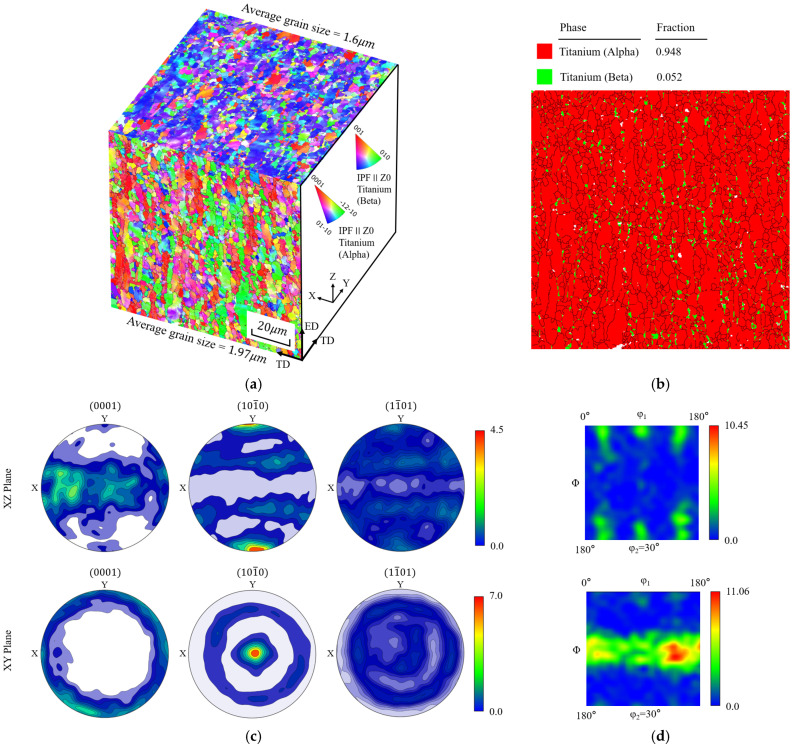 Figure 1
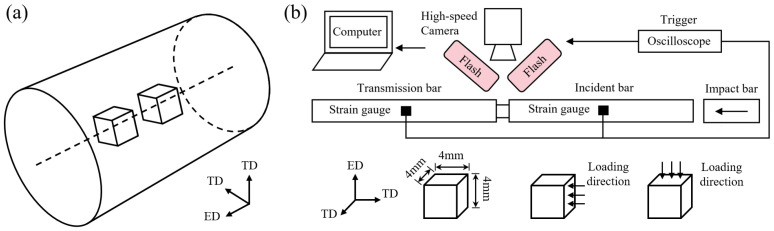 Figure 2
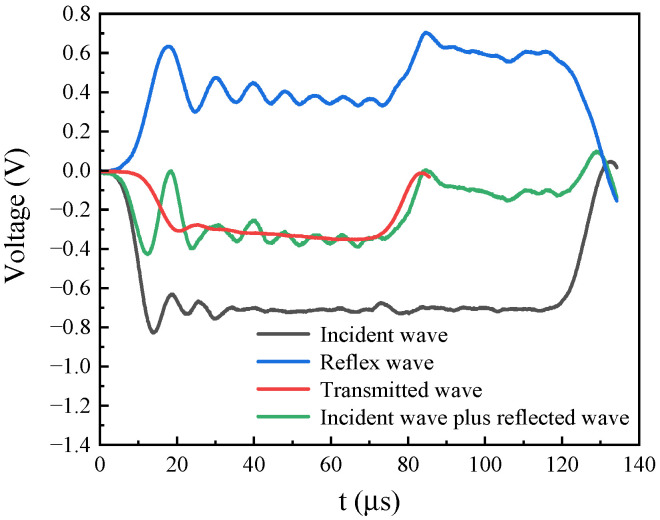 Figure 3
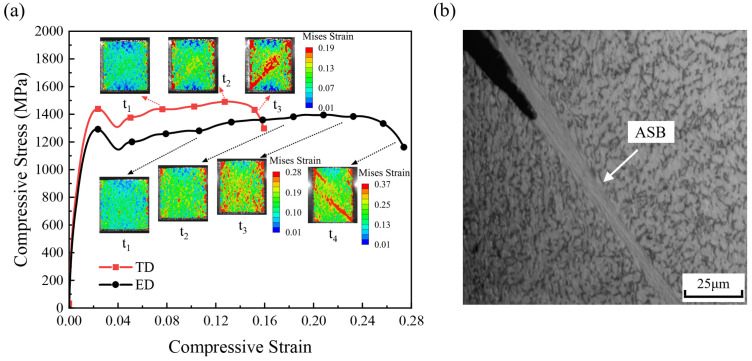 Figure 4
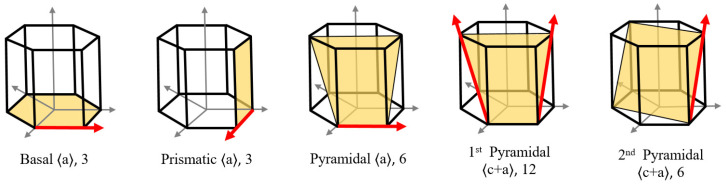 Figure 5
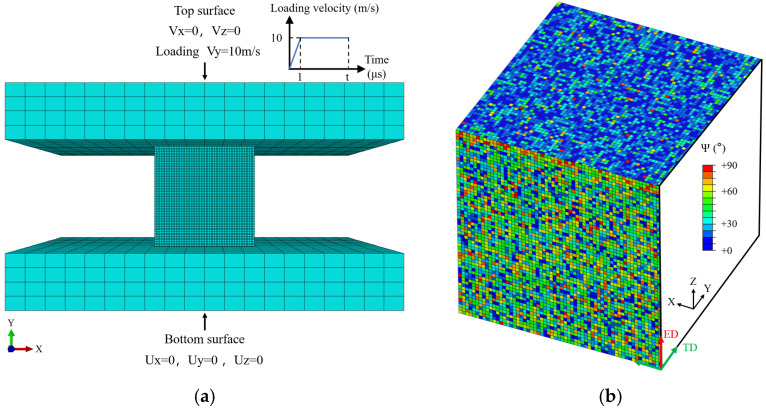 Figure 6
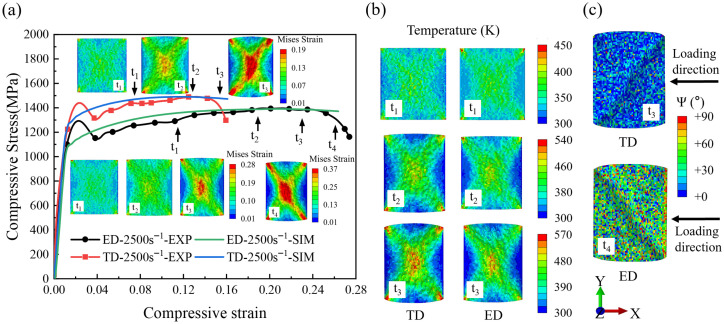 Figure 7
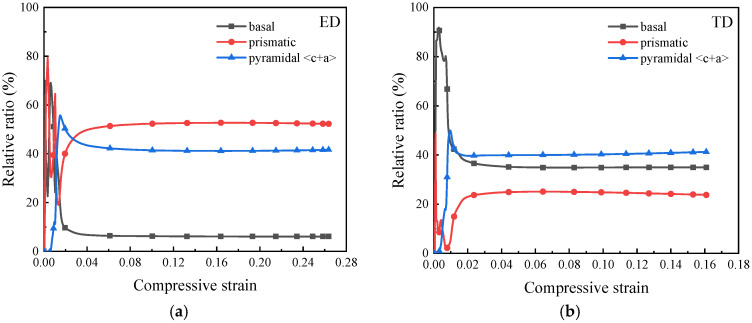 Figure 8
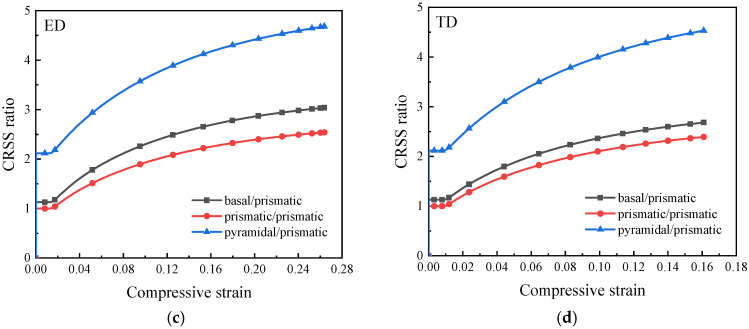 Figure 9
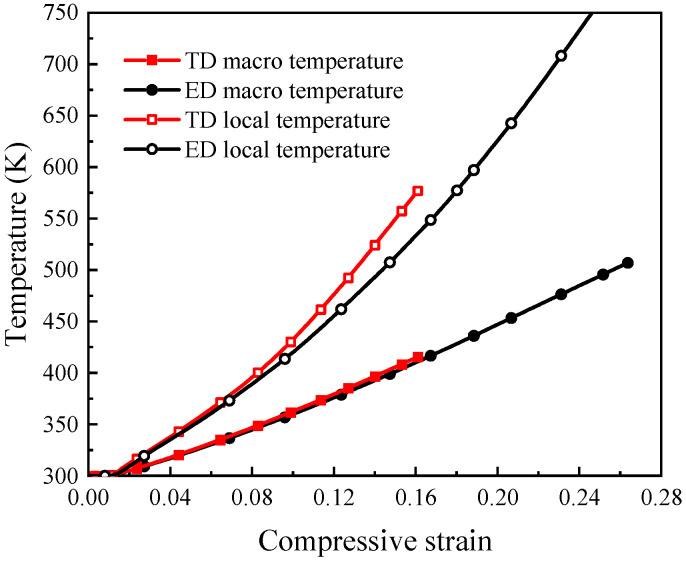 Figure 10
Peer Reviews
No public reviews on file for this paper yet. If you reviewed it on a platform where reviews are public (OpenReview, ICLR, NeurIPS, ICML), you can paste yours below so the community can read it here.
Videos
No videos yet. Explain this paper in a talk, walkthrough, or lecture? Add one.
Taxonomy
TopicsHigh-Velocity Impact and Material Behavior · Metal Forming Simulation Techniques · Metallurgy and Material Forming