Impact of dalteparin sodium and luteal phase support on serum markers, interleukins, and pregnancy outcomes in patients with in vitro fertilisation failure
Jinmei Lei, Ye Jin, Nv Geng, Huijuan Zhang

TL;DR
This study shows that combining dalteparin sodium with luteal phase support improves pregnancy outcomes and quality of life in women with repeated IVF failures.
Contribution
The novel finding is that adding dalteparin sodium to luteal phase support improves clinical outcomes and modulates serum markers in IVF failure patients.
Findings
The experimental group had higher clinical pregnancy and embryo implantation rates compared to the control group.
The experimental group showed lower miscarriage rates and reduced levels of CA-125 and IL-6.
Quality of life measures improved significantly in the experimental group with no increase in adverse reactions.
Abstract
In vitro fertilization-embryo transfer (IVF-ET) remains a challenging treatment for infertility, particularly in patients with repeated implantation failures. Dalteparin sodium (DS), a low-molecular-weight heparin, has shown promise in improving IVF outcomes due to its antithrombotic and immunomodulatory properties. This study evaluated the impact of DS combined with luteal phase support (LPS) on serum markers, interleukins, pregnancy outcomes, quality of life (QOL), and social support in women with prior in vitro fertilisation (IVF) failures. This retrospective study included 80 patients with a history of repeated IVF failure who underwent assisted reproduction at our centre. Patients were randomised to receive either LPS alone (Ctrl; n = 40) or LPS plus daily subcutaneous DS (Exp; n=40). Serum levels of b-hCG, FSH, E2, LH, CA-125, and interleukin-6 (IL-6) were measured and compared…
Genes, proteins, chemicals, diseases, species, mutations and cell lines named across the full text — each resolved to its canonical identifier and authoritative record.
Click any figure to enlarge with its caption.
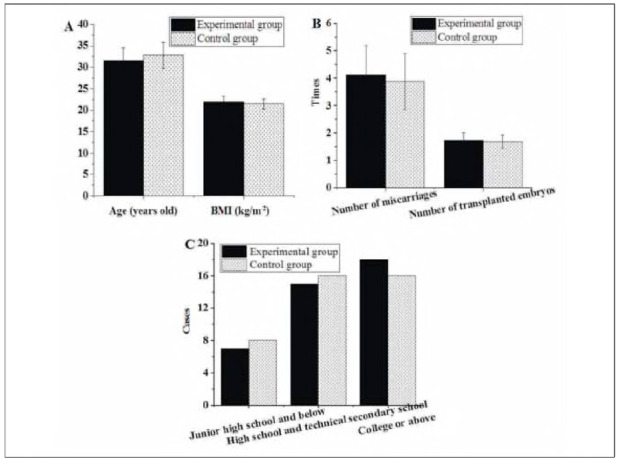 Figure 1
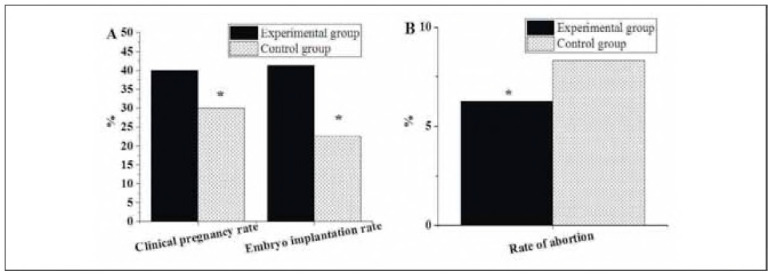 Figure 2
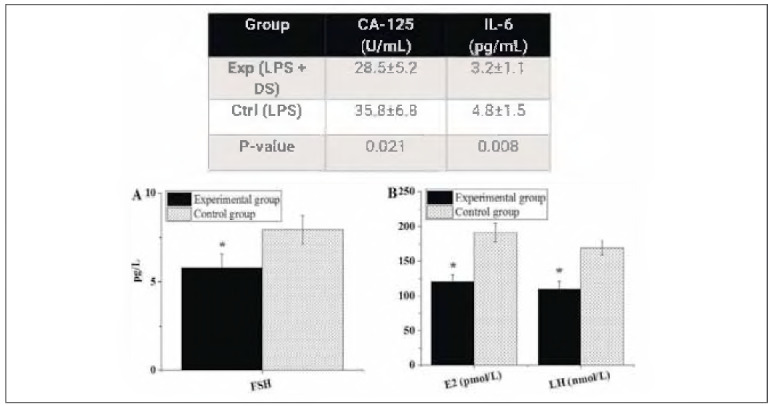 Figure 3
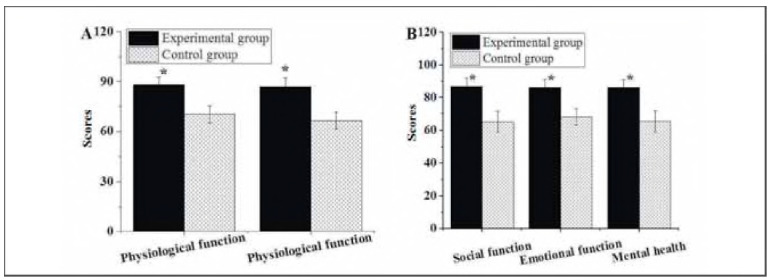 Figure 4
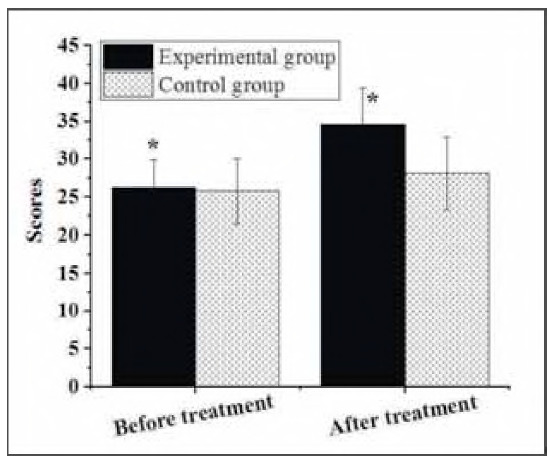 Figure 5
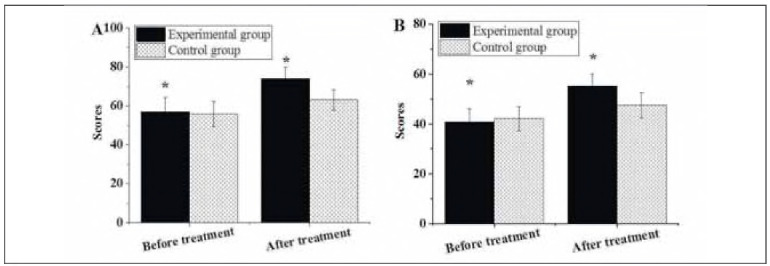 Figure 6
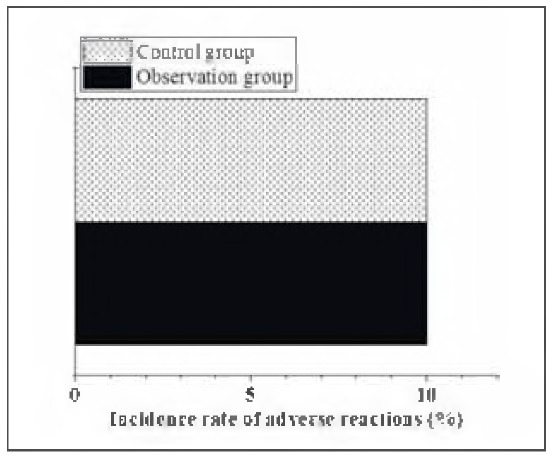 Figure 7
Peer Reviews
No public reviews on file for this paper yet. If you reviewed it on a platform where reviews are public (OpenReview, ICLR, NeurIPS, ICML), you can paste yours below so the community can read it here.
Videos
No videos yet. Explain this paper in a talk, walkthrough, or lecture? Add one.
Taxonomy
TopicsPregnancy and preeclampsia studies