Lung scRNA-seq reveals chronic inflammation and emphysemous phenotype in mice with osteogenesis imperfecta
Jennifer Zieba, Roya Bagheri, Alex Kot, Jorge H. Martin, Davis Wachtell, Sereen Wong, Maeve Mungovan, Caroline Wight, Deborah Krakow

TL;DR
This study uses lung scRNA-seq in a mouse model of brittle bone disease to uncover chronic inflammation and emphysema-like changes, suggesting new therapeutic targets for lung complications in OI.
Contribution
The study reveals chronic inflammation and altered lung cell dynamics in a mouse model of OI, identifying Scgb1a1 as a potential therapeutic target.
Findings
Young Aga2 mice show increased AT2 to AT1 cell transition, while adults show decreased AT2 cell differentiation.
Adult Aga2 lungs exhibit increased fibroblast activation and chronic inflammation with elevated neutrophil and monocyte numbers.
Reduced Scgb1a1 expression in multiple lung cell types is linked to lung disease and could be a therapeutic target.
Abstract
Osteogenesis imperfecta (OI), or brittle bone disease, is a rare congenital disorder characterized by bone fragility and increased fracture incidence mainly due to mutations in type I collagen or genes associated with collagen synthesis. Genetic and allelic heterogeneity underlie the phenotypic spectrum of OI yet all forms commonly feature early mortality stemming from pulmonary complications, the molecular cause for which has not been resolved. Using single-cell RNA sequencing (scRNAseq), we identified novel molecular and cellular mechanisms underlying the lung abnormalities observed in our Col1a1 Aga2/+ (Aga2) mouse, which recapitulates a moderate form of OI. Pulmonary tissues in OI models have consistently displayed a histological emphysematous phenotype, however the origin of this and the effect on lung cell development and function remains unknown. Using scRNAseq data derived…
Genes, proteins, chemicals, diseases, species, mutations and cell lines named across the full text — each resolved to its canonical identifier and authoritative record.
Click any figure to enlarge with its caption.
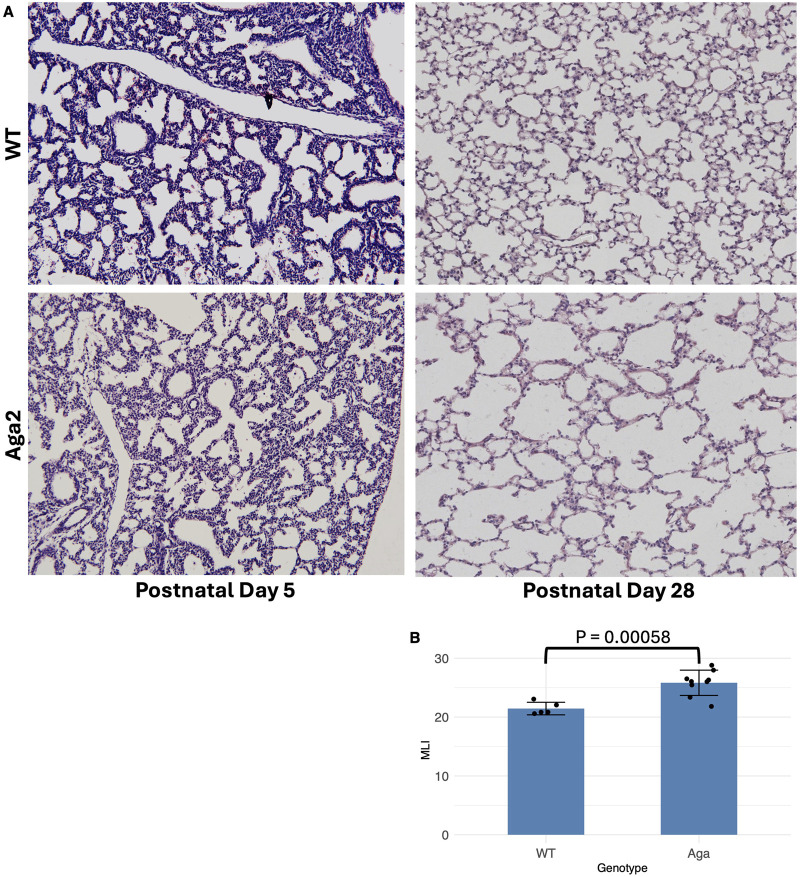 Figure 1
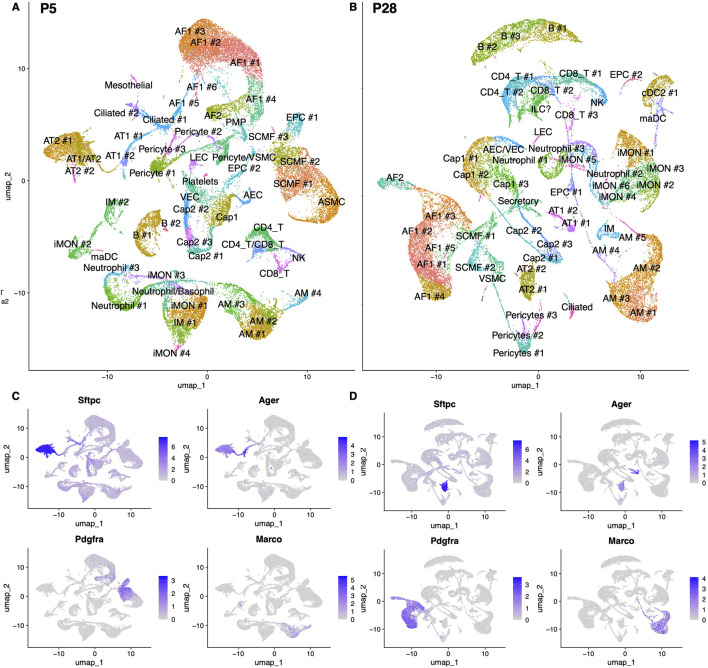 Figure 2
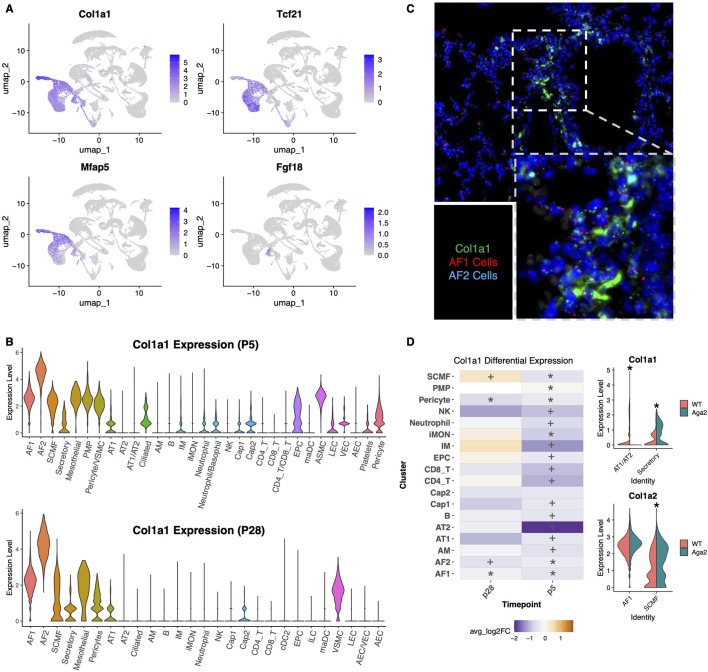 Figure 3
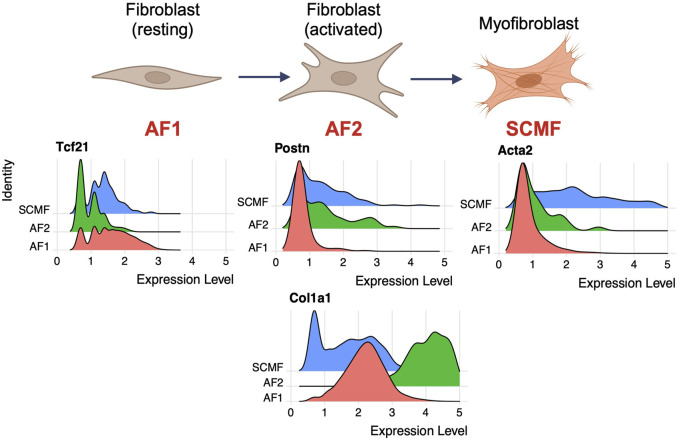 Figure 4
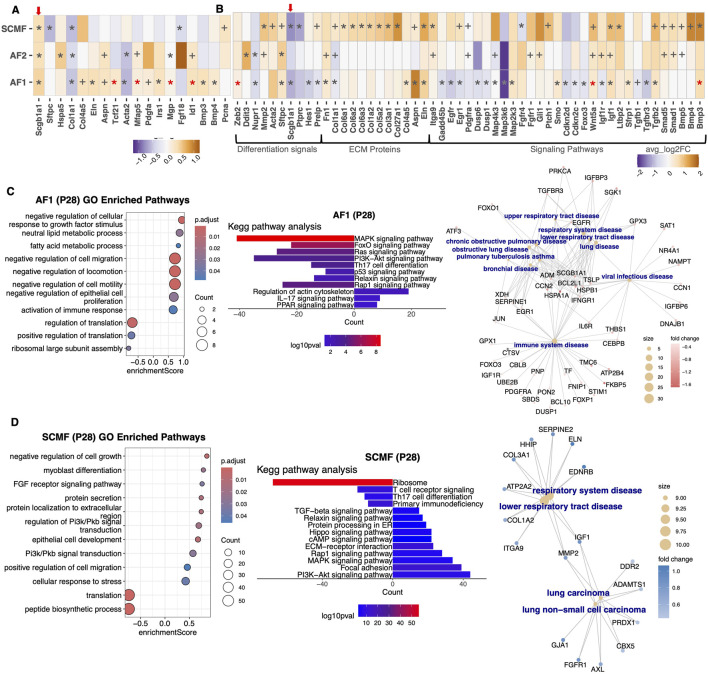 Figure 5
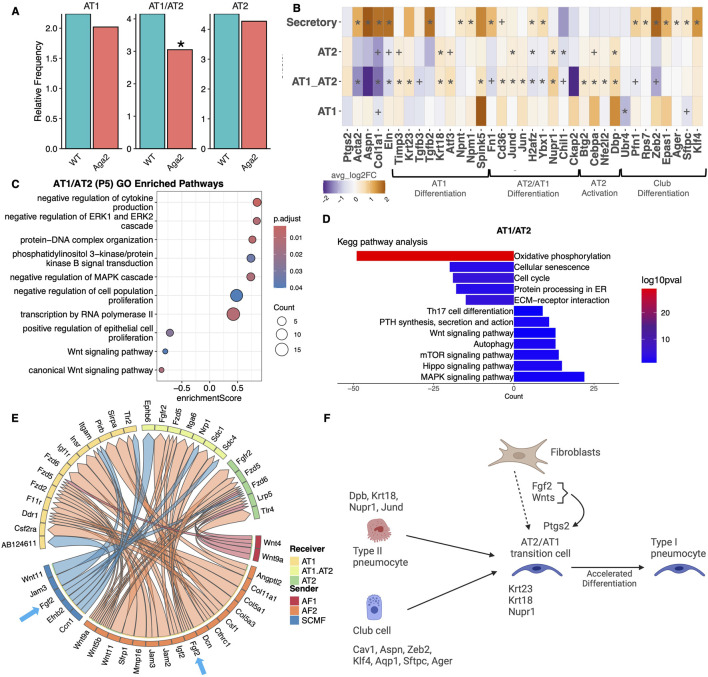 Figure 6
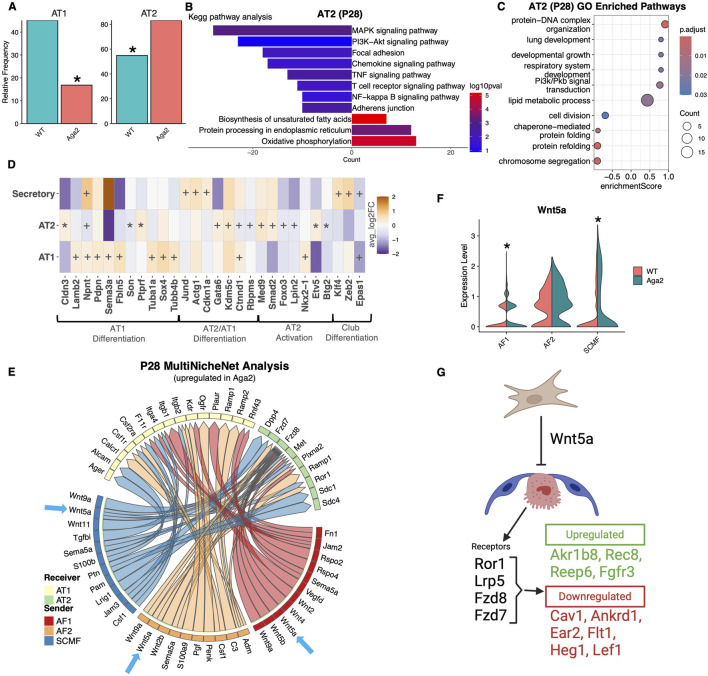 Figure 7
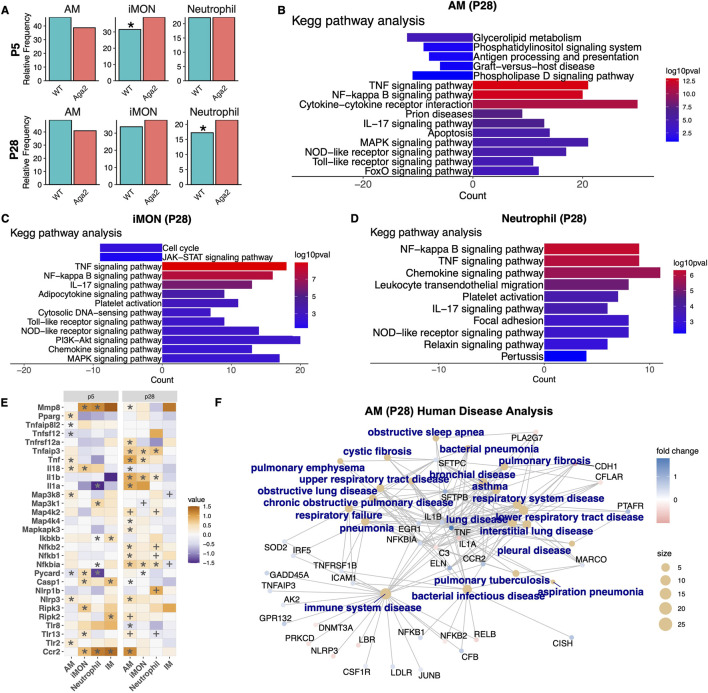 Figure 8
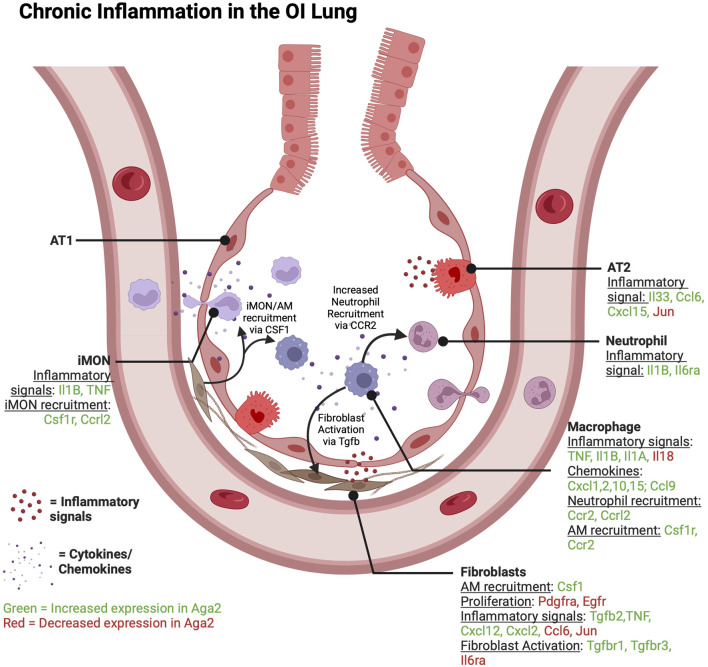 Figure 9
Peer Reviews
No public reviews on file for this paper yet. If you reviewed it on a platform where reviews are public (OpenReview, ICLR, NeurIPS, ICML), you can paste yours below so the community can read it here.
Videos
No videos yet. Explain this paper in a talk, walkthrough, or lecture? Add one.
Taxonomy
TopicsConnective tissue disorders research · Dermatological and Skeletal Disorders · Bone fractures and treatments