Why would individuals use indoor positioning systems? A study from a potential user interface perspective
Thomas Paetow, Johannes Wichmann, Michael Leyer, Frantisek Sudzina, Frantisek Sudzina, Frantisek Sudzina

TL;DR
This study explores why people might use indoor positioning systems by evaluating user interface mock-ups and analyzing user intentions.
Contribution
The study extends the UTAUT2 model to evaluate prototype-based indoor positioning system user interfaces.
Findings
Performance expectancy had the strongest positive effect on behavioral intention to use IPS.
Social influence, price value, and habit also positively influenced behavioral intention.
Effort expectancy, facilitating conditions, and hedonic motivation did not significantly affect intention.
Abstract
Indoor positioning systems (IPS) differ from outdoor navigation in technological foundations and typical use cases, yet real-world deployments remain relatively rare. For an early-stage acceptance evaluation, literature-derived IPS functions were implemented as an interactive, task-based UI mock-up for a university setting. UTAUT2 was assessed with a pooled sample of 181 potential users across three independent data collections using PLS-SEM with one-tailed BCa bootstrap confidence intervals (90%; 5%/95% bounds). Performance expectancy showed the largest positive association with behavioral intention (β = 0.585, CI [0.480; 0.678]). Social influence (β = 0.179, CI [0.115; 0.245]), price value under a communicated one-time fee of €0.99 (β = 0.179, CI [0.096; 0.260]), and habit (β = 0.179, CI [0.097; 0.265]) also related positively to intention (R² = 0.781). Effort expectancy (β = −0.051,…
Genes, proteins, chemicals, diseases, species, mutations and cell lines named across the full text — each resolved to its canonical identifier and authoritative record.
Click any figure to enlarge with its caption.
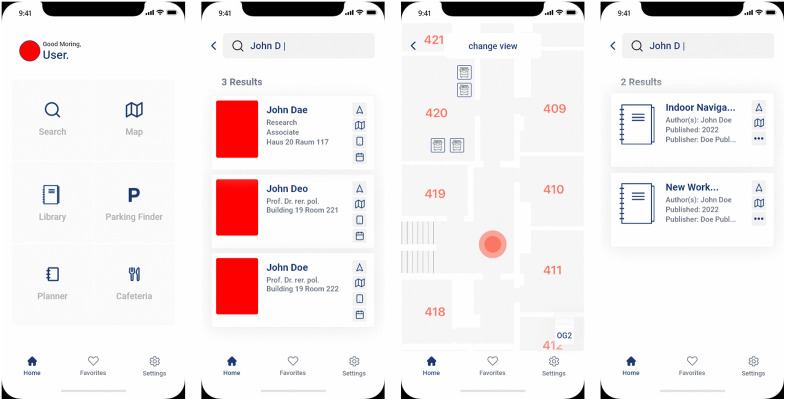 Figure 1
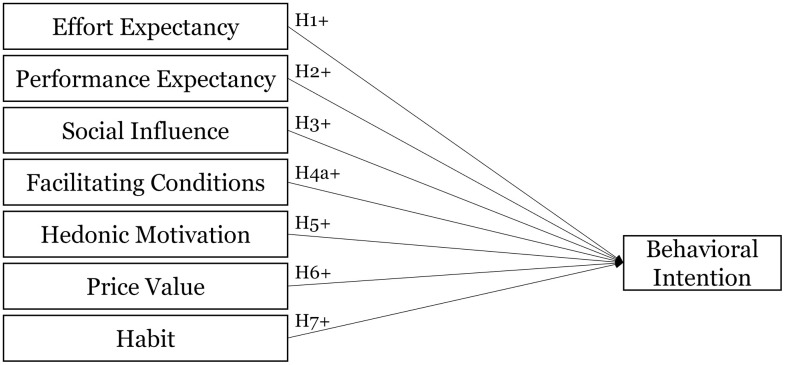 Figure 2
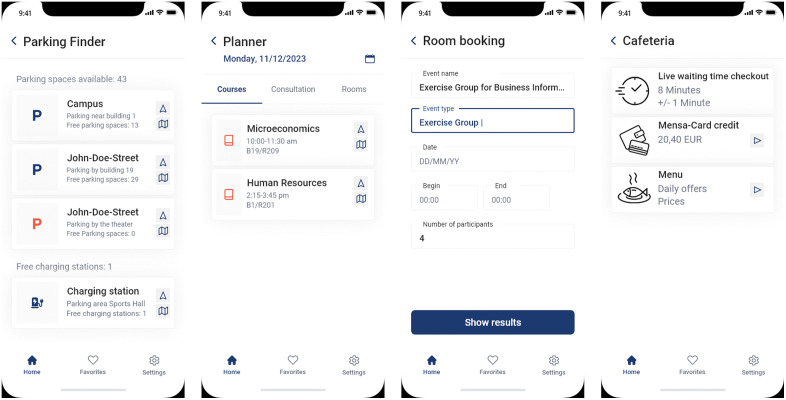 Figure 3
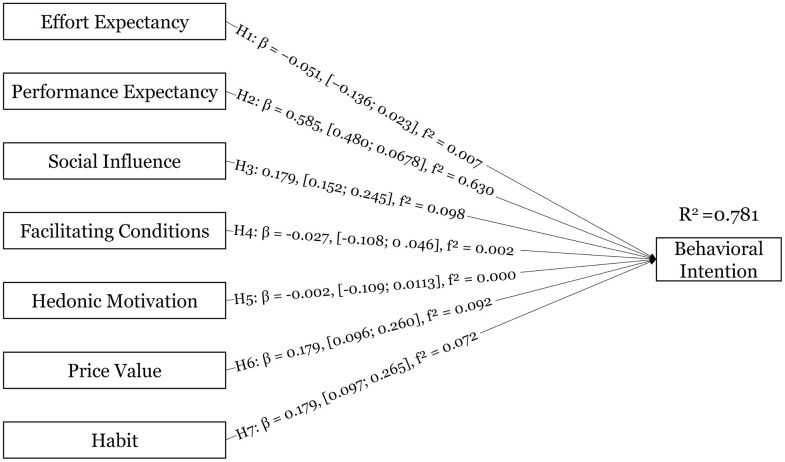 Figure 4
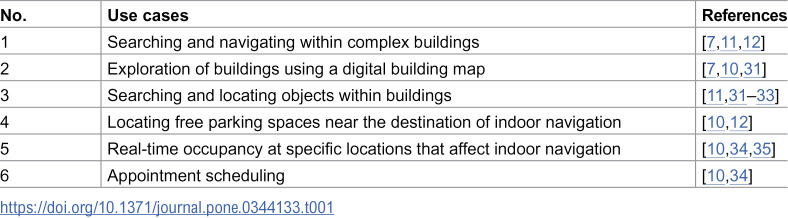 Figure 5
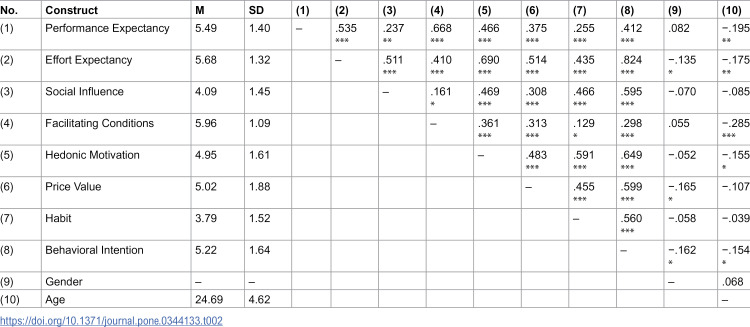 Figure 6
Peer Reviews
No public reviews on file for this paper yet. If you reviewed it on a platform where reviews are public (OpenReview, ICLR, NeurIPS, ICML), you can paste yours below so the community can read it here.
Videos
No videos yet. Explain this paper in a talk, walkthrough, or lecture? Add one.
Taxonomy
TopicsSpatial Cognition and Navigation · Indoor and Outdoor Localization Technologies · Human-Automation Interaction and Safety