Cytoskeletal remodeling promotes tunneling nanotube formation and drives cardiac resident cell mitochondrial transfer in sepsis
Rui Song, Cheng Huang, Yinrui Ma, Zhenhua Zhang, Yifei Liu, Bing Chen, Xi Zhang, Shuai Hao, He Huang, Milad Ashrafizadeh, João Conde, Chenyang Duan

TL;DR
The paper shows how cytoskeletal changes in heart cells during sepsis lead to the formation of nanotubes that transfer mitochondria, offering new insights into cardiac dysfunction and potential treatments.
Contribution
The study reveals Drp1-driven cytoskeletal remodeling as a novel mechanism for tunneling nanotube formation and mitochondrial transfer in septic cardiac cells.
Findings
Sepsis reprograms cardiac endothelial cells, fibroblasts, and macrophages, leading to mitochondrial dysfunction.
Drp1 interacts with Filamin and Kinesin to regulate tunneling nanotube formation and mitochondrial transfer.
Cardiac-specific Drp1 knockout halts metabolic deterioration and reverses cellular reprogramming in sepsis.
Abstract
Sepsis-induced cardiac dysfunction arises from complex intercellular communication networks that extend beyond direct cardiomyocyte damage, yet the nanoscale mechanisms governing these interactions remain poorly understood. Here, we identify tunneling nanotubes (TNTs) as dynamic biological nanostructures facilitating intercellular mitochondrial transfer, revealing their critical role in septic cardiac remodeling. Using a murine cecal ligation and puncture (CLP) model and single-cell RNA sequencing, we demonstrate that sepsis reprograms cardiac endothelial cells, fibroblasts, and macrophages, generating metabolically impaired subpopulations with dysfunctional mitochondrial respiration. We uncover a Drp1-driven cytoskeletal remodeling process that orchestrates TNT biogenesis, wherein Drp1 interacts with Filamin and Kinesin to regulate TNT formation and extension, enabling long-range…
Genes, proteins, chemicals, diseases, species, mutations and cell lines named across the full text — each resolved to its canonical identifier and authoritative record.
Click any figure to enlarge with its caption.
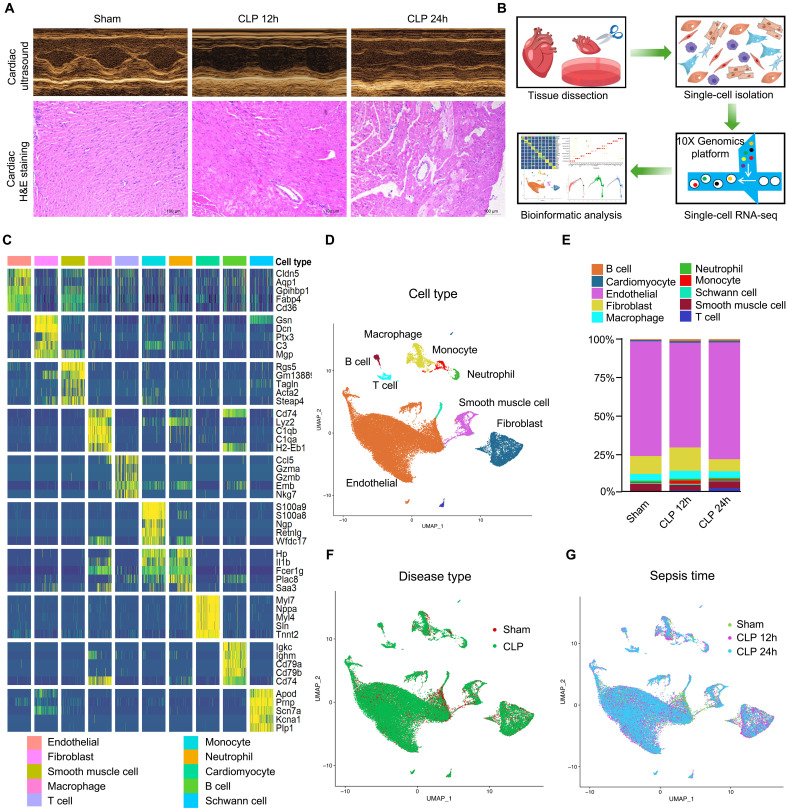 Figure 1
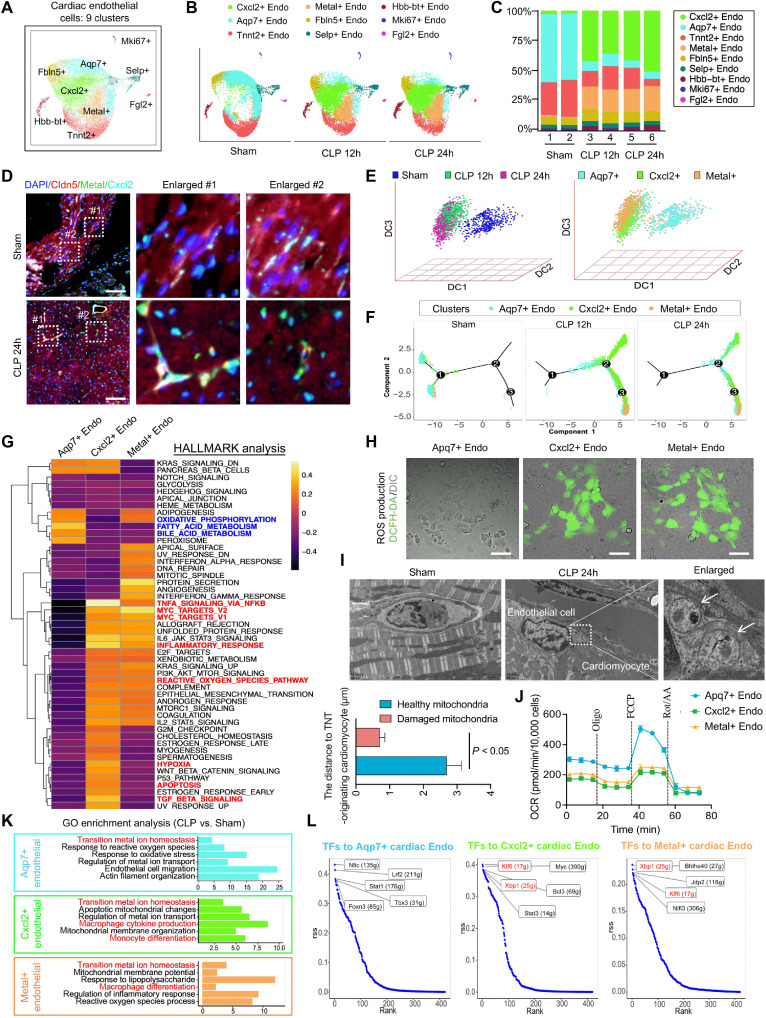 Figure 2
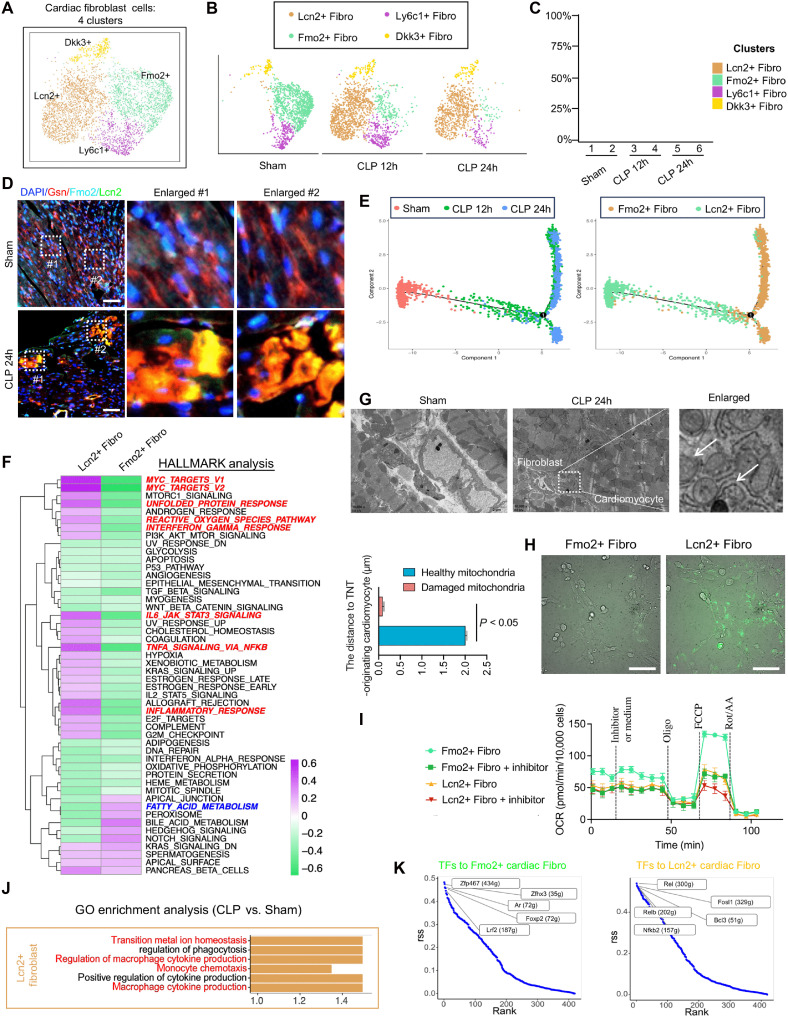 Figure 3
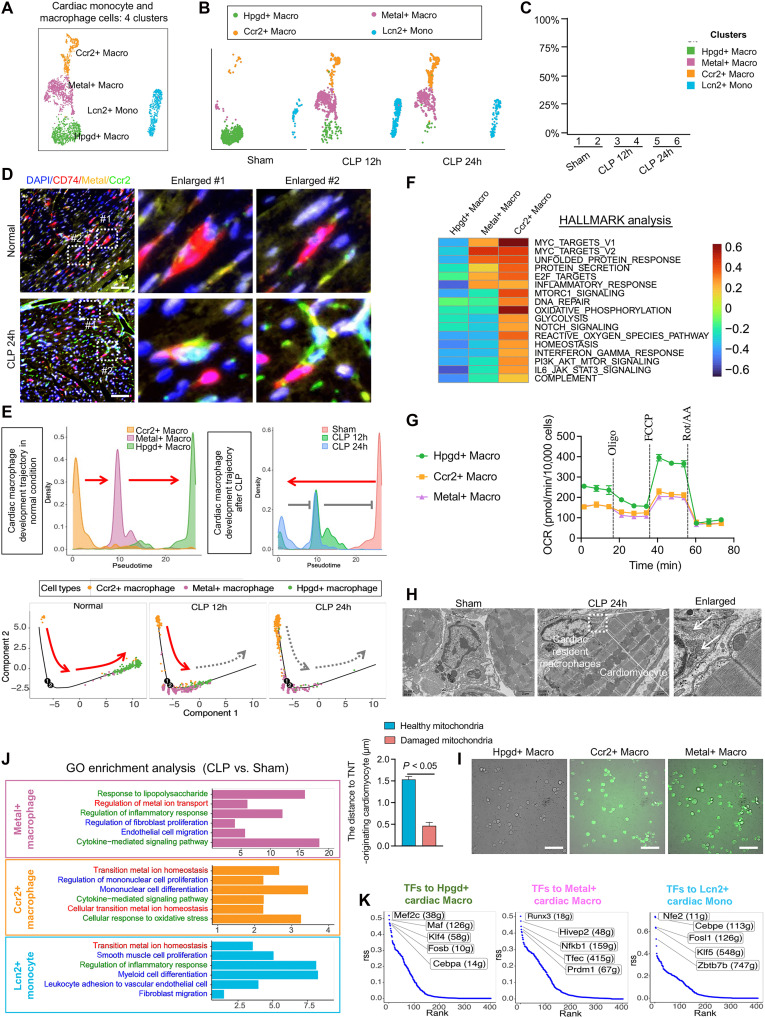 Figure 4
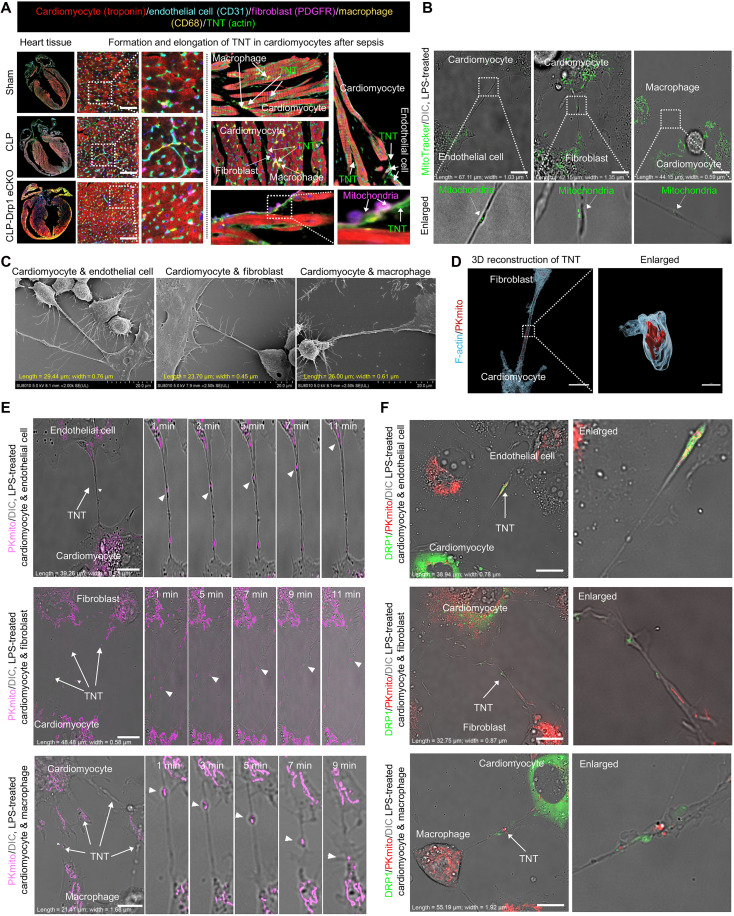 Figure 5
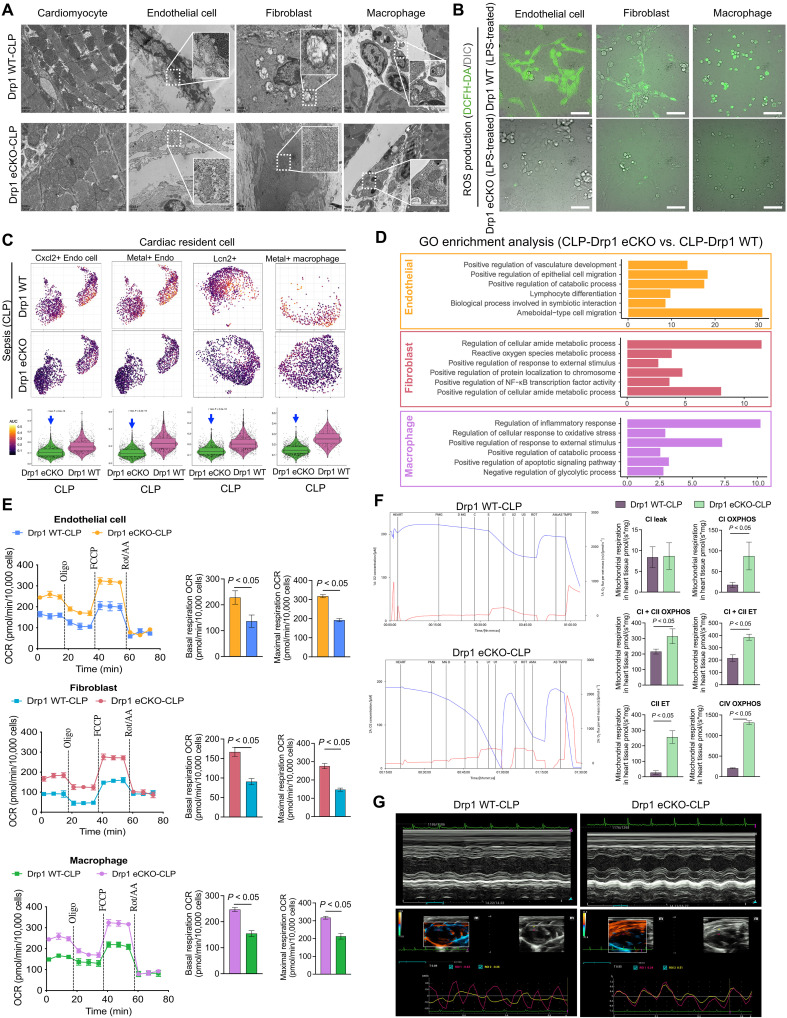 Figure 6
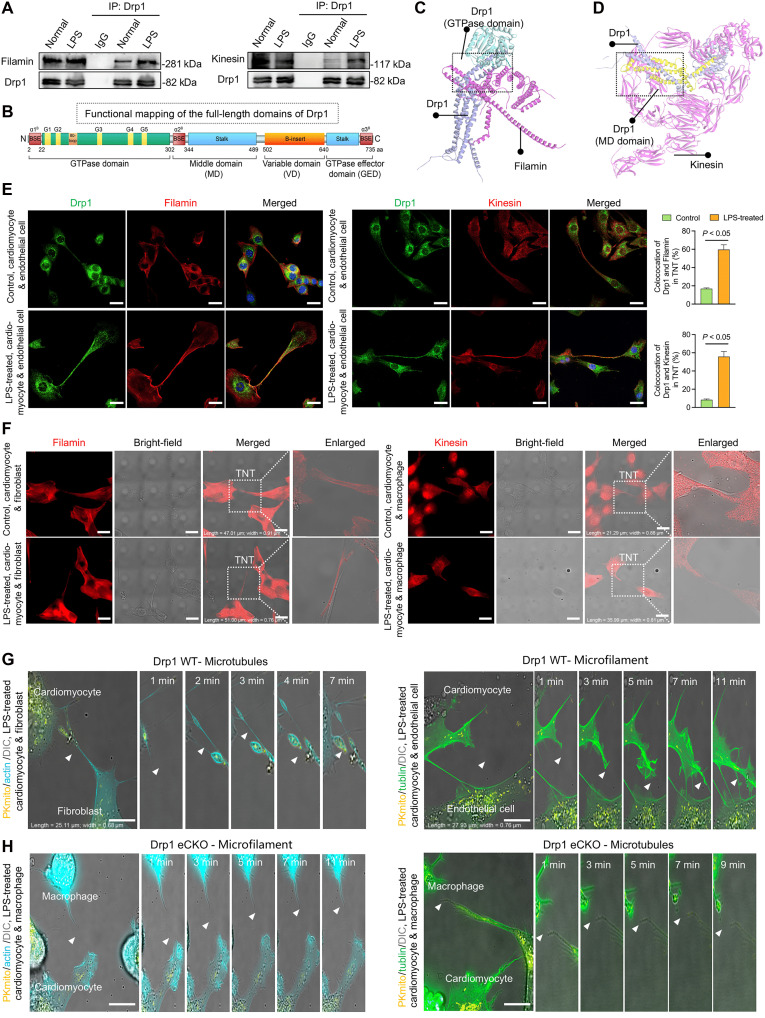 Figure 7
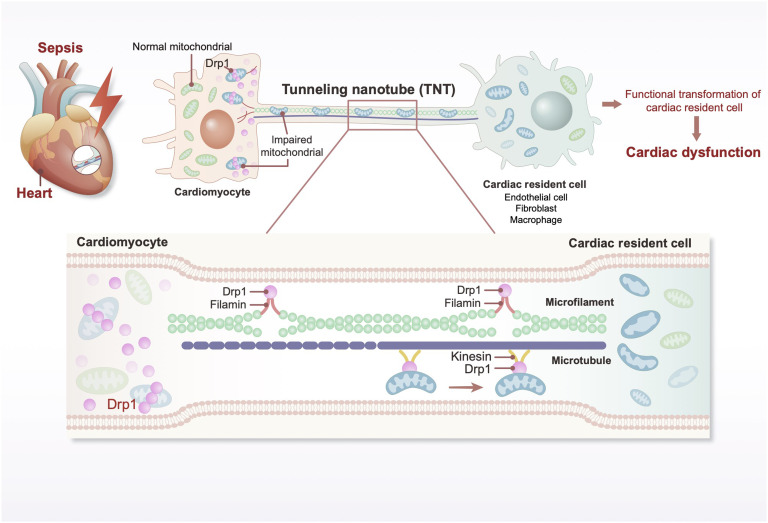 Figure 8
Peer Reviews
No public reviews on file for this paper yet. If you reviewed it on a platform where reviews are public (OpenReview, ICLR, NeurIPS, ICML), you can paste yours below so the community can read it here.
Videos
No videos yet. Explain this paper in a talk, walkthrough, or lecture? Add one.
Taxonomy
TopicsMitochondrial Function and Pathology · Tissue Engineering and Regenerative Medicine · Graphene and Nanomaterials Applications