A Diborylcarbazolyl Ligand for Stabilizing Low-Coordinate and Low-Valent Metal Complexes
Yen-Hua Lee, Wei-Chieh Chang, Hsuan-Wen Fu, Han-Jung Li, Ting-Shen Kuo, Tzuhsiung Yang, Hsueh-Ju Liu

TL;DR
Scientists created a new ligand that helps stabilize metal complexes with unusual structures and low coordination numbers.
Contribution
A novel diborylcarbazolyl ligand was synthesized to support low-coordinate and low-valent metal complexes.
Findings
The ligand stabilizes two-coordinate and pseudo-one-coordinate metal complexes.
It forms trinuclear and coinage metal complexes with distinct geometries.
The ligand supports a range of transition metals including Fe, Co, Zn, Ni, Cu, Ag, and Au.
Abstract
We report the synthesis of a novel ligand L (3,6-di-tert-butyl-1,8-bis(dimesitylboryl)carbazolide) based on a carbazolyl scaffold bearing two sterically demanding boryl groups at the 1,8-positions. This diborylcarbazolyl framework effectively supports a range of transition metal complexes, including two-coordinate halide complexes LM II Cl [M = Fe (2), Co (3), and Zn (4)], trinuclear complex (LCr) 2 (CrCl 4 ) (5), and pseudo-one-coordinate complexes LM I [M = Ni (6) and Cu (7)]. Coinage metal complexes derived from L exhibit a preference for two-coordinate geometries, as demonstrated by the isolation of LMPPh 3 [M = Ag (8) and Au (9)] and LCu(DMAP) (10).
Genes, proteins, chemicals, diseases, species, mutations and cell lines named across the full text — each resolved to its canonical identifier and authoritative record.
Click any figure to enlarge with its caption.
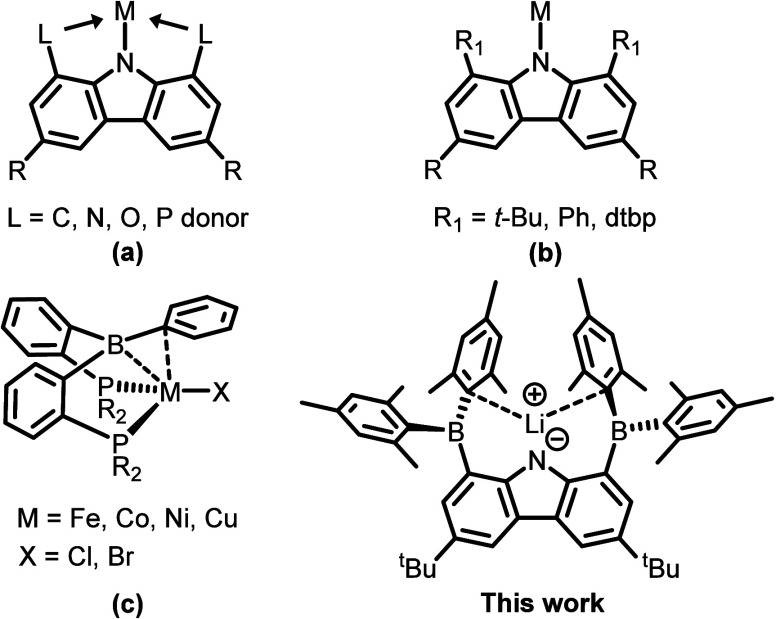 Figure 1
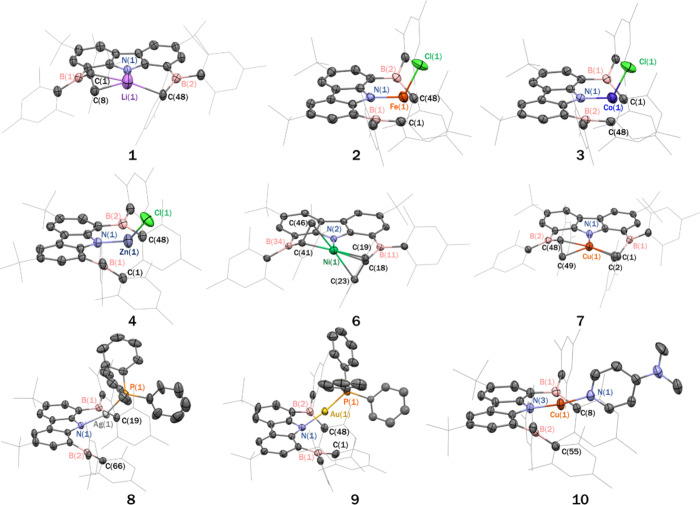 Figure 2
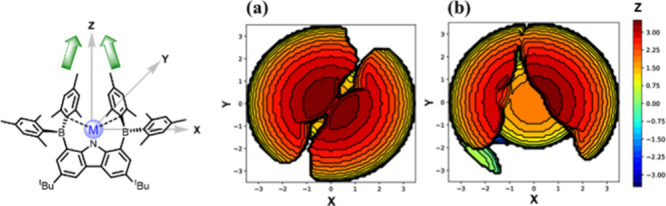 Figure 3
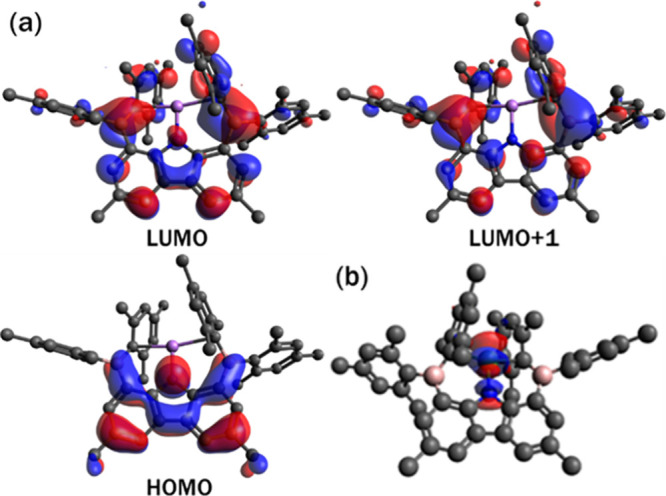 Figure 4
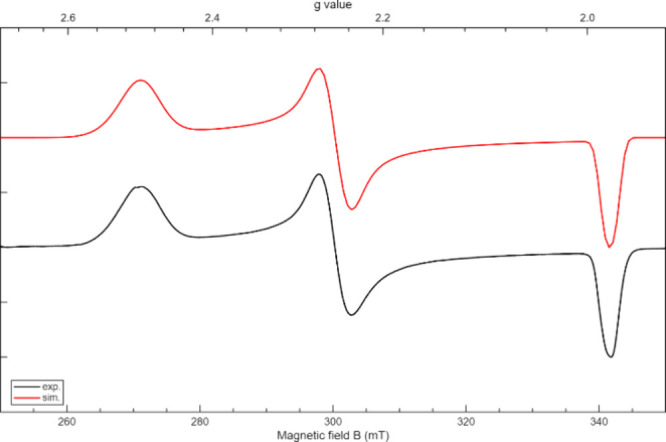 Figure 5
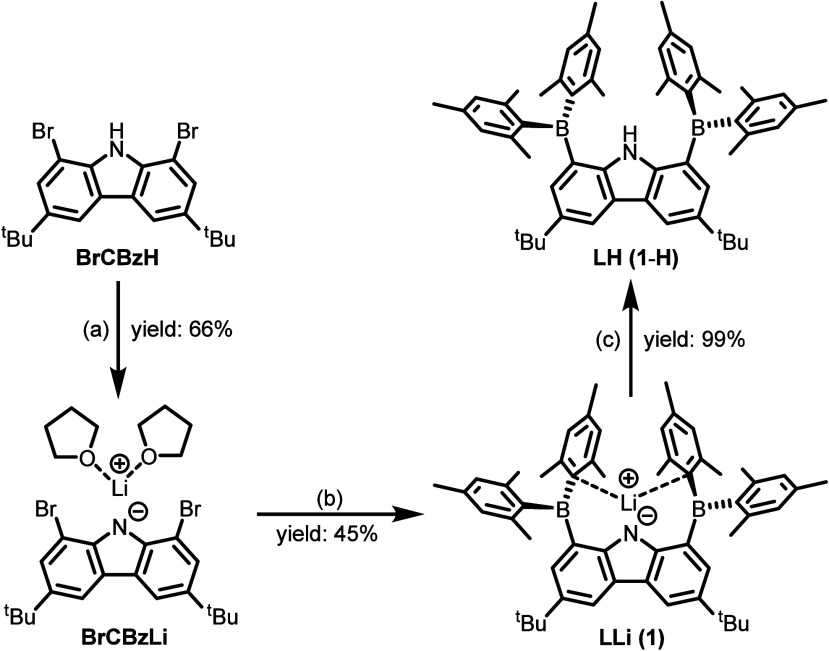 Figure 6
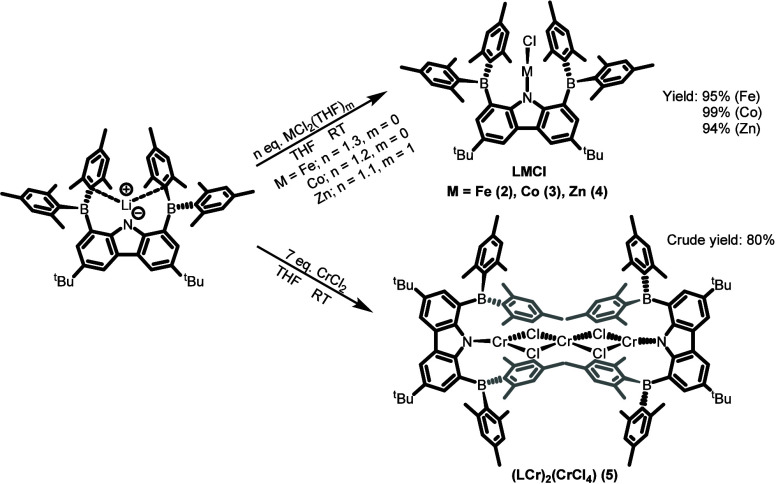 Figure 7
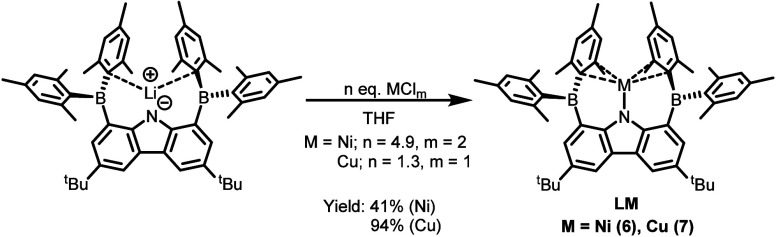 Figure 8
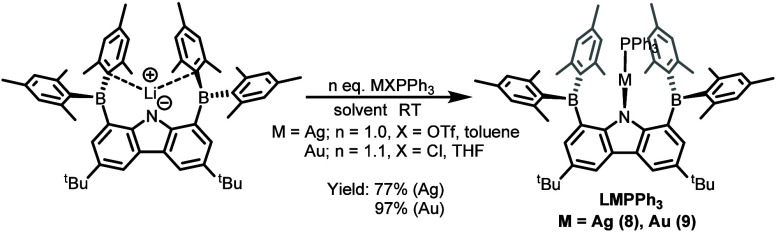 Figure 9
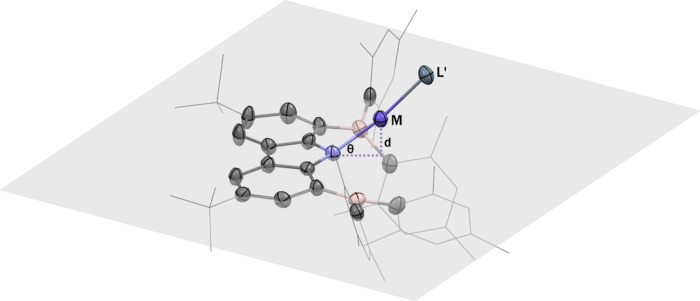 Figure 10
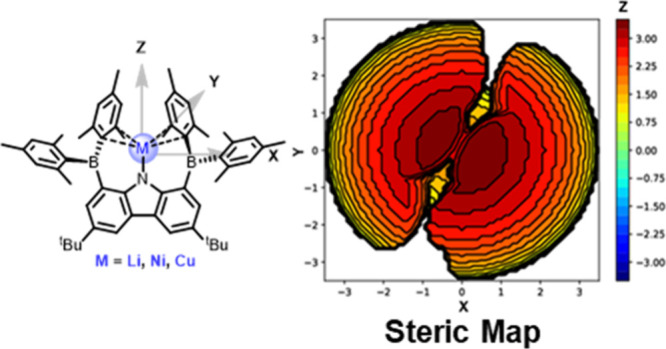 Figure 11
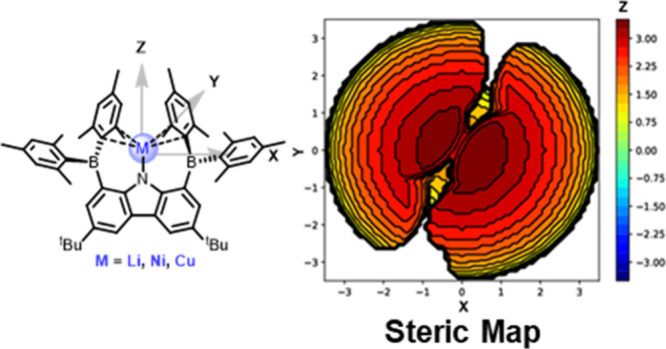 Figure 12
 Figure 13
 Figure 14
 Figure 15
 Figure 16
 Figure 17
 Figure 18
Peer Reviews
No public reviews on file for this paper yet. If you reviewed it on a platform where reviews are public (OpenReview, ICLR, NeurIPS, ICML), you can paste yours below so the community can read it here.
Videos
No videos yet. Explain this paper in a talk, walkthrough, or lecture? Add one.
Taxonomy
TopicsOrganoboron and organosilicon chemistry · Organometallic Complex Synthesis and Catalysis · Synthesis and characterization of novel inorganic/organometallic compounds