Isolated Septal Branch Occlusion Causing Septal Myocardial Infarction, With Suspected Embolic Etiology From Left Atrial Appendage Thrombus: A Case Report
A. Jano, A. Hamadanchi, A. Große, P. C. Schulze, R. Surber

TL;DR
A 76-year-old woman with atrial fibrillation had a heart attack caused by a blood clot from her left atrial appendage, highlighting the need for proper anticoagulation.
Contribution
This case report presents a rare instance of septal myocardial infarction caused by embolic occlusion from a left atrial appendage thrombus.
Findings
The patient's septal myocardial infarction was linked to a thrombus in the left atrial appendage.
Discontinued anticoagulation therapy likely contributed to clot formation and subsequent embolism.
Abstract
We present a case of a 76‐year‐old female who experienced an isolated embolic occlusion of the septal branch, resulting in a septal myocardial infarction (MI) due to a thrombus in the left atrial appendage (LAA). The patient′s history included atrial fibrillation (AF), multiple allergies, and a self‐discontinued anticoagulation regimen. This case underscores the importance of anticoagulation therapy in AF patients and highlights the challenges of managing patients with complex medical histories and medication intolerances.
Genes, proteins, chemicals, diseases, species, mutations and cell lines named across the full text — each resolved to its canonical identifier and authoritative record.
Click any figure to enlarge with its caption.
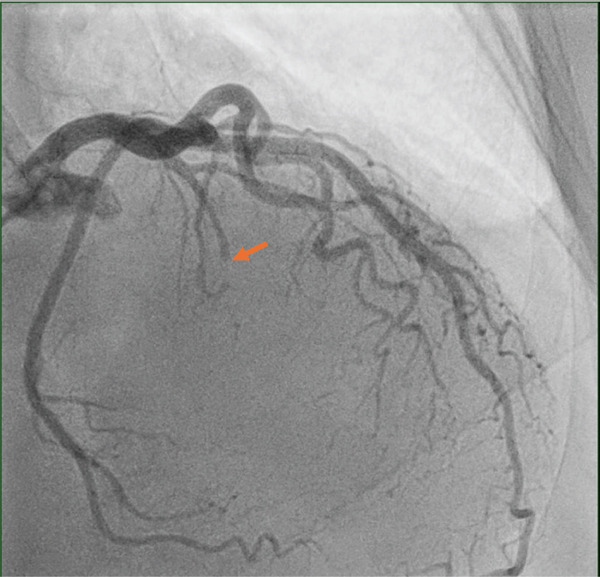 Figure 1
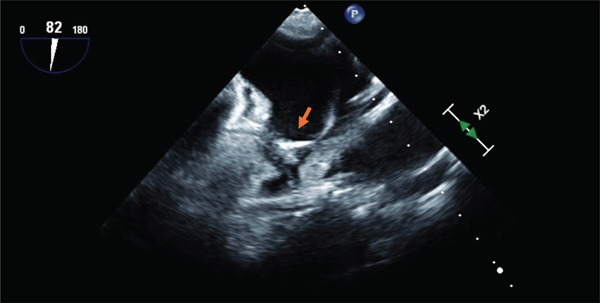 Figure 2
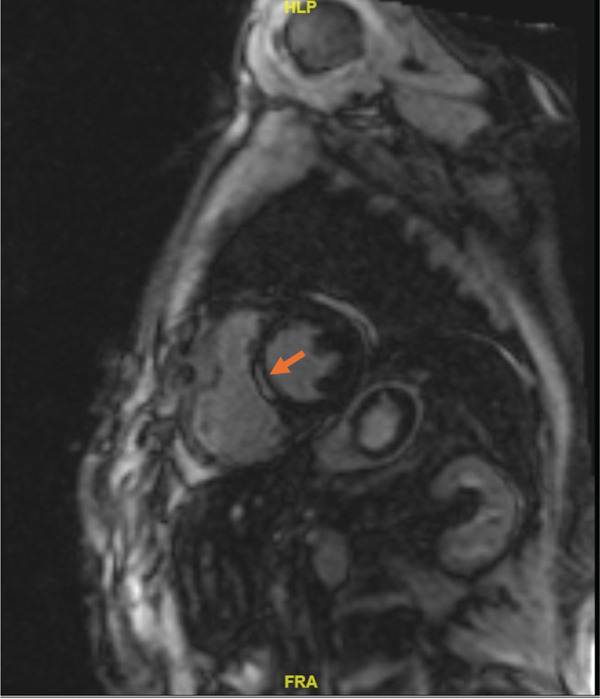 Figure 3
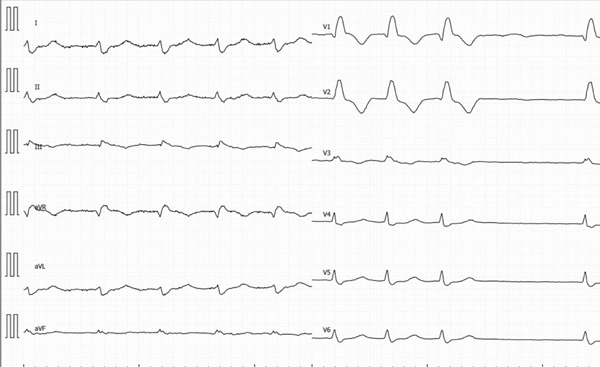 Figure 4
Peer Reviews
No public reviews on file for this paper yet. If you reviewed it on a platform where reviews are public (OpenReview, ICLR, NeurIPS, ICML), you can paste yours below so the community can read it here.
Videos
No videos yet. Explain this paper in a talk, walkthrough, or lecture? Add one.
Taxonomy
TopicsCardiac tumors and thrombi · Atrial Fibrillation Management and Outcomes · Cardiovascular and Diving-Related Complications