Probabilistic dietary exposure assessment of polycyclic aromatic hydrocarbons (PAHs) and its associated disease burden in Singapore
Angela Li, Min Ern Chen, Geraldine Songlen Lim, Benjamin Er, Mei Hui Liu, Valerie Sin, Wei Jie Seow, Gene Yong-Kwang Ong, R Ponampalam, Boon Kiat Kenneth Tan, Joanna Khoo, Joanne Sheot Harn Chan, Kyaw Thu Aung

TL;DR
This study assesses dietary exposure to PAHs in Singapore and estimates the associated cancer risk and disease burden.
Contribution
The study introduces a probabilistic dietary exposure assessment of PAHs and estimates associated disease burden in Singapore.
Findings
PAH levels are higher in nuts, sauces, fruiting vegetables, and fungi/seaweed.
Stir-frying increases PAH levels in fish and seafood compared to boiling or steaming.
Estimated lifetime cancer risk from dietary PAHs ranges from 4.63 × 10− 5 to 5.17 × 10− 3.
Abstract
Polycyclic aromatic hydrocarbons (PAHs) are process contaminants with dietary exposure as a key route into the human body. Findings from the Singapore Total Diet Study revealed that higher levels of PAHs were found in food categories such as nuts and seeds, sauces and condiments, fruiting vegetables as well as fungi and seaweed. The choice of cooking method may influence the PAH levels in food such as fish and seafood products where stir-frying was associated with higher PAHs levels than boiling and steaming. Monte Carlo simulation was applied in the PAHs probabilistic exposure assessment using optimistic and pessimistic model scenarios. Lifetime cancer risk due to total dietary exposure to PAHs was estimated to be between 4.63 × 10− 5 and 5.17 × 10− 3. Attributable Disability-Adjusted Life Years (DALYs) for the Singapore population were estimated to be between 2.36 × 10− 1 and 92.5…
Genes, proteins, chemicals, diseases, species, mutations and cell lines named across the full text — each resolved to its canonical identifier and authoritative record.
Click any figure to enlarge with its caption.
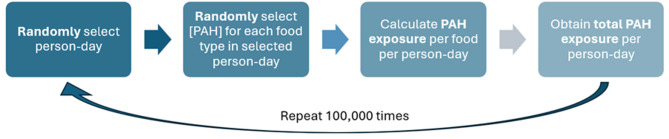 Figure 1
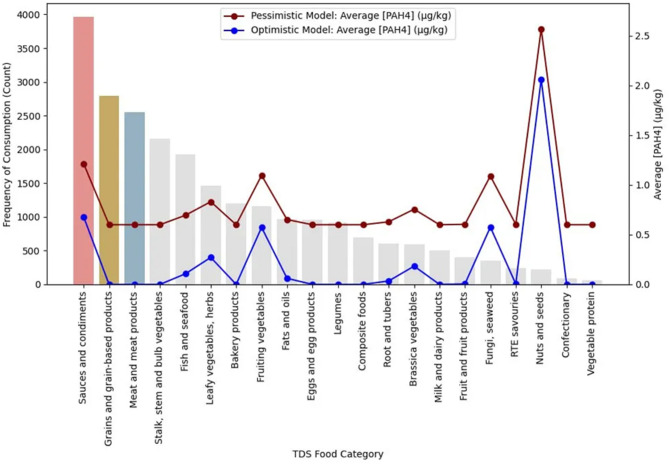 Figure 2
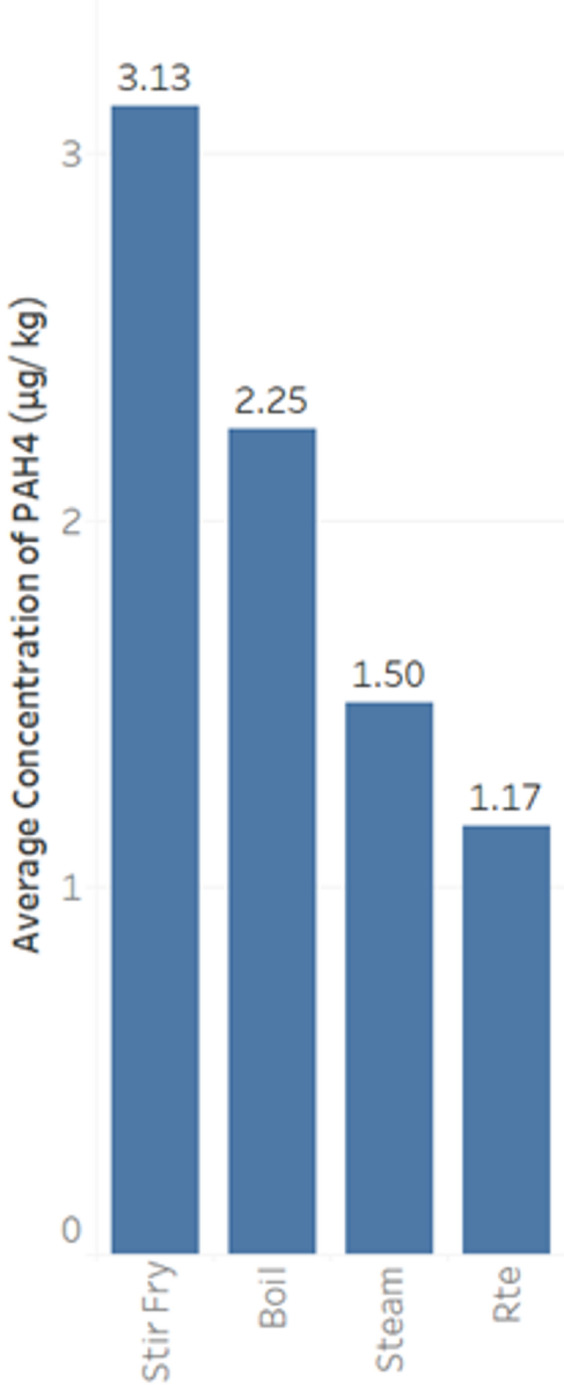 Figure 3
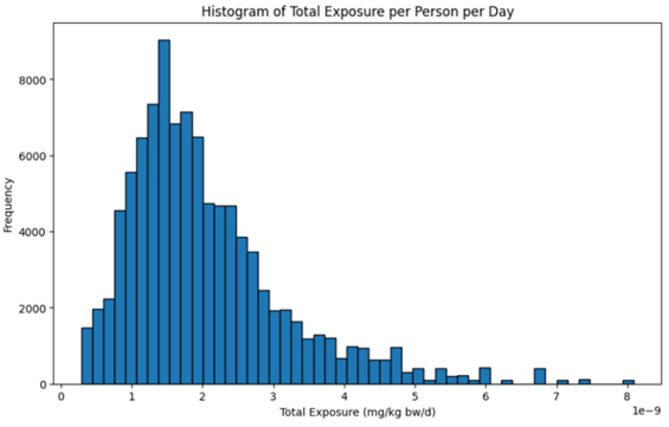 Figure 4
Peer Reviews
No public reviews on file for this paper yet. If you reviewed it on a platform where reviews are public (OpenReview, ICLR, NeurIPS, ICML), you can paste yours below so the community can read it here.
Videos
No videos yet. Explain this paper in a talk, walkthrough, or lecture? Add one.
Taxonomy
TopicsToxic Organic Pollutants Impact · Carcinogens and Genotoxicity Assessment · Effects and risks of endocrine disrupting chemicals