Huntington’s disease LIG1 modifier variant increases ligase fidelity and suppresses somatic CAG repeat expansion
Eunhye Lee, Wonju Kim, David H. Beier, Yejin Lee, Marina Kovalenko, Faaiza Saif, Esaria Oliver, Bhairavi Srinageshwar, Ryan Murtha, Marissa A. Andrew, Andrew Jiang, Tammy Gillis, Brigitte Demelo, Jayla Ruliera, Diane Lucente, Seung Kwak, Ramee Lee, Ricardo Mouro Pinto

TL;DR
A DNA Ligase 1 variant delays Huntington’s disease onset by improving DNA repair accuracy and reducing harmful genetic changes.
Contribution
The study reveals how a specific LIG1 variant reduces CAG repeat expansion and offers a new therapeutic target for HD.
Findings
The K845N variant increases DNA ligase fidelity toward mismatched substrates.
The variant protects against oxidative stress and slows somatic CAG repeat expansion in HD mice.
Altered LIG1 function may delay HD onset by reducing genomic damage in the brain.
Abstract
We analyzed a missense variant in DNA Ligase 1 (K845N) that is associated with a profound delay in the onset of Huntington’s disease (HD). We find that K845N enhances substrate discrimination toward mismatched substrates, thus increasing repair fidelity, conferring protection against oxidative stress and slows somatic expansion of the HD CAG repeat. Our observations provide insight into underlying mechanisms of disease modification and suggest avenues that can be harnessed for disease-modifying therapeutic intervention. Huntington’s disease (HD) is a fatal neurodegenerative disorder caused by inheriting an expanded CAG repeat tract in the huntingtin gene (HTT) that further expands in somatic cells over an individual’s lifetime. Genome-wide association studies have provided critical insight into factors that modify the course of disease. These include DNA repair genes that alter the…
Genes, proteins, chemicals, diseases, species, mutations and cell lines named across the full text — each resolved to its canonical identifier and authoritative record.
Click any figure to enlarge with its caption.
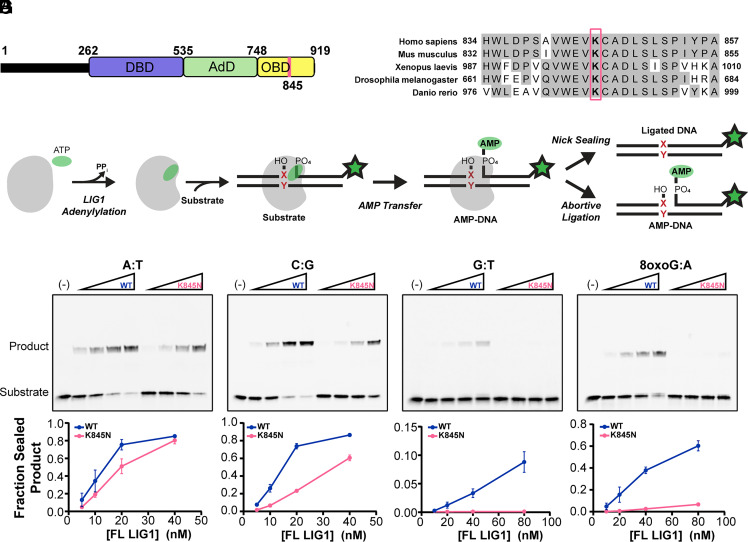 Figure 1
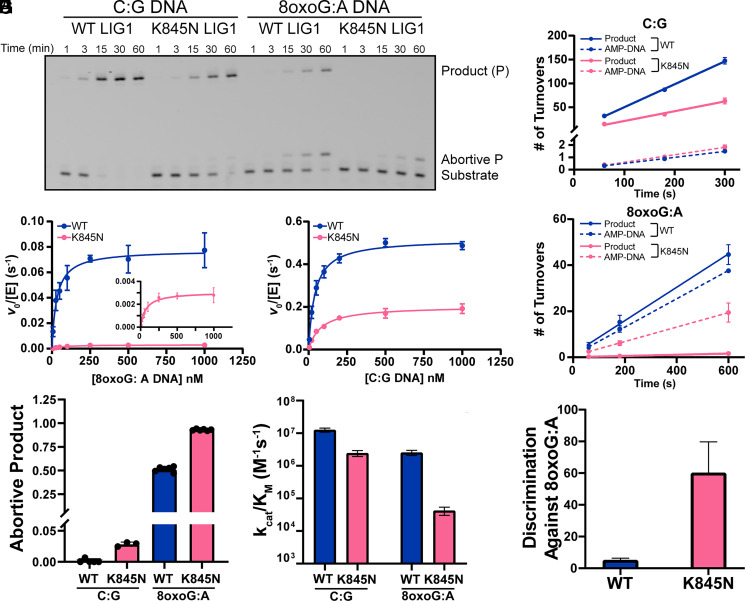 Figure 2
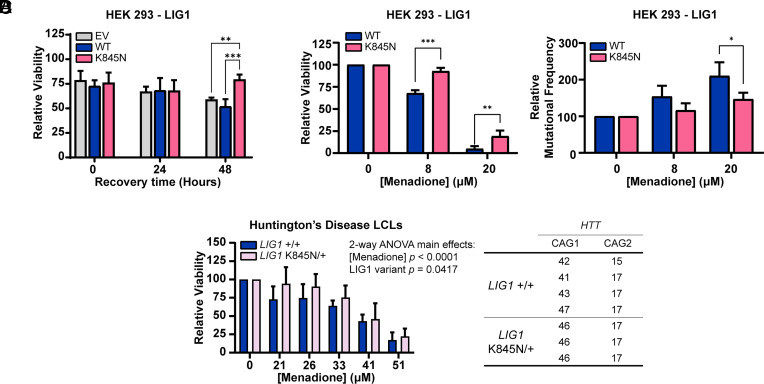 Figure 3
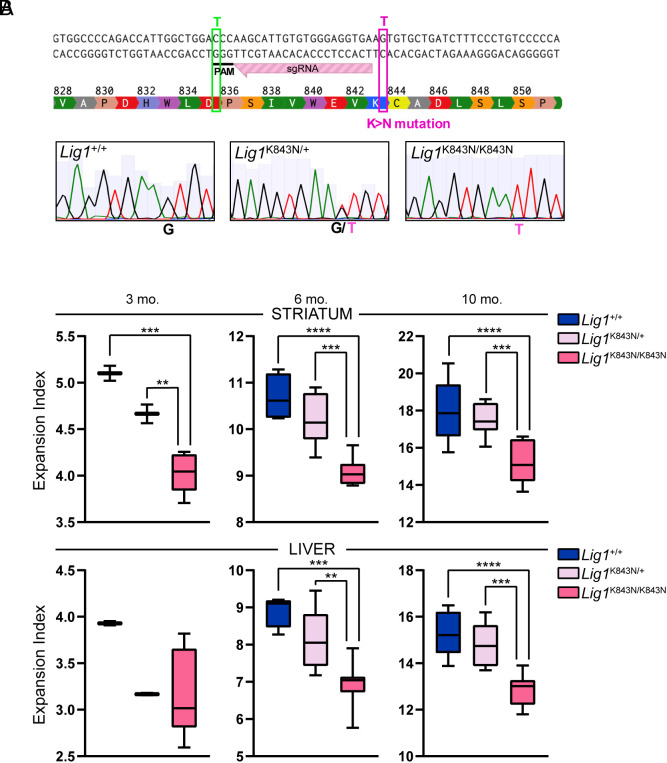 Figure 4
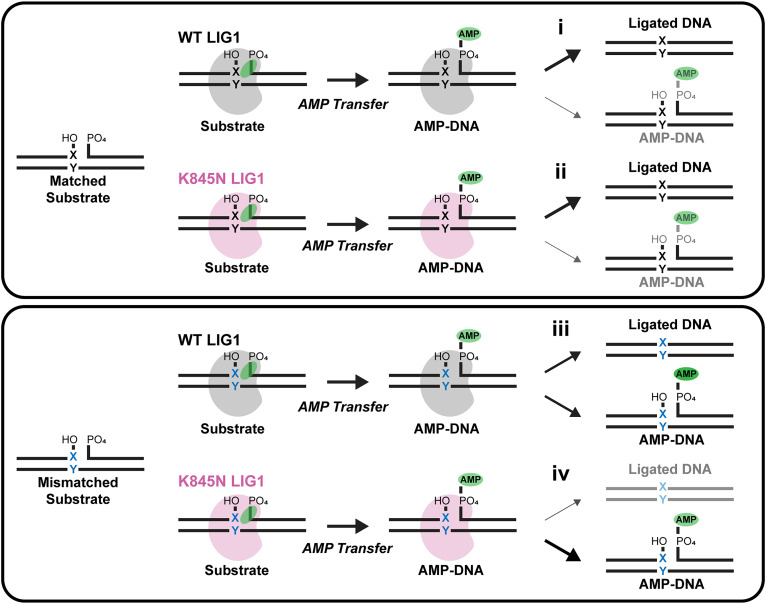 Figure 5
Peer Reviews
No public reviews on file for this paper yet. If you reviewed it on a platform where reviews are public (OpenReview, ICLR, NeurIPS, ICML), you can paste yours below so the community can read it here.
Videos
No videos yet. Explain this paper in a talk, walkthrough, or lecture? Add one.
Taxonomy
TopicsGenetic Neurodegenerative Diseases · Amyotrophic Lateral Sclerosis Research · CRISPR and Genetic Engineering