Identification of CD164 as an essential entry receptor for divergent adeno-associated viruses
Xiujuan Zhang, Donovan Richart, Shane McFarlin, Fang Cheng, Soo Yeun Park, Anwen Zhang-Chen, Richenda McFarlane, Chuan Xiao, Ziying Yan, Jianming Qiu

TL;DR
This study identifies CD164 as a key receptor for Clade G adeno-associated viruses, revealing a new mechanism for gene therapy vector entry into cells.
Contribution
The discovery of CD164 as an essential entry receptor for Clade G AAVs introduces a novel AAVR-independent pathway for viral transduction.
Findings
CD164 is essential for the entry and transduction of Clade G AAVs.
AAV4 capsids bind to CD164 with high affinity and colocalize during cell entry.
CD164 knockout mice show nearly complete loss of transgene expression from Clade G AAVs.
Abstract
rAAVs are widely used vectors for human gene therapy, yet the mechanisms governing their entry into host cells remain incompletely understood. While multiple AAV serotypes depend on the broadly expressed AAV receptor (AAVR) for cellular entry, AAV4-related Clade G AAVs transduce cells via an AAVR-independent mechanism. In this study, we identify that CD164, a transmembrane sialomucin located on the cell surface and in endosomal compartments, is essential to the entry and transduction of Clade G AAVs. CD164 directly binds to AAV capsids in vitro and colocalizes with the capsids during cell entry and endosomal trafficking. These findings expand our understanding of AAV–host interaction and reveal a distinct AAVR-independent entry mechanism with implications for vector design and gene therapy. Recombinant adeno-associated viruses (rAAVs) are widely used for in vivo gene delivery. While…
Genes, proteins, chemicals, diseases, species, mutations and cell lines named across the full text — each resolved to its canonical identifier and authoritative record.
Click any figure to enlarge with its caption.
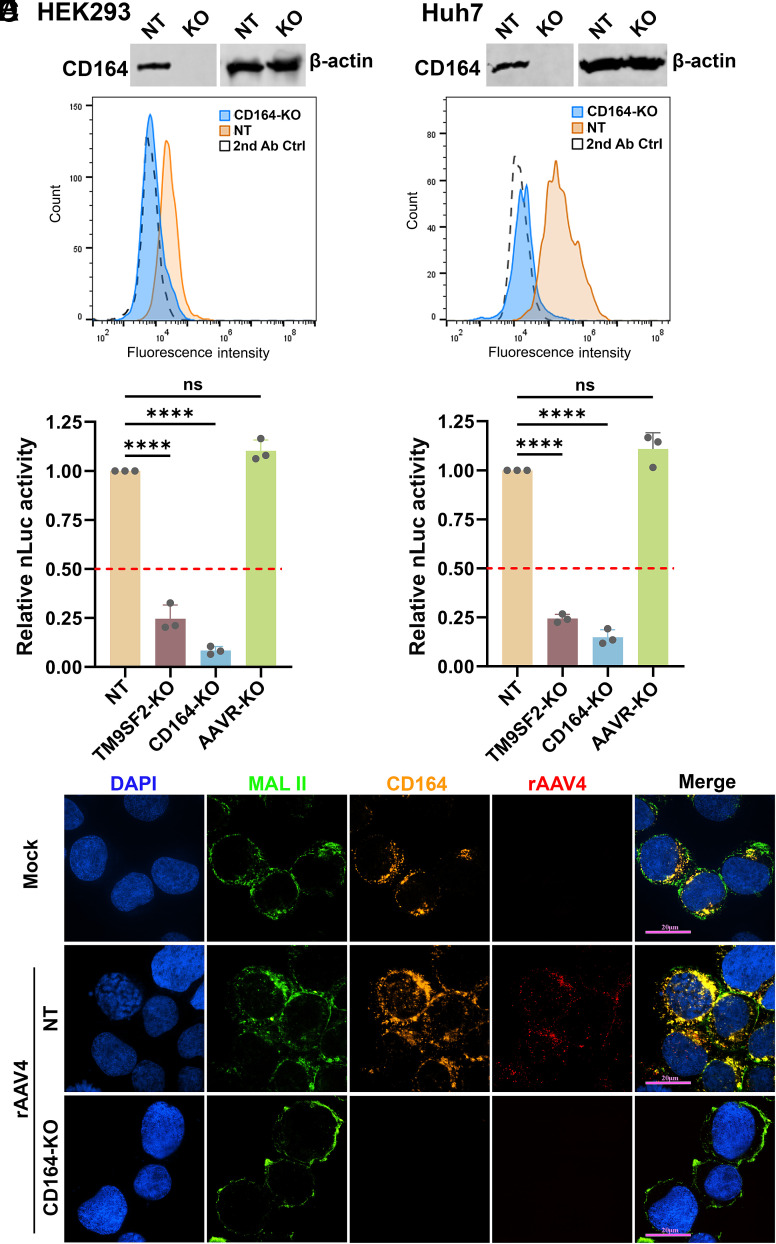 Figure 1
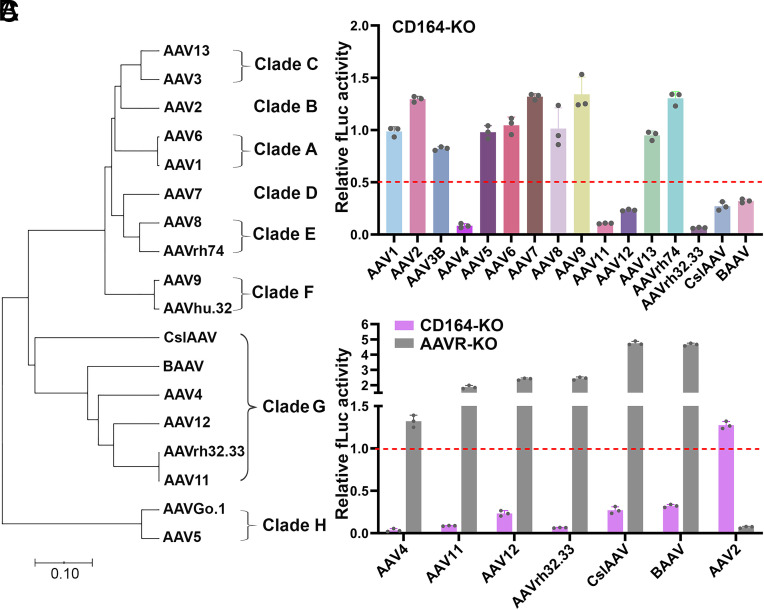 Figure 2
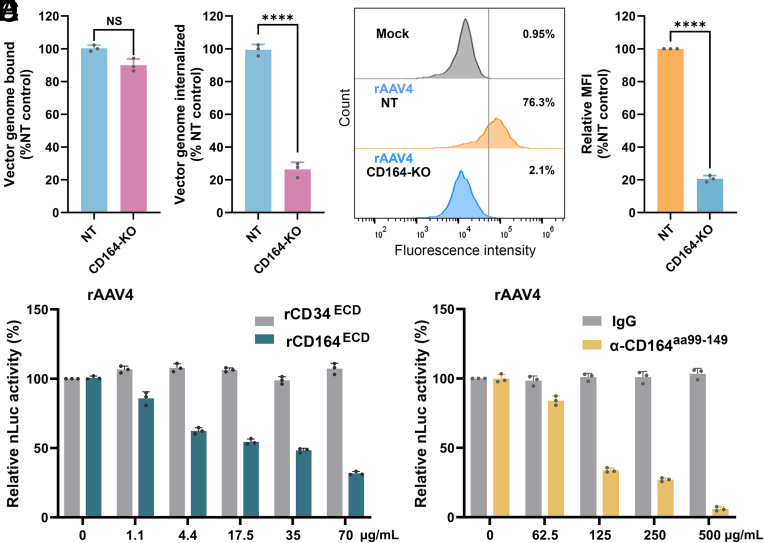 Figure 3
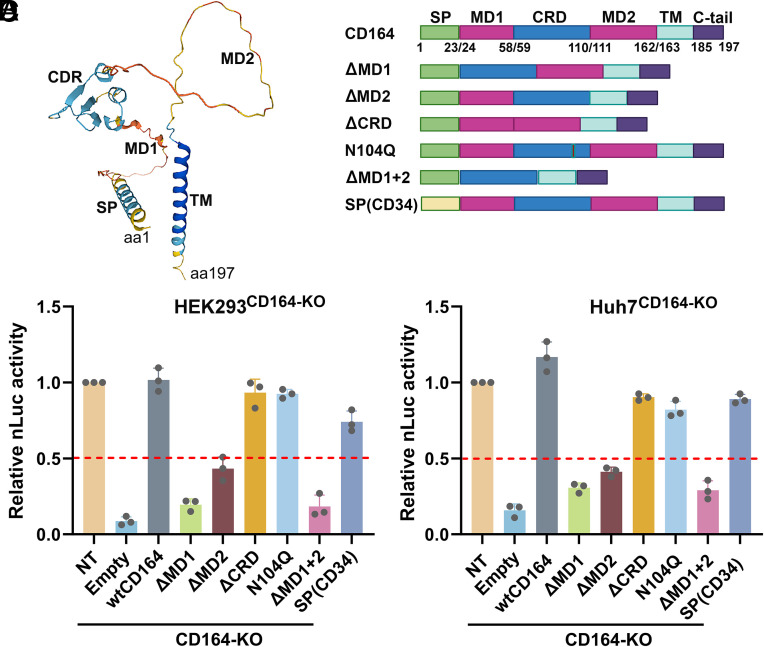 Figure 4
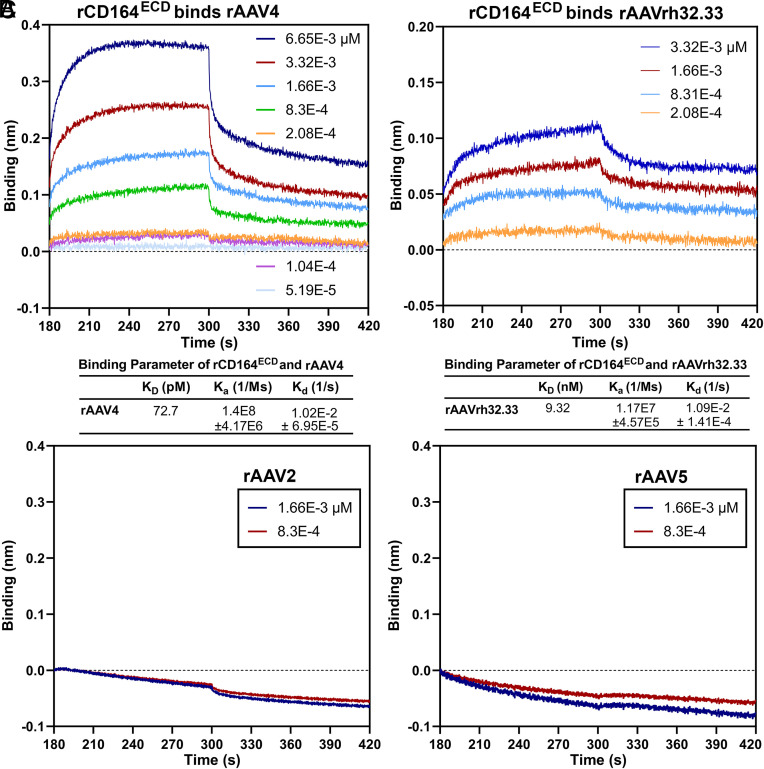 Figure 5
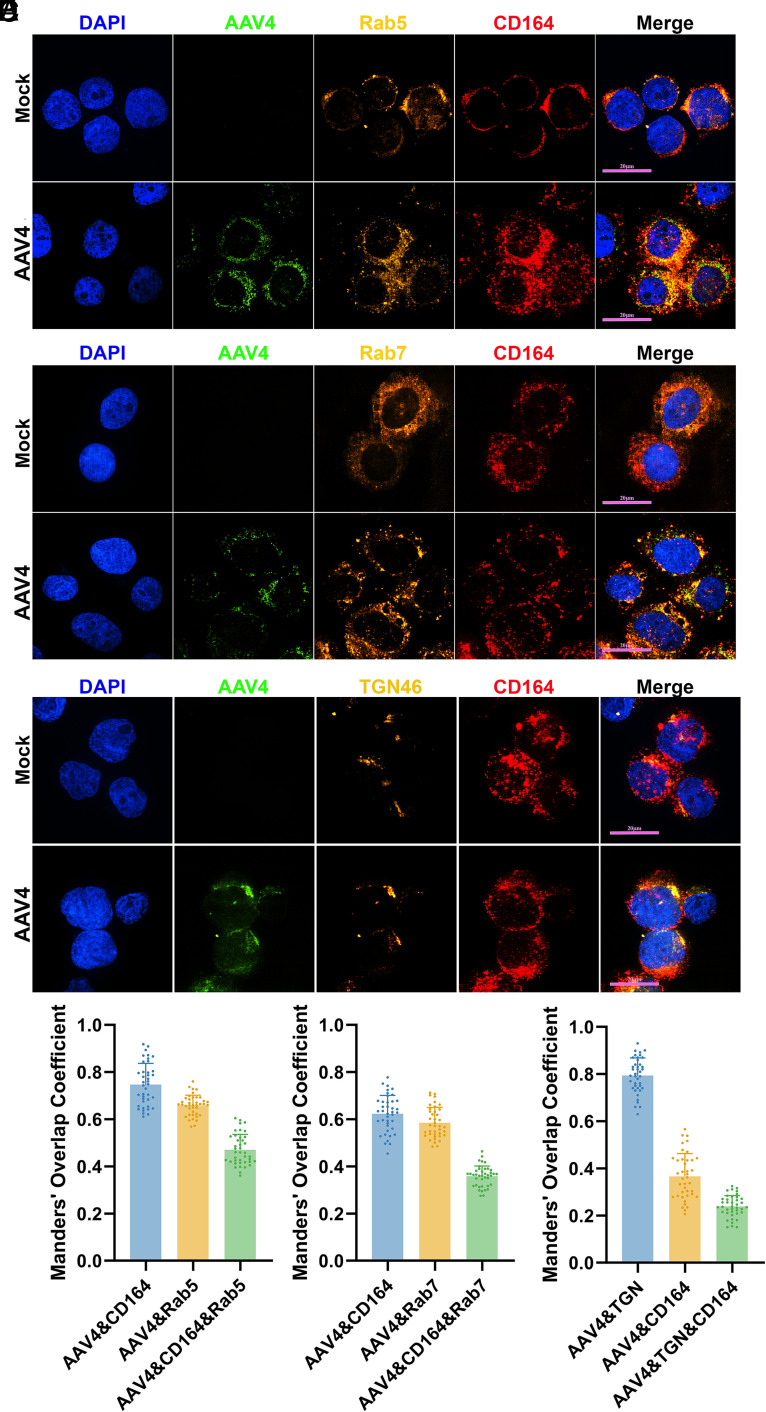 Figure 6
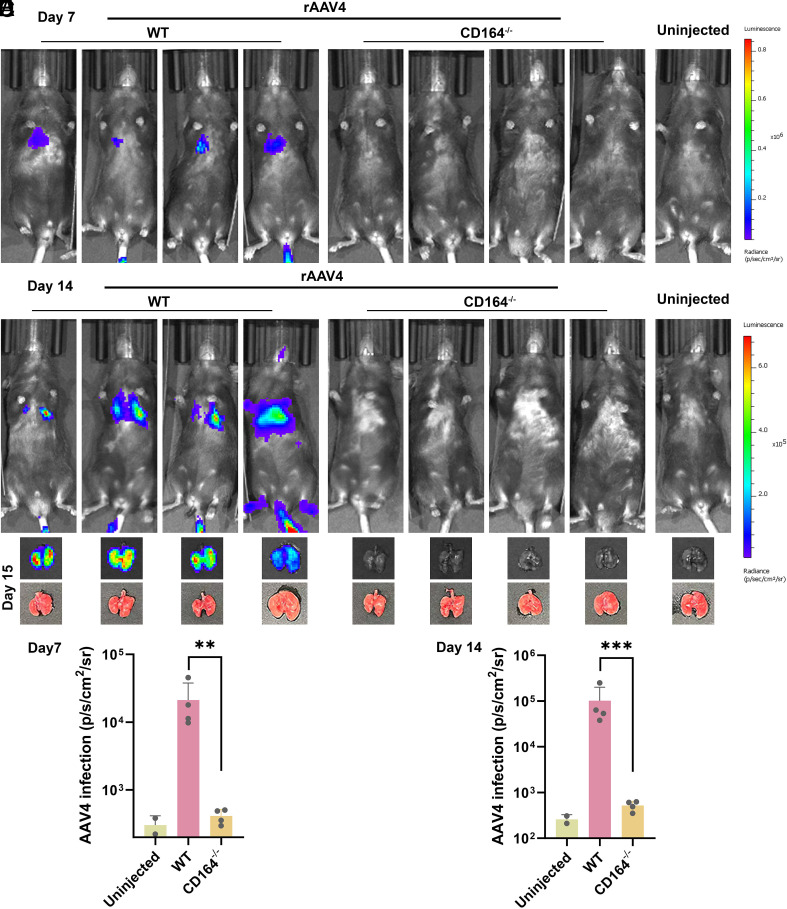 Figure 7
Peer Reviews
No public reviews on file for this paper yet. If you reviewed it on a platform where reviews are public (OpenReview, ICLR, NeurIPS, ICML), you can paste yours below so the community can read it here.
Videos
No videos yet. Explain this paper in a talk, walkthrough, or lecture? Add one.
Taxonomy
TopicsVirus-based gene therapy research · CRISPR and Genetic Engineering · RNA Interference and Gene Delivery