HES1 oscillations are required for cell cycle reentry in oestrogen receptor–positive breast cancer cells
Oliver Cottrell, Andrew Rowntree, Kunal Chopra, Eleanor Mackellar, Benjamin Noble, Hannah L. Dixon, Ciara Healy, Robert B. Clarke, Nancy Papalopulu

TL;DR
This study shows that HES1 protein oscillations control dormancy and reactivation in breast cancer cells, offering a new way to prevent cancer recurrence.
Contribution
The study reveals that HES1 oscillations are essential for cell cycle reentry in ER+ breast cancer cells.
Findings
HES1 oscillations change during dormancy and reactivation in ER+ breast cancer cells.
Disrupting HES1 oscillations prevents cell cycle reentry and induces cell death.
Maintaining HES1 levels during reentry upregulates p21 and impairs cell cycle progression.
Abstract
Breast cancer can recur years after initial treatment due to reactivation of dormant tumor cells. Understanding how these cells exit dormancy is crucial for preventing relapse. We investigated HES1, a transcription factor with rhythmic protein oscillations, and its role in regulating quiescence in estrogen receptor-positive (ER+) breast cancer cells. Using live-cell imaging and a reversible cell cycle arrest model, we show that HES1 dynamics change during dormancy and reactivation, and that disrupting these oscillations prevents cell cycle reentry and induces cell death. These findings reveal HES1 protein dynamics as a potential therapeutic vulnerability and highlight a promising strategy to target dormant cancer cells to prevent their reactivation. Long-term recurrence in breast cancer is driven by reactivation of dormant disseminated tumor cells (DTCs) and remains a major clinical…
Genes, proteins, chemicals, diseases, species, mutations and cell lines named across the full text — each resolved to its canonical identifier and authoritative record.
Click any figure to enlarge with its caption.
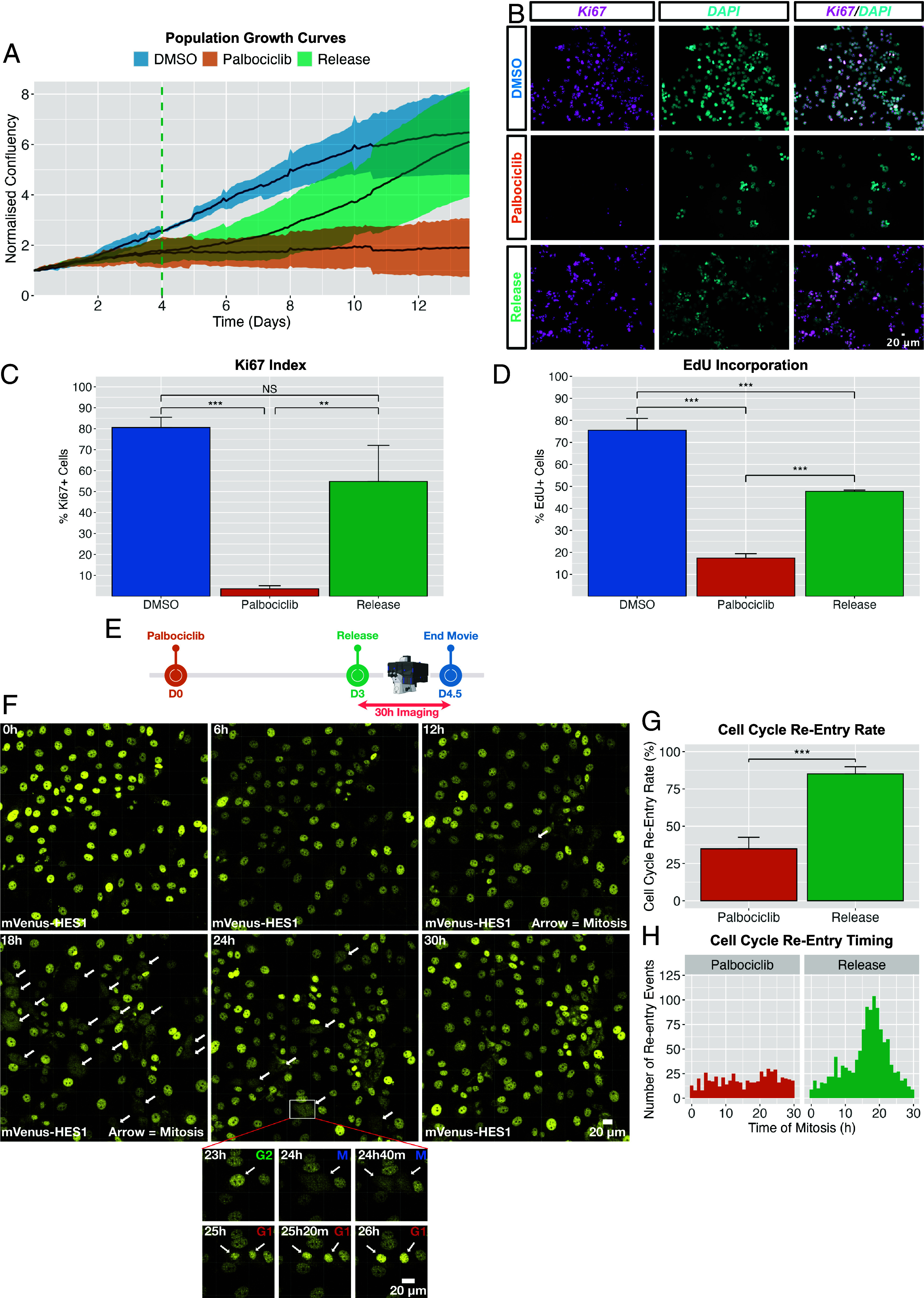 Figure 1
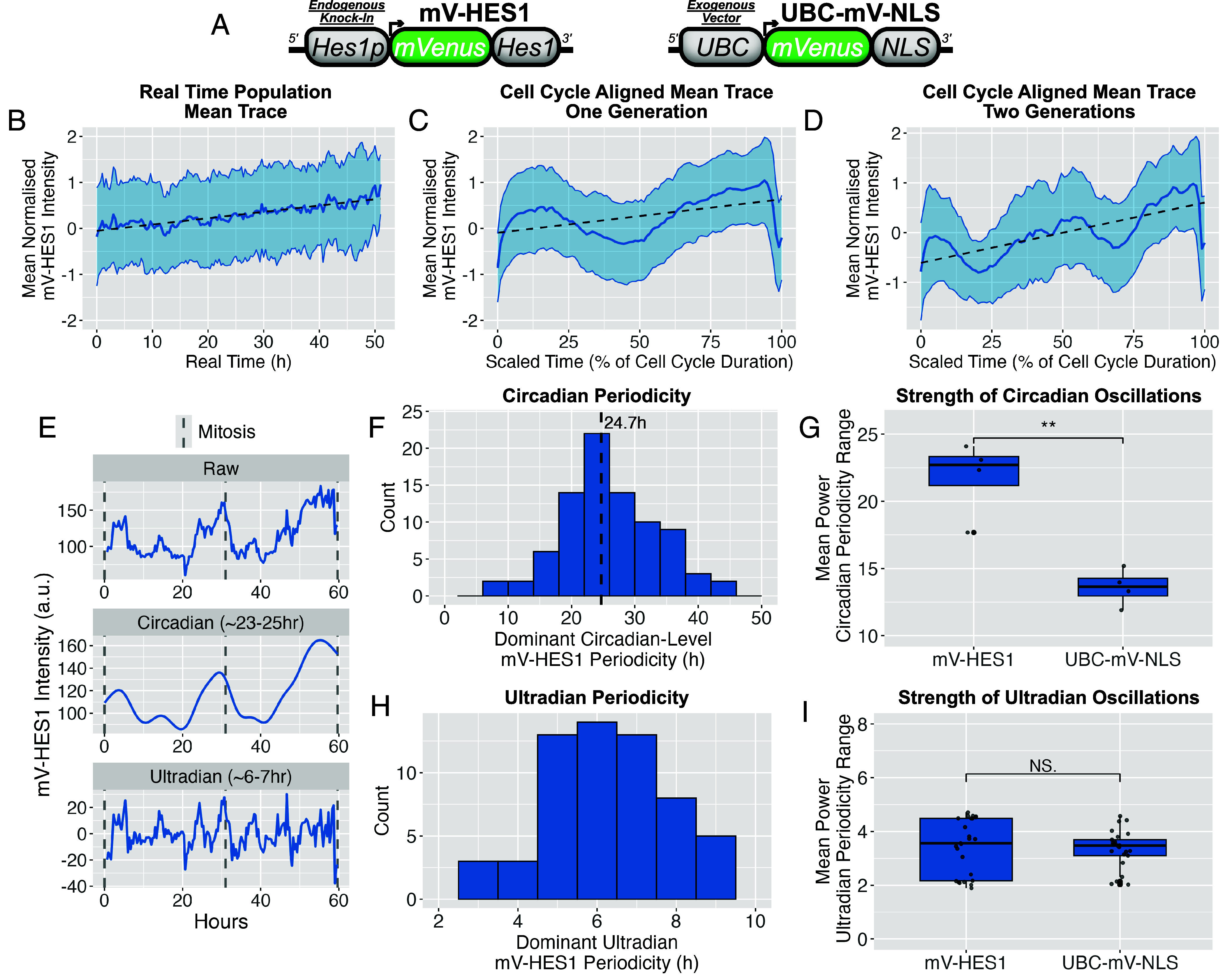 Figure 2
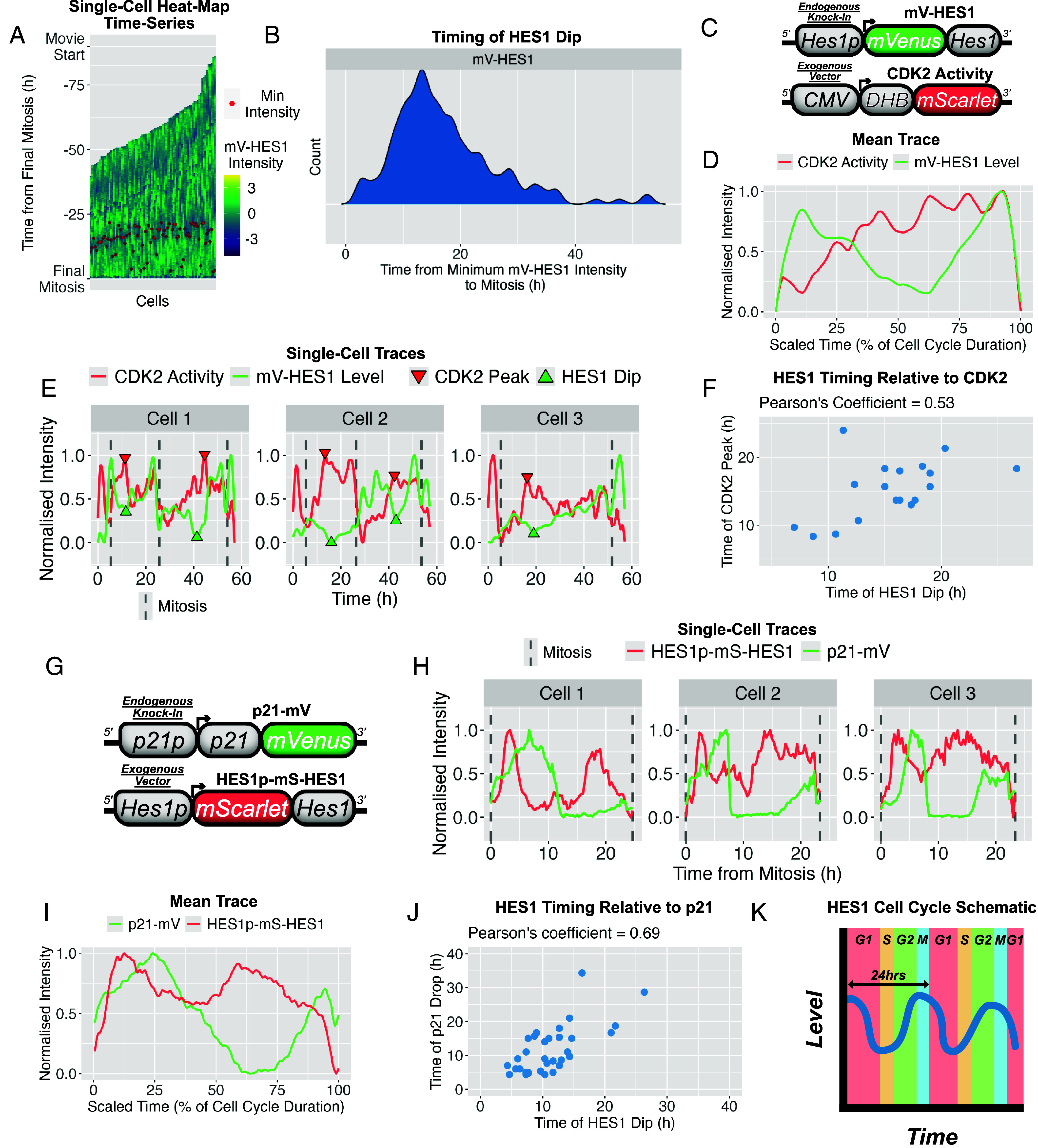 Figure 3
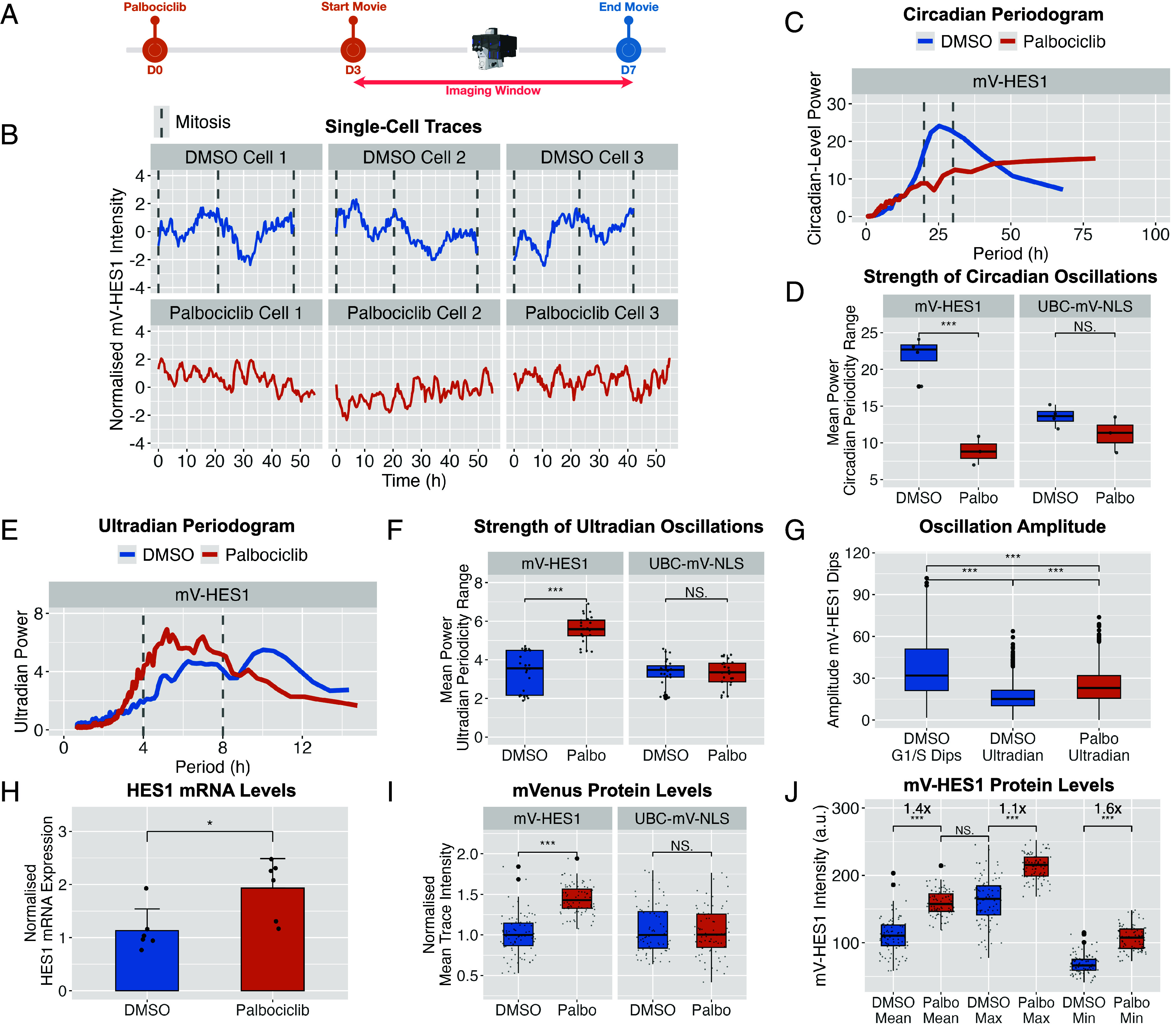 Figure 4
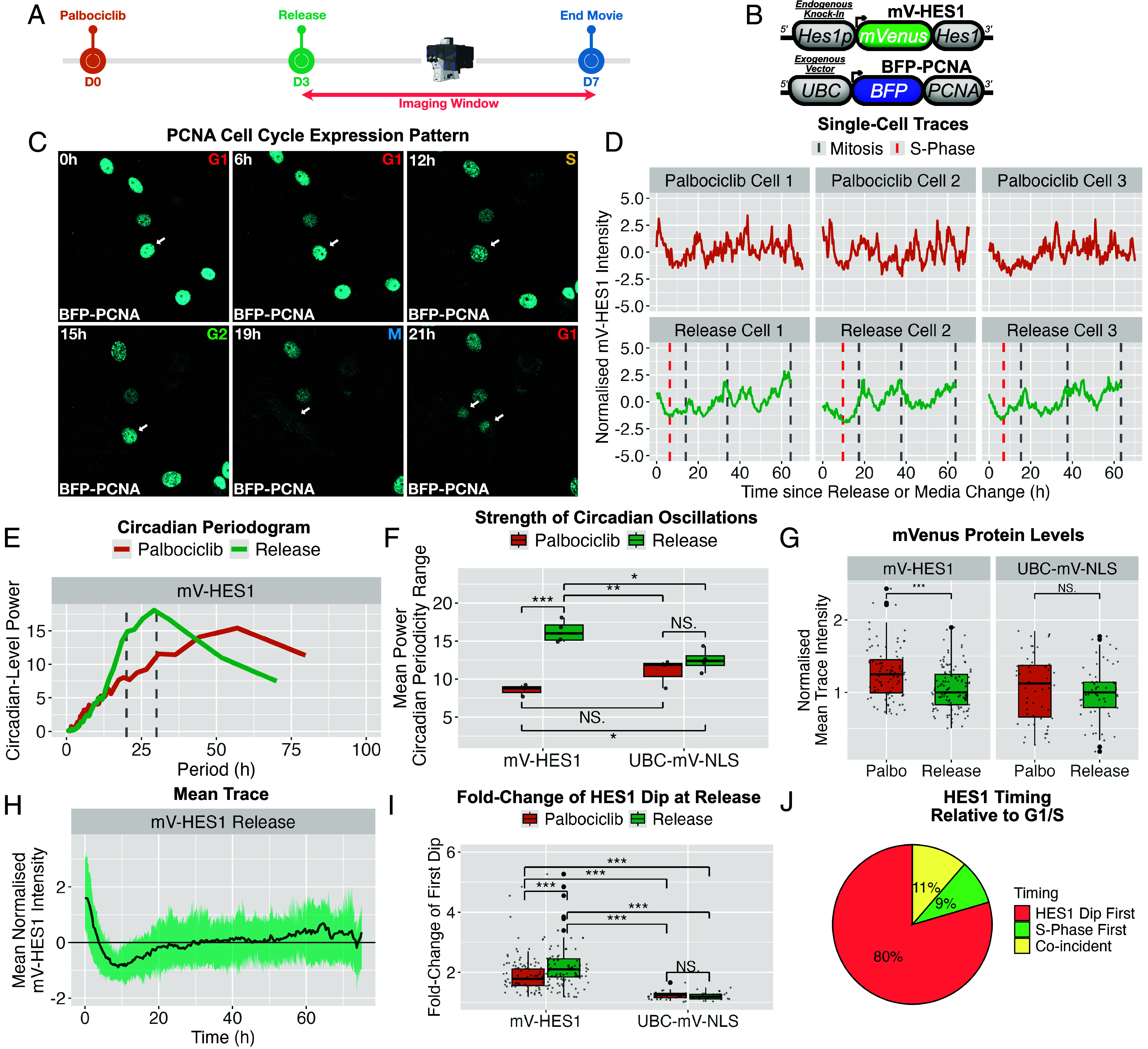 Figure 5
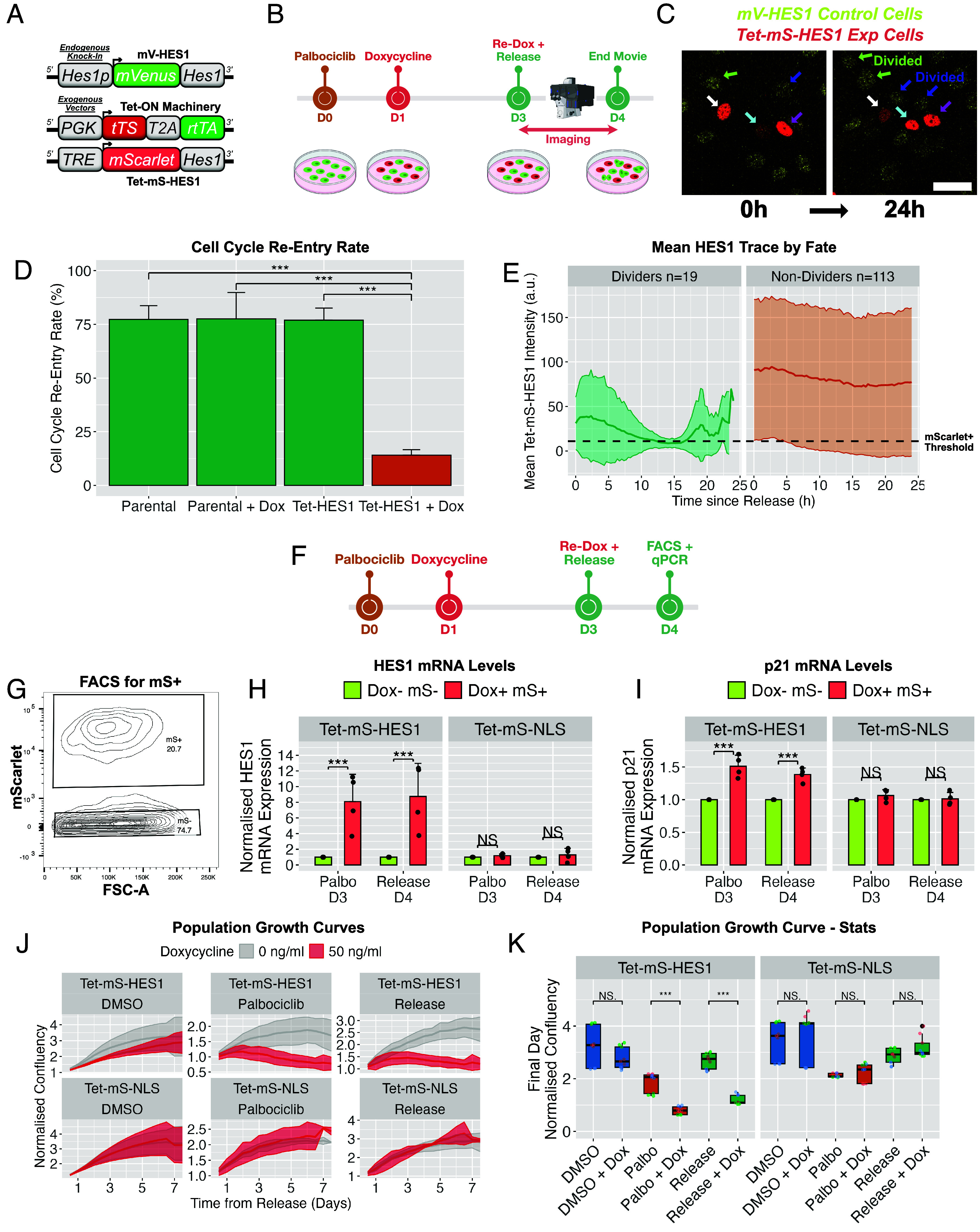 Figure 6
Peer Reviews
No public reviews on file for this paper yet. If you reviewed it on a platform where reviews are public (OpenReview, ICLR, NeurIPS, ICML), you can paste yours below so the community can read it here.
Videos
No videos yet. Explain this paper in a talk, walkthrough, or lecture? Add one.
Taxonomy
TopicsAdvanced Breast Cancer Therapies · Cancer-related Molecular Pathways · Microtubule and mitosis dynamics