Cyclover-Assisted Liquid-Phase Peptide Synthesis Using T3P® as a Green Coupling Reagent
Priyanka Kushwaha, Marvin Mantel, Peter Talbiersky, Yongfu Li, Anamika Sharma, Beatriz G. de la Torre, Fernando Albericio

TL;DR
This paper introduces Cyclover, a tag that improves green and efficient liquid-phase peptide synthesis using T3P®.
Contribution
Cyclover enables tunable, sustainable LPPS with T3P® in 2Me-THF, reducing PMI while maintaining yield and purity.
Findings
Cyclover reduces PMI by ∼2.7-fold in LPPS.
T3P® maintains high purity and isolated yield in peptide synthesis.
The method offers a greener route for complex peptides.
Abstract
Liquid-phase peptide synthesis (LPPS) continues to evolve toward more sustainable and efficient methodologies. In this study, we introduce Cyclover as a tag that enables efficient, tunable LPPS in 2Me-THF using propylphosphonic anhydride (T3P®) as a coupling reagent. The extraction protocol reduces the PMI ∼2.7-fold while maintaining high purity and isolated yield, offering a greener and versatile route to complex peptides
Genes, proteins, chemicals, diseases, species, mutations and cell lines named across the full text — each resolved to its canonical identifier and authoritative record.
Click any figure to enlarge with its caption.
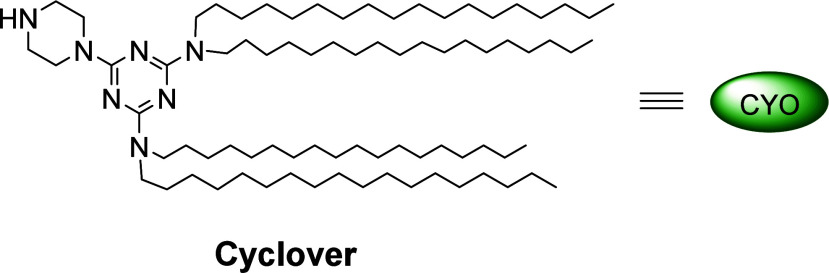 Figure 1
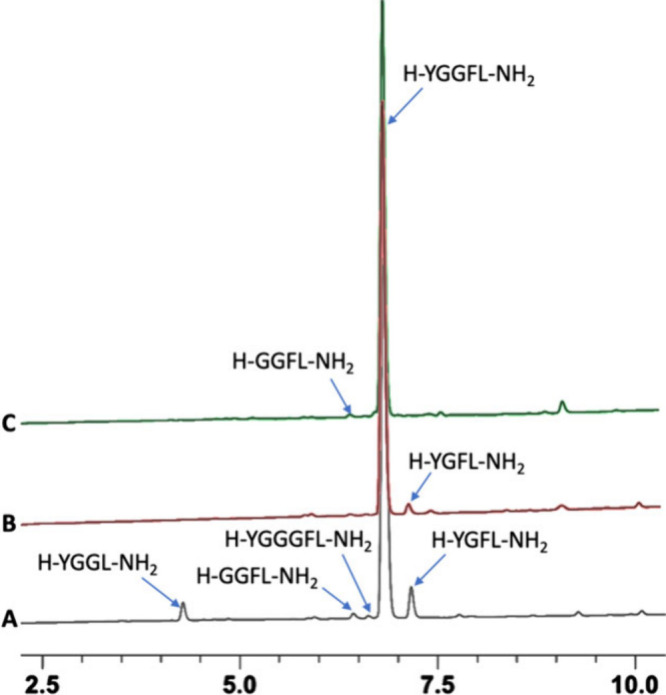 Figure 2
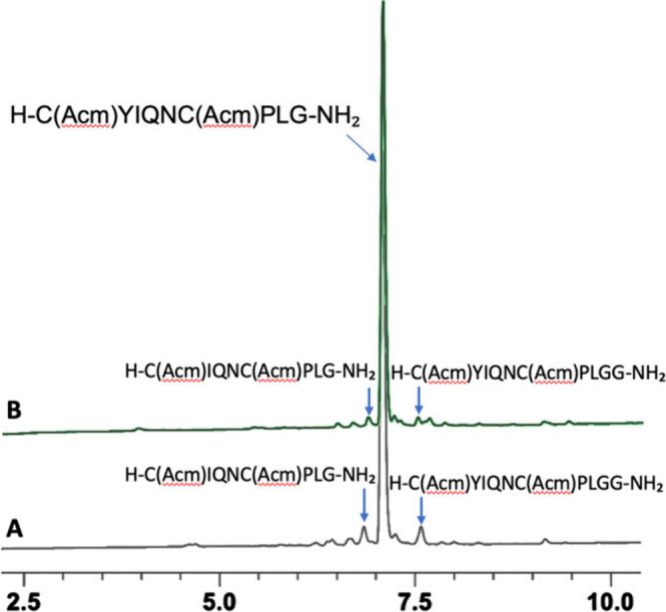 Figure 3
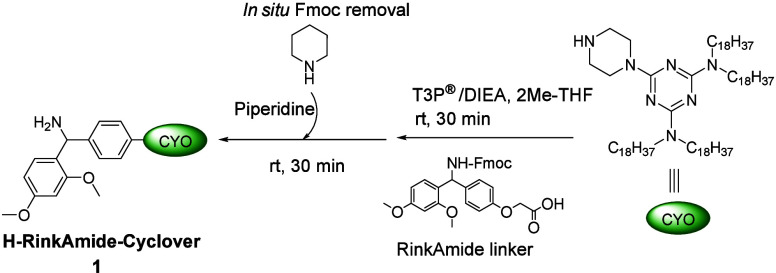 Figure 4
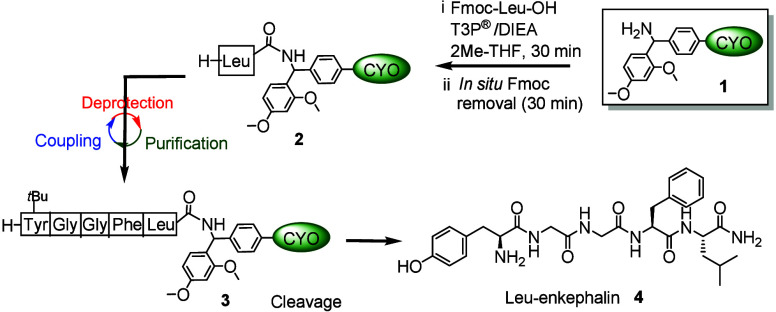 Figure 5
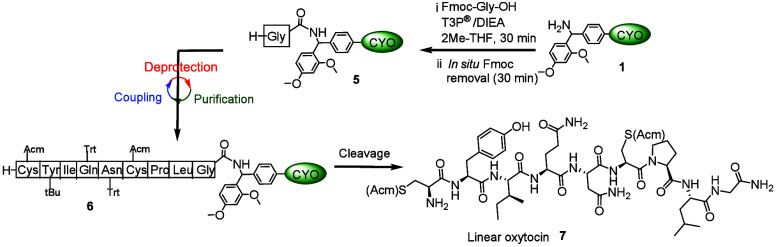 Figure 6
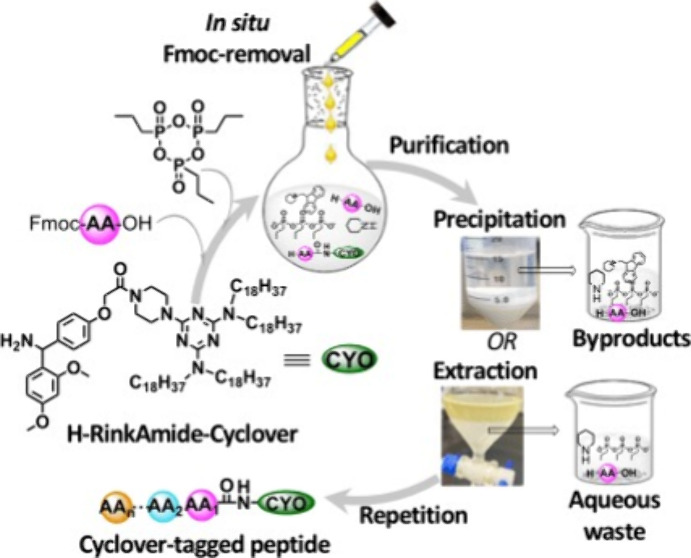 Figure 7
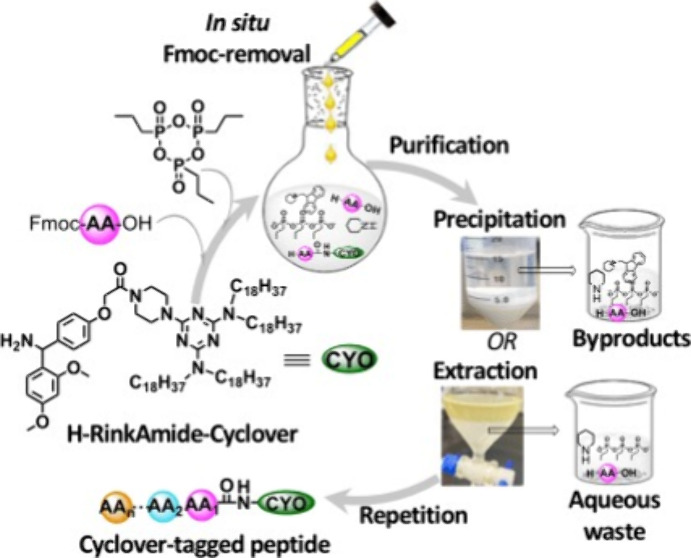 Figure 8
Peer Reviews
No public reviews on file for this paper yet. If you reviewed it on a platform where reviews are public (OpenReview, ICLR, NeurIPS, ICML), you can paste yours below so the community can read it here.
Videos
No videos yet. Explain this paper in a talk, walkthrough, or lecture? Add one.
Taxonomy
TopicsChemical Synthesis and Analysis · Biochemical and Structural Characterization · Click Chemistry and Applications