Grand Challenges and Opportunities in Stimulated Dynamic and Resonant Catalysis
Matteo Monai, Wiebke Albrecht, Achim Alkemper, Nongnuch Artrith, Andrea Baldi, Arik Beck, Ryan T. Berry, Ettore Bianco, Floor A. Brzesowsky, Qi Dong, Jimmy A. Faria Albanese, Renee R. Frontiera, Elaina Galvin, Erik C. Garnett, Nick Gerrits, Marek Grzelczak, Marc Herzog

TL;DR
This paper explores how dynamic and resonant catalysts can overcome traditional catalysis limits by using external stimuli to control reactions more efficiently.
Contribution
The paper introduces the novel concept of 'stimulando' characterization to study transient catalytic dynamics and proposes strategies to advance the field.
Findings
Dynamic and resonant catalysts can surpass traditional kinetic and thermodynamic limits in catalysis.
External stimuli like light and electric charge can alter catalyst surfaces and improve reaction control.
New characterization and modeling approaches are needed to fully realize the potential of dynamic catalysis.
Abstract
Traditional heterogeneous catalysis is constrained by kinetic and thermodynamic limits, such as the Sabatier principle and reaction equilibrium. Dynamic and resonant catalysts hold promise to overcome these limitations by actively oscillating a catalyst’s physical or electronic structure at the time scale of the catalytic cycle, allowing programmable control over reaction pathways, and leading to improved rate and selectivity. External stimuli such as temperature swing, mechanical strain, electric charge, and light can perturb catalyst surfaces in different ways, altering adsorbate coverage, binding energies, and transition states beyond what steady-state catalysis allows. This work surveys the current state of dynamic catalysis, introduces the concept of “stimulando” characterization for observing transient dynamics, and outlines key modeling, mechanistic, and benchmarking strategies…
Click any figure to enlarge with its caption.
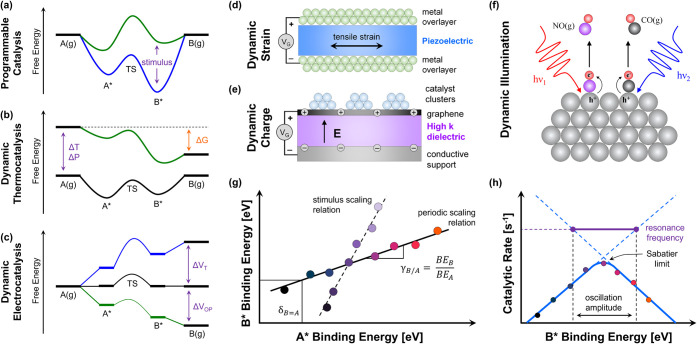 Figure 1
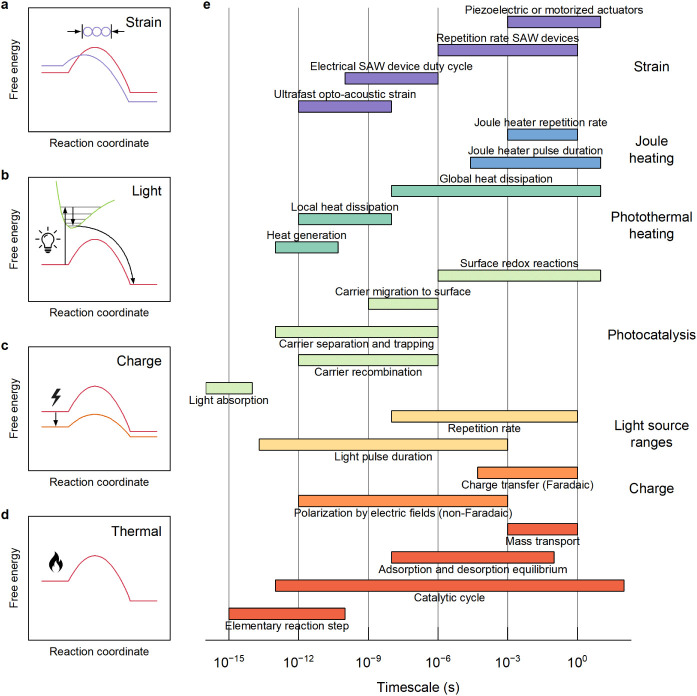 Figure 2
 Figure 3
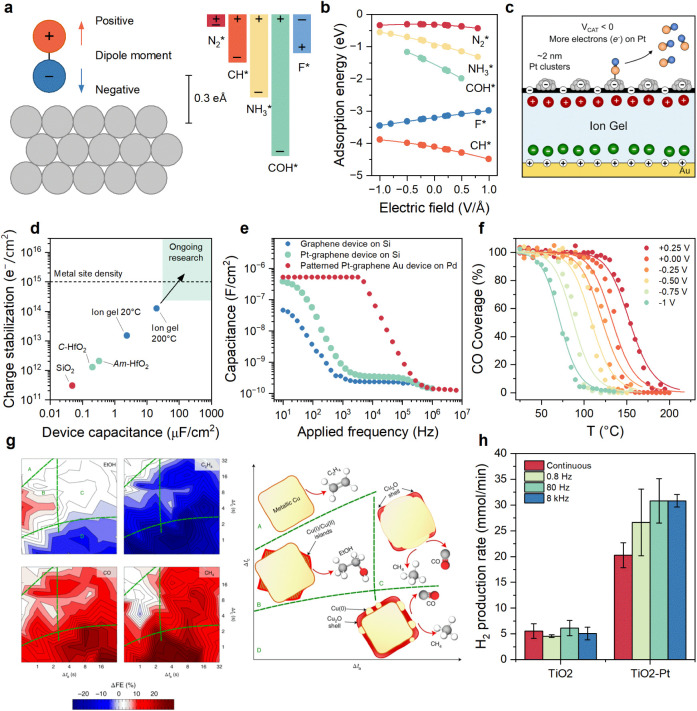 Figure 4
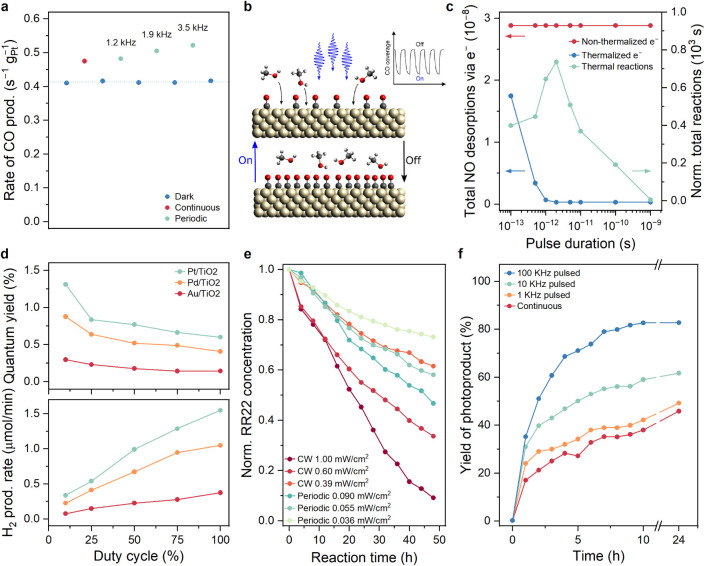 Figure 5
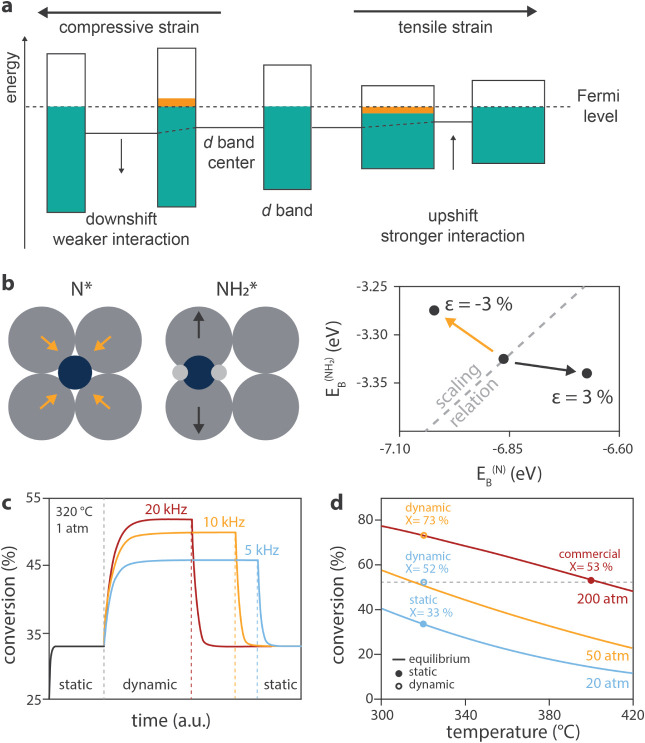 Figure 6
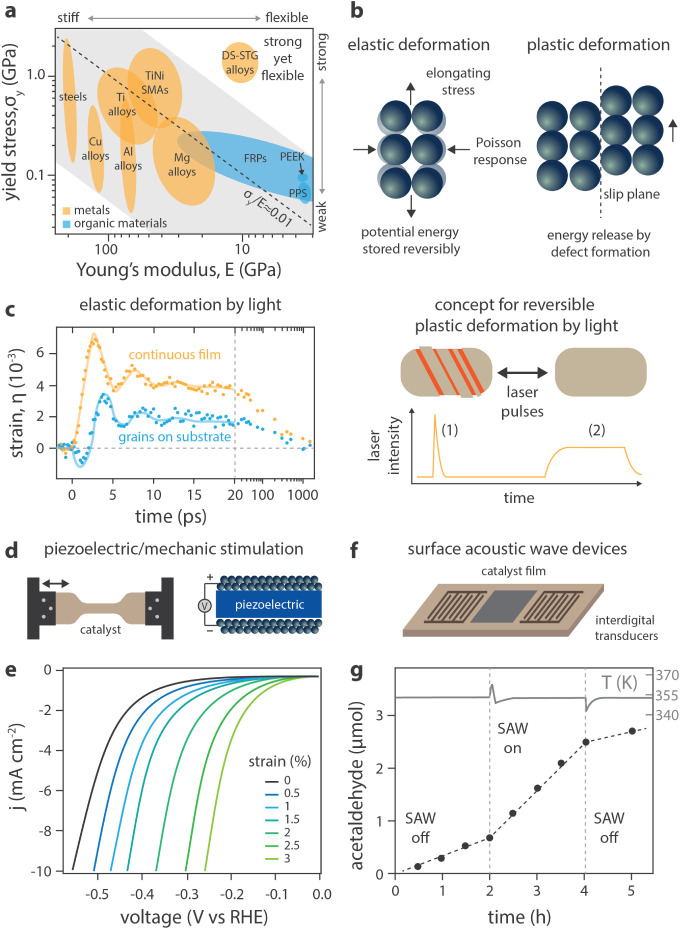 Figure 7
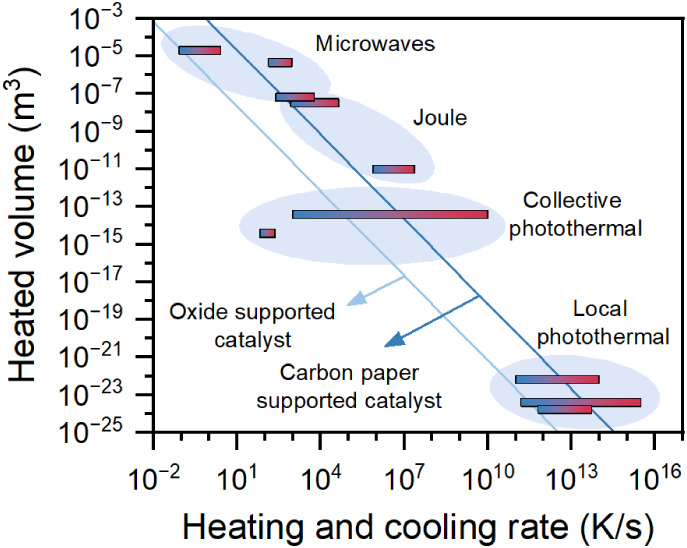 Figure 8
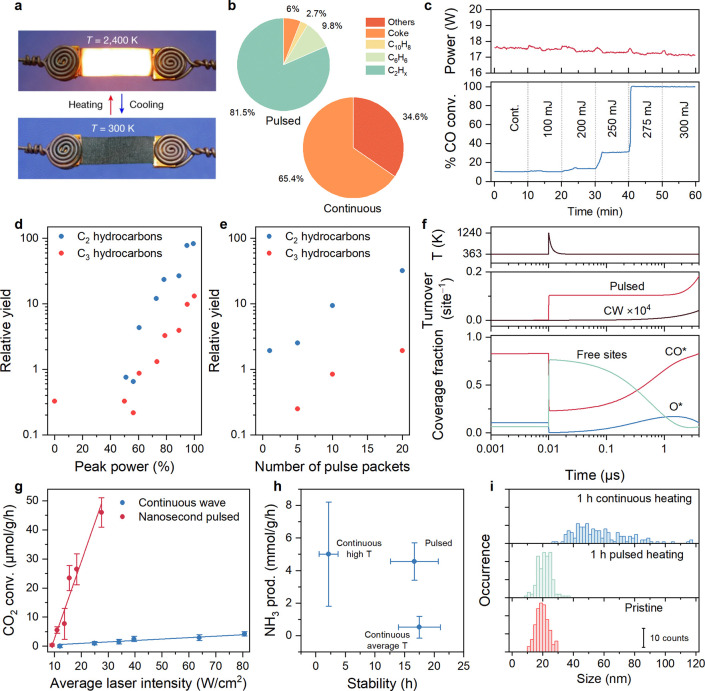 Figure 9
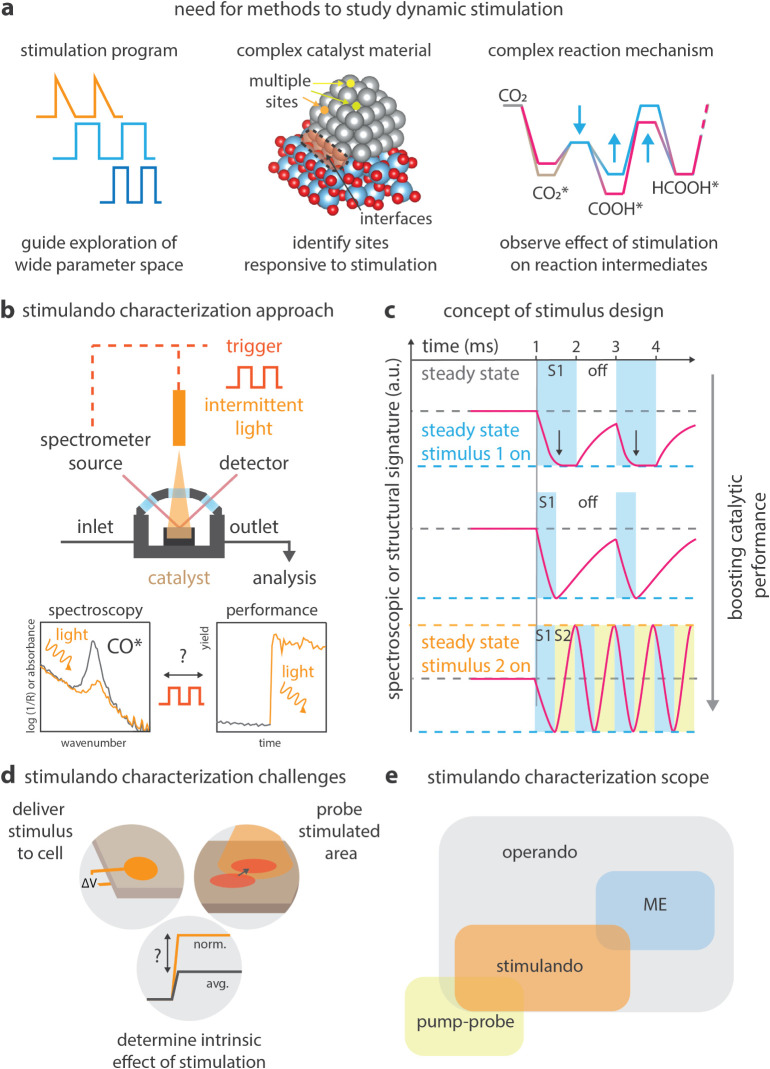 Figure 10
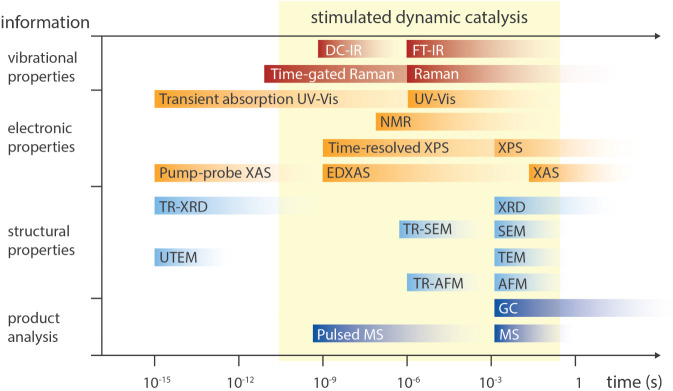 Figure 11
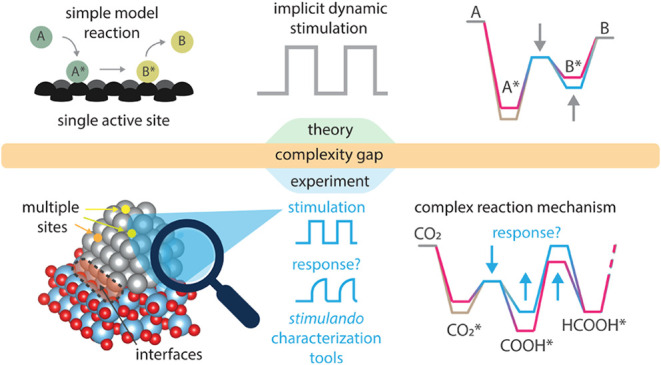 Figure 12
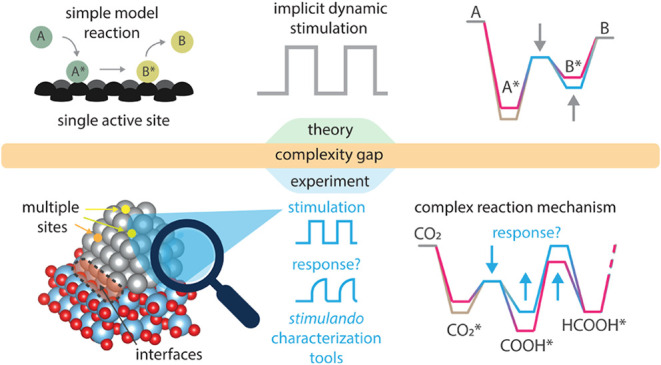 Figure 13
 Figure 14
 Figure 15
 Figure 16
 Figure 17
 Figure 18
 Figure 19
 Figure 20
 Figure 21
 Figure 22
 Figure 23
 Figure 24
 Figure 25
 Figure 26
 Figure 27
Peer Reviews
No public reviews on file for this paper yet. If you reviewed it on a platform where reviews are public (OpenReview, ICLR, NeurIPS, ICML), you can paste yours below so the community can read it here.
Videos
No videos yet. Explain this paper in a talk, walkthrough, or lecture? Add one.
Taxonomy
TopicsCatalytic Cross-Coupling Reactions · Asymmetric Hydrogenation and Catalysis · Zeolite Catalysis and Synthesis