Dataset of chloroplast DNA sequences, ndhC–trnV, rpoA, trnK–matK, and trnK–rps16 regions of Platycodon grandiflorus (Jacq.) A.DC. from Vietnam
Dung Manh Ngo, Luong Trong Vu, Hung Duc Nguyen, Thuy Thi Thu Vu, Mau Hoang Chu

TL;DR
This paper provides DNA sequences from four chloroplast regions of the medicinal plant Platycodon grandiflorus to help accurately identify it and avoid misidentification.
Contribution
The study introduces four chloroplast DNA regions as potential DNA barcodes for reliable identification of Platycodon grandiflorus.
Findings
Phylogenetic analysis shows P. grandiflorus clusters within the Campanulaceae family with high bootstrap support.
Four chloroplast regions (ndhC–trnV, rpoA, trnK–matK, trnK–rps16) are proposed as effective DNA barcodes for species identification.
The dataset supports accurate identification and differentiation of P. grandiflorus from related species.
Abstract
Platycodon grandiflorus (Jacq.) A.DC., a member of the Campanulaceae family, is a well-known medicinal herb traditionally used to relieve coughs, promote expectoration, reduce inflammation, and protect the respiratory system. In recent years, numerous commercial products containing Platycodon extracts have been introduced to the market. However, during processing and distribution, the morphological and anatomical features of the raw material are often lost or altered, increasing the risk of misidentification or adulteration with morphologically similar species, thereby compromising product quality and therapeutic efficacy. Therefore, the application of DNA barcode markers is essential for accurate species identification and quality control of raw materials. This study presents a dataset of P. grandiflorus samples collected from natural populations and analyzes four chloroplast DNA…
Genes, proteins, chemicals, diseases, species, mutations and cell lines named across the full text — each resolved to its canonical identifier and authoritative record.
Click any figure to enlarge with its caption.
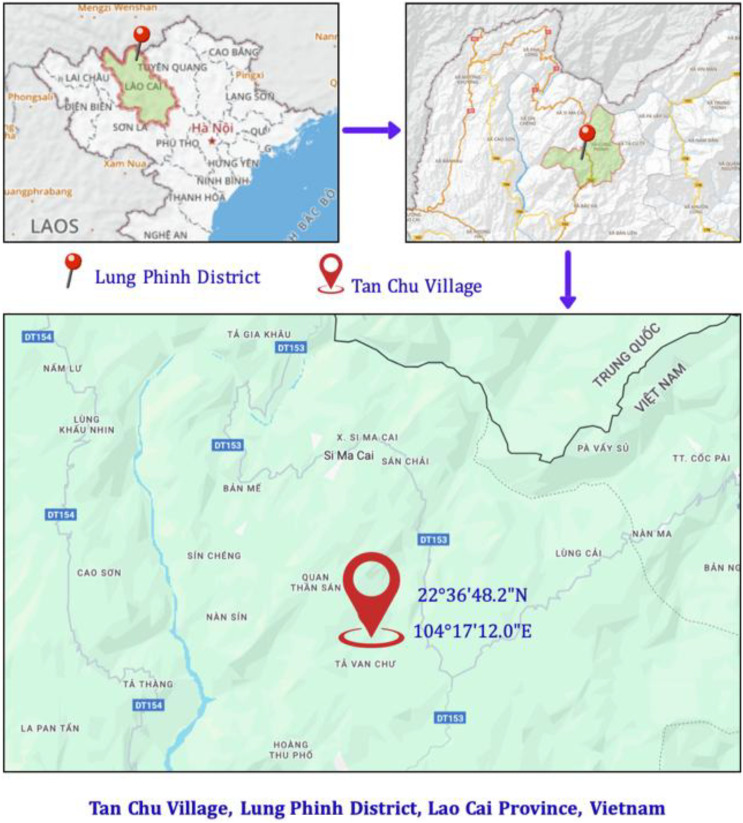 Figure 1
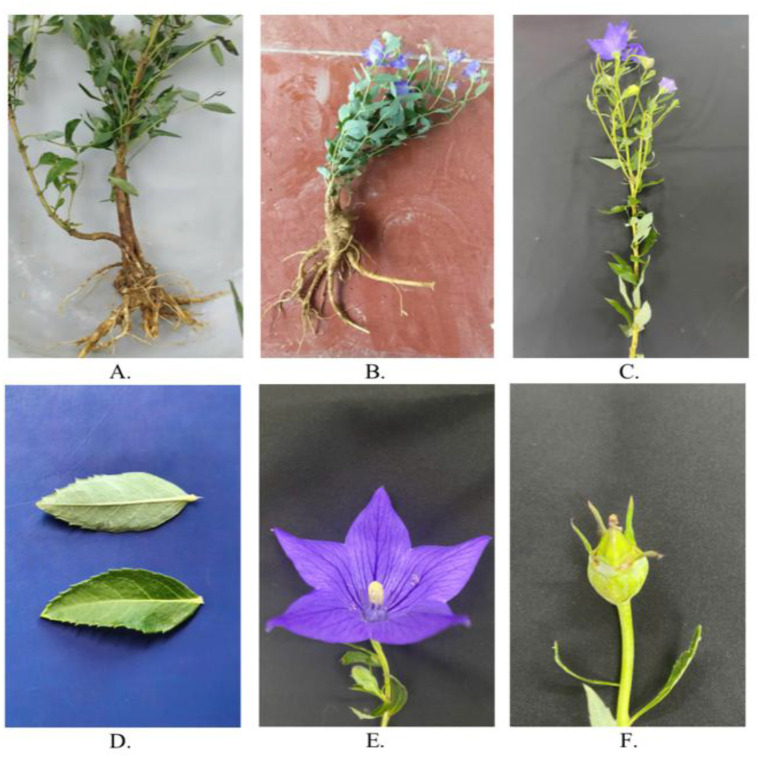 Figure 2
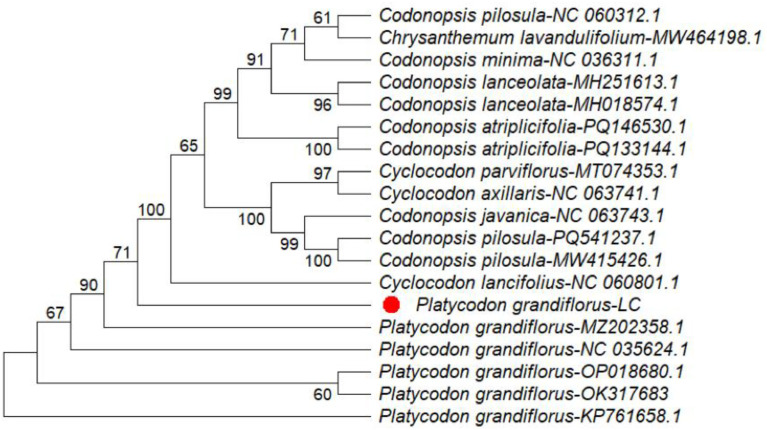 Figure 3
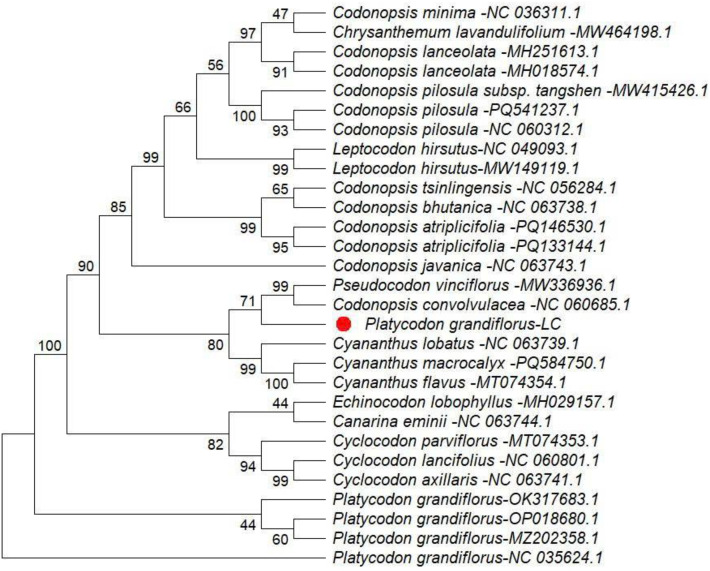 Figure 4
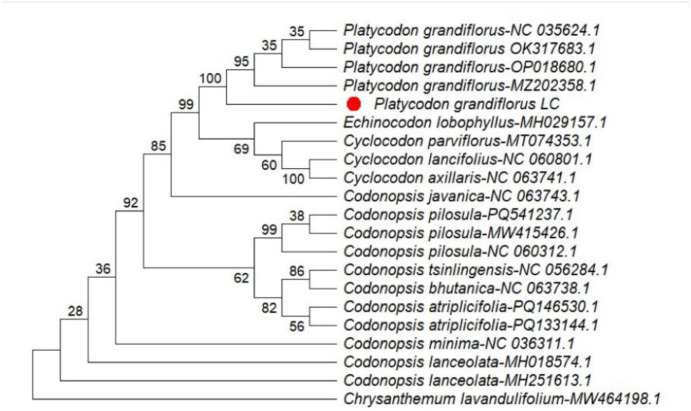 Figure 5
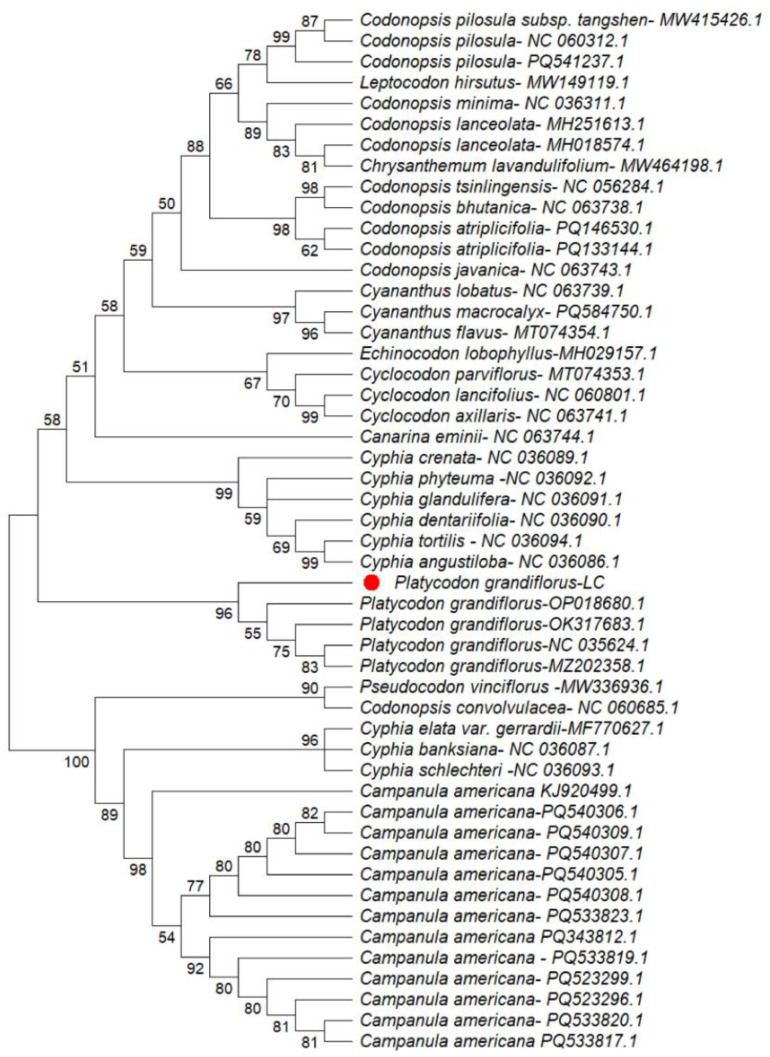 Figure 6
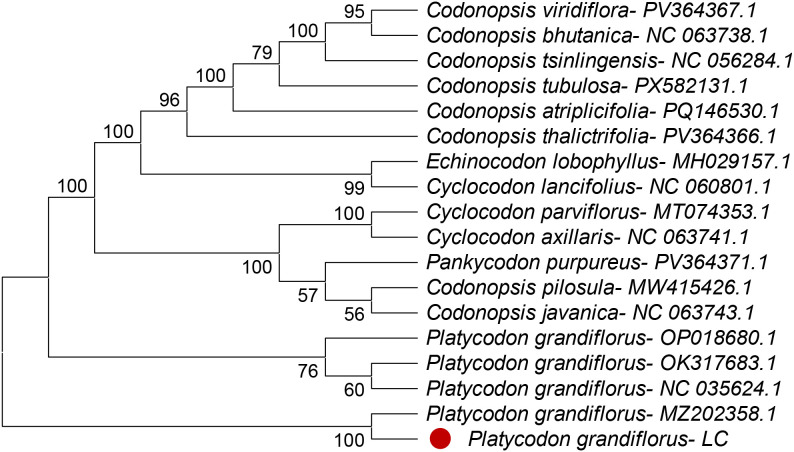 Figure 7
Peer Reviews
No public reviews on file for this paper yet. If you reviewed it on a platform where reviews are public (OpenReview, ICLR, NeurIPS, ICML), you can paste yours below so the community can read it here.
Videos
No videos yet. Explain this paper in a talk, walkthrough, or lecture? Add one.
Taxonomy
TopicsPlant Diversity and Evolution · Genomics and Phylogenetic Studies · Genetic diversity and population structure
Specifications TableSubjectBiological SciencesSpecific subject areaBiotechnology, Genetics diversity, Molecular Phylogenetics, EvolutionType of dataRaw, sequence data, tables, figures, text filesData collectionNucleotide sequence data of DNA regions were sequenced using an ABI 3130xL 16 capillary sequencer.Data source locationDepartment of Genetics & Biotechnology, Faculty of Biology, Thai Nguyen University of Education, VietnamData accessibilityRepository name: Mendeley DataData identification number: 10.17632/p6kwdkkj3v.1Direct URL to data: https://data.mendeley.com/datasets/p6kwdkkj3v/1
Value of the Data
1
- •Platycodon grandiflorus (Jacq.) A.DC., belonging to the Campanulaceae family, is a traditional medicinal herb widely used to treat coughs, promote expectoration, alleviate inflammation, and support respiratory health. It contains diverse bioactive compounds with notable therapeutic potential.
- •The dataset includes intergenic spacer sequences from four chloroplast DNA regions (ndhC–trnV, rpoA, trnK–matK, and trnK–rps16), analyzed to develop reliable molecular markers for precise species identification, particularly useful when plant materials are processed or in powdered form.
- •The primer pairs Pla-ndhCV-F/Pla-ndhCV-R, Pla-rpoA-F/Pla-rpoA-R, Pla-trnK-matK-F/Pla-trnK-matK-R, and Pla-trnK-rps16-F/Pla-trnK-rps16-R effectively amplify chloroplast regions, ndhC–trnV, rpoA, trnK–matK, and trnK–rps16. It can be applied to species within the Strobilanthes genus (Acanthaceae) and other higher plants.
- •Phylogenetic and evolutionary analyses based on these intergenic spacer regions provide valuable information on genetic relationships and evolutionary divergence within the Platycodon genus.
Background
2
Platycodon grandiflorus (Jacq.) A.DC., a member of the Campanulaceae family, is a traditional medicinal herb widely used in Vietnamese medicine to treat respiratory disorders [1]. Precise identification of this species is crucial to ensure the efficacy and safety of its therapeutic use.
Chloroplast DNA (cpDNA) is a circular, double-stranded molecule containing multiple gene regions that vary in their degree of conservation and sequence divergence [2]. Variations in nucleotide composition among these regions reflect genetic relationships or differentiation among plant taxa. Therefore, highly variable cpDNA regions are often utilized in phylogenetic analyses and serve as valuable molecular markers (DNA barcodes) for accurate species identification.
The complete chloroplast genome of P. grandiflorus has been sequenced and is available in GenBank under accession number NC_035624.1 [3]. To clarify phylogenetic placement and support reliable species identification, three intergenic spacer regions (ndhC–trnV, trnK–matK, trnK–rps16) and the rpoA gene of P. grandiflorus were analyzed.
Data Description
3
Platycodon grandiflorus (Jacq.) A.DC., belonging to the Campanulaceae family, is a familiar medicinal plant with effects such as cough treatment, expectorant action, anti-inflammatory properties, and protection of the respiratory system. In this study, samples were collected in Tan Chu village, Lung Phinh commune, Lao Cai province, Vietnam (22°36′48.2″N 104°17′12.0″ E) (Fig. 1).Fig. 1. Map showing the sampling location of Platycodon grandiflorum (Jacq.) A.DC. in Tan Chu village, Lung Phinh commune, Lao Cai province, Vietnam (22°36′48.2″N 104°17′12.0″E).Fig 1 dummy alt text
P. grandiflorus is a perennial herb reaching 45–90 cm in height, with smooth and sparsely branched stems. Its cylindrical roots, 5–25 cm long, range in color from light yellow to brown and display prominent longitudinal wrinkles. Leaves are opposite or alternate, with serrated margins, dark green adaxial surfaces, and a whitish powdery coating on the abaxial side. The plant produces solitary, bell-shaped violet flowers with a five-lobed green calyx and develops inverted-ovoid capsules containing numerous small brown seeds (Fig. 2).Fig. 2. Morphological characteristics of Platycodon grandiflorus (Jacq.) A.DC was collected from Tan Chu village, Lung Phinh district, Lao Cai province, Viet Nam (22°36′48.2″N 104°17′12.0″E). A. Whole plant; B. Flowering plant; C. Flowering branch; D. Upper and lower surfaces of the leaf; E. Flower; F. Fruit.Fig 2 dummy alt text
The complete chloroplast genome of P. grandiflorus (171,818 bp) has been sequenced and deposited in GenBank under accession number NC_035624.1 [3]. Nucleotide diversity (Pi) analysis identified three intergenic spacer regions, ndhC–trnV, trnK–matK, and trnK–rps16, and the rpoA gene as suitable targets for PCR primer design (Table 1). These regions were successfully amplified using the primer pairs Pla-ndhCV-F/Pla-ndhCV-R, Pla-rpoA-F/Pla-rpoA-R, Pla-trnK-matK-F/Pla-trnK-matK-R, and Pla-trnK-rps16-F/Pla-trnK-rps16-R. Sequencing results confirmed fragment lengths of 829 bp (ndhC–trnV), 993 bp (rpoA), 751 bp (trnK–matK), and 690 bp (trnK–rps16). The chloroplast DNA sequences (ndhC–trnV, rpoA, trnK–matK, and trnK–rps16) have been submitted to GenBank and were assigned access numbers by GenBank as follows: PX584285, PX584287, PX584286, and PX584284. The nucleotide sequences of trnE-trnT, psbK-psbI, ycf1, and matK are available on Mendeley Data [4] and they are presented in Table 2.Table 1. Primer sequences were designed and used to amplify the ndhC-trnV, rpoA, trnK-matK and trnK-rps16 regions of Platycodon grandiflorus.Table 1 dummy alt textNo.Primers namePrimer sequences (5′- 3′)Product size (bp)Ta (°C)1Pla-ndhCV-FTAACTTTTTAGTTTAAGCAAGGA81743Pla-ndhCV-RAGAGCTCTATAAATGCAAAAATAC2Pla-rpoA-FATGGTTCGAGAAAAAGTAAGA101642Pla-rpoA-RTTAAACCTTATTTTTCGGTAAATC3Pla-trnK-matK-FTTTAAGTCTATTTGAACCAAAGGTC101644Pla-trnK-matK-RGGGTTGCTAACTCAACGGTAG4Pla-trnK-rps16-FCAGGATCAGTCGTGGTCTTC71144Pla-trnK-rps16-RTTATAGAATTGTTGCGATTGATGTTable 2Sequence characteristics of four intergenic spacer regions of Platycodon grandiflorus chloroplast genome.Table 2 dummy alt textIntergenic spacer regionsSequence length (bp)SequencendhC-trnV829TAACTTTTTAGTTTAAGCAAGGATTGATTTTGCTCGAACCGTCTAGTTTACTTTGTTTACTCTAGGGCATGTCTTGTTTCAAGATTCATCAACGGAAATCCTATTTCCATTACATATATTTCCATTTGTTGTTATAGTTAGTATAACTAACTATTGCTCTTATCCAAATTTTCTTCTTTTTATCTCAGTCTCACCTAGGATTTTATCTAAAAAAGGGAATTCTAAAGAAAATTCTCATTTTTTGTTTAGAATTTATAATAATCAAATAAAGAGAAAATTTGAAATTCTTAGAAATTGATTGAAATTTAAATATAGTTTTCGTTTGCTTATTATTATTGTTATTATATAGATTTCACAATCTACTCGGGAGGTCTTTTTGTCTATTTTTCTTAGTGATTTACCATAGAGTAAGGAGTCATATGGAAGAGAATGGATAGAAATTTTCATCTCAAGATTTTGAATATTGGTGTGGGTATATTTATTTTAGTATTCGATTCTTCGTAGAATTATTAGAATCTAATTCATGGGGTAGGACTTTATATTCAAAAAATATGTAAAGAGAAGACTACCTTTGCTAGGTTTAGGTACAGGGATCCGACGAAAATCCTAGTTTTTTTATTTACAATGTTTAGAATGAAAGTTATCAAAGATATTCATCTTTCAAAGTTTAGCTTGTACACAAATACAGCCGGTCATTACTATACCCACAGTACTATTAGATTCGATTGGGGTTAGGTTAACTTGGAGTTTTTAAAGGGACTCGTGTTATAATTTTGACTTCCAAAATTCACTAGTATTTTTGCATTTATAGAGCTCTrpoA993TAGAGTATTTACTCGGACACTGTGGAAGTGTTTGGAATCAAGAGCAGACAGTAAACGTCTTTATTATGGACGCTTTATTCTGTCTCCACTTATGAAAGGTCAAGCGGACACAATAGGCATTGCGATGCGACGAGCTTTACTTGGAGAAATAGAAGGGACATGTATCACACGCGCAAAATCTGAGAAAATACCACACGAATATTCTACCATAGTTGGTATTCAAGAATCAGTACATGAAATTTTATTGAATTTGCAAGAAATTGTAGTGAGAAGTCATCTATATGGAACTTGTGAGGCAGCCGTTTGTGCTAAGGGCCCCGGATATGTAACCGCTCAAGATATCATCGCGCCGCATTTTCTCAAAATCATTGATAATACACAGCATATAGCTACCTTGACAGAACCAATTGACTTGTGTATTTTTTTACAAATCGAAAGGAGTCATGGATGTGGATATCGTACAACAGAAAAGAGGATTATAGATGGAAGTTATCCTATAGGGGATGTATTAATGCCTGTTCGAAATGTGAATCATAGTATTCATTYTTATGGGACTGGAAATAAGAAACAAGAGATACTCTTTCTTGAAATCTGGACAAATGGAAGTTTGACTCCCAAAGAAGCACTTCGTGAAGCCACTCAGAATTTGATTGATTTGTTTATTCCCTTTTTATATACAGAAGAAGAAAACTTCCATTTAGAGGACAATCAACATATGGTTCCTYTACGCCCCTCTACCCTTCCTGATCCATTTGTCAAAATAACAAAAAACAAAAAAAAAATAGCATTGAAATCGATTTTTATTGACCAATCAGAATTACCACCCAGAGTCTATAATTGCCTTAAAAGTAATGATATAGATACATTATCAGACCTTTTGAATAACAGTCAAGAAGATCTTATGCAAATGGAACACTTTCGCGTAGAAGATGTCAAAAAGATAGTAGACATTCTCAAAAATAATTTCGGGATTGATTACGtrnK-matK751GACCAAAGGTCGAGGATTTTAGGGGTTATCAAATGATACATAGTGCAATCCAGTCAAAACAAGGTATTTTTTATAGTAAGAAAGGAATAGATACCTCGGATACAGGTAAACTTATCATCAGATTCTCTATCCTCTCGTTTTCCATTTAATTGAAGTAGTTTATATTCGTTCTAGGATAATTAAGATGTTTAGAAATCCTTTATTTTTTCAACCCAATCGCTCTTTTGATTTTGGAAATTTTTTGATCAATATACTGTTTCTTATACACATACATCTCCATTGTGGAATGGAGAATGATAATATTTAGGATTCATTAAATAATAAGGAATCCGCTCAGGGGAAAAGCCCTTCCCGCATCAGCCACTAATATATTTTTAACGTCTAATTAGATCGGGTAATCATTCAAATTAAGAATGGGAGCTCGTTACTTTTTCTTTCCTTATAATTTAAGGAAATTAATTGAAGCCACAGGGCTTTATCCATTTATTCATTCGACCCAACTTGAAATTGAATACATTTTGCTATCTTTCAATAAGGTAAAGAACGTTTTATACCGATCTGGCAAGAATAAAATATTCTCAGAACTCTTGATTGATACGACATGCTATTTTTTCCATTCATTCCCTTTCAGGATCAGTCGTGGTCTTCCAAACTTTACCGATGGTATGGATGAATCCATCACTTCATCCAAATGTGTAAAAGATCCTAGTCGCACAATAAAAGCCGAGTACTCTACCGTTGtrnK-rps16690TCTTCCAAACTTTACCGATGGTATGGATGAATCCATCACTTCATCCAAATGTGTAAAAGATCCTAGTCGCACTTAAAAGCCGAGTACTCTACCGTTGAGTTAGCAACCCGAATAAAATAAAAGAATGTAGATACAATCAGAATCAAAATAAATGATTAGACGAGGTAATCAAACCCTAAAAACACATTTTCTAATCGATTAGGAAAATAAAACGGAATAACTCAGACGAAAATACAATAAATTTGACGAGAAAAGAAAAAAACAAAAAATCTAAGATAAGGGATGAAAGCCCAAAAGGGGCCCATCATCCCTTATCTTATTCACTTTTTCAATATAAAATTATTCATTCAAAGCATAGACAAGGAACCTATTAGTTGAATAATGGAGTATATTTGTTCAATTCCTTGTTGTCAATATAAGGCAAACAATCAAATTTCAATTGAAATAAGATAAAAAAATTACTGAAGTATAAAAATATTTCGAATTGAAATTTGATGCGGGGACAATTACTTCAAAACTCCAAACTTCTTTAAAATCTGAAAAACCGTTTTTGTAGGTTTGGCACCCATTTCAAGAAAATATAGAATCGCGGATTTGTTTAAAGAAATTTGCTTGCTGCGCGGGTTATAAATTCCTACTTTCGCAAACTCGGCCCCATTTCGTCGAGATCGAACATCAAT
Phylogenetic analyses were conducted using MEGA version 12.1 based on four chloroplast regions, including three intergenic spacers (ndhC–trnV, trnK–matK, and trnK–rps16) and the rpoA gene. The resulting phylogenetic trees indicated that Platycodon grandiflorus clusters within the family Campanulaceae and exhibits a close genetic relationship with related taxa, supported by high bootstrap values (96–100 %) (Fig. 3, Fig. 4, Fig. 5, Fig. 6). Among the analyzed regions, the three chloroplast intergenic spacers, ndhC–trnV, trnK–matK, and trnK–rps16, were identified as promising candidate DNA barcodes for reliable discrimination of P. grandiflorus from closely related species. Collectively, these results contribute to improving molecular identification, phylogenetic resolution, and quality control of P. grandiflorus and related taxa within Campanulaceae.Fig. 3. Phylogenetic tree construction using the ndhC-trnV intergenic spacer region of Platycodon grandiflorus chloroplast genome and of other similar species.Fig 3 dummy alt text
Phylogenetic reconstruction based on the combined dataset from four chloroplast regions (trnK–matK, trnK–rps16, ndhC–trnV, and rpoA) placed the P. grandiflorus LC sample in Clade 1, with strong bootstrap support (100 %) and accession MZ202858.1. This clade was clearly separated from the cluster containing the remaining P. grandiflorus samples, supported by a bootstrap value of 76 % (Fig. 7). These findings indicate detectable nucleotide-level divergence and demonstrate that multilocus chloroplast analyses substantially enhance phylogenetic resolution, thereby supporting their application in species-level identification.Fig. 4. Phylogenetic tree construction using the rpoA gene of Platycodon grandiflorus chloroplast genome and of other similar species.Fig 4 dummy alt textFig. 5Phylogenetic tree construction using the trnK-matK intergenic spacer region of Platycodon grandiflorus chloroplast genome and of other similar species.Fig 5 dummy alt textFig. 6Phylogenetic tree construction using the trnK-rps16 intergenic spacer region of Platycodon grandiflorus chloroplast genome and of other similar species.Fig 6 dummy alt textFig. 7Phylogenetic tree construction using the trnK-matK, trnK-rps16, ndhC-trnV, rpoA of Platycodon grandiflorus chloroplast genome and of other similar species.Fig 7 dummy alt text
Experimental Design, Materials and Methods
4
Sample collection and data source creation
4.1
Fresh samples of Platycodon grandiflorus (Jacq.) A.DC. (Voucher No. PLAG202507LC) were collected in July 2025 from Tan Chu Village, Lung Phinh Commune, Lao Cai Province, Vietnam (22°36′48.2″N, 104°17′12.0″E). Species identification was confirmed through comparative morphological assessment at the Department of Botany, Faculty of Biology, Thai Nguyen University of Education. Voucher specimens were deposited in the departmental herbarium. DNA sequences of related taxa within the Campanulaceae family were retrieved from the NCBI database using the BLAST search tool [5].
DNA extraction, PCR amplification, and sequencing
4.2
Total genomic DNA was isolated from fresh leaves using the cetyltrimethylammonium bromide (CTAB) method described by Shanghai-Maroof et al. [6]. DNA quality was verified by 0.8 % agarose gel electrophoresis, and purity was determined spectrophotometrically at 260 nm.
Four chloroplast regions, ndhC–trnV, rpoA, trnK–matK, and trnK–rps16, were amplified by PCR using primer pairs Pla-ndhCV-F/Pla-ndhCV-R, Pla-rpoA-F/Pla-rpoA-R, Pla-trnK-matK-F/Pla-trnK-matK-R, and Pla-trnK-rps16-F/Pla-trnK-rps16-R, designed from reference chloroplast sequences. Primer information and target fragment sizes are presented in Table 1.
Each PCR reaction (25 µL total volume) contained 12.5 µL of 2× master mix, 1.0 µL of each primer (10 µM), 2.0 µL of template DNA, and 8.5 µL of nuclease-free water. The thermal cycling profile consisted of an initial denaturation at 95 °C for 5 min, followed by 35 cycles of 95 °C for 30 s, 56 °C for 30 s, and 72 °C for 45 s, with a final extension at 72 °C for 5 min and storage at 4 °C for 10 min. PCR products were visualized on a 1.0 % agarose gel and purified using a Favorgen PCR cleanup kit (Taiwan).
Purified fragments were sequenced on an ABI 3130XL Genetic Analyzer (Applied Biosystems, USA) using the BigDye Terminator v3.1 kit. The obtained sequences were verified and aligned with reference data from GenBank using BLAST (NCBI) and BioEdit software [7].
PCR primer design
4.3
The complete chloroplast genome of P. grandiflorus (GenBank accession NC_035624.1) was retrieved from NCBI [3]. Nucleotide sequences corresponding to the ndhC–trnV, rpoA, trnK–matK, and trnK–rps16 regions were extracted and used for primer design. Specific primer pairs were designed to amplify these target regions (Table 1).
Phylogenetic analysis
4.4
Phylogenetic relationships were inferred using MEGA version 12.1 [8], applying the Maximum Likelihood (ML) method under the Tamura–Nei substitution model [9]. The robustness of the inferred topology was assessed with 1000 bootstrap replicates, and a consensus tree was generated to illustrate evolutionary relationships among taxa [10]. Analyses were performed for four chloroplast regions: ndhC–trnV (19 sequences; 1058 aligned positions), rpoA (29 sequences; 1089 positions), trnK–matK (21 sequences; 820 positions), and trnK–rps16 (50 sequences; 858 positions); and four chloroplast regions (trnK–matK, trnK–rps16, ndhC–trnV, and rpoA) from the collected sample were concatenated in the specified order, yielding a composite nucleotide sequence of 3219 bp. BLAST analysis of the concatenated sequence retrieved 17 closely related accessions from an initial dataset of 100 sequences, with total alignment scores ranging from 1432 to 1790, approximately 78 % query coverage, and nucleotide identity values of 93.16 % or higher.
Limitations
None.
Ethics Statement
The authors have read and followed the ethical requirements for publication in Data in Brief and confirmed that the current work does not involve human subjects, animal experiments, or any data collected from social media platforms.
CRediT Author Statement
Dung Manh Ngo: Conceptualization, Investigation, Formal analysis, Visualization, Writing – original draft preparation; Luong Trong Vu: Formal analysis, Investigation; Hung Duc Nguyen: Sample collection, Formal analysis, Investigation; Thuy Thi Thu Vu: Conceptualization, Methodology, Data curation, Visualization, Data curation, Writing – original draft preparation; Mau Hoang Chu: Conceptualization, Methodology, Supervision, review and editing of the manuscript.
The reference list from the paper itself. Each links out to its DOI / PubMed record.
- 1Ji M.Y.Bo A.Yang M.Xu J.F.Jiang L.L Zhou B.C.Li M.H.The pharmacological effects and health benefits of platycodon grandiflorus - a medicine food homology species Foods 92202014210.3390/foods 902014232023858 PMC 7073691 · doi ↗ · pubmed ↗
- 2Vu T.T.T.Vu L.T.K.Le L.T.Lo T.T.M.Chu M.H.Analysis of the chloroplast genome of Ficus simplicissima lour collected in Vietnam and proposed barcodes for identifying Ficus plants Curr. Issues Mol. Biol.4520231024103610.3390/cimb 4502006736826012 PMC 9955830 · doi ↗ · pubmed ↗
- 3C.P. Hong, J. Park, Y. Lee, M. Lee, S.G. Park, Y. Uhm, J. Lee, C.K Kim, Platycodon grandiflorus chloroplast, complete genome. Gen Bank: NC_035624.1. https://www.ncbi.nlm.nih.gov/nuccore/NC_035624.1 [Accessed November 17, 2025]
- 4Ngo D.M.Vu T.T.T.Chu M.H.Vu L.T.Nguyen D.H.Internal transcribed spacer (ITS) and several chloroplast DNA regions of platycodon grandiflorus (Jacq.) A.DC Mendeley Data 202510.17632/p 6kwdkkj 3v.1 · doi ↗
- 5National Center for Biotechnology Information, Basic local alignment search tool, https://blast.ncbi.nlm.nih.gov/Blast.cgi [Accessed November 17, 2025]
- 6Shaghai-Maroof M.A.Soliman K.M.Jorgensen R.A.Allard R.W.Ribosomal DNA sepacer length polymorphism in barley: mendelian inheritance, chromosomal location, and population dynamics Proc. Natl. Acad. Sci. U.S.A.8119848014801910.1073/pnas.81.24.80146096873 PMC 392284 · doi ↗ · pubmed ↗
- 7Hall T.A.Bio Edit: a user-friendly biological sequence alignment editor and analysis program for windows 95/98/NT Nucleic Acids Symp. Ser.199941
- 8Kumar S.Stecher G.Suleski M.Sanderford M.Sharma S.Tamura K.MEGA 12: molecular evolutionary genetic analysis version 12 for adaptive and green computing Mol. Biol. Evol.4120241910.1093/molbev/msae 263Molecular Biology and Evolution PMC 1168341539708372 · doi ↗ · pubmed ↗