An Open‐Label Study to Assess the Efficacy and Tolerability of a Multifunctional, 10‐Peptide Face and Neck Serum to Address Skin Quality
Kimberly Cayce, Kristen M. Jacobs, Savanna Boda

TL;DR
A 12-week study found that a 10-peptide serum improved skin quality and boosted user satisfaction for both regular and advanced skincare users.
Contribution
Demonstrates the efficacy of a novel 10-peptide serum in improving facial and neck skin quality across different skincare routines.
Findings
89.6% of subjects showed clinical improvement in skin quality by Week 12.
Most subjects (52%) achieved moderate-to-marked global improvement.
The serum was well-tolerated and highly satisfactory across both user groups.
Abstract
There is increasing patient demand for improved skin quality and the desire to achieve rejuvenated skin and improve self‐confidence. The objective of this 12‐week study was to assess changes in skin quality and subject satisfaction after using a novel anti‐aging 10‐peptide serum (Pep Up Collagen Boost Face & Neck Serum; Colorescience Inc., Carlsbad, CA). Healthy adult subjects seeking facial and neck skin rejuvenation (N = 48) were divided into two groups. Group A included subjects not currently using prescription, medical grade, advanced, or physician‐dispensed skincare products and Group B included subjects who currently were using such products. Subjects in both groups applied the anti‐aging peptide serum twice daily as part of their daily skincare routine for 12 weeks and were evaluated after 4, 8, and 12 weeks of treatment. Improvements in Global Skin condition and other…
Genes, proteins, chemicals, diseases, species, mutations and cell lines named across the full text — each resolved to its canonical identifier and authoritative record.
Click any figure to enlarge with its caption.
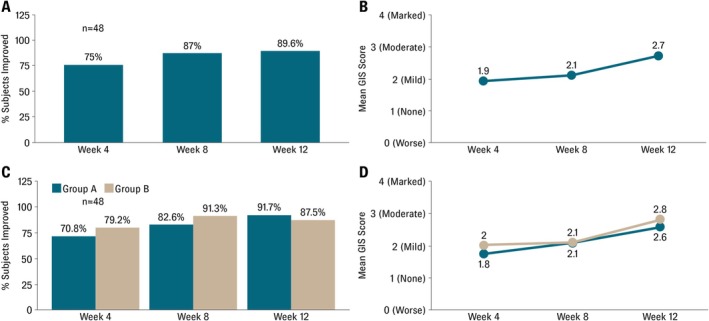 FIGURE 1
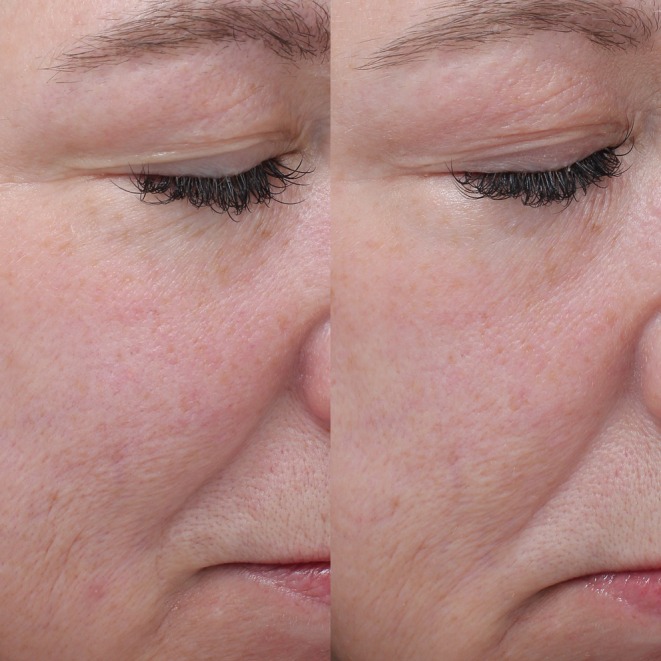 FIGURE 2
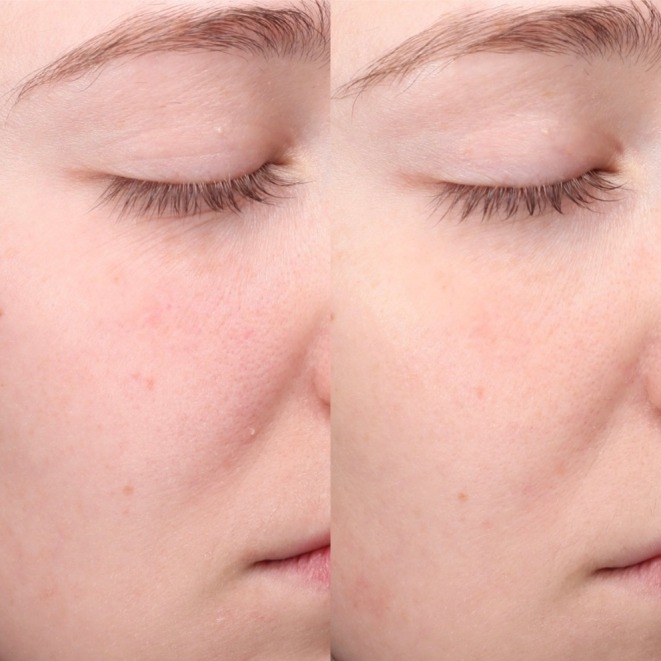 FIGURE 3
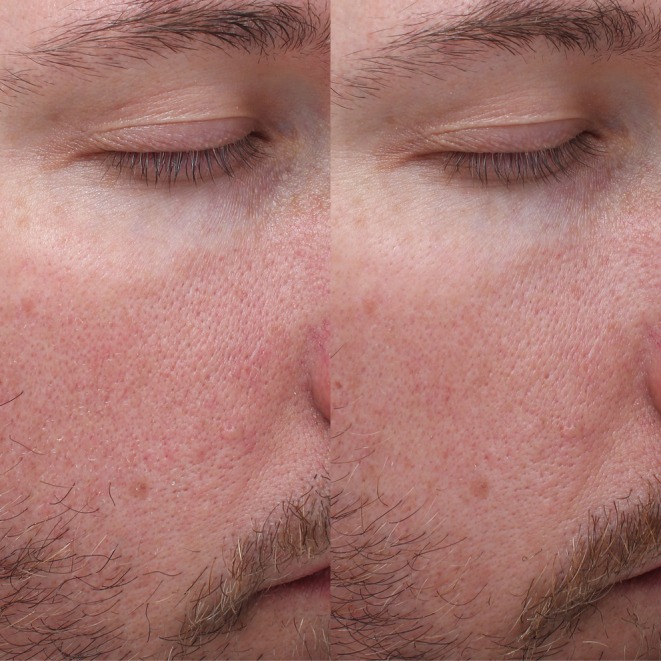 FIGURE 4
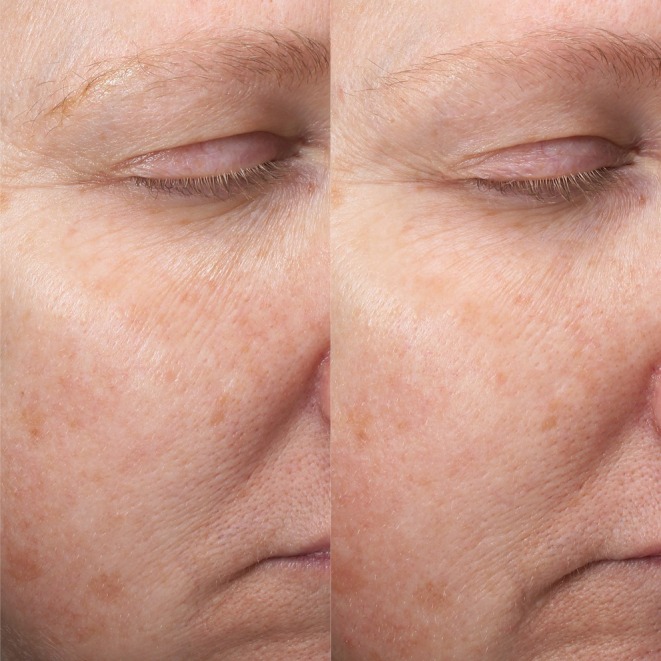 FIGURE 5
| Water, isoamyl laurate, glycerin, polyacrylate‐13, mannitol, butylene glycol, polyisobutene, |
| Peptide type | Function | |
|---|---|---|
| Down‐regulating peptides | ||
| Dipeptide diaminobutyroyl benzylamide diacetate | Neurotransmitter‐inhibitor | Reduces the appearance of dynamic wrinkles of expression [ |
| Hexapeptide 2 | Enzyme‐inhibitor | Visibly brighten skin by decreasing the appearance of dark spots on the skin [ |
| Up‐regulating peptides | ||
| Copper tripeptide 1 | Signaling and carrier | Makes skin feel more supple and look visibly smoother by stimulating collagen and elastin production [ |
| Palmitoyl tripeptide 1 | Signaling | Provides synergy of two matrikines, |
| Palmitoyl tetrapeptide 7 | ||
| Acetyl tetrapeptide 9 | Signaling | Visibly improves skin thickness and firmness for an overall firming effect [ |
| Sh‐oligopeptide | Mimicking | A 53‐amino acid peptide with a chemical structure similar to epidermal growth factor which visibly renews the skin and increases skin firmness and tone [ |
| Simultaneous up‐ and down‐regulating | ||
| Palmitoyl tripeptide 5 | Mimicking | Unique peptide offering a synergistic benefit to assist the body in its production of collagen [ |
| Tripeptide‐10 citrulline | Signaling and carrier | Combination of peptides and proteins that help support the production of collagen [ |
| Tripeptide‐1 (also contains | Expression and glycation | |
| Cleanser types: with and without acids |
| Serums types: antioxidants, hyaluronic acid, peptides, lipids |
| Non‐hydroquinone skin lighteners |
| Moisturizer types: with and without lipids, antioxidants, peptides, or acids |
| Topical retinoid types: retinol and tretinoin |
| Acid‐based peel pads |
| Sunscreen type: mineral and chemical |
| Assessment | Score |
|---|---|
| Erythema | 0, No erythema of the treatment area. 1, Mild. Slight, but definite redness of the treatment area. 2, Moderate. Definite redness of the treatment area. 3, Severe. Marked redness of the treatment area |
| Edema | 0, No edema/swelling of the treatment area. 1, Mild. Slight, but definite edema of the treatment area. 2, Moderate. Definite edema of the treatment area. 3, Severe. Marked edema of the treatment area |
| Dryness | 0, No dryness of the treatment area. 1, Mild. Slight, but definite dryness of the treatment area. 2, Moderate. Definite dryness of the treatment area. 3, Severe. Marked dryness of the treatment area |
| Scaling | 0, No scaling of the treatment area. 1, Mild. Barely perceptible, fine scales in limited areas of the treatment area. 2, Moderate. Fine scaling generalized to all areas of the treatment area. 3, Severe scaling and peeling of skin over all areas of the treatment area |
| Burning | 0, No burning of the treatment area. 1, Mild. Slight burning sensation of the treatment area; not really bothersome. 2, Moderate. Definite warm, burning of the treatment area that is somewhat bothersome. 3, Severe. Hot burning sensation of the treatment area that causes definite discomfort and may interrupt daily activities or sleep |
| Stinging | 0, No stinging of the treatment area. 1, Mild. Slight stinging sensation of the treatment area; not really bothersome. 2, Moderate. Definite stinging of the treatment area that is somewhat bothersome. 3, Severe. Marked stinging sensation of the treatment area that causes definite discomfort and may interrupt daily activities or sleep |
| All ( | Group A ( | Group B ( | |
|---|---|---|---|
| Mean age (SD), years | 38.8 (13.5) | 38.0 (12.6) | 39.5 (14.6) |
| Gender, | |||
| Female | 38 (79.2) | 19 (79.2) | 19 (79.2) |
| Male | 10 (20.8) | 5 (20.8) | 5 (20.8) |
| Fitzpatrick skin type, | |||
| I | 8 (16.7) | 4 (16) | 4 (16.7) |
| II | 25 (52.1) | 11 (45.8) | 14 (58.3) |
| III | 6 (12.5) | 2 (8.3) | 4 (16.7) |
| IV | 5 (10.4) | 5 (20.8) | 0 |
| V | 2 (4.2) | 2 (8.3) | 0 |
| VI | 2 (4.2) | 0 | 2 (8.3) |
| Skin quality marker, | Baseline | Week 4 | Week 8 | Week 12 | Significance |
|---|---|---|---|---|---|
| Laxity | 1.86 | 1.68 | 1.59 | 1.64 |
|
| Crepiness | 2.09 | 1.73 | 1.36 | 1.36 |
|
| Pore size | 1.69 | 1.51 | 1.49 | 1.44 |
|
| Redness | 1.66 | 1.38 | 1.32 | 1.36 |
|
| Hyperpigmentation | 1.62 | 1.28 | 1.31 | 1.18 |
|
| Wrinkles | 1.56 | 1.4 | 1.08 | 1.2 |
|
| Fine lines | 1.59 | 1.24 | 1.1 | 1.27 |
|
| Roughness | 1.38 | 1.24 | 1.15 | 1.0 |
|
| Dryness | 1.57 | 0.71 | 0.83 | 1.04 |
|
| Acne scars | 1.45 | 1.0 | 1.05 | 0.55 |
|
| Oiliness | 1.33 | 0.9 | 0.33 | 0.33 |
|
| Skin quality marker, | Week 4 | Week 8 | Week 12 | Significance |
|---|---|---|---|---|
| Glow/Luminosity | 39 (81.2) | 44 (91.7) | 43 (91.5) |
|
| Dullness | 38 (79.2) | 44 (91.7) | 43 (89.6) |
|
| Skin tone | 34 (70.8) | 41 (85.4) | 43 (89.6) |
|
| Dryness | 22 (84.6) | 20 (76.9) | 21 (80.8) |
|
| Oiliness | 10 (88.7) | 15 (86.7) | 13 (86.7) |
|
| Hydration | 37 (77.1) | 36 (75.0) | 40 (83.3) |
|
| Laxity | 19 (70.4) | 20 (74.1) | 22 (81.5) |
|
| Fine lines | 27 (64.3) | 34 (81.0) | 33 (78.6) |
|
| Hyperpigmentation | 32 (69.6) | 30 (65.2) | 39 (84.8) |
|
| Pore size | 26 (56.5) | 33 (71.7) | 35 (76.1) |
|
| Redness | 26 (59.1) | 32 (72.7) | 31 (70.5) |
|
| Acne scars | 9 (39.1) | 15 (65.2) | 16 (69.6) |
|
| Skin quality marker, | Baseline | Week 4 | Week 8 | Week 12 | Significance |
|---|---|---|---|---|---|
| Wrinkles | 1.75 | 1.56 | 1.5 | 1.47 |
|
| Laxity | 1.89 | 1.41 | 1.54 | 1.34 |
|
| Crepiness | 1.81 | 1.38 | 1.59 | 1.34 |
|
| Fine lines | 1.67 | 1.41 | 1.26 | 1.13 |
|
| Redness | 1.62 | 1.42 | 0.92 | 1.08 |
|
| Uneven skin tone | 1.54 | 1.26 | 1.11 | 1.0 |
|
| Hyperpigmentation | 1.53 | 1.27 | 1.06 | 1.0 |
|
| Roughness | 1.47 | 1.06 | 0.97 | 0.86 |
|
| Skin quality marker, | Week 4 | Week 8 | Week 12 | Significance |
|---|---|---|---|---|
| Smoothness | 27 (75.0) | 30 (83.3) | 34 (94.4) |
|
| Firmness | 29 (82.9) | 27 (77.1) | 31 (88.6) |
|
| Fine lines | 26 (66.7) | 31 (79.5) | 34 (87.2) |
|
| Hyperpigmentation | 19 (59.4) | 23 (71.9) | 28 (87.5) |
|
| Skin tone | 30 (62.5) | 35 (72.9) | 39 (81.2) |
|
| Wrinkles | 26 (72.2) | 20 (55.6) | 29 (80.6) |
|
| Redness | 14 (53.8) | 15 (57.7) | 21 (80.8) |
|
| Quality marker, | All ( | Group A ( | Group B ( |
|---|---|---|---|
| Redness | 25 (52.1) | 10 (41.7) | 15 (62.5) |
| Hyperpigmentation | 19 (39.6) | 11 (45.8) | 8 (33.3) |
| Uneven skin tone | 30 (62.5) | 14 (58.3) | 16 (66.7) |
| Scars (Acne) | 19 (39.6) | 11 (45.8) | 8 (33.3) |
| Pore size | 26 (54.2) | 15 (62.5) | 11 (45.8) |
| Dullness | 15 (31.2) | 9 (37.5) | 6 (25.0) |
| Laxity | 9 (18.8) | 6 (25.0) | 3 (12.5) |
| Crepiness | 3 (6.3) | 1 (4.2) | 2 (8.3) |
| Dryness | 23 (47.9) | 12 (50.0) | 11 (45.8) |
| Lack of luminosity | 20 (41.7) | 9 (37.5) | 11 (45.8) |
| Rough/uneven texture | 17 (35.4) | 8 (33.3) | 9 (37.5) |
| Fine lines | 27 (56.2) | 11 (45.8) | 16 (66.7) |
| Wrinkles | 23 (47.9) | 13 (54.2) | 10 (41.7) |
| Week 12 | |
|---|---|
| Skin looks and feels healthier | 96% |
| Look young/more youthful | 94% |
| Notice overall improvement | 88% |
| Feel more confident about skin | 83% |
Peer Reviews
No public reviews on file for this paper yet. If you reviewed it on a platform where reviews are public (OpenReview, ICLR, NeurIPS, ICML), you can paste yours below so the community can read it here.
Videos
No videos yet. Explain this paper in a talk, walkthrough, or lecture? Add one.
Taxonomy
TopicsSkin Protection and Aging · Dermatology and Skin Diseases · Advancements in Transdermal Drug Delivery
Introduction
1
The field of cosmetic dermatology has long focused on improving age‐related changes in facial appearance by tightening the skin to reduce fine lines and wrinkles, restoring tissue volume, and reducing hyperpigmentation. This has been accomplished using a variety of treatment strategies including lasers, fillers, peels, microneedling, and neurotoxins [1, 2, 3, 4]. While these remain valuable tools for those seeking facial rejuvenation, patients continue to seek topical products to enhance skin quality as a significant component of facial attractiveness. Markers of skin quality include even skin tone, skin hydration, skin firmness, skin elasticity, surface smoothness, and skin glow or radiance [5]. It is well recognized that skin quality can have a substantial impact on one's emotional health, quality of life, self‐perception, and interpersonal relations with others [6, 7]. Skin quality is an important component of human attractiveness [5], projecting overall health and well‐being [8] and even perceived character traits [9]. It has also become apparent that numerous environmental insults can have a significant negative impact on skin quality including tobacco smoke [10, 11], ultraviolet light [12, 13], high‐energy visible light [14], and air pollution [15, 16, 17].
A novel anti‐aging peptide serum has been formulated with 10 peptides, antioxidants, botanicals, and other ingredients which hydrate the skin, improve skin tone, texture, and firmness, and reduce fine lines and wrinkles while protecting against environmental insults (Pep Up Collagen Boost Face & Neck Serum; Colorescience Inc.) (Table 1). Decaplex‐10, a patented blend of 10 different peptides, provides a comprehensive approach to rebuilding collagen and elastin in the skin. These peptides include a combination of signaling and inhibiting peptides that build collagen and elastin, prevent visible signs of aging, and enhance skin quality. For example, hexapeptide‐2 is an enzyme‐inhibitor that visibly brightens skin by decreasing the appearance of dark spots on the skin. Acetyl tetrapeptide‐9 is a signaling peptide that visibly improves skin thickness and firmness for an overall firming effect. Copper tripeptide‐1 is a signaling and carrier peptide that stimulates collagen and elastin production to make the skin feel more supple and look visibly smoother. A complete list of the 10 peptides in Decaplex‐10 is provided in Table 2. Botanical ingredients include Pseudoalteromonas sp. with beneficial effects on melanogenesis [27], Physalis angulata and Glycine soja with anti‐inflammatory activity [28, 29], Tremella fuciformis which inhibits ultraviolet photodamage of the skin [30, 31], and Avena sativa which has antioxidant properties and restores skin barrier function [32, 33]. Additional ingredients such as antioxidants and those that provide deep hydration are known to optimize the performance of skin peptides [34].
TABLE 1: Study product ingredients. a
It has been shown that when skin quality improves, people report feeling less self‐conscious and more self‐confident [35, 36]. Consequently, there is increasing patient demand for improved skin quality and the desire to achieve healthy skin [7]. Therefore, the objective of this study was to assess changes in a battery of skin quality markers following the twice‐daily use of the anti‐aging 10‐peptide serum in subjects currently using daily over‐the‐counter and professional skincare treatments. These include some subjects using topical tretinoin and retinol, which are known to improve sun damaged and aging skin [37]. Per inclusion criteria, subjects using professional grade skincare treatments were required to have used these products for a minimum of 90 days prior to the study initiation and to maintain the same dose and frequency throughout the study. The study also assessed the safety and tolerability of the study product.
Materials and Methods
2
Study Subjects
2.1
Enrolled subjects were healthy adults, 18 to 75 years old, of any race or ethnicity, and any Fitzpatrick skin type who were seeking treatment for mild‐to‐severe skin quality concerns of the face and neck. Enrolled subjects expressed their willingness to follow all study requirements including avoiding first time lash extensions or facial tattoos and discontinuing the use of any home facial treatment devices during the 12‐week study.
Reasons for exclusion from study participation included treatment during the previous 3 months with neuromodulators, dermal fillers, chemical peels, microneedling or energy‐based devices, such as intense pulse light, broadband light, fractional resurfacing, CO_2_ resurfacing, ultrasound therapy, microneedling with radiofrequency, and other similar device treatments, or facial cosmetic or reconstructive surgery during the previous 6 months. Subjects who were pregnant, planning to become pregnant, or were nursing were not allowed to participate. Subjects agreed to maintain all exclusion criteria and avoid sun exposure without applying sunscreen as directed by a study Investigator.
Subjects were divided equally into two treatment groups. Subjects in Group A had previously or currently used only over‐the‐counter skincare products but no professional‐grade skincare products. Subjects in Group B were using professional‐grade skincare products for a minimum of 90 days (Table 3). These treatment groups represent the two types of patients that seek professional skincare recommendations—those who are naïve to professional skincare and those who receive professional skincare but wish to boost their results or overcome treatment plateaus.
TABLE 3: Professional‐grade product categories used by Group B used ≥ 90 days before and during the study. a
Investigational Product
2.2
The investigational product is formulated to promote healthy collagen and elastin production, treat dryness, dullness, sagging skin, and wrinkles, and protect against the damaging effects of pollution and other environmental aggressors (Table 1) (Pep Up Collagen Boost Face & Neck Serum; Colorescience Inc.).
Study Procedures
2.3
Group A
2.3.1
Each morning, subjects randomized to Group A washed their faces with a cleanser provided by the study sponsor to use for the duration of the study. Immediately after cleansing, subjects applied two pumps of the study product to the face and one pump to the neck. This was followed by an application of a sponsor‐provided SPF‐50 sunscreen lotion and an SPF‐50 brush‐on sunscreen for reapplication to the face and neck at least three times throughout the day. Each evening, subjects washed their faces with the sponsor‐provided cleanser. Immediately after cleansing, subjects applied two pumps of the study product to the face and one pump to the neck.
Group B
2.3.2
Each morning, subjects randomized to Group B washed their faces with their current professional‐grade cleanser. Immediately after cleansing, subjects applied any prescription products, such as professional‐grade serums, as instructed by their skin health professional and applied two pumps of study product to the face and one pump to the neck. In order of viscosity (lightest to heaviest), subjects applied any other professional‐grade moisturizers followed by the application of their professional‐grade sunscreen and reapplied their sunscreen to the face and neck at least three times throughout the day. Each evening, subjects washed their faces with their current professional‐grade cleanser. Immediately after cleansing, subjects applied any prescription products, such as professional‐grade serums, as instructed by their skin health professional. They applied two pumps of study product to the face and one pump to the neck. They applied any other professional‐grade moisturizers in order of viscosity (lightest to heaviest).
Investigator Clinical Grading Assessments
2.4
Skin quality evaluations were conducted at Week 0 (baseline), Week 4, Week 8, and Week 12. To assist with assessments, digital imaging was obtained at Baseline and Weeks 4, 8 and 12 (VISIA Imaging System. Canfield Scientific; Parsippany, NJ). Images included standard capture, brown channel, red channel, wrinkles, texture, and pores for facial assessments and standard imaging for neck evaluation with three views at all time points.
For each subject, the investigator rated the following facial quality markers: Glow/Luminosity, Dullness, Pigmentation, Skin Tone, Pore Size, Acne Scarring, Redness, Dryness, Oiliness, Hydration, Fine Lines, Wrinkles, Laxity, and Crepiness. Neck quality markers were Redness, Hyperpigmentation, Uneven Skin Tone, Laxity, Crepiness, Rough/Uneven Texture, Fine Lines, and Wrinkles. The investigator rated facial skin and neck quality markers as None, 0; Mild, 1; Moderate, 2; and Severe, 3.
The Global Improvement Scale assessed overall facial aesthetic improvement at Weeks 4, 8, and 12. For each subject, the investigator rated changes in face and neck skin as 0, worse; 1, no improvement; 2, mild improvement (25% overall improvement); 3, moderate improvement (50% overall improvement); or 4, marked improvement (75% overall improvement).
Subject Study Assessments
2.5
Subjects completed digital questionnaires at each visit assessing baseline skin concerns, self‐perceived improvements in specific skin quality markers, overall skin appearance and confidence measures, treatment adherence and tolerability, quality of life impacts, willingness to continue use, and recommending the product to others.
Tolerability Assessments
2.6
The investigator assessed objective test product tolerability with an emphasis on erythema, edema, dryness, and scaling at Weeks 4, 8, and 12 (Table 4). Other adverse events were to be gathered as reported.
Statistical Analysis
2.7
Descriptive statistics were calculated for all baseline characteristics and outcome measures. Continuous variables were presented as mean (SD) and categorical variables as frequencies and percentages. Between‐group comparisons at baseline used appropriate parametric or non‐parametric tests depending on data distribution. Longitudinal changes from baseline were analyzed using appropriate repeated measures ANOVA. The primary analysis population included all subjects who completed the study and had evaluable data, excluding those who withdrew or were lost to follow‐up (n = 8). All analyses were performed using R‐Project Statistical Software (https://www.r‐project.org/) with statistical significance set at p < 0.05. To determine the proportion of improved measures per subject, the percentage of baseline skin quality problems showing improvement at Week 12 was calculated. This involved identifying all measures where the subject had a baseline rating greater than zero, counting how many of these measures showed any decrease (improvement) in rating, then calculating the proportion.
Ethics
2.8
Each subject provided written informed consent prior to participating in any study‐related activity. This study protocol was approved by a commercial Institutional Review Board (WCG IRB, Puyallup, WA). This study conformed to Title 21 Code of Federal Regulations 50.25 and all U.S. laws and regulations governing Good Clinical Practice. Permission to reproduce digital images was obtained from each subject.
Results
3
Baseline Assessment
3.1
Forty‐eight subjects were enrolled into Group A (n = 24) and Group B (n = 24). The demographics and baseline characteristics of enrolled subjects are summarized in Table 5. There were equal numbers of male and female subjects in each group, with no significant between‐group differences in clinical characteristics. While 14.6% of subjects were not initially bothered by their skin appearance, the remainder reported being somewhat (58.3%), very (22.9%), or extremely self‐conscious (4.2%) about their skin appearance.
Investigator Global Improvement Score: All Subjects and Group Comparisons
3.2
Following the twice‐daily use of the investigational product, data analysis revealed progressive improvements in skin quality with a marked increase in moderate‐to‐marked improvements by Week 12.
An analysis using a Friedman test confirmed a statistically significant improvement in Global Improvement Scores over time for the overall cohort (p < 0.01), Group A (p < 0.05), and Group B (p < 0.01), and Mann–Whitney U tests indicated comparable improvement patterns between treatment groups. At Week 12, 89.6% of subjects had improved, with 52.1% achieving moderate‐to‐marked global improvement (Figure 1A,B). A significant improvement was observed for the entire cohort (p < 0.01). At Week 4, most subjects were rated as having mild or moderate improvement (75%), while no subjects showed marked improvement. By Week 8, mild and moderate improvement reached 87%. A few were rated as worse (2.2%) or unchanged (10.9%); however, by Week 12, 29.2% of subjects were graded as having achieved marked improvement and 22.9% were graded as moderately improved.
Clinical outcomes. Following 12 weeks of twice‐daily application of the test product, improvement in skin quality was achieved by 89.6% of subjects (p < 0.01) (A) and 52.1% achieved moderate‐to‐marked global improvement (B). Group A (p < 0.05) and Group B (p < 0.01) exhibited similar patterns of global improvement over the 12 weeks (C). Group B had a higher overall improvement rate, but Group A showed a higher proportion of marked improvement. At Week 12, both groups had similar mean quality scores (Group A, 2.6, Group B, 2.8) (D).
Group A and Group B both exhibited similar patterns of global improvement over the 12‐week study (Figure 1C). At Week 8, while Group B had a higher overall improvement rate (91.3% vs. 82.6%), Group A showed a higher proportion of marked improvement (30.4% vs. 21.7%). At Week 12, both groups had a median score of 3.0, with similar mean quality scores (2.6 in Group A, 2.8 in Group B) (Figure 1D). The percentage rated as improved remained high and comparable between groups (Group A 91.7% vs. Group 87.5%), and the proportion of those with marked improvement was also similar (54.2% vs. 50.0%).
Investigator Ratings of Overall Facial Skin Quality Improvement
3.3
There was progressive improvement in the facial skin quality across all 12 parameters over the 12‐week study with lower mean ratings indicating reduced severity (Table 6). Notable improvements were seen in oiliness, decreasing from 1.33 at baseline to 0.33 at Weeks 8 and 12, and dryness, decreasing from 1.57 to 0.71 at Week 4 but increasing to 1.04 at Week 12. A significant improvement was also seen in wrinkles, decreasing from 1.56 at baseline to 1.08 by Week 8. Similarly, crepiness decreased from 2.09 to 1.36 at Weeks 8 and 12. These findings suggest subjects experienced measurable and sustained improvements in multiple markers of facial skin quality, particularly in texture‐ and hydration‐related concerns.
Repeated measures ANOVA demonstrated significant improvements across nine of eleven facial skin quality parameters. The most substantial improvements included oiliness, which showed a 75% reduction in severity scores from baseline to Week 12 (p < 0.01), acne scarring which improved by 62% (p < 0.01), dryness by 34% (p < 0.01), and fine lines by 20% (p < 0.01). Significant improvements were observed in pigmentation (27%, p < 0.01), roughness (28%, p < 0.01), wrinkles (23%, p < 0.05), redness (18%, p < 0.05), and crepiness (35%, p < 0.01). Only improvements in laxity and pore size failed to achieve statistical significance. Pre‐ and post‐treatment images showing facial skin quality improvement in male and female subjects from both groups are shown in Figures 2, 3, 4, 5.
Patient 1. This is a 52‐year‐old female subject from Group A at Baseline (left) and Week 12 (right).
Patient 2. This is a 28‐year‐old female subject from Group A at Baseline (left) and Week 12 (right).
Patient 3. This is a 33‐year‐old male subject from Group B at Baseline (left) and Week 12 (right).
Patient 4. This is a 46‐year‐old female subject from Group B at Baseline (left) and Week 12 (right).
Investigator Assessment of Facial Skin Quality Markers
3.4
Investigator assessment of improvements in the twelve Investigator Clinical Grading assessments increased over time across nearly all skin quality parameters (Table 7). By Week 12, improvement was highest for glow/luminosity (91.5%), dullness (89.6%), and skin tone (89.6%), indicating strong and consistent visible improvements in skin brightness and color uniformity. Improvement also occurred for hydration (83.3%), laxity (81.5%), and dryness (80.8%), suggesting clear evidence of enhanced moisture and skin firmness. For fine lines, pore size, and redness, improvement ranged from 70.5% to 78.6%, showing moderate but consistent recognition of improvement. The lowest improvement was reported for acne scars, with only 69.6% improved by Week 12.
Using Cochran's Q test, significant increases in improvement over time were observed for glow/luminosity (p < 0.01), skin tone (p < 0.05), and hydration (p < 0.01). Pairwise comparisons using McNemar's test showed that most markers achieved significant improvement from baseline to Week 12, including dullness (p < 0.01), fine lines (p < 0.05), and pigmentation (p < 0.01). The progressive and significant increases in improvement support the clinical skin improvements observed throughout the study period.
Investigator Improvement in Overall Neck Skin Quality
3.5
Across all parameters, the mean scores improved between baseline and Week 12, suggesting a visible reduction in perceived severity over time by investigators with some variation in the rate and magnitude of improvement between groups. Both groups demonstrated gradual reductions in mean severity scores across most parameters (Table 8), with lower mean ratings indicating reduced severity. The largest overall improvements were observed in roughness (1.47 to 0.86), pigmentation (1.53 to 1.00), and fine lines (1.67 to 1.13). Redness dropped sharply by Week 8 (0.92) and increased by Week 12 (1.08), while remaining improved over baseline (1.62). Repeated measures ANOVA confirmed significant improvements across all eight neck skin quality parameters. The most pronounced improvements were roughness, which decreased by 41% from baseline to Week 12 (p < 0.01), and pigmentation, which improved by 35% (p < 0.01). Fine lines showed a 32% improvement in severity scores (p < 0.01), while wrinkles decreased by 16% (p < 0.05). Additional significant improvements included laxity (29%, p < 0.01), crepiness (26%, p < 0.01), uneven skin tone (35%, p < 0.01), and redness (33%, p < 0.05).
Investigator Assessment of Neck Skin Quality Markers
3.6
Investigator‐assessment of improvements in neck skin quality markers showed consistent and progressive increases over the 12‐week study (Table 9). By Week 12, the highest level of improvement was observed for smoothness (94.4%), firmness (88.6%), and fine lines (87.2%), suggesting a strong visible response to treatment in structural and textural domains. Similarly, hyperpigmentation (87.5%) and skin tone (81.2%) showed substantial improvement, indicating enhanced pigmentation uniformity and brightness. Wrinkle improvement was initially high at Week 4 (72.2%), then decreasing at Week 8 (55.6%), before increasing again to 80.6% by Week 12 (80.6%). Redness showed the lowest improvement at Week 4 (53.8%) and Week 8 (57.7%) but improved notably by Week 12 (80.8%).
Statistical evaluation using Cochran's Q test confirmed significant improvements in investigator assessments for all neck skin quality markers. The strongest statistical evidence for increasing improvement over time was observed for smoothness (p < 0.01), firmness (p < 0.01), and fine lines (p < 0.01). McNemar's test pairwise comparisons revealed significant increases in improvement from baseline to Week 12 for hyperpigmentation (p < 0.01), skin tone (p < 0.01), and wrinkles (p < 0.05). The progressive and significant increases in improvement support the clinical relevance of neck skin improvements observed throughout the study period.
Investigator‐Rated Product Tolerability
3.7
Overall tolerability across the 12‐week period was favorable, and most reported treatment‐related adverse events were mild and infrequent. Among all subjects, erythema was the most common reaction, followed by dryness, scaling, and edema.
Subject Satisfaction
3.8
At the baseline visit, most enrolled subjects indicated they had a number of facial skin concerns (Table 10); however, subject satisfaction with their treatment results was high at the final study visit (Table 11) with substantial improvements in skin appearance and self‐confidence. The percentage of subjects agreeing that their skin looked and felt healthier was 96%, and perceived youthfulness was 94%. Confidence and perception of overall improvement were each reported by 83% and 88% of subjects. When assessed by groups, there were no significant between‐group differences. Among all subjects, 81.2% indicated they would continue using the product and 91.7% stated they would recommend it to others.
Discussion
4
The objective of this study was to assess changes in skin quality from an anti‐aging 10‐peptide serum designed to improve skin quality markers in facial and neck skin in two subject groups: those not currently using prescription, medical grade, advanced or physician‐dispensed skincare products and those who were currently using prescription, medical grade, advanced or physician‐dispensed skincare products. At baseline, all subjects were rated by the Investigators as having issues based on a range of skin quality markers. Following twice‐daily application for 12 weeks, there were significant progressive improvements in most Investigator ratings of facial and neck skin quality parameters, which were similar in both treatment groups.
The greatest overall Week 12 facial skin improvements were luminosity, dullness, skin tone, and dryness while significant overall neck skin improvements were wrinkles, laxity, and crepiness. Investigator assessments for important facial skin quality improvements such as luminosity, dullness, and skin tone were also significant as were neck skin qualities of smoothness, fine lines, and crepiness.
Importantly, subject satisfaction ratings for their treatment results were high. As a result, subjects reported substantial improvements in a more healthy, youthful appearance of their skin which were associated with greater self‐confidence for both treatment groups. The majority of subjects indicated they would continue to use the anti‐aging 10‐peptide serum and would recommend it to friends.
It is noteworthy that all the observed improvements in skin quality markers assessed in this study were incremental to any improvements achieved by prior use of OTC and professional‐grade skin treatments.
These results are in agreement with an unpublished 8‐week, multicenter study that assessed improvements in skin quality and subject satisfaction after using this anti‐aging 10‐peptide serum [38]. Among the treated subjects (N = 158), investigators reported significant improvement in overall skin health (p < 0.01) and skin hydration (p < 0.01) while nearly all subjects saw an improvement in their overall skin health (91%) and skin hydration (85%). Most subjects (94%) reported their skin felt more rejuvenated as early as Week 4.
The anti‐aging 10‐peptide serum described in this study has several advantages for facial rejuvenation. It is well‐tolerated and compatible with other over‐the‐counter and professional skincare products. In addition, the presence of antioxidants protects against damaging environmental insults, such as ultraviolet and visible light and air pollution.
Limitations of the present study include an open‐label design and the lack of a placebo group which might have further demonstrated the beneficial effects of the anti‐aging 10‐peptide serum. It is known that sunscreen use contributes to improvements in skin health, and its role could be considered when interpreting study outcomes. In this study, subjects followed sunscreen application and reapplication consistent with FDA labeling and Skin Cancer Foundation recommendations, reflecting standard‐of‐care practice; while supportive of skin health, these measures represent routine background care within the overall study design rather than an isolated contributor to outcomes. A study of longer duration might have demonstrated progressive improvements in skin quality parameters.
Conclusion
5
The twice‐daily application of a novel anti‐aging 10‐peptide serum restored numerous markers of facial and neck skin quality that were incremental to both groups. Statistically significant improvements were seen in all subjects, including those with and without a prior existing skin care regimen in terms of their Global Improvements as well as most of the key markers associated with skin quality. Skin quality improvements included enhanced firmness, elasticity, smoothness, and radiance, accompanied by reduced self‐consciousness and increased self‐confidence. These improvements in skin quality are generally associated with decreased feelings of self‐consciousness and an improvement in self‐confidence. Importantly, the serum aligns with the increasing interest for advanced, scientifically validated formulations that deliver measurable improvements in overall skin quality and support the pursuit of smoother, more radiant skin. The product is well‐tolerated and compatible with concomitant over‐the‐counter and professional skincare products. These results underscore the serum's ability to address the growing consumer demand for scientifically validated, multi‐functional formulations that deliver measurable enhancements in overall skin quality and contribute to a more flawless appearance.
Author Contributions
The authors shared equally in the design and execution of this study and the preparation of this manuscript.
Ethics Statement
The authors confirm that the ethical policies of the journal, as noted on the journal's author guidelines page, have been adhered to and the appropriate ethical review committee approval has been received.
Conflicts of Interest
The authors declare no conflicts of interest.
The reference list from the paper itself. Each links out to its DOI / PubMed record.
- 1Z. Al Timimi , A. F. Al‐Rubaye , and D. M. Diwan , “A Comprehensive Study of Laser Use in Dermatology: Assessing the Safety, Innovations, and Effectiveness of Laser Technology for Skin Treatment,” Irish Journal of Medical Science 194 (2025): 923–932.40138057 10.1007/s 11845-025-03942-3 · doi ↗ · pubmed ↗
- 2J. L. Cohen , G. J. Goodman , A. T. De Almeida , et al., “Decades of Beauty: Achieving Aesthetic Goals Throughout the Lifespan,” Journal of Cosmetic Dermatology 22 (2023): 2889–2901.37632289 10.1111/jocd.15968 · doi ↗ · pubmed ↗
- 3S. F. Weiner , “Radiofrequency Microneedling: Overview of Technology, Advantages, Differences in Devices, Studies, and Indications,” Facial Plastic Surgery Clinics of North America 27 (2019): 291–303.31280844 10.1016/j.fsc.2019.03.002 · doi ↗ · pubmed ↗
- 4K. W. Broder and S. R. Cohen , “An Overview of Permanent and Semipermanent Fillers,” Plastic and Reconstructive Surgery 118, no. 3 Suppl (2006): 7S–14S.10.1097/01.prs.0000234900.26676.0b 16936539 · doi ↗ · pubmed ↗
- 5K. Goldie , M. Kerscher , S. G. Fabi , et al., “Skin Quality—A Holistic 360° View: Consensus Results,” Clinical, Cosmetic and Investigational Dermatology 14 (2021): 643–654.34163203 10.2147/CCID.S 309374 PMC 8214518 · doi ↗ · pubmed ↗
- 6C. Martschin , R. Bahhady , J. Li , et al., “Development and Validation of a Novel Holistic Skin Quality Assessment Scale,” Journal of Cosmetic Dermatology 24 (2025): e 16615.39382191 10.1111/jocd.16615 PMC 11743243 · doi ↗ · pubmed ↗
- 7S. Humphrey , S. Manson Brown , S. J. Cross , and R. Mehta , “Defining Skin Quality: Clinical Relevance, Terminology, and Assessment,” Dermatologic Surgery 47 (2021): 974–981.34148998 10.1097/DSS.0000000000003079 PMC 8231670 · doi ↗ · pubmed ↗
- 8B. Fink and N. Neave , “The Biology of Facial Beauty,” International Journal of Cosmetic Science 27 (2005): 317–325.18492169 10.1111/j.1467-2494.2005.00286.x · doi ↗ · pubmed ↗