Extracellular vesicles from stem cells rescue cellular phenotypes and behavioral deficits in SHANK3-associated ASD neuronal and mouse models
Ashwani Choudhary, Idan Rosh, Yara Hussein, Shai Netser, Aviram Shemen, Taghreed Suliman, Wote Amelo Rike, Lilach Simchi, Boris Shklyar, Ahmad Abu-Akel, Assaf Zinger, Daniel Offen, Shlomo Wagner, Shani Stern

TL;DR
Stem cell-derived extracellular vesicles can reverse abnormal brain cell activity and behavior in models of a genetic disorder linked to autism.
Contribution
This study demonstrates that extracellular vesicles from stem cells rescue synaptic and behavioral deficits in SHANK3-associated ASD models.
Findings
SHANK3 mutant-derived EVs transfer hyperexcitability and accelerated maturation to control neurons.
MSC and iPSC-derived EVs rescue hyperexcitability and normalize maturation in SHANK3 mutant neurons.
Intranasal EV administration in mice rescues ASD-like behavioral deficits.
Abstract
Extracellular vesicles (EVs) are lipid bilayer-enclosed structures that mediate intercellular communication by transferring diverse cargoes, including RNA and proteins. SHANK3, a synaptic scaffolding protein critical for synapse structure and function, is implicated in autism spectrum disorder (ASD) and Phelan-McDermid Syndrome (PMS). Early hyperexcitability in cortical neurons is a characterized endophenotype in ASD. Here, we investigated EV-mediated effects in the context of SHANK3 deficiency using human iPSC-derived cortical neurons and Shank3B−/− mice. Switching EVs between SHANK3 mutant and control neurons revealed that SHANK3 mutant-derived EVs transferred the hyperexcitability and accelerated maturation phenotypes to control neurons. Proteomic analysis revealed enrichment of synaptic structural regulators (e.g., ACTB, CFL1, AGRN, and CLSTN1) in SHANK3 mutant neuron-derived EVs.…
Genes, proteins, chemicals, diseases, species, mutations and cell lines named across the full text — each resolved to its canonical identifier and authoritative record.
Click any figure to enlarge with its caption.
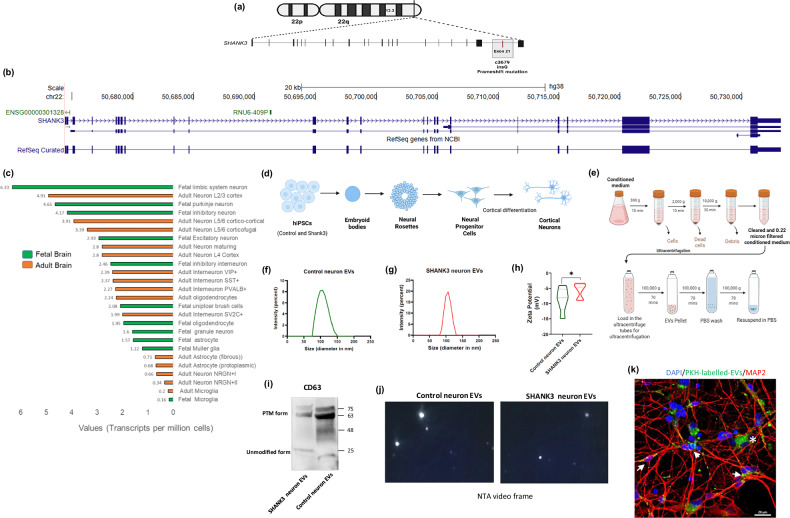 Figure 1
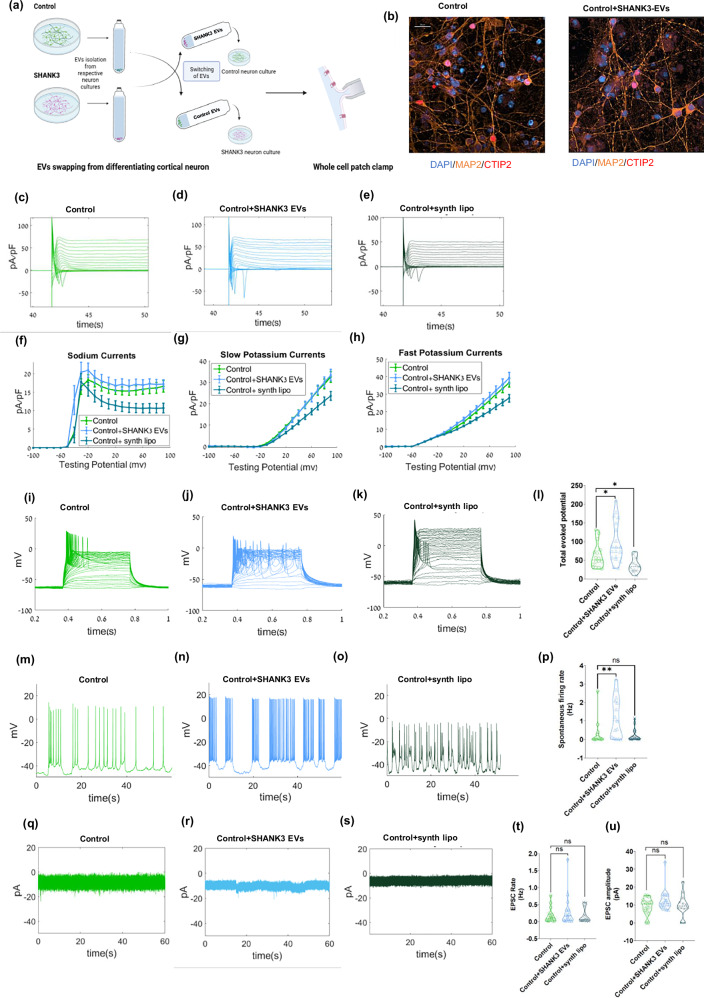 Figure 2
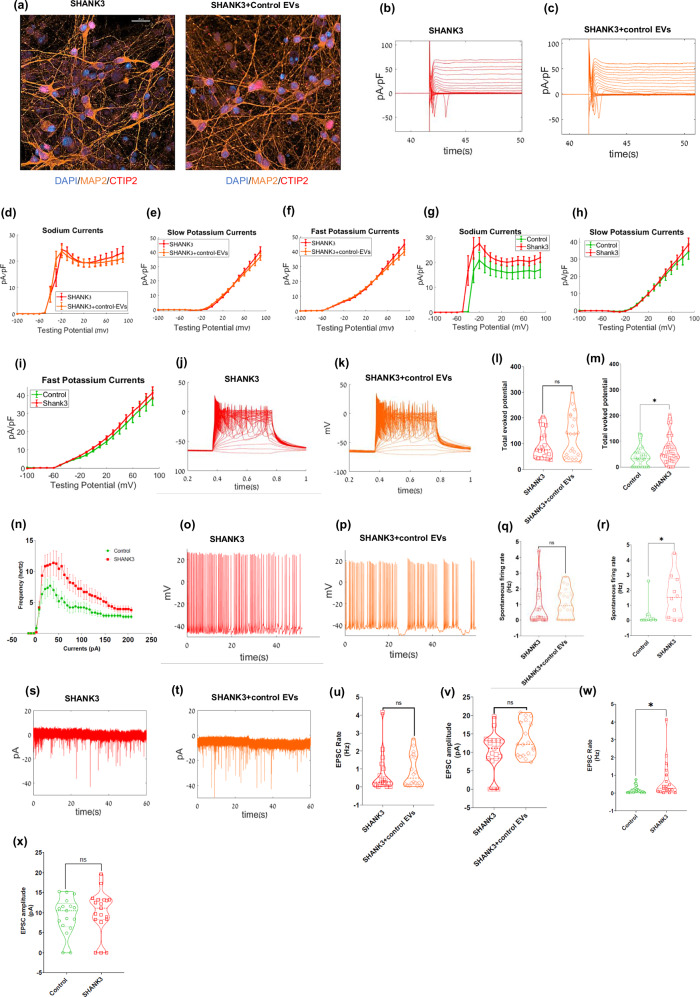 Figure 3
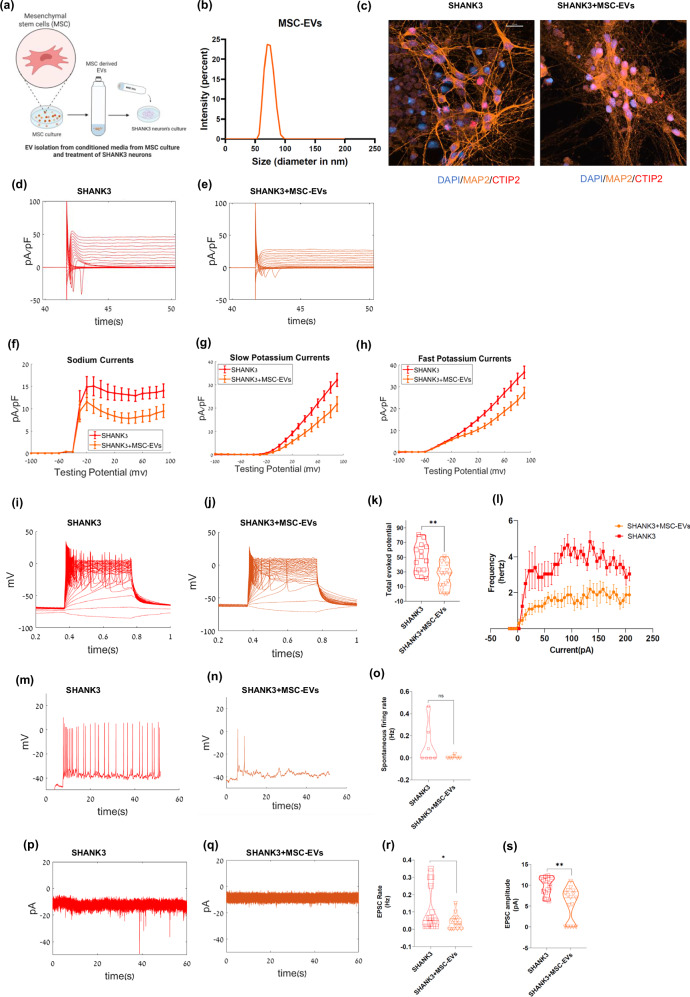 Figure 4
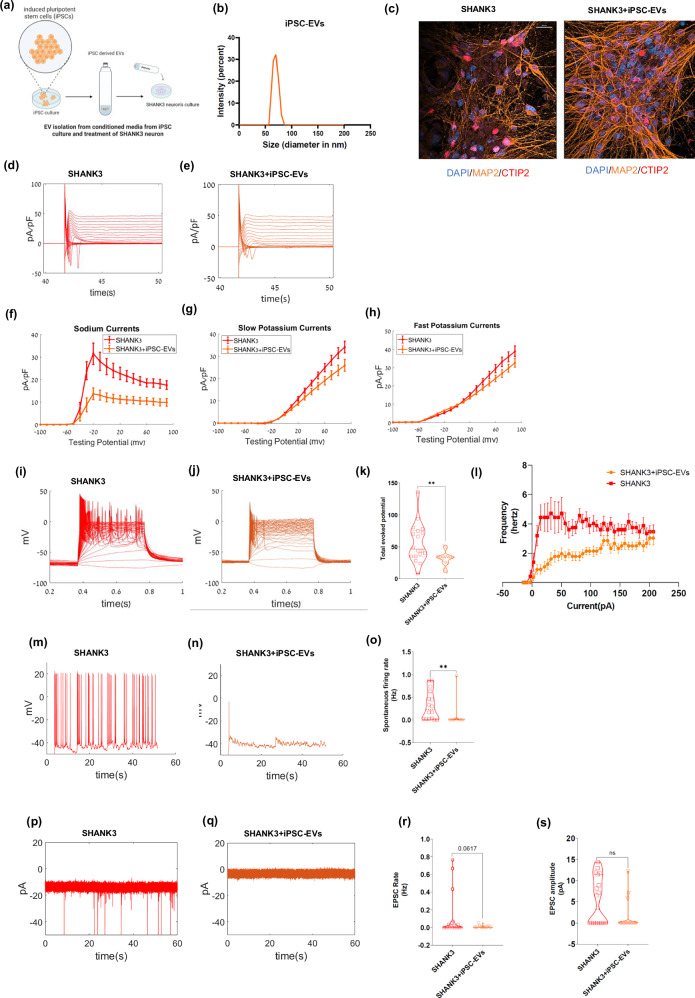 Figure 5
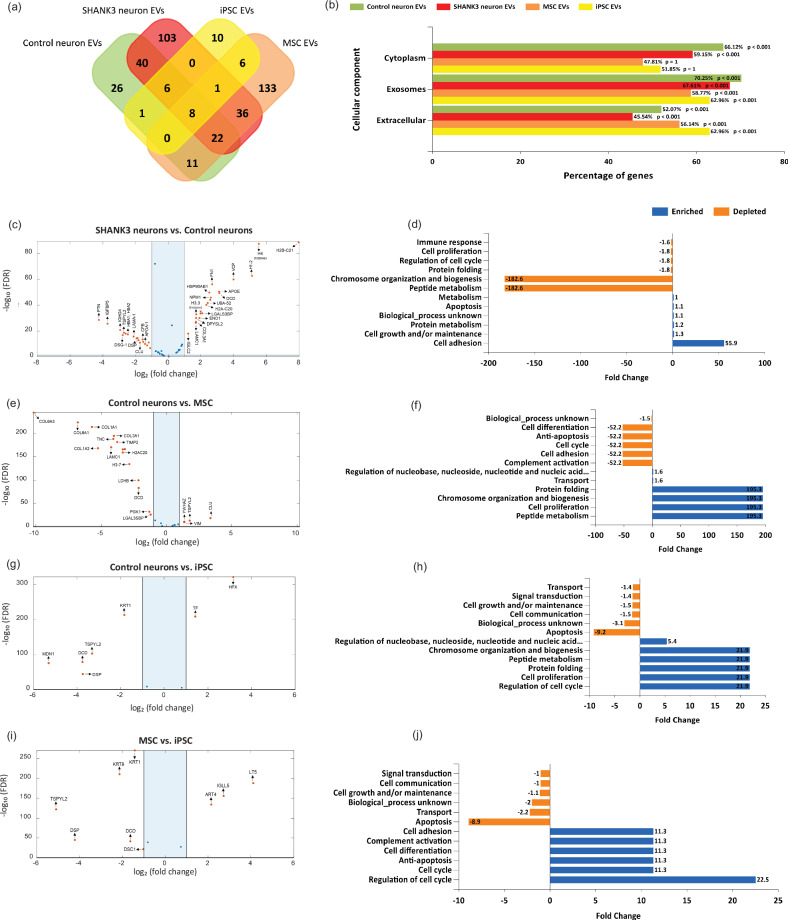 Figure 6
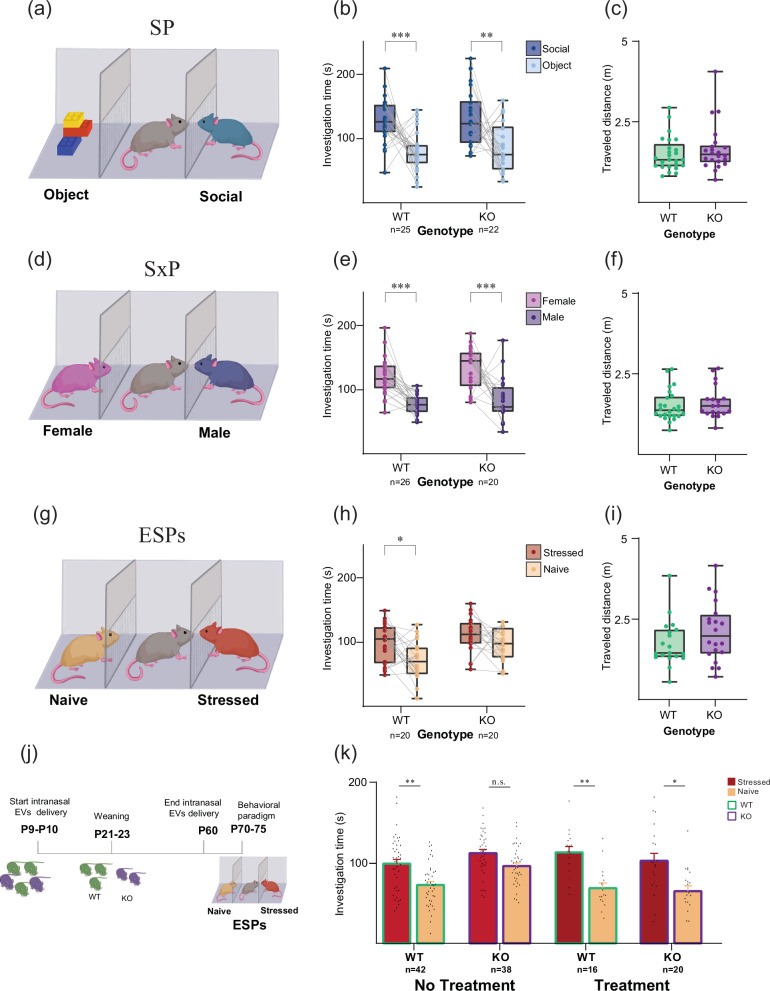 Figure 7
Peer Reviews
No public reviews on file for this paper yet. If you reviewed it on a platform where reviews are public (OpenReview, ICLR, NeurIPS, ICML), you can paste yours below so the community can read it here.
Videos
No videos yet. Explain this paper in a talk, walkthrough, or lecture? Add one.
Taxonomy
TopicsExtracellular vesicles in disease · Neurogenesis and neuroplasticity mechanisms · RNA Research and Splicing