CEBPB-high dormant tumor cells drive immune evasion via S100A8 orchestrated tumor-associated macrophages reprogramming
Jin Bai, Huilan Su, Shunxi Wang, Yang Dong, Yong Gao

TL;DR
This study shows that dormant tumor cells in triple-negative breast cancer resist immunotherapy by reprogramming immune cells through the CEBPB-S100A8 pathway.
Contribution
The study identifies CEBPB and S100A8 as key drivers of immune evasion in dormant tumor cells, offering a new therapeutic target for improving immunotherapy in TNBC.
Findings
Dormant tumor cells resist immunotherapy and reside in an immunosuppressive niche with M2 macrophages and low CD8+ T cell infiltration.
CEBPB maintains tumor dormancy by activating CCNG2 and orchestrating a tumor-supportive microenvironment through S100A8.
Targeting CEBPB or S100A8 can overcome immunotherapy resistance and improve tumor microenvironment in TNBC.
Abstract
Triple negative breast cancer (TNBC) poorly responds to immune checkpoint blockade (ICB) therapy. Dormant tumor cells are recognized as immunotherapy-resistant reservoirs that may lead to tumor relapse, although the underlying mechanisms remain to be fully elucidated. Public scRNA-seq data was employed to identify dormant tumor cells in TNBC patients receiving ICB therapy. A TetOn-H2BeGFP system was used to label and track dormant tumor cells both in vivo and in vitro. CCK-8, colony formation, and PI staining assay were performed to identify CEBPB as a key factor in tumor dormancy maintenance. The role of CEBPB in immune evasion was evaluated by macrophage and CD8+ T cell proportions in tumors, via flow cytometry, immunohistochemistry, and multiplex immunofluorescence assays. RNA-seq and ChIP-seq were further employed to identify downstream targets of CEBPB, and ChIP-qPCR, qPCR, and…
Genes, proteins, chemicals, diseases, species, mutations and cell lines named across the full text — each resolved to its canonical identifier and authoritative record.
Click any figure to enlarge with its caption.
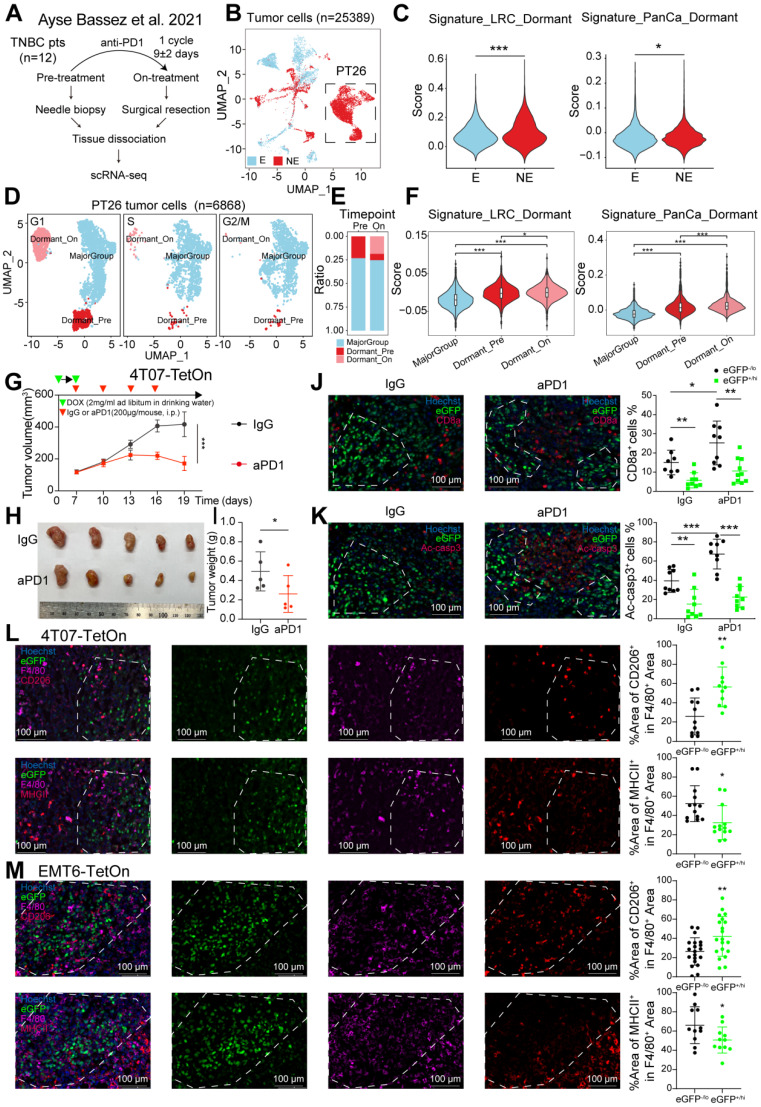 Figure 1
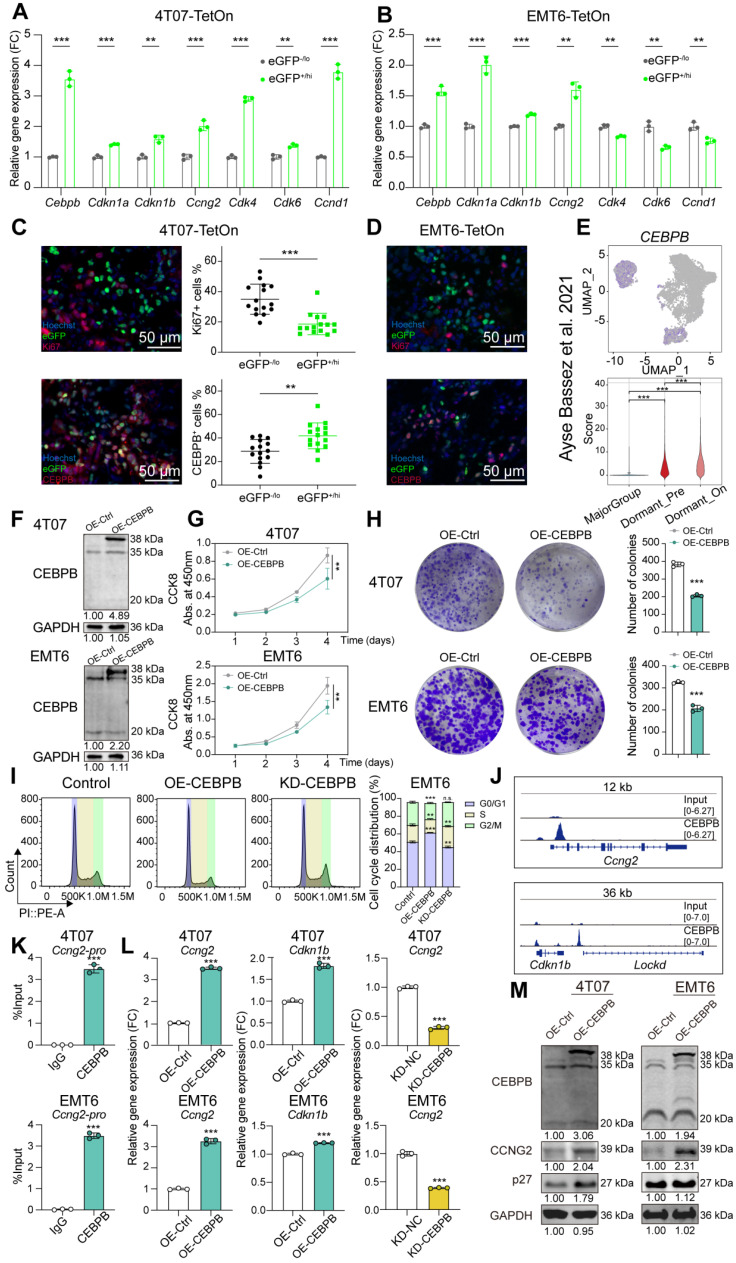 Figure 2
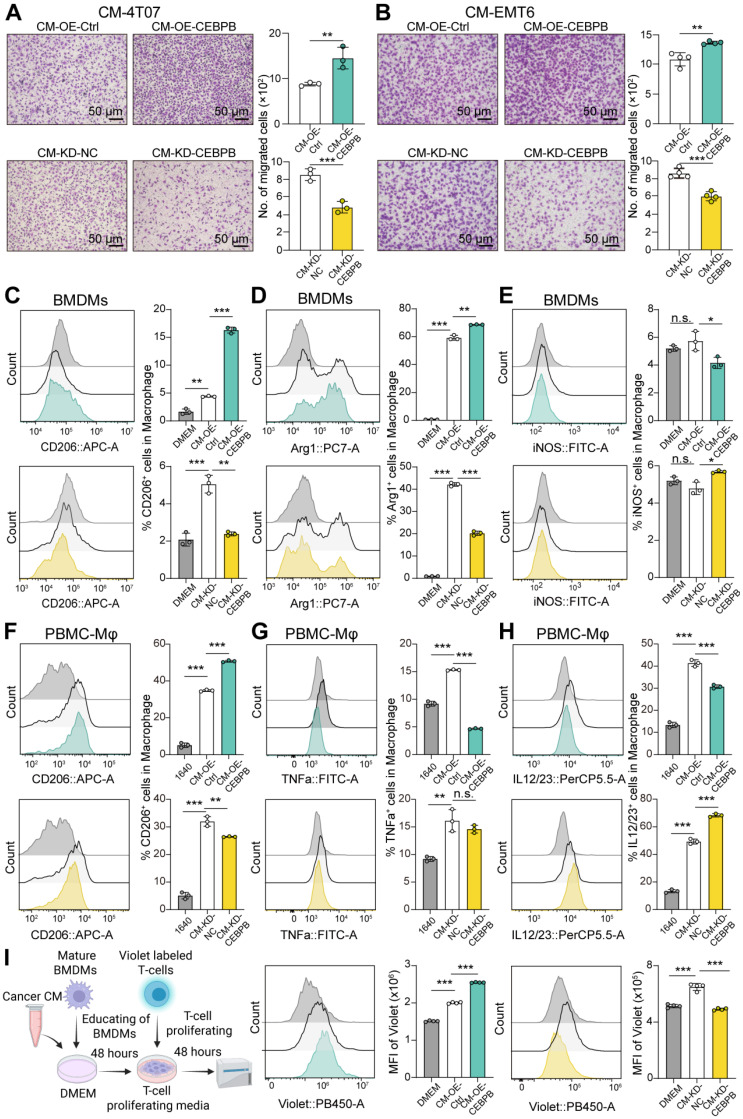 Figure 3
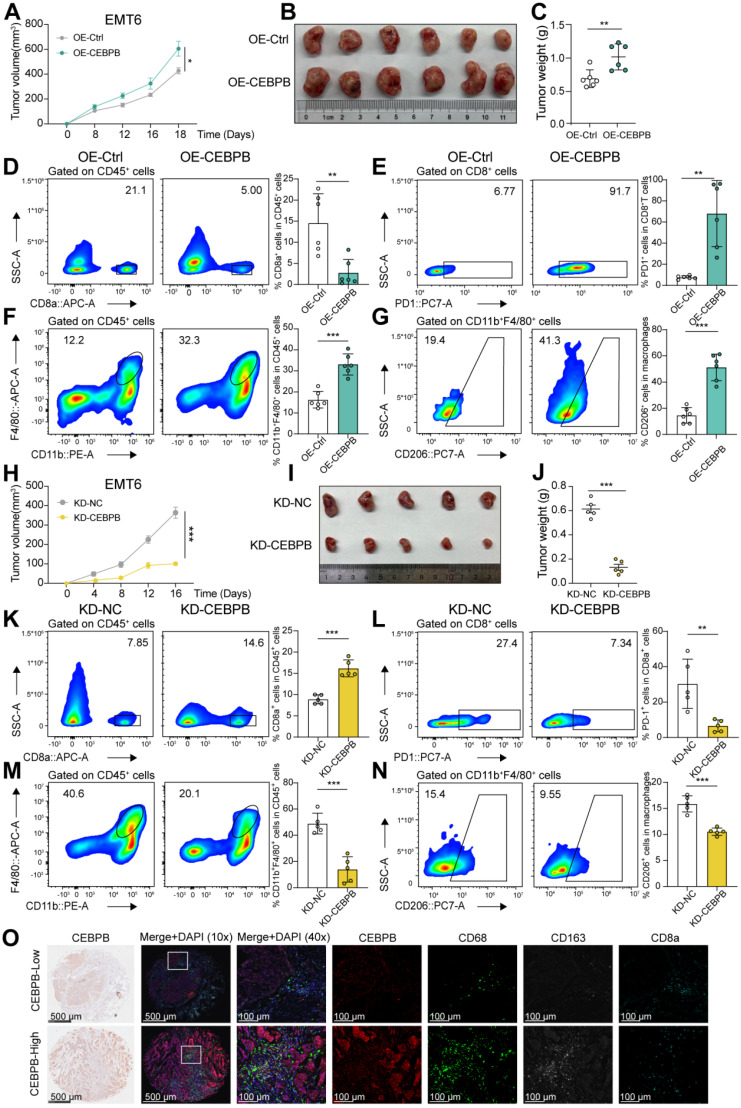 Figure 4
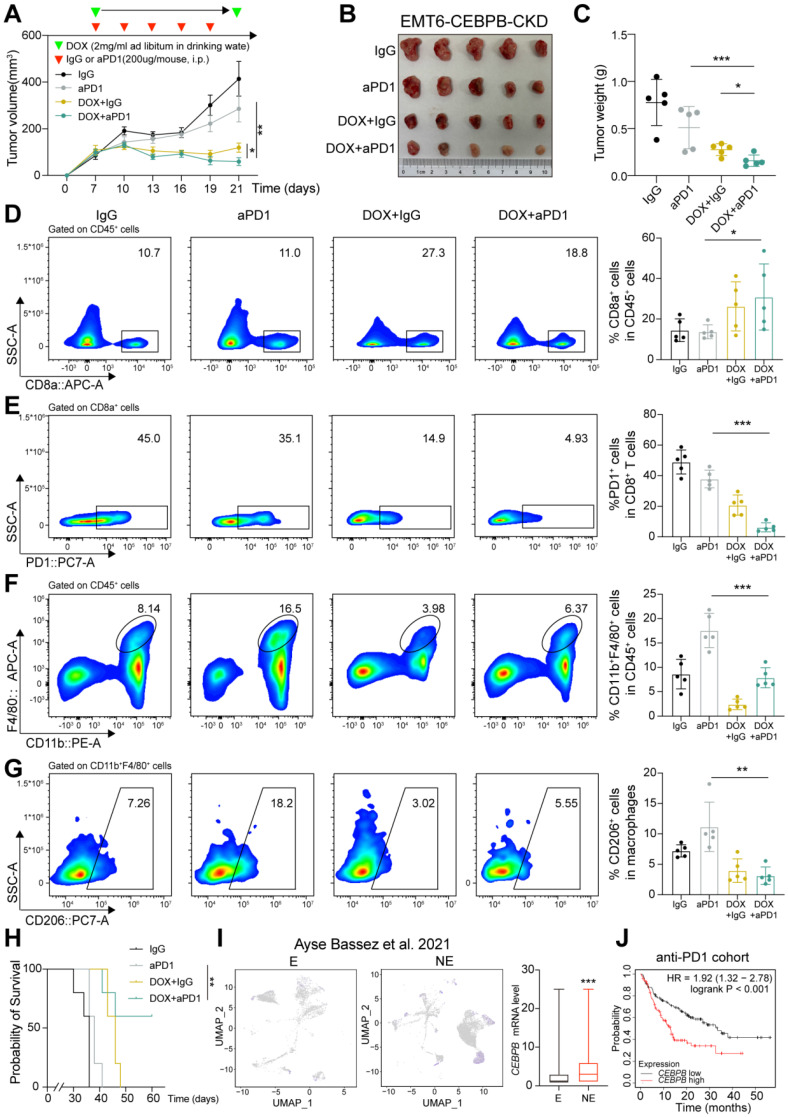 Figure 5
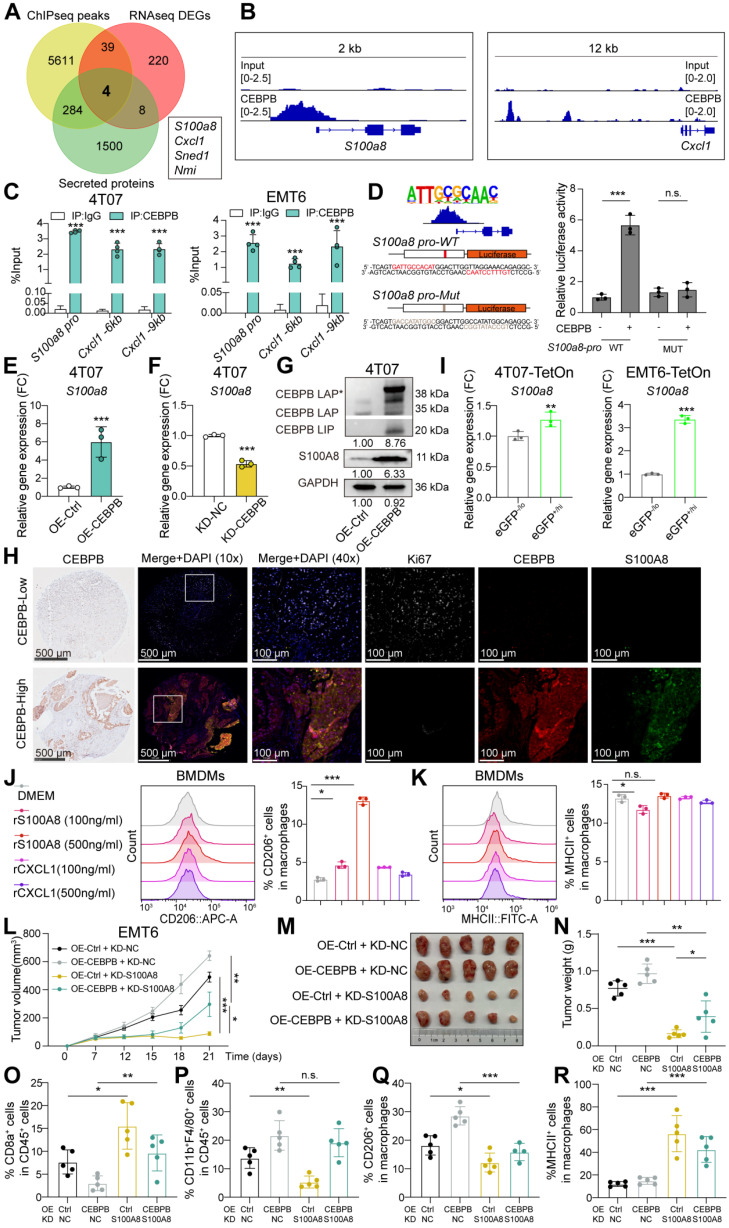 Figure 6
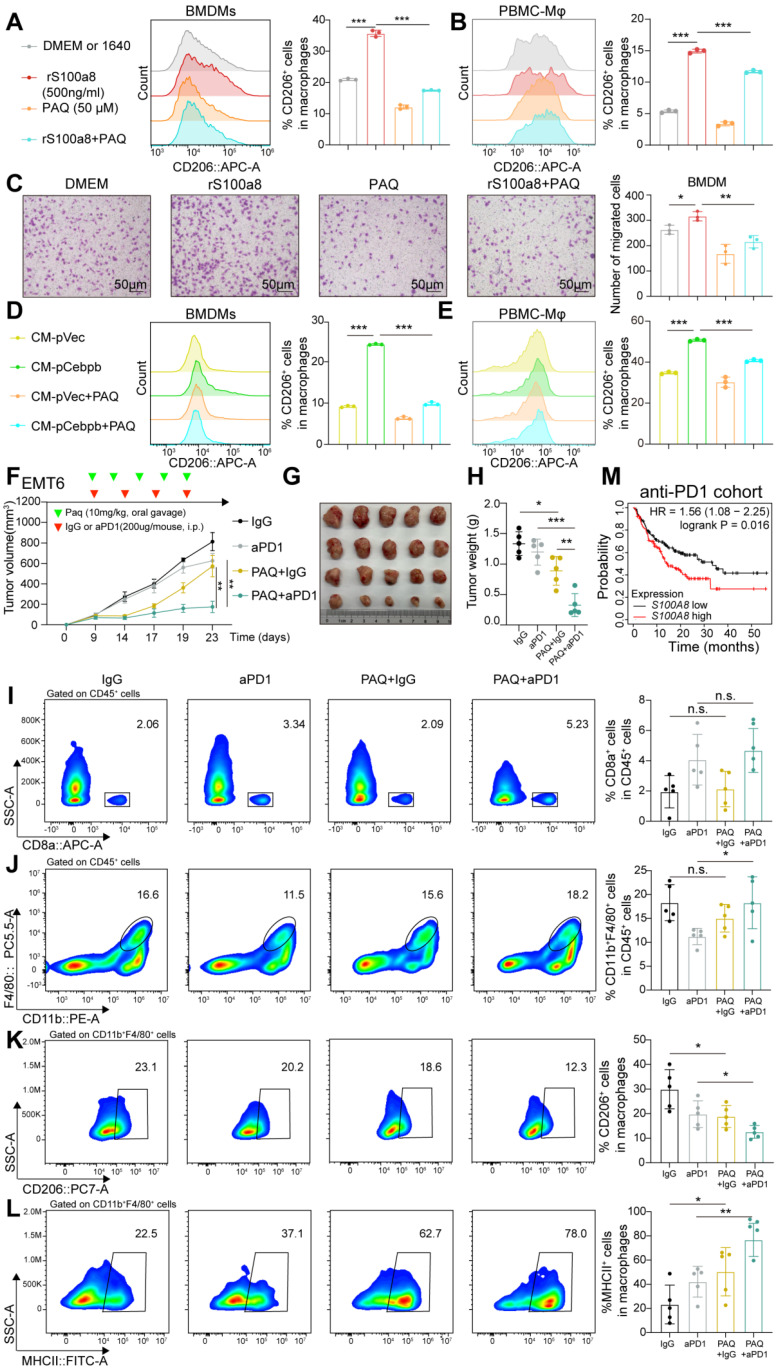 Figure 7
Peer Reviews
No public reviews on file for this paper yet. If you reviewed it on a platform where reviews are public (OpenReview, ICLR, NeurIPS, ICML), you can paste yours below so the community can read it here.
Videos
No videos yet. Explain this paper in a talk, walkthrough, or lecture? Add one.
Taxonomy
TopicsImmune cells in cancer · Cancer Research and Treatments · S100 Proteins and Annexins