Development of Scaffold Based on Buriti Oil and PEG-400 at Low Temperature
Fernando da S Reis, Thátila Wanessa V de Sousa, Amanda Furtado Luna, Wanderson Gabriel G de Melo, Napoleão M A Neto, Mahendra Rai, Ana Cristina Fialho, Juliani Caland, Ettore Ferrari Júnior, Fabianne Lima, Janildo Lopes Magalhães, José Milton E de Matos

TL;DR
This study develops a biocompatible scaffold using buriti oil and PEG-400 for bone regeneration, showing promising structural and biological properties.
Contribution
The novel use of buriti oil-based monoacylglyceride with PEG-400 to create sustainable, porous scaffolds for tissue engineering.
Findings
Scaffolds Sc1 and Sc2 showed average pore sizes of 248 and 258 μm, ideal for bone regeneration.
Cell viability was comparable to the control, indicating biocompatibility.
Scaffolds exhibited thermal stability exceeding 200 °C and contained β-carotene.
Abstract
Bone mass loss due to trauma or disease is a growing problem, requiring biocompatible and structurally stable materials for bone regeneration. In this study, interconnected porous scaffolds were developed from monoacylglyceride (MAG) derived from buriti oil (OB), combined with PEG-400, to examine the feasibility of MAG/PEG-400 as a biomedical scaffold to overcome the disadvantages of traditional implants. Fourier transform infrared (FTIR) analyses confirmed the formation of the scaffolds (Sc1 and Sc2), and scanning electron microscopy (SEM) images revealed porous structures with aver-age pore sizes of 248 and 258 μm, ideal for bone regeneration. The presence of β-carotene in the scaffolds was evidenced by UV–vis, and their thermal stability exceeded 200 °C. MTT assays indicated cell viability comparable to the control, while hemolysis tests revealed higher hemolytic activity in Sc1,…
Genes, proteins, chemicals, diseases, species, mutations and cell lines named across the full text — each resolved to its canonical identifier and authoritative record.
Click any figure to enlarge with its caption.
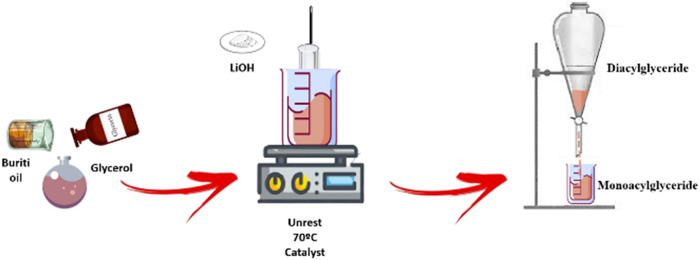 Figure 1
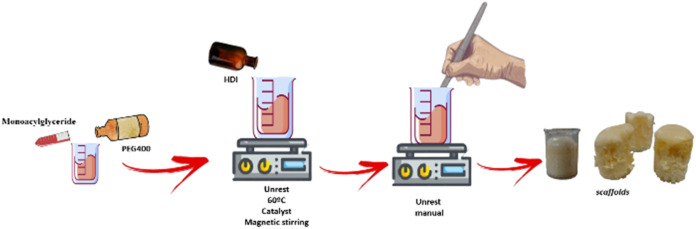 Figure 2
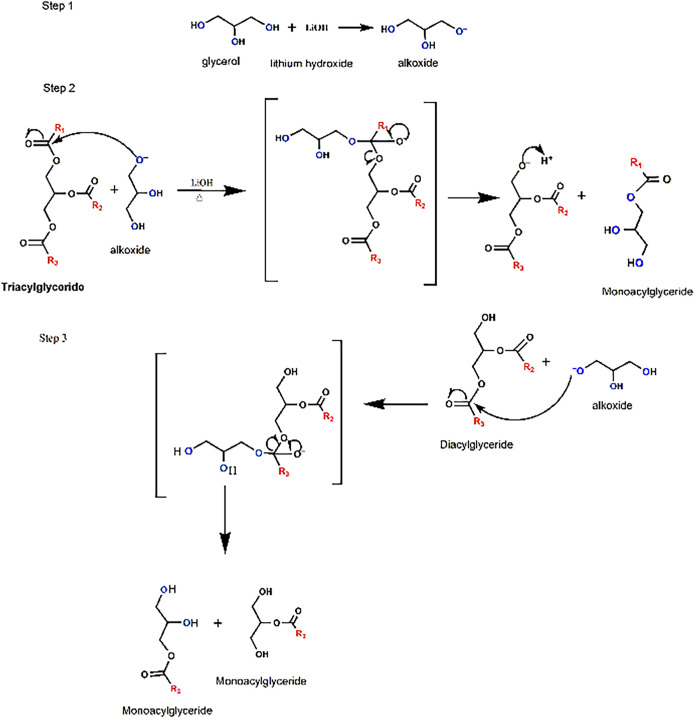 Figure 3
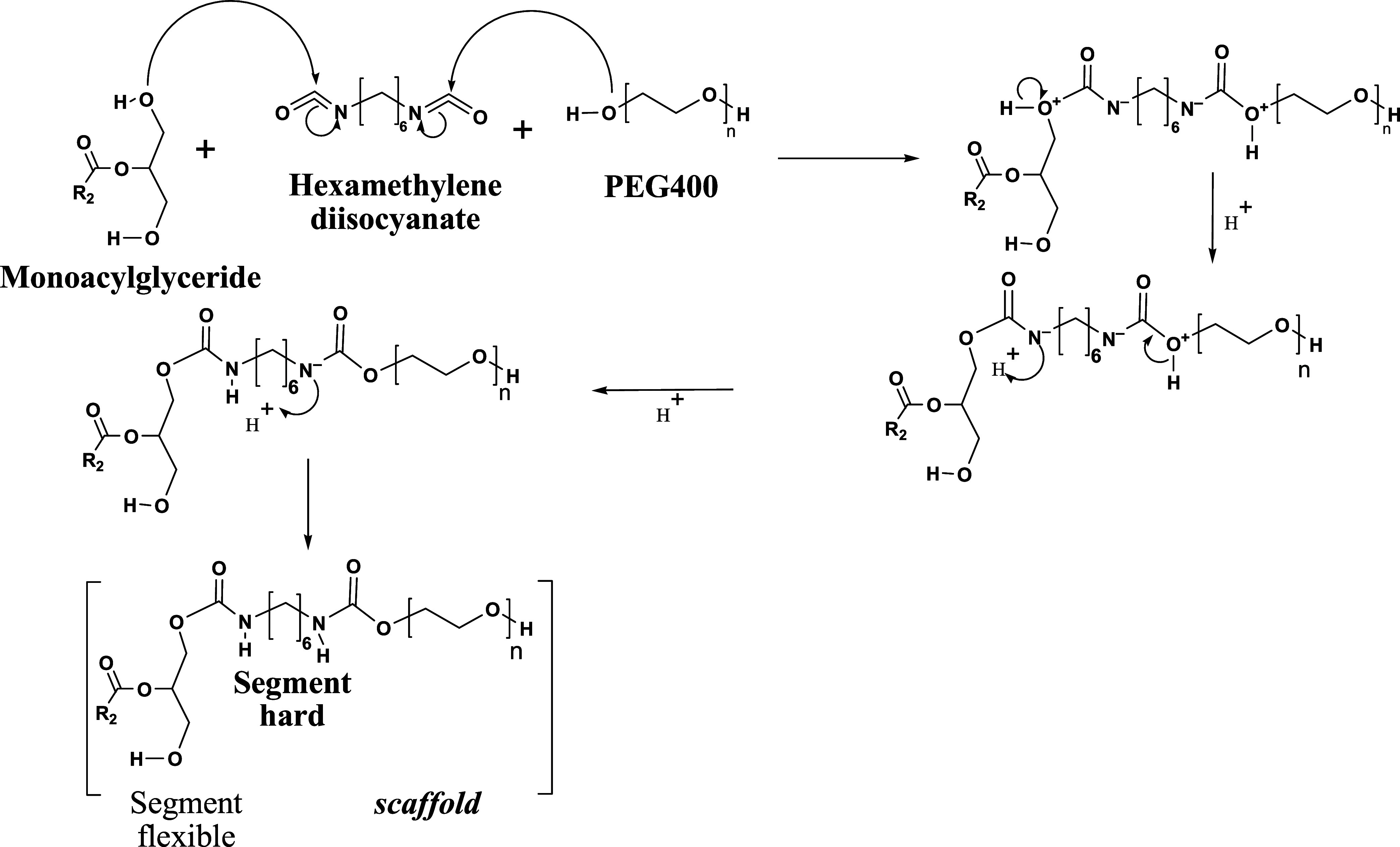 Figure 4
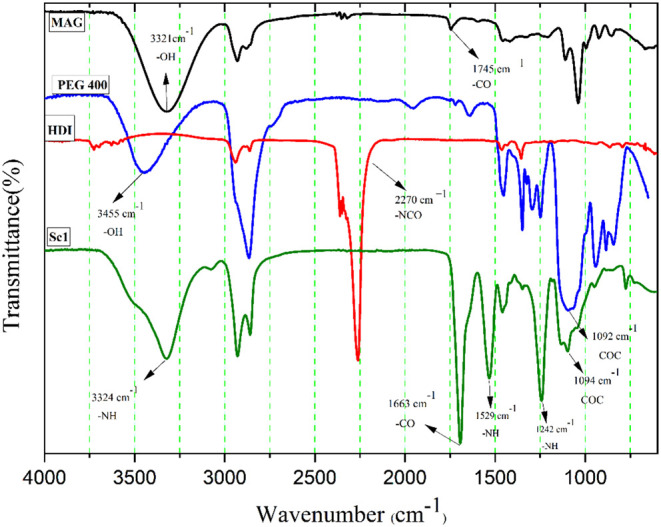 Figure 5
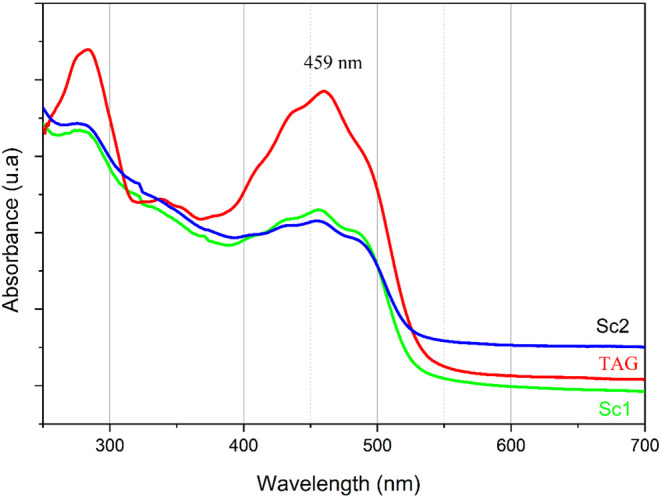 Figure 6
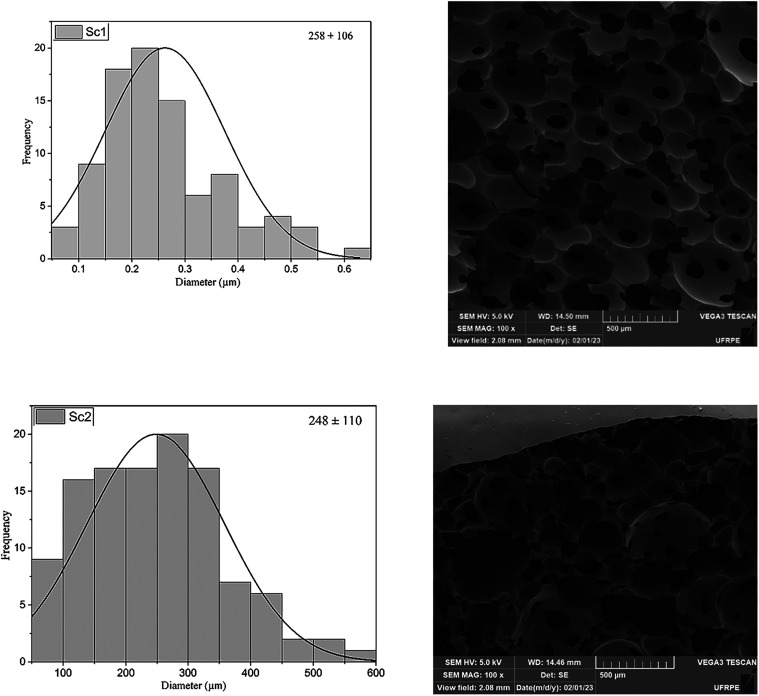 Figure 7
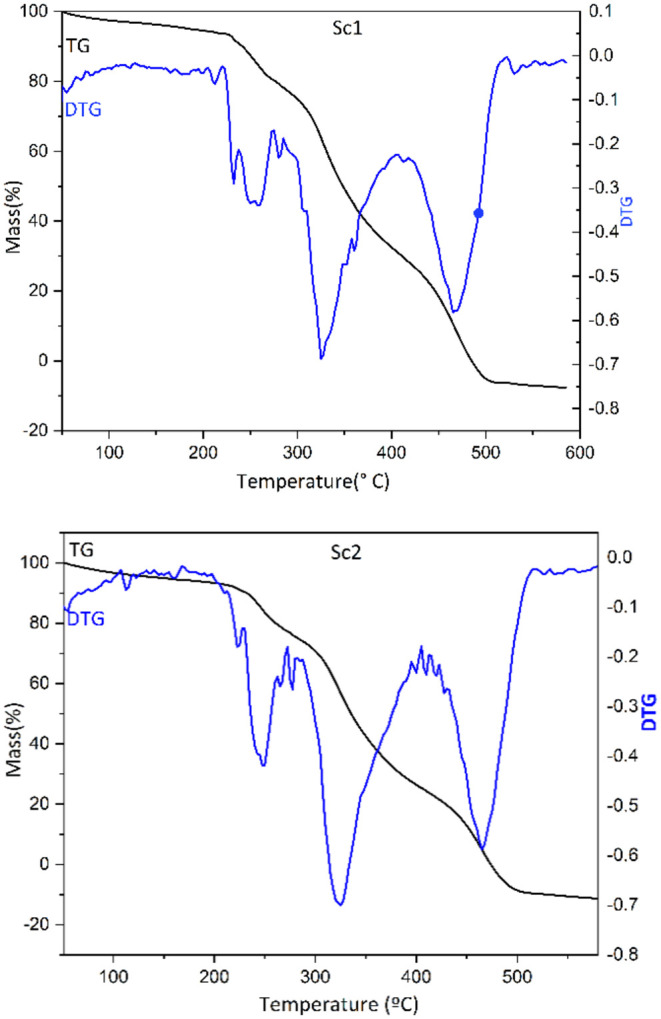 Figure 8
 Figure 9
 Figure 10
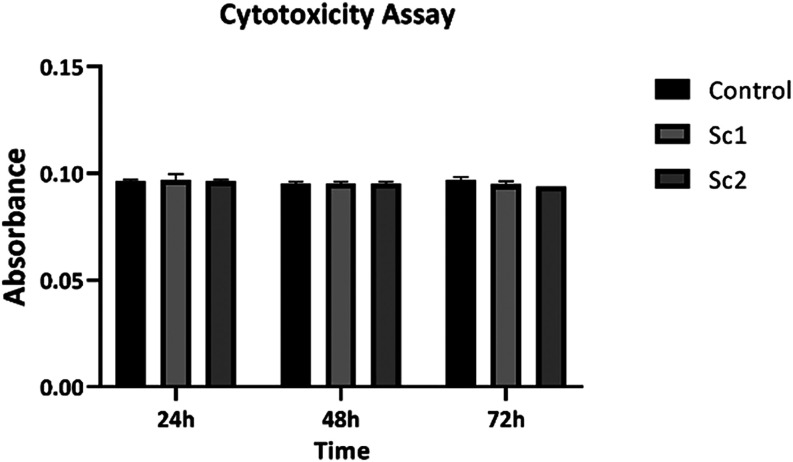 Figure 11
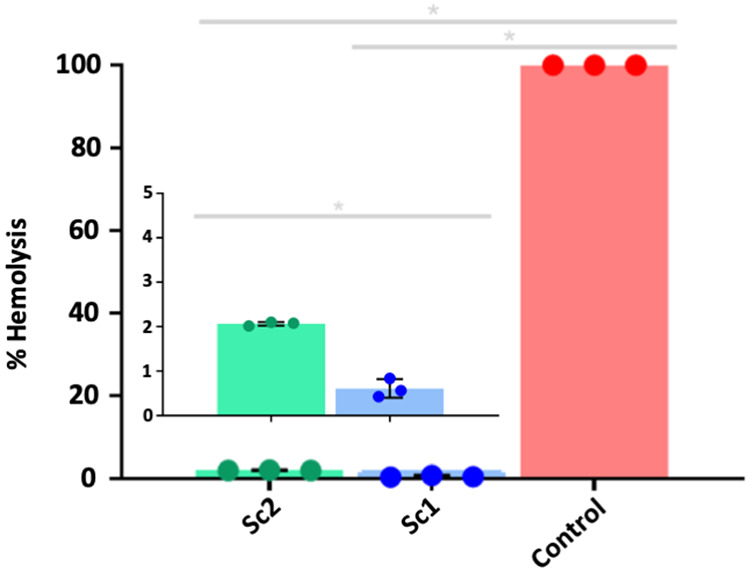 Figure 12
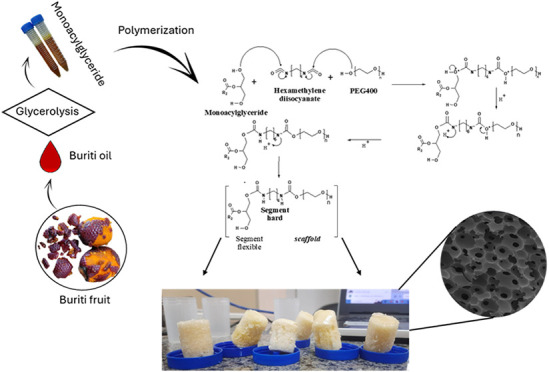 Figure 13
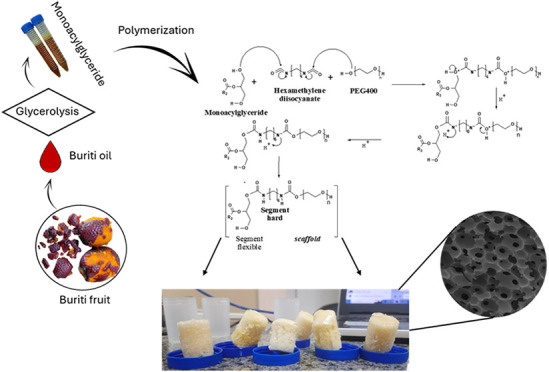 Figure 14
 Figure 15
 Figure 16
 Figure 17
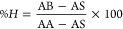 Figure 18
Peer Reviews
No public reviews on file for this paper yet. If you reviewed it on a platform where reviews are public (OpenReview, ICLR, NeurIPS, ICML), you can paste yours below so the community can read it here.
Videos
No videos yet. Explain this paper in a talk, walkthrough, or lecture? Add one.
Taxonomy
TopicsPolymer composites and self-healing · Bone Tissue Engineering Materials · Calcium Carbonate Crystallization and Inhibition