Chemical Profiling, Analgesic and Anti-Inflammatory Activities of Farsetia aegyptia and Zilla spinosa: Integrated In Vitro, In Vivo, and In Silico Studies
Malek Besbes, Assia Hamdi, Kaouther Majouli, Mabrouk Horchani, Abeer Ayed Alshammari, Saoussen Jilani, Salwa Ahmed Lotfi, Ramzi Hadj Lajimi, Hichem Ben Jannet, Walid Ben Selma, Jamil Kraiem

TL;DR
This study explores the anti-inflammatory and pain-relieving properties of two plants, Farsetia aegyptia and Zilla spinosa, using various models and identifies key compounds responsible for these effects.
Contribution
The study integrates in vitro, in vivo, and in silico methods to identify novel anti-inflammatory compounds in two understudied plant species.
Findings
Aqueous extracts of both plants showed strong anti-inflammatory activity in animal models.
Quercetin 3-[rhamnosyl-(1->2)-rhamnosyl-(1->6)-glucoside] exhibited the best docking score against 5-lipoxygenase.
Both extracts significantly inhibited lipoxygenase with low IC50 values.
Abstract
Plants are a rich source of active metabolites that have been used to treat inflammation troubles. The current study aimed to identify the analgesic and anti-inflammatory compounds in Farsetia aegyptia and Zilla spinosa extracts. The anti-inflammatory activity was evaluated using the xylene-induced ear edema model in mice and the carrageenan-induced paw edema model in Wistar rats. Additionally, both central and peripheral analgesic effects were assessed in mice. The anti-lipoxygenase activity was examined through an in vitro enzyme inhibition assay. The phytochemical composition of the bioactive extracts was characterized using High-Resolution Liquid Chromatography–Mass Spectrometry (HR-LCMS). The aqueous extracts of both species exhibited the strongest anti-inflammatory activity. The F. aegyptia extract showed inhibition percentages of 51.82% at 6.25 mg/kg and 51.14% at 0.78 mg/kg,…
Genes, proteins, chemicals, diseases, species, mutations and cell lines named across the full text — each resolved to its canonical identifier and authoritative record.
Click any figure to enlarge with its caption.
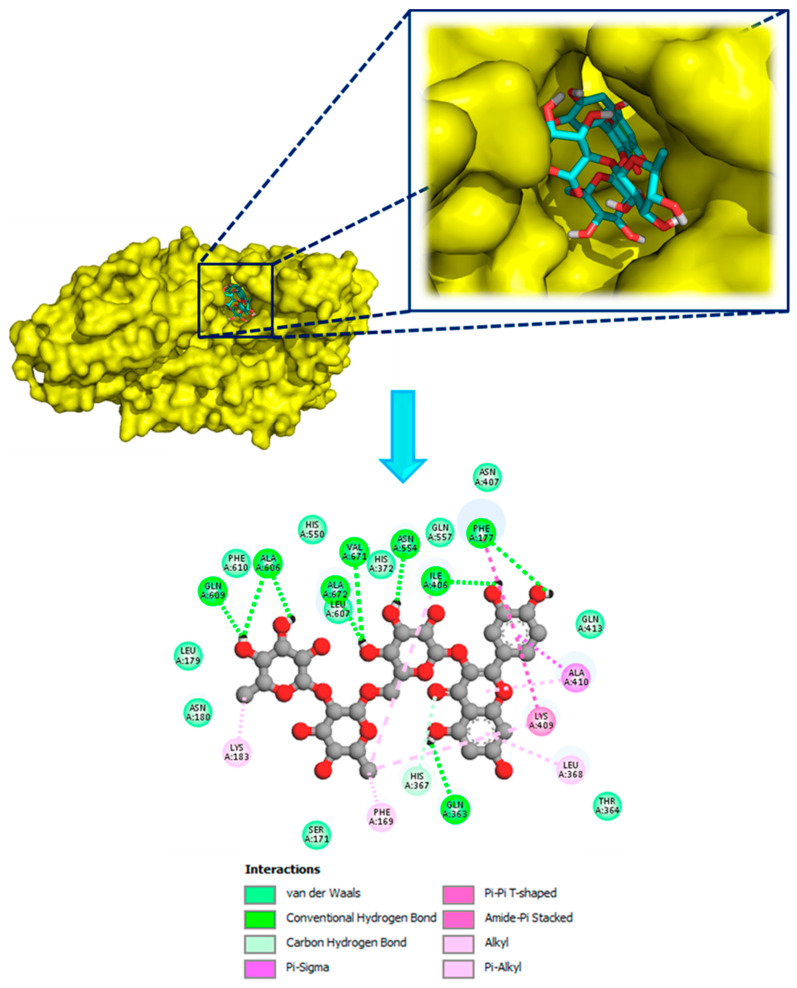 Figure 1
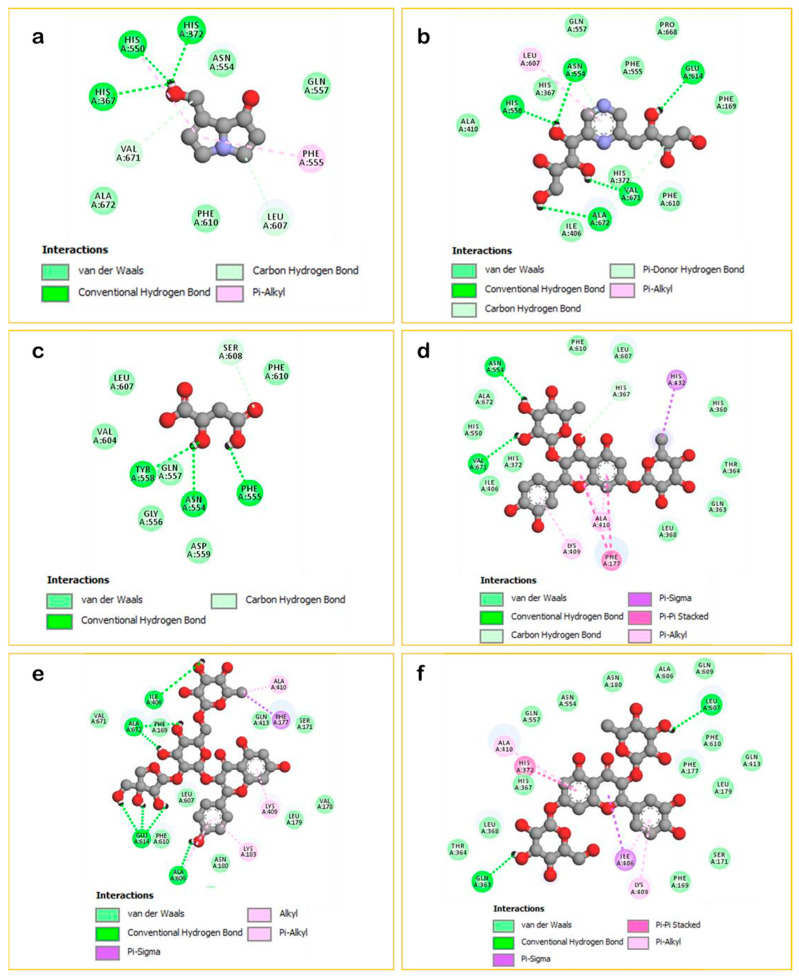 Figure 2
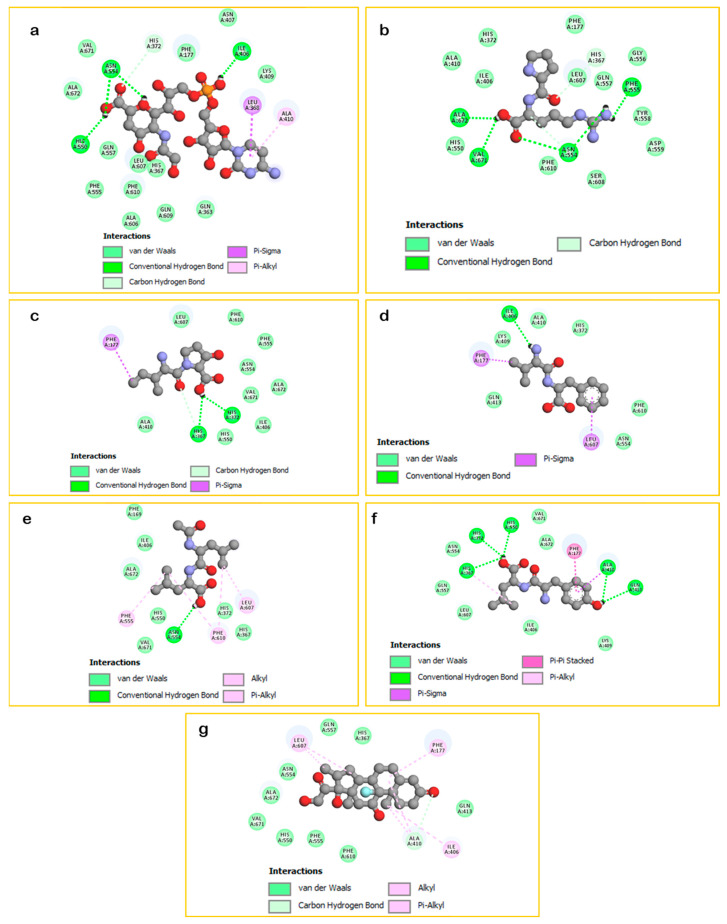 Figure 3
Peer Reviews
No public reviews on file for this paper yet. If you reviewed it on a platform where reviews are public (OpenReview, ICLR, NeurIPS, ICML), you can paste yours below so the community can read it here.
Videos
No videos yet. Explain this paper in a talk, walkthrough, or lecture? Add one.
Taxonomy
TopicsEssential Oils and Antimicrobial Activity · Phytochemical Studies and Bioactivities · Phytochemicals and Antioxidant Activities