Metal and Metal Oxide Nanoparticles Using Artemisia Species: Synthesis, Characterization and Applications
Delia Luca, Roxana Jijie, Gabriela Vochita, Lucia-Florina Popovici, Marius-Nicusor Grigore, Lacramioara Oprica

TL;DR
This review explores using Artemisia plants to create metal nanoparticles with potential uses in medicine, agriculture, and environmental cleanup.
Contribution
The paper systematically reviews green synthesis methods and applications of metal nanoparticles using Artemisia species.
Findings
Artemisia extracts can synthesize metal nanoparticles with controlled size and morphology.
The nanoparticles show antimicrobial, antioxidant, and anticancer properties.
They have potential in agriculture and environmental remediation.
Abstract
This review aims to explore the green synthesis of metal and metal oxide nanoparticles using various species of the genus Artemisia. The synthesis processes commonly involve aqueous or organic extracts of plant parts (e.g., leaves, stems, and roots), which react with metal salt solutions (e.g., AgNO3, Zn(NO3)2, HAuCl4, Cu(NO3)2) under controlled parameters, including pH, temperature, and light exposure. The synthesized nanoparticles are characterized using techniques such as UV–Visible spectroscopy, transmission electron microscopy (TEM), scanning electron microscopy (SEM), Fourier transform infrared spectroscopy (FTIR), X-ray diffraction (XRD), dynamic light scattering (DLS), and zeta potential analysis. These approaches provide information on nanoparticle size, morphology, crystallinity, surface chemistry and charge, which are significantly influenced by synthesis parameters and the…
Genes, proteins, chemicals, diseases, species, mutations and cell lines named across the full text — each resolved to its canonical identifier and authoritative record.
Click any figure to enlarge with its caption.
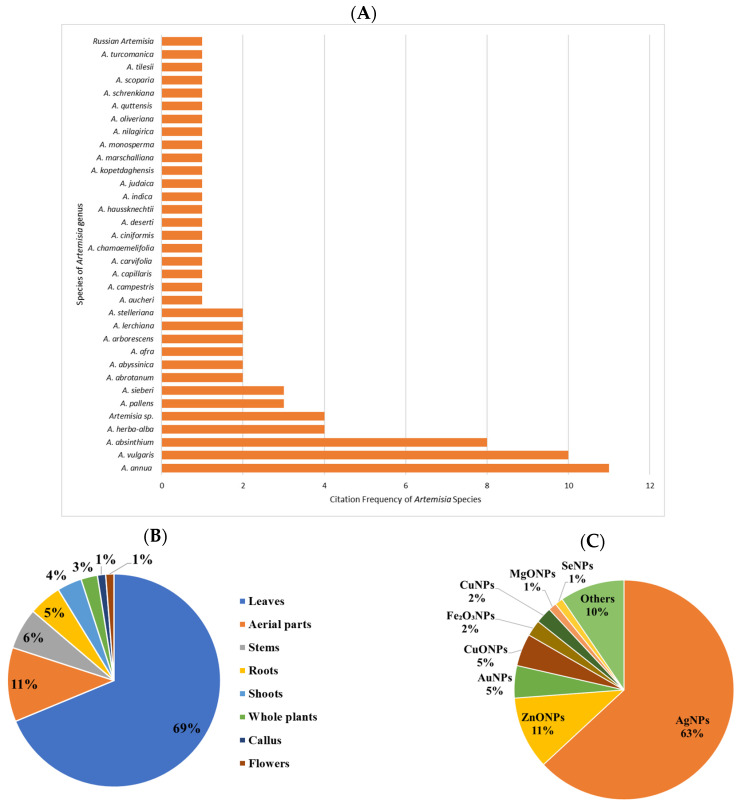 Figure 1
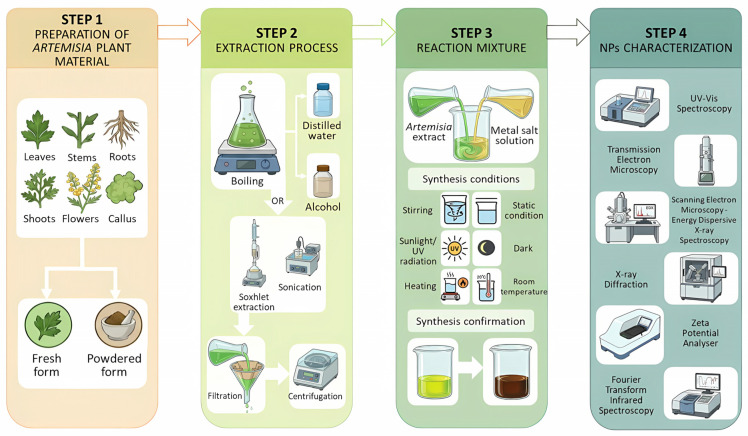 Figure 2
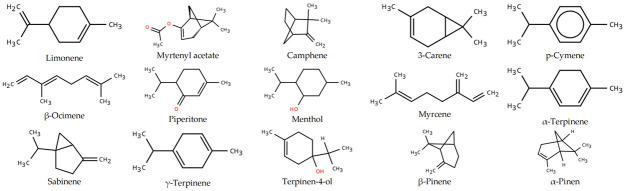 Figure 3
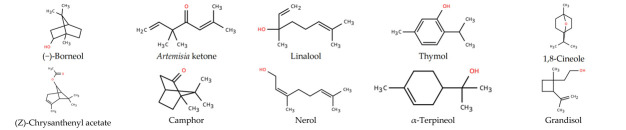 Figure 4
 Figure 5
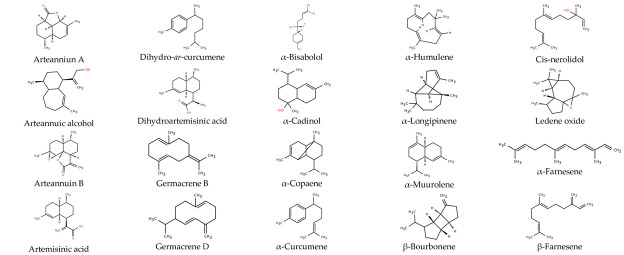 Figure 6
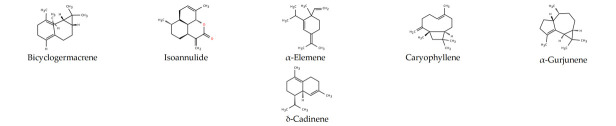 Figure 7
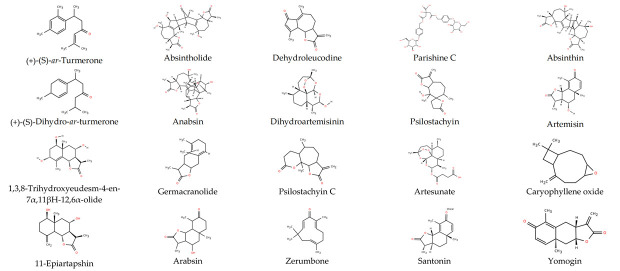 Figure 8
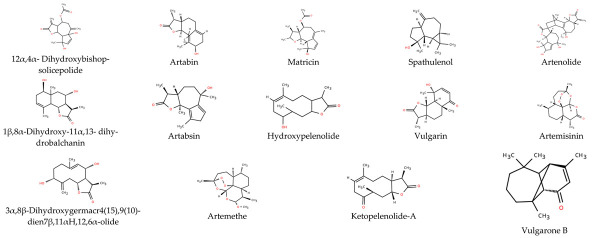 Figure 9
 Figure 10
 Figure 11
 Figure 12
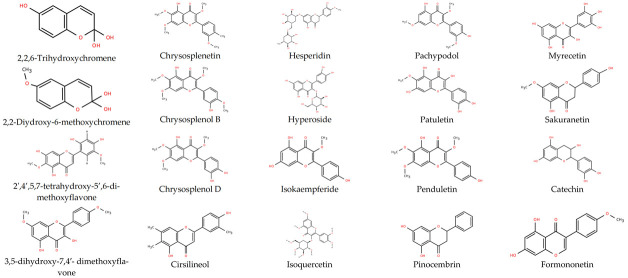 Figure 13
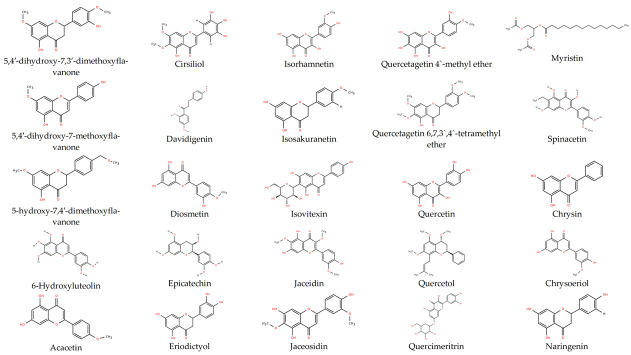 Figure 14
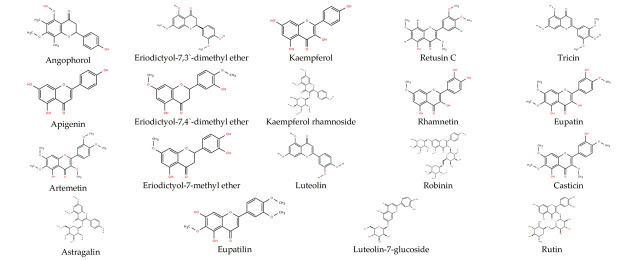 Figure 15
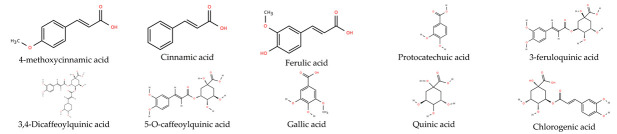 Figure 16
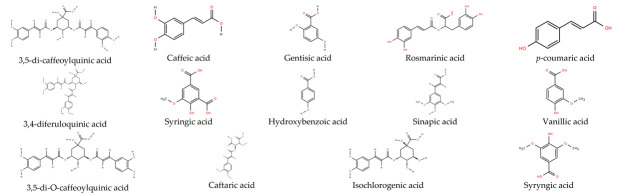 Figure 17
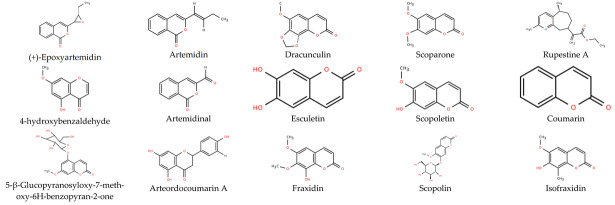 Figure 18
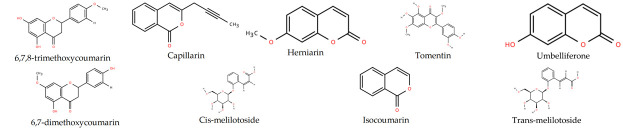 Figure 19
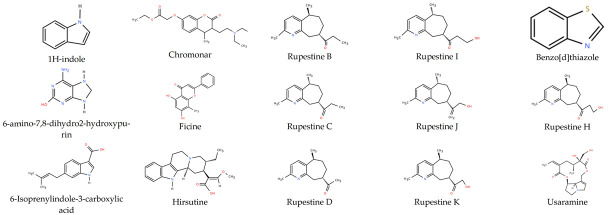 Figure 20
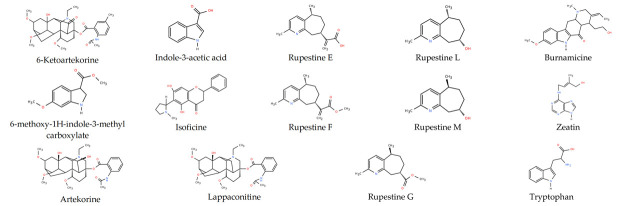 Figure 21
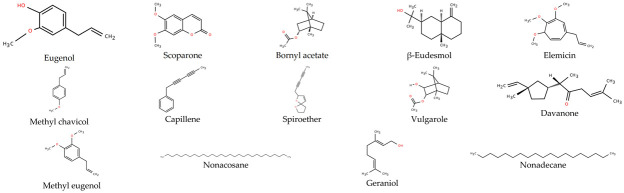 Figure 22
Peer Reviews
No public reviews on file for this paper yet. If you reviewed it on a platform where reviews are public (OpenReview, ICLR, NeurIPS, ICML), you can paste yours below so the community can read it here.
Videos
No videos yet. Explain this paper in a talk, walkthrough, or lecture? Add one.
Taxonomy
TopicsNanoparticles: synthesis and applications · Advanced Nanomaterials in Catalysis · Magnesium Oxide Properties and Applications